Being There
Visiting the site — the largest privately owned mansion in the U.S. — where one of my favorite movies was made

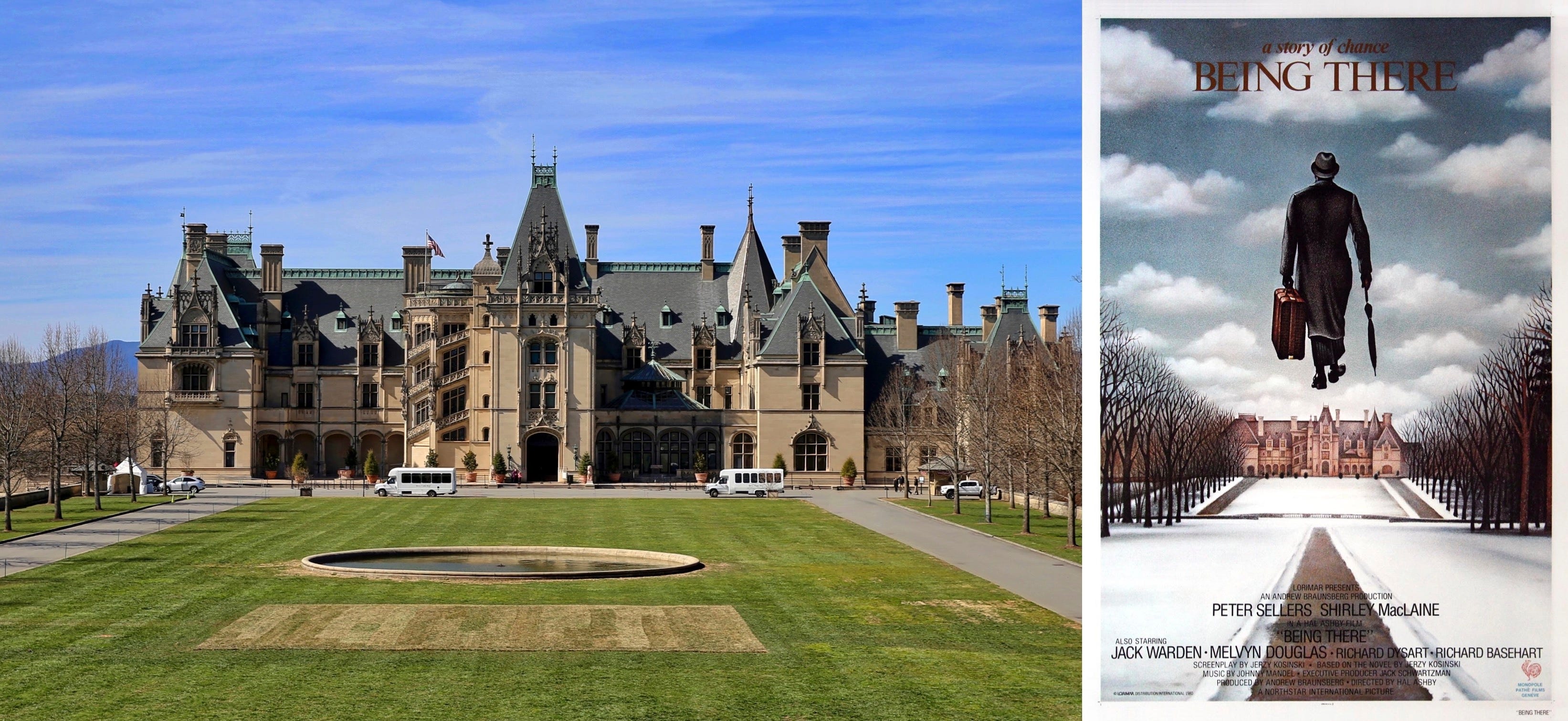
On a rainy evening in early January 1980, my neighbor Paul drove me to Houston’s Meyerland Plaza Cinema I & II to see a Peter Sellers movie that stood no chance of making it to the two-screen theater in my hometown.
Thanks to my dad, who knew “Dr. Strangelove” and the Pink Panther movies by heart, I had watched Sellers’ films throughout childhood. In 1980, I was in ninth grade and had become obsessed with movies, haunting Texas City’s Tradewinds Theatre every weekend and bemoaning all the things I could not see in my hometown.
When Paul, then a SMU student home from college, offered to take me to “Being There” as a belated Christmas present, I was not about to refuse.
More than 40 years after it was made, this gentle but potent satire may be even more relevant today. Directed by Hal Ashby, Sellers plays Chance, a middle-aged, simple-minded gardener who has never left the Washington, D.C. townhouse where he worked for a wealthy man, Mr. Rand.
When Mr. Rand dies, Chance is evicted and soon hit by a limousine carrying Shirley MacLaine, playing the much younger wife of Melvyn Douglas’ character, a wealthy and dying business mogul with ties to the White House. Chance, who is functionally illiterate and gets all of his knowledge from television, is brought back to their lavish mansion, where his blank stare and simple style make everyone believe that he’s actually a brilliant political pundit.
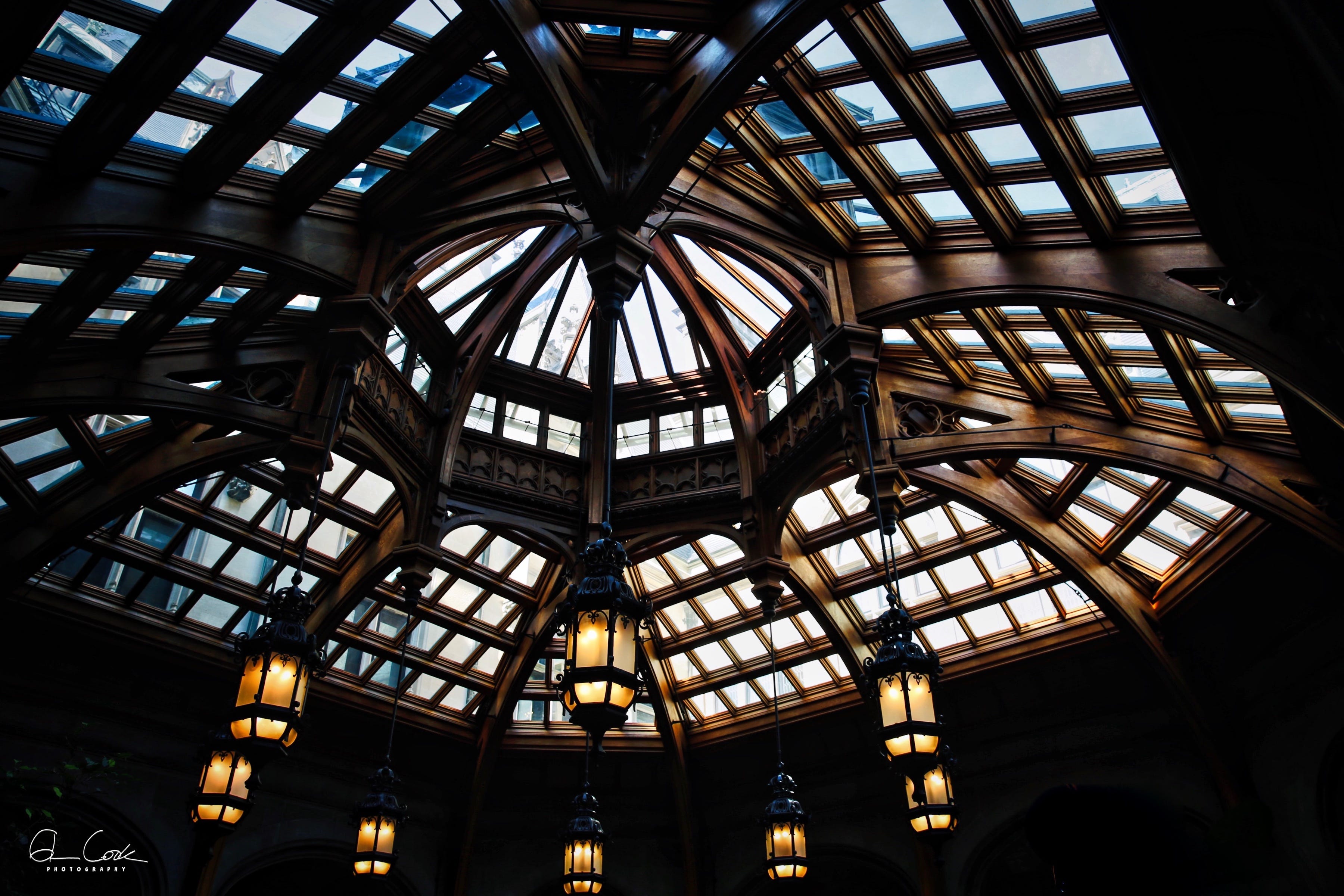
Even though the movie is set in the D.C. area, principal photography was done at the Biltmore Estate outside Asheville, North Carolina. The Biltmore, which has 135,280 square feet of living space, is the largest privately owned house in the United States.
I lived in North Carolina for almost eight years and went to Asheville numerous times, but it wasn’t until long after we left that I went on a tour. My wife and I have had several memorable stays at the Grove Park Inn, mostly for meetings, but we were never in town long enough to go to the Biltmore, which draws more than 1.3 million visitors annually.
Several years ago, after Jill attended a family reunion in Boone, we went to Asheville and decided it was time to see it. Built between 1889 and 1895 for George Washington Vanderbilt II, the Biltmore has remained in the family and has been a museum since the late 1950s.

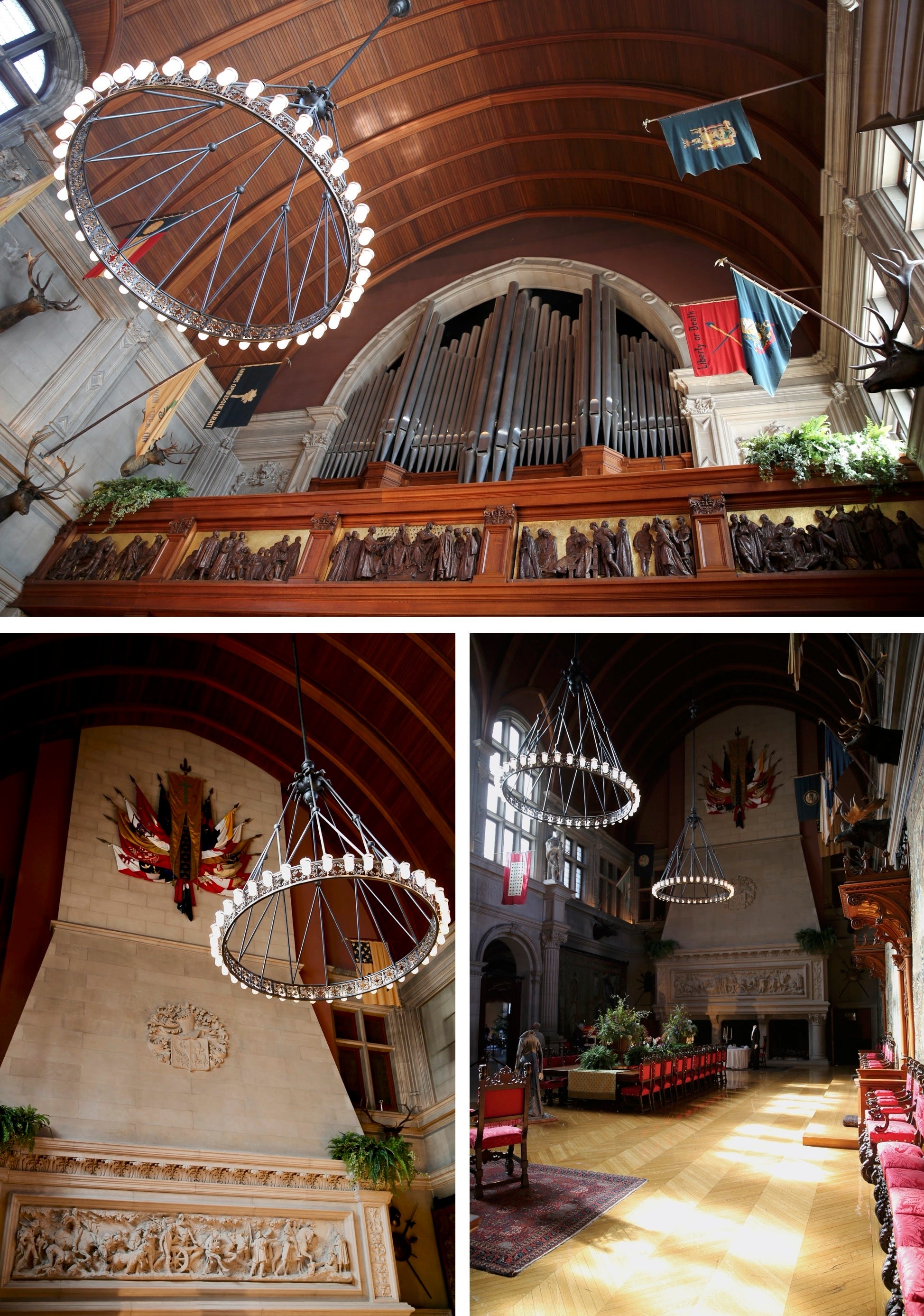
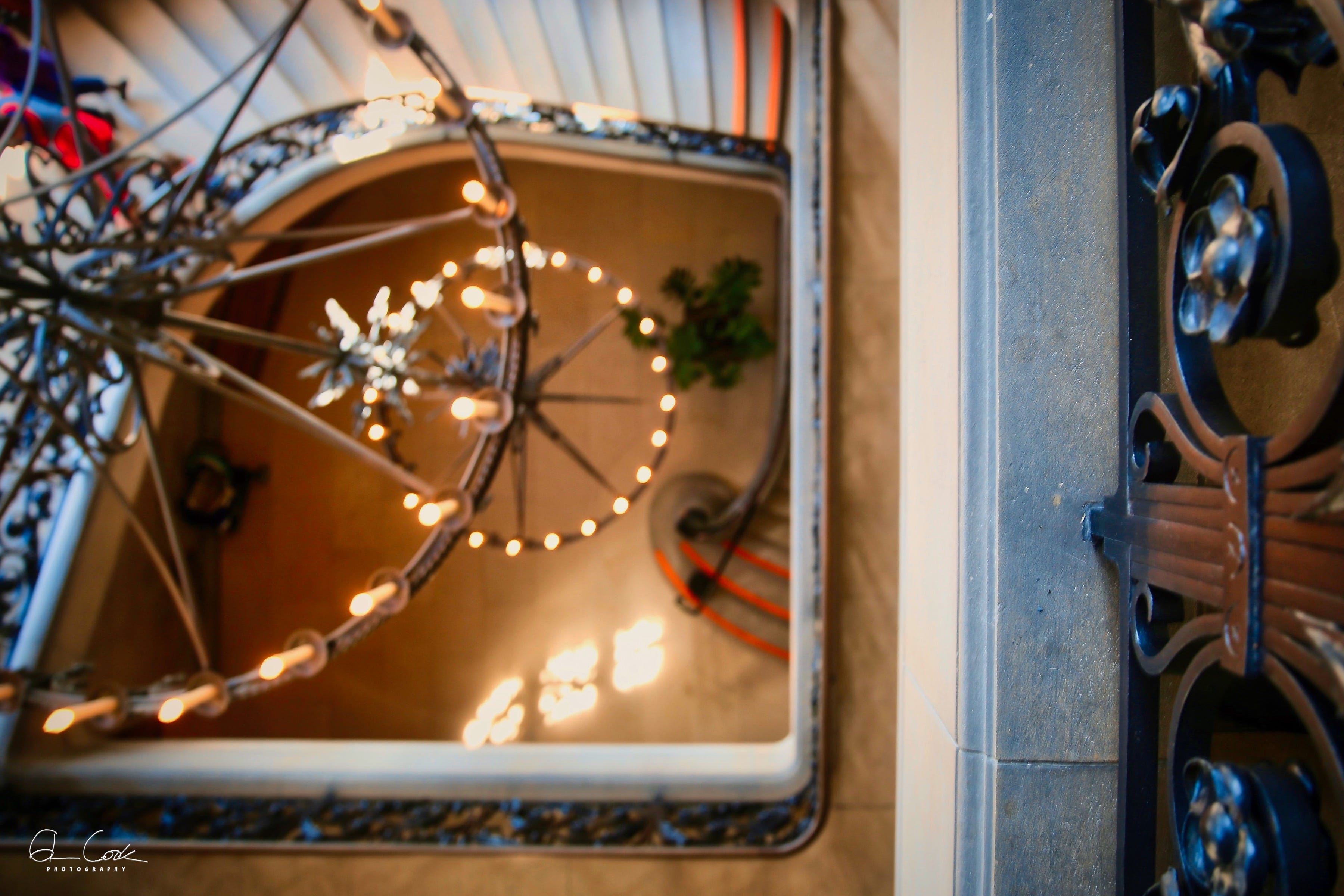
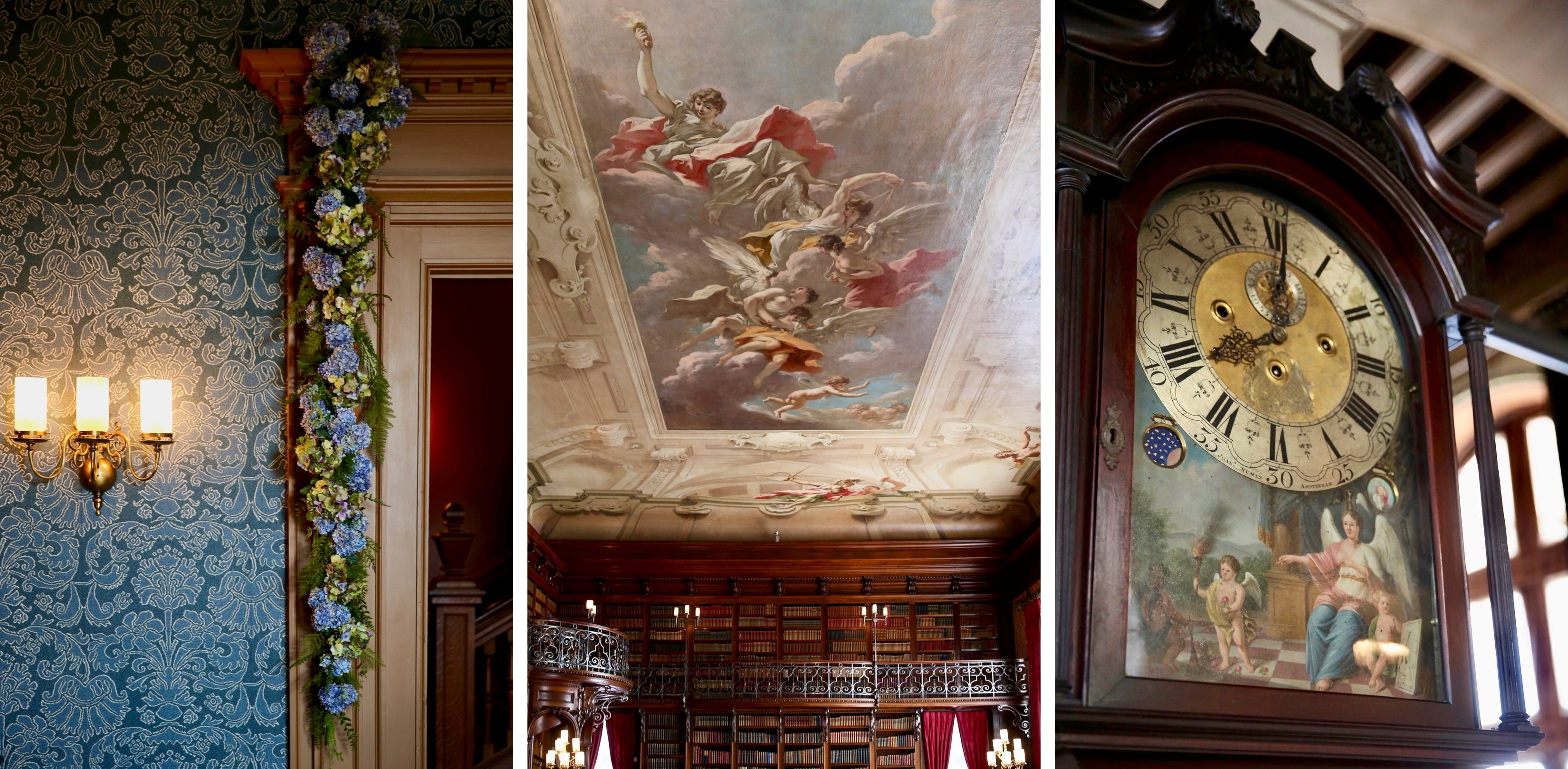
One of the most prominent Gilded Age mansions, the Biltmore House was designed by Vanderbilt family architect Richard Morris Hunt. Using the French Renaissance chateaux as a model, the house is an orgy of opulence and wealth, with four acres of floor space in the house, 35 bedrooms, 43 bathrooms, 65 fireplaces, three kitchens, and a 19th-century elevator.
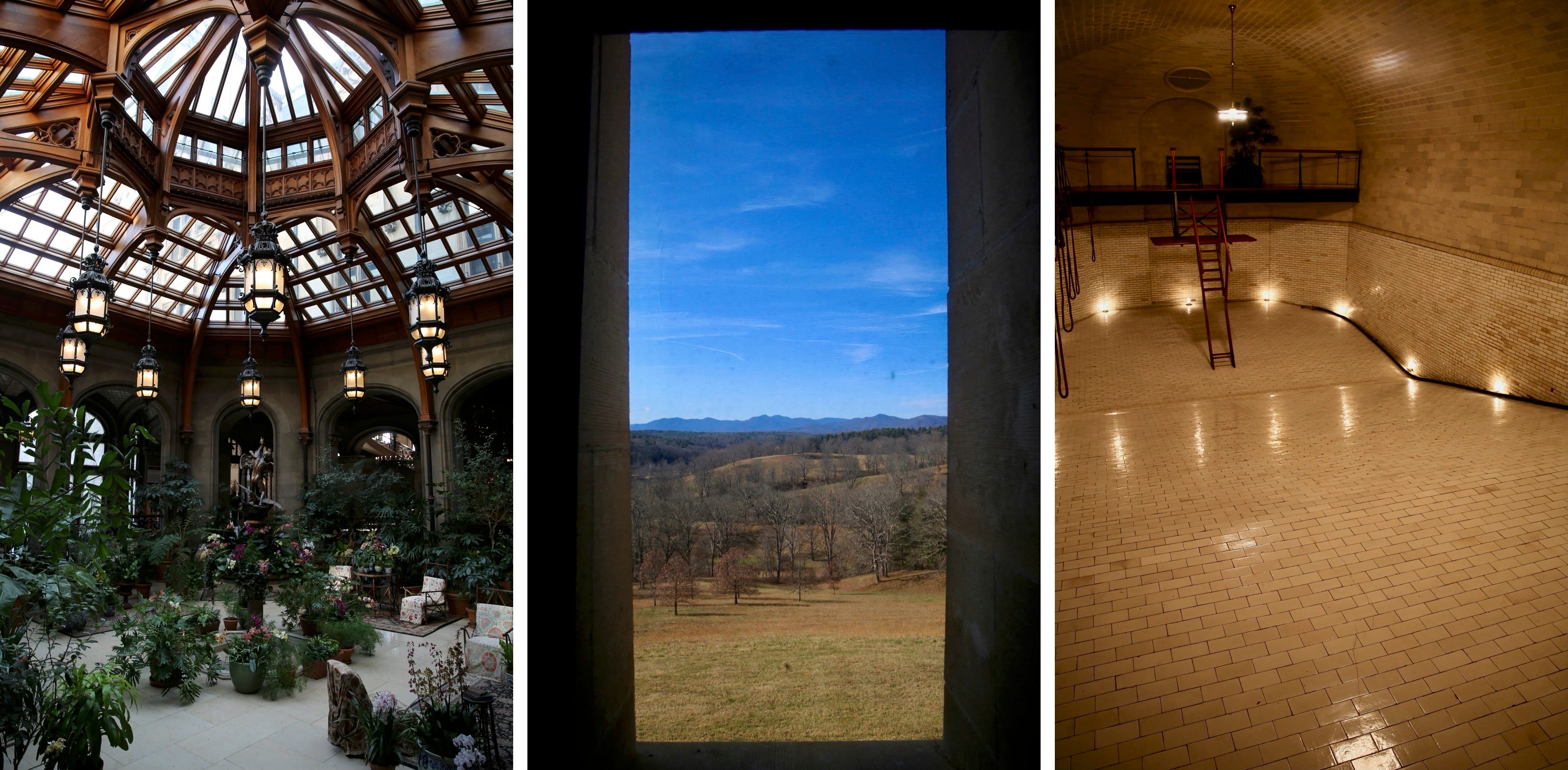
The estate overall is an amazing place, with numerous restaurants, a luxury hotel, dairy farm, and winery on 8,000 acres. After Hurricane Helene hit the area in September 2024, it was closed for two months, but the house and most of the surrounding area were not seriously damaged. Because of the region’s reliance on tourism — approximately 15 percent of the workforce in the four counties surrounding Asheville is tied to it — reopening the Biltmore was huge for communities that had been devastated.
It should not come as a surprise that many movies, including “The Last of the Mohicans” and “Forrest Gump,” have been filmed on the estate and its grounds. But for my money, “Being There” is and always will be the best.
I hope you’ll seek it out.
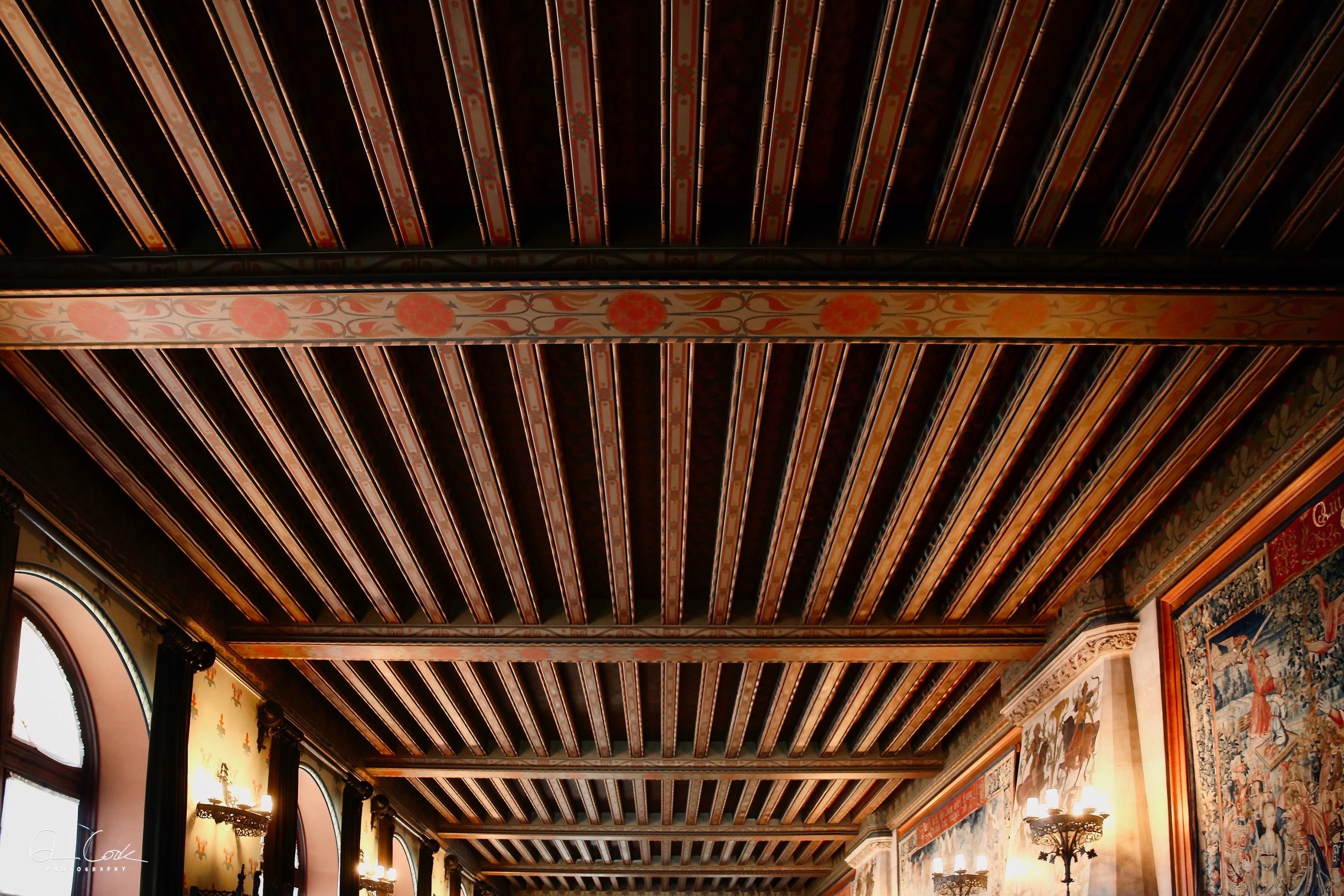
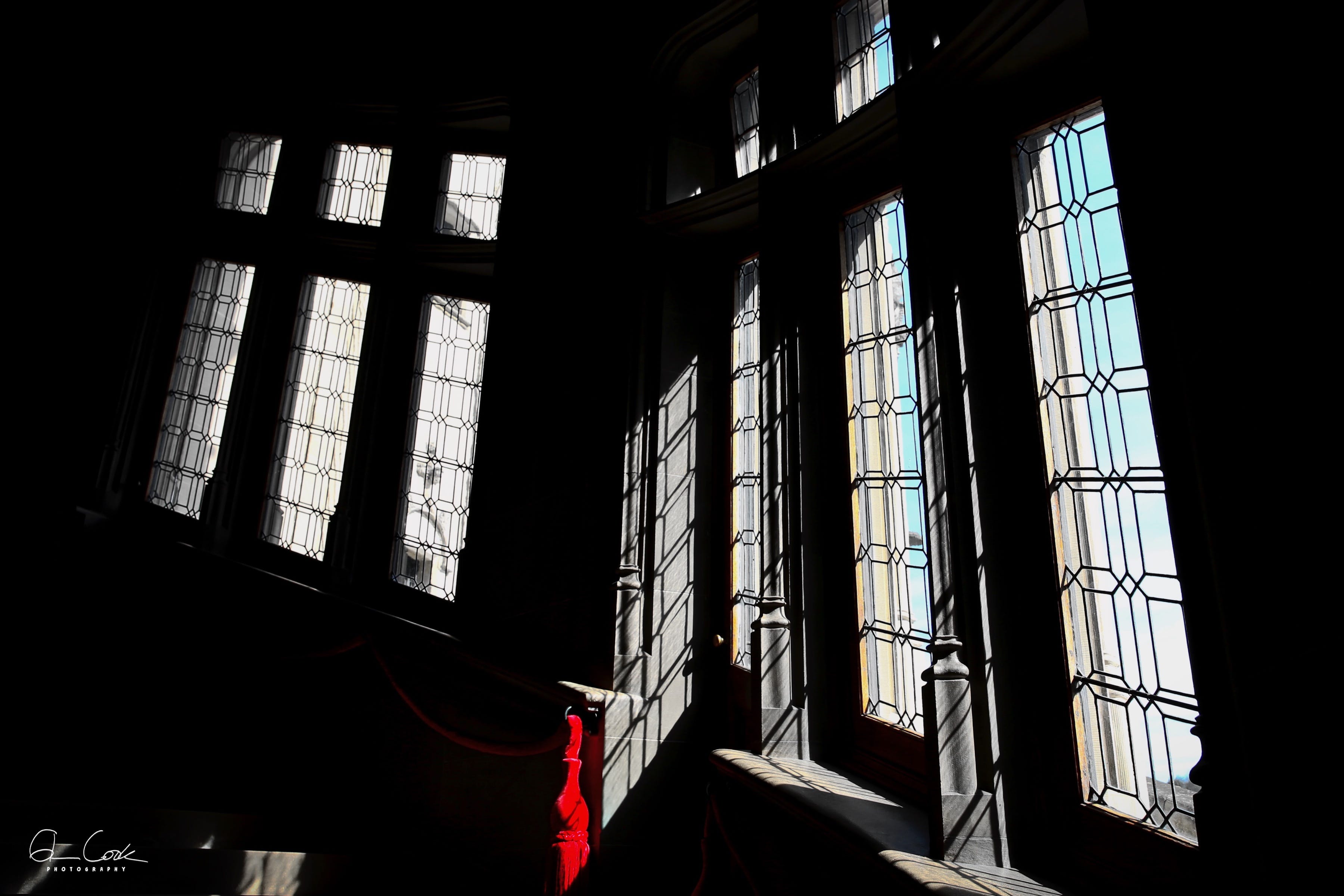
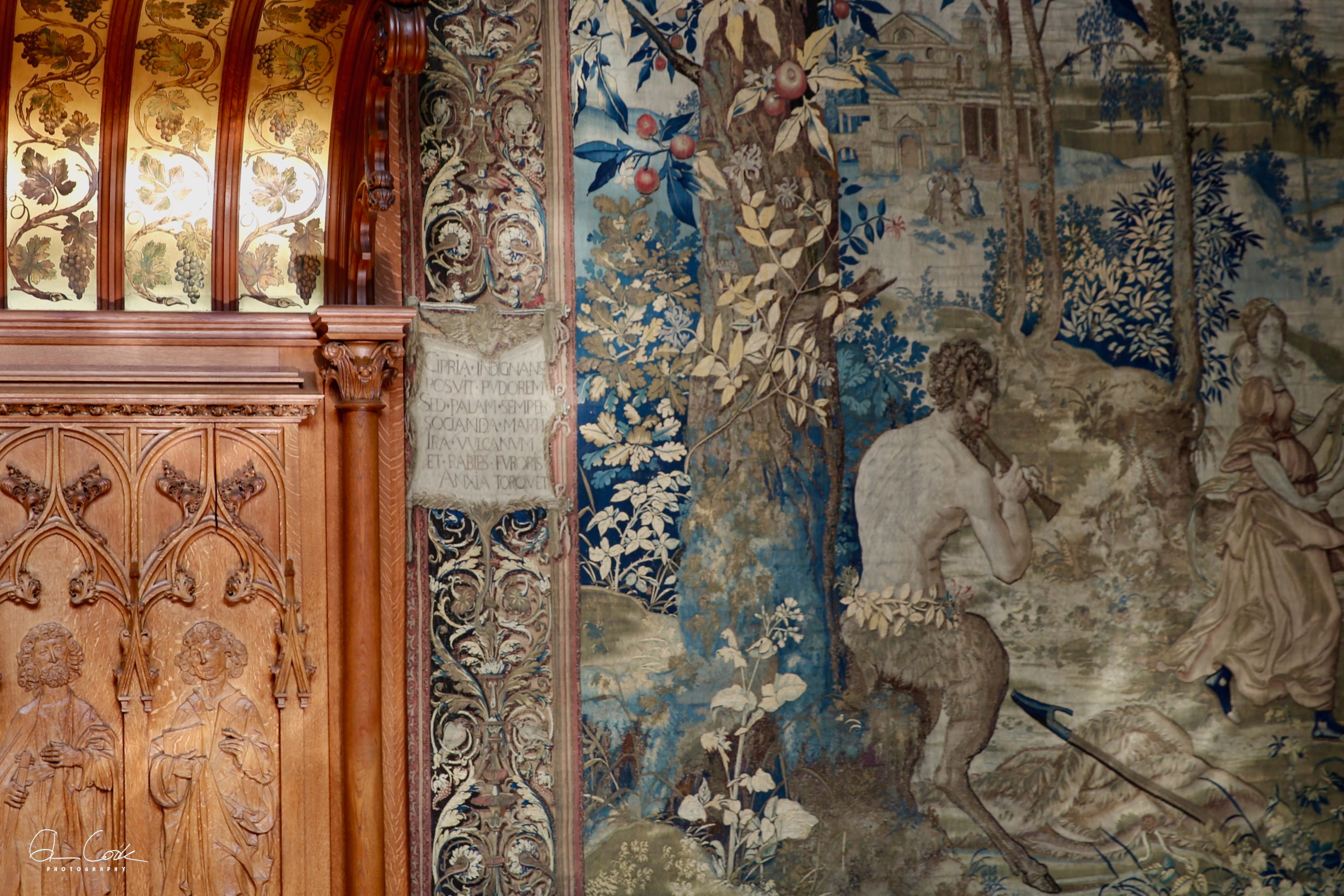
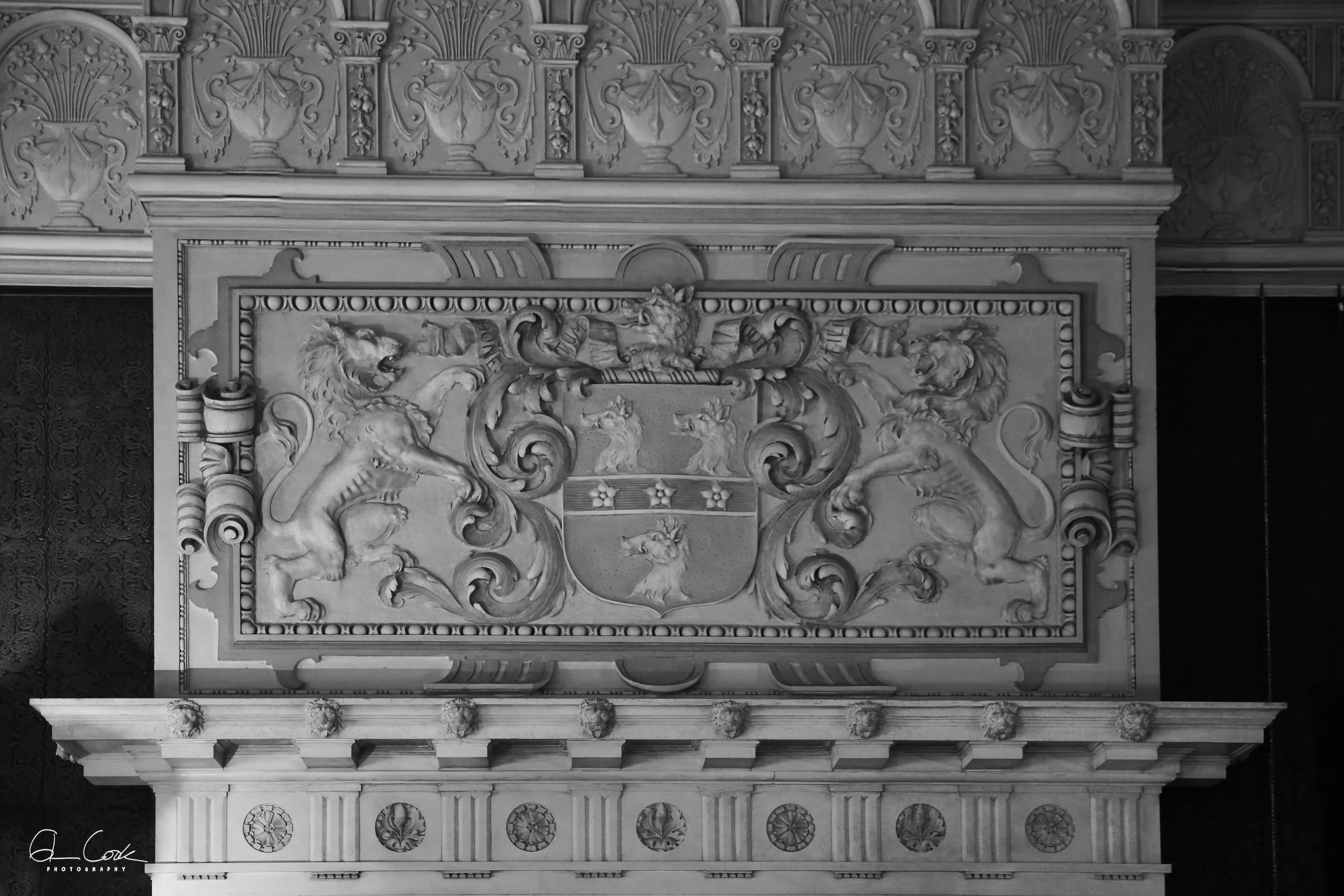
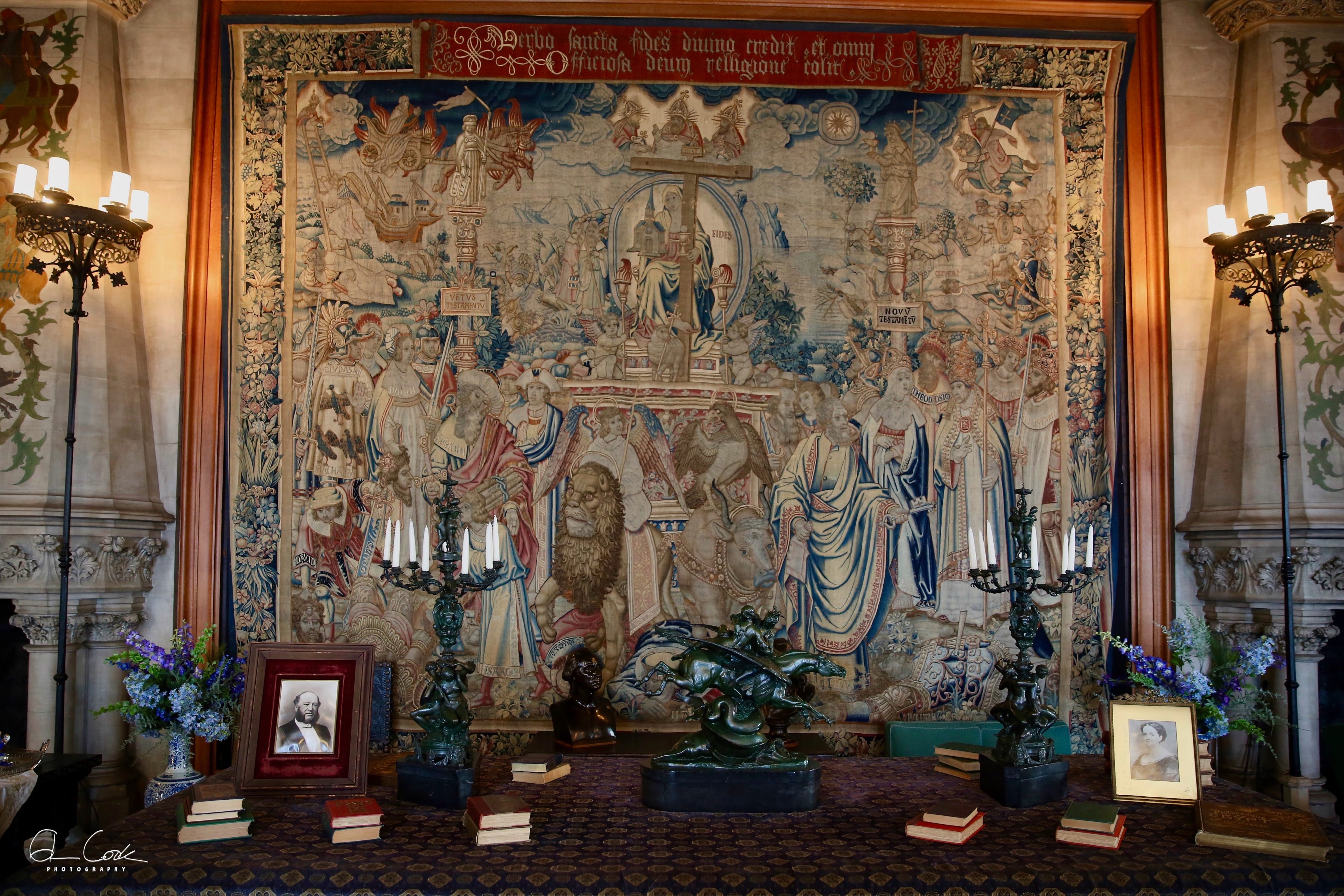
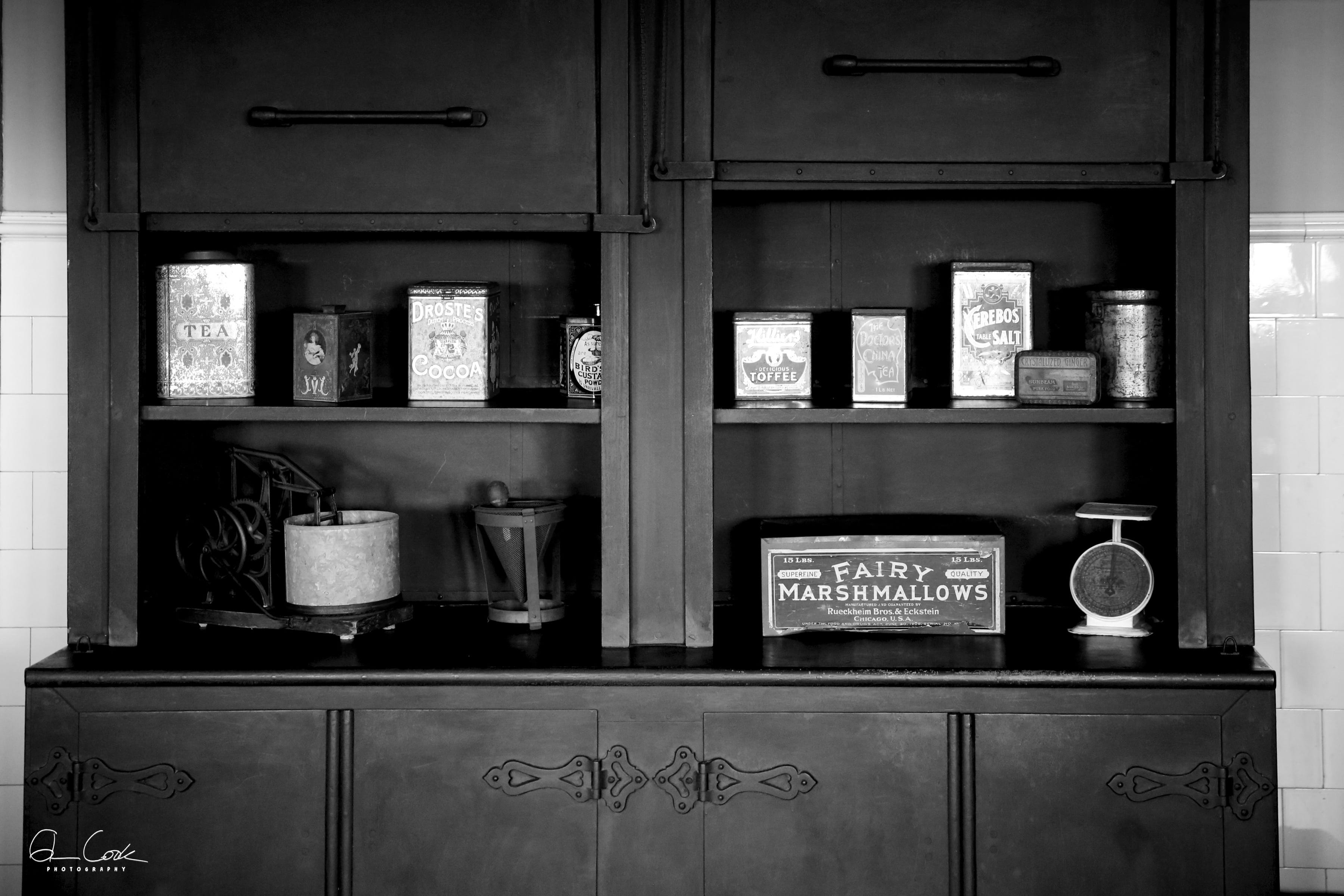
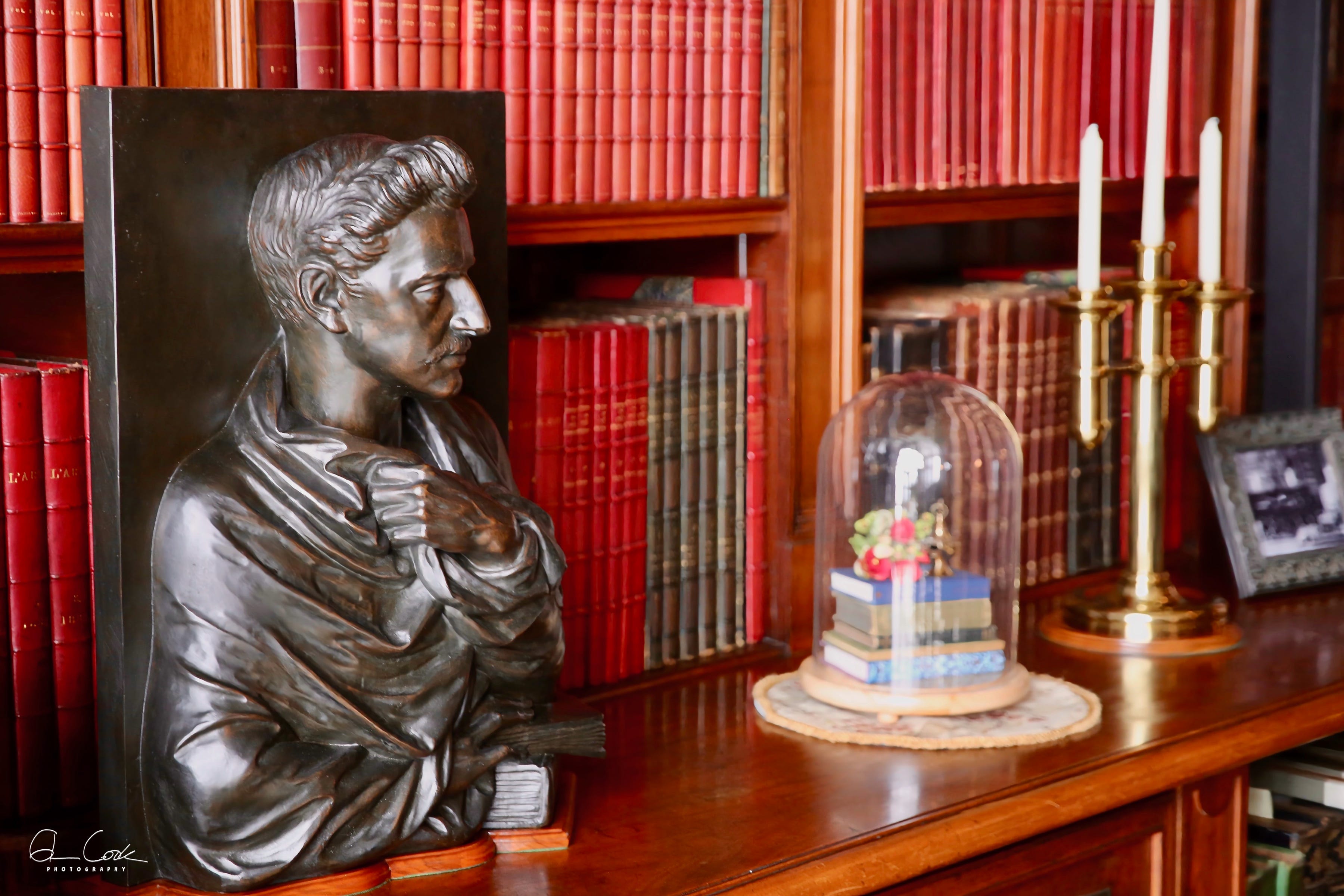
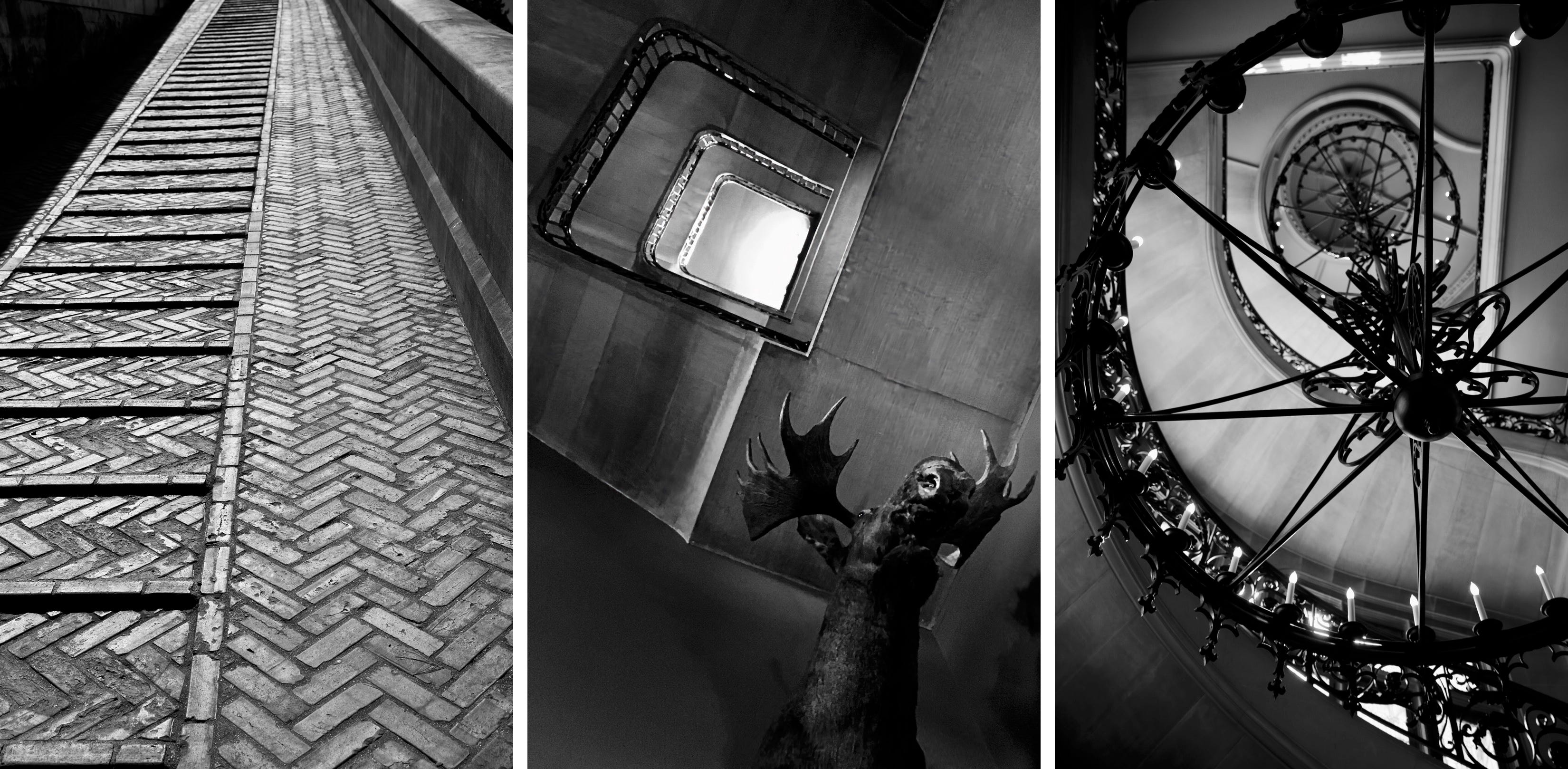
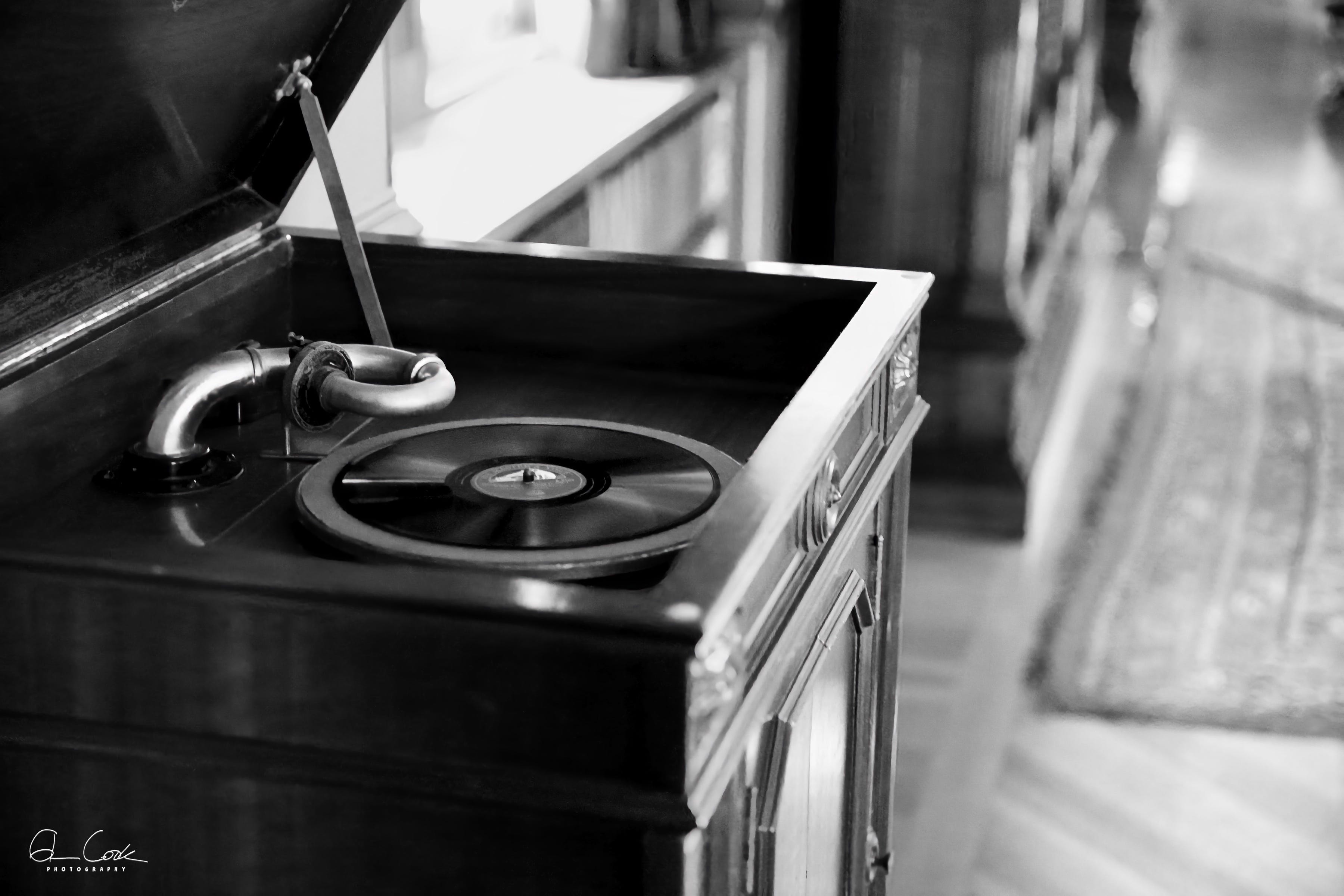
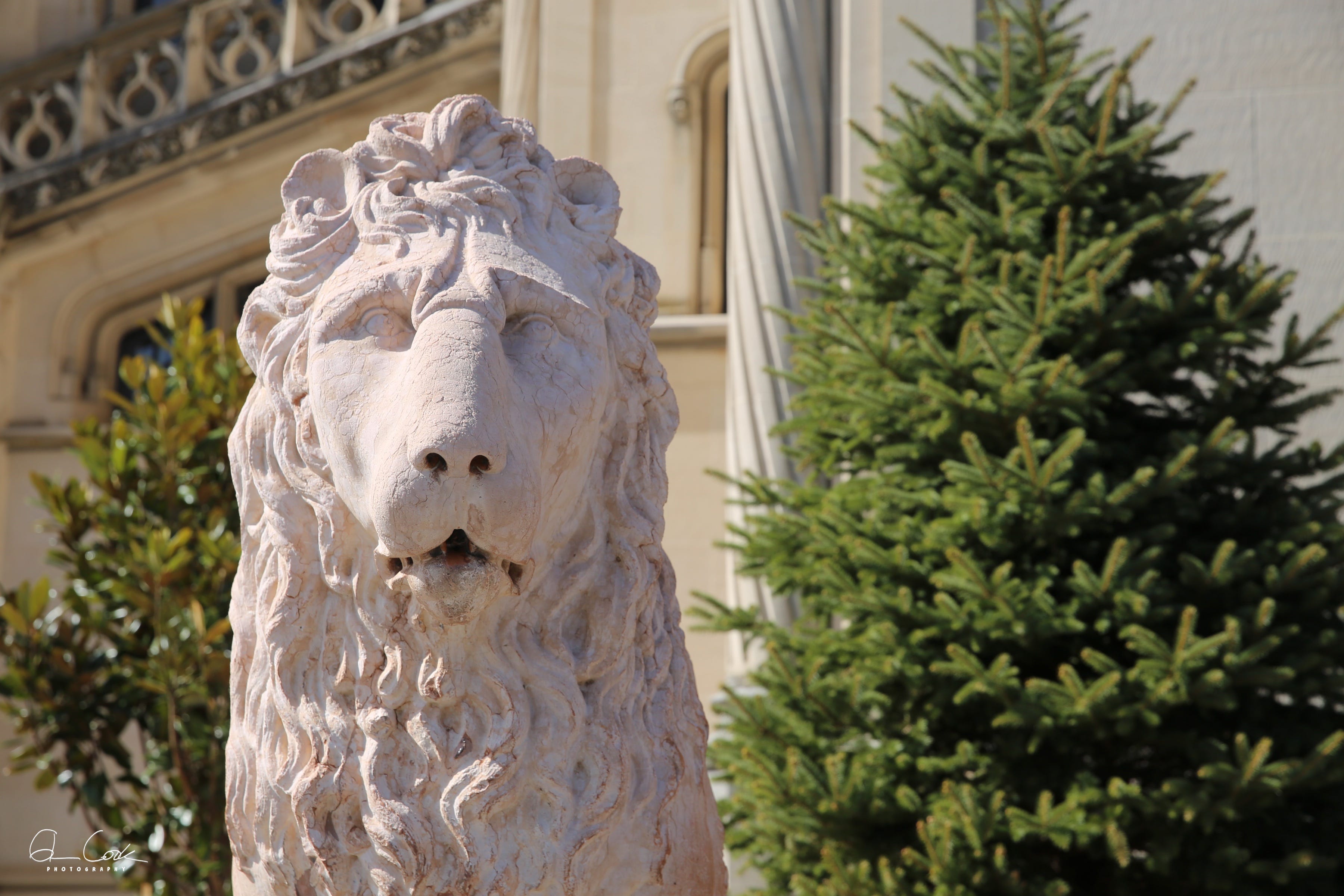
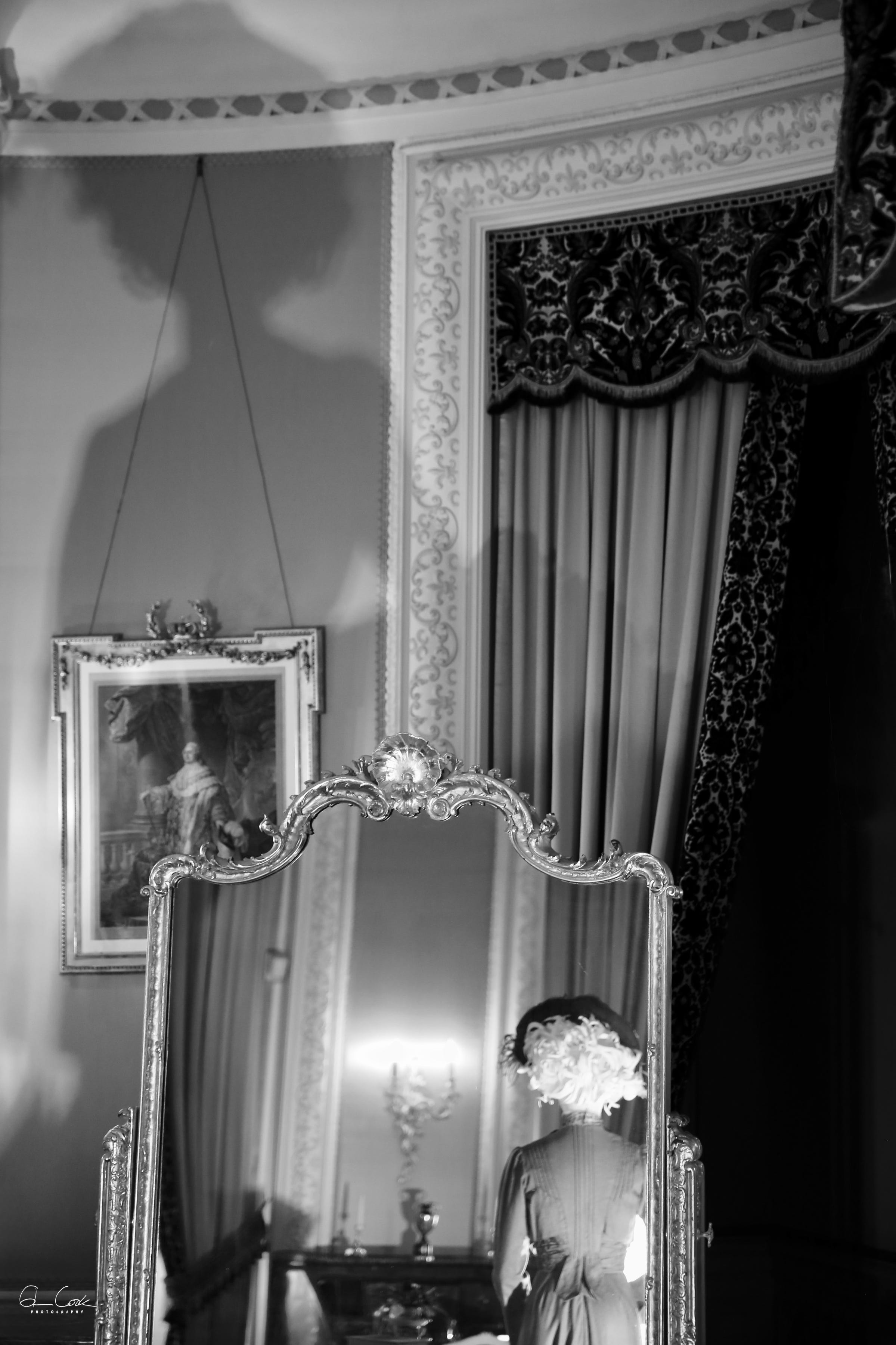
Here are more photos from our tour. In next week’s “Visual Story,” we’ll take a look at one of the oddest features of the Biltmore Estate — the Halloween Room.
If it were smaller, would it be the Biltless?
That's a magnificent building. Thanks for the tour. You've also made me want to rewatch Being There.