Conversations: Susan Derry
Actress, professor, writer talks about building an 'Unexpected' cabaret

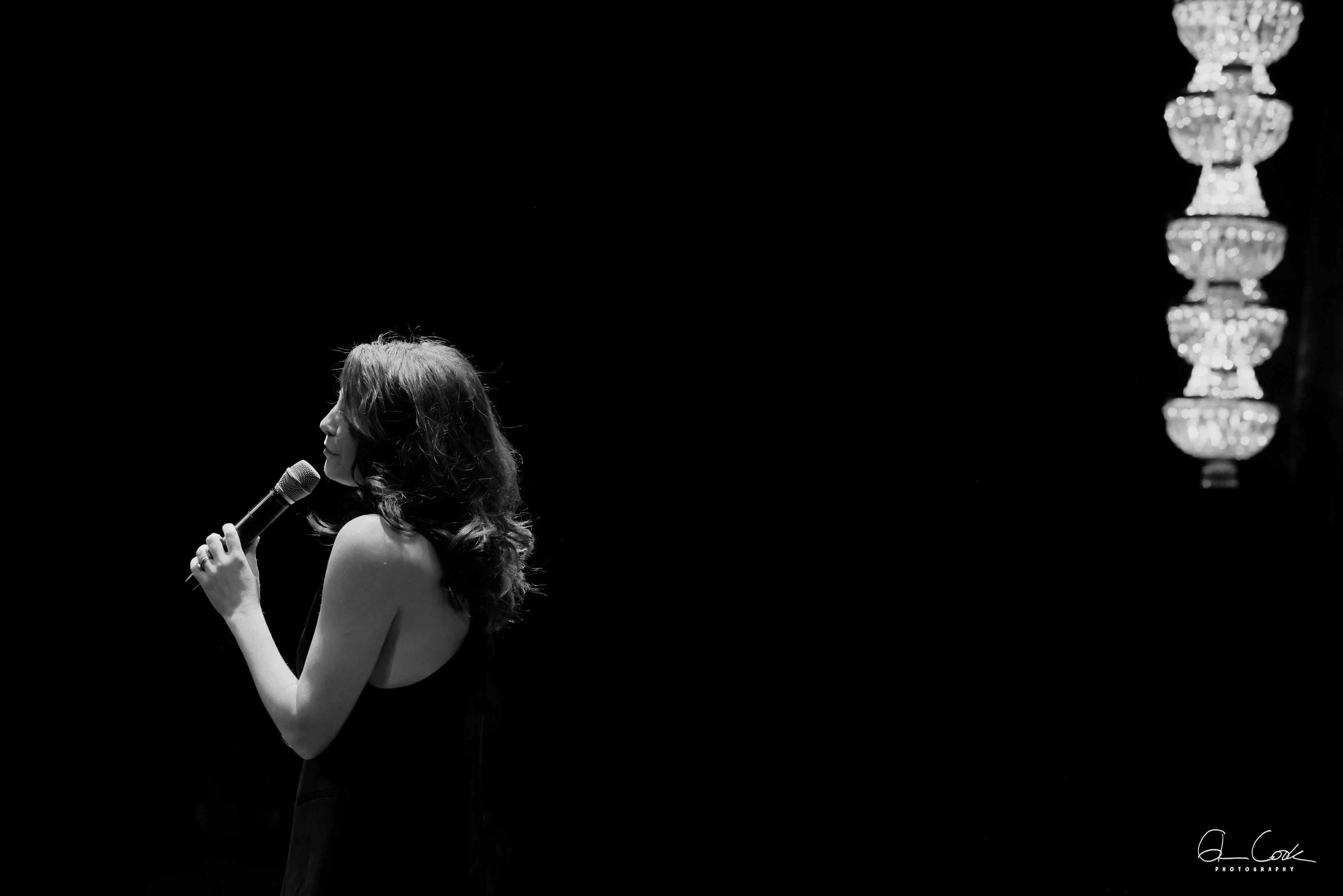
Susan Derry has encountered all the personal and professional ups and downs, bumps and bruises, twists and turns that seem inevitable for those who embark in careers on stage.
But Derry has persevered, building a career that has included roles on Broadway and across the Washington, D.C. region. She has performed in concerts with a number of our nation’s top symphonies and produced a series of acclaimed cabarets while also working as an adjunct professor at American University for more than a decade.
And 2026 shows no signs of slowing down. In March, she debuted a new cabaret, “Unexpected Songs,” as part of a year-long residency at Creative Cauldron Stage in Falls Church, Va., and worked with AU students and director Aaron Posner on a new adaptation of Shakespeare’s “The Two ‘Gentlemen’ of Verona.”
This month, she will play Marian the Librarian in a concert performance of “The Music Man” and the title role in a new musical based on the life of Emily Dickinson. And in May, she’ll attend the Helen Hayes Awards, where she is nominated for a leading actress in a musical award for “The Turn of the Screw,” which ran last fall at Creative Cauldron.
“For whatever reason, right now, there’s a lot of opportunity for me,” Derry said. “I’ve got a lot of balls in the air. “I don’t know why this is happening all at once, but it’s wonderful. I’ll take it.”
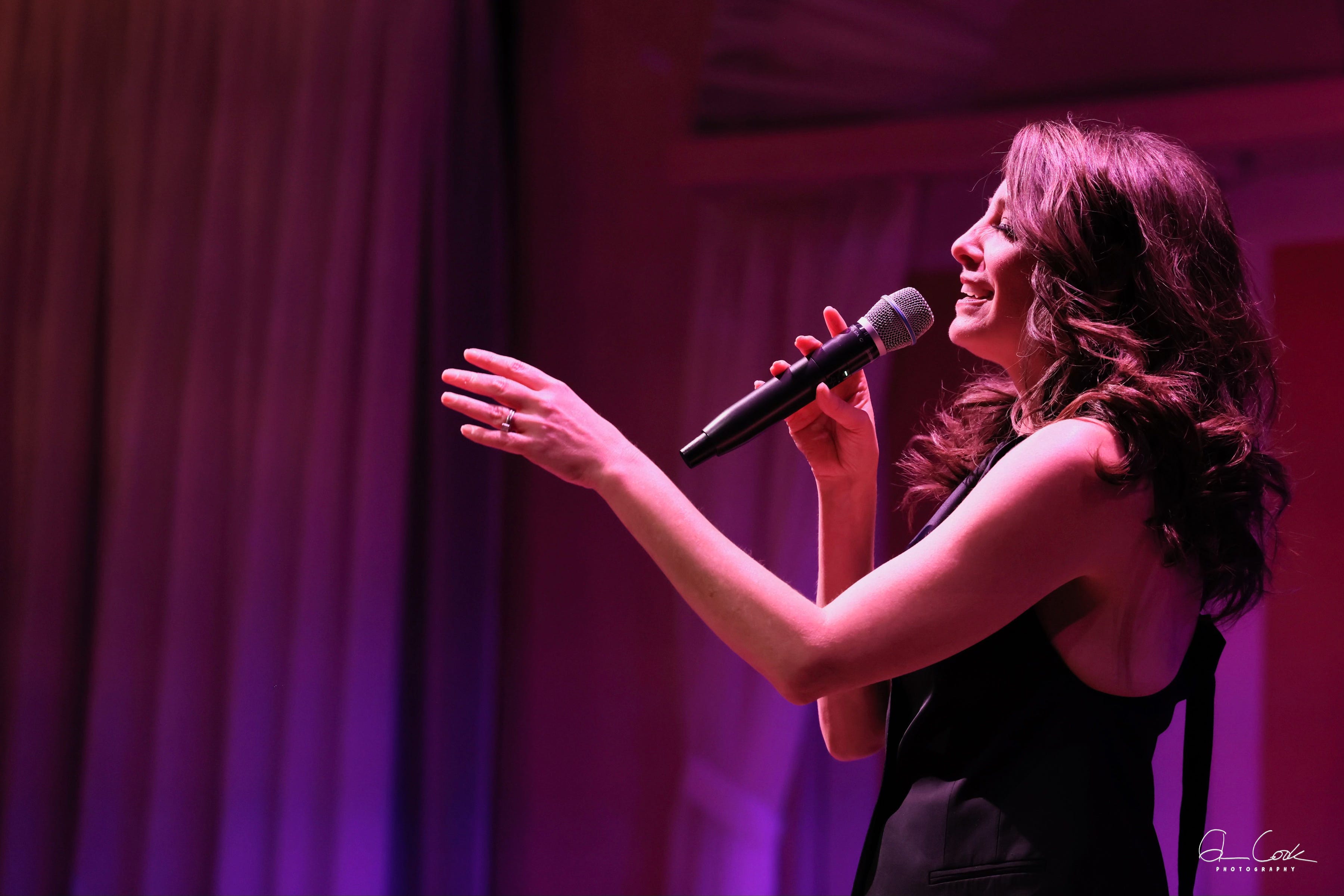
Reconnecting
Derry and I met in the spring of 2009, when my son Ben was cast as the understudy to Little Boy in “Ragtime” at the Kennedy Center. It was a heady time for both of us; my wife and I were raising four children, including one who lived in North Carolina and one who would soon move to New York — at 11 — to pursue the performer’s dream.
At the time, Derry was a single parent — her son is the same age as Ben and his twin, Emma — who had moved back to the D.C. area from New York when her marriage ended. She was in the ensemble and understudying the principal role of Mother but opted not to return to New York when the show was revived on Broadway that fall.
Over the years, we remained in touch via social media, and more recently on Substack, where Derry writes the excellent “Raising the Key” about the highs and lows of spending a life on stage. Last month, we reconnected in person when she hired me to shoot “Unexpected Songs.”
Afterward, I asked if we could sit down for a conversation about her journey. The following has been condensed and lightly edited for clarity and length.
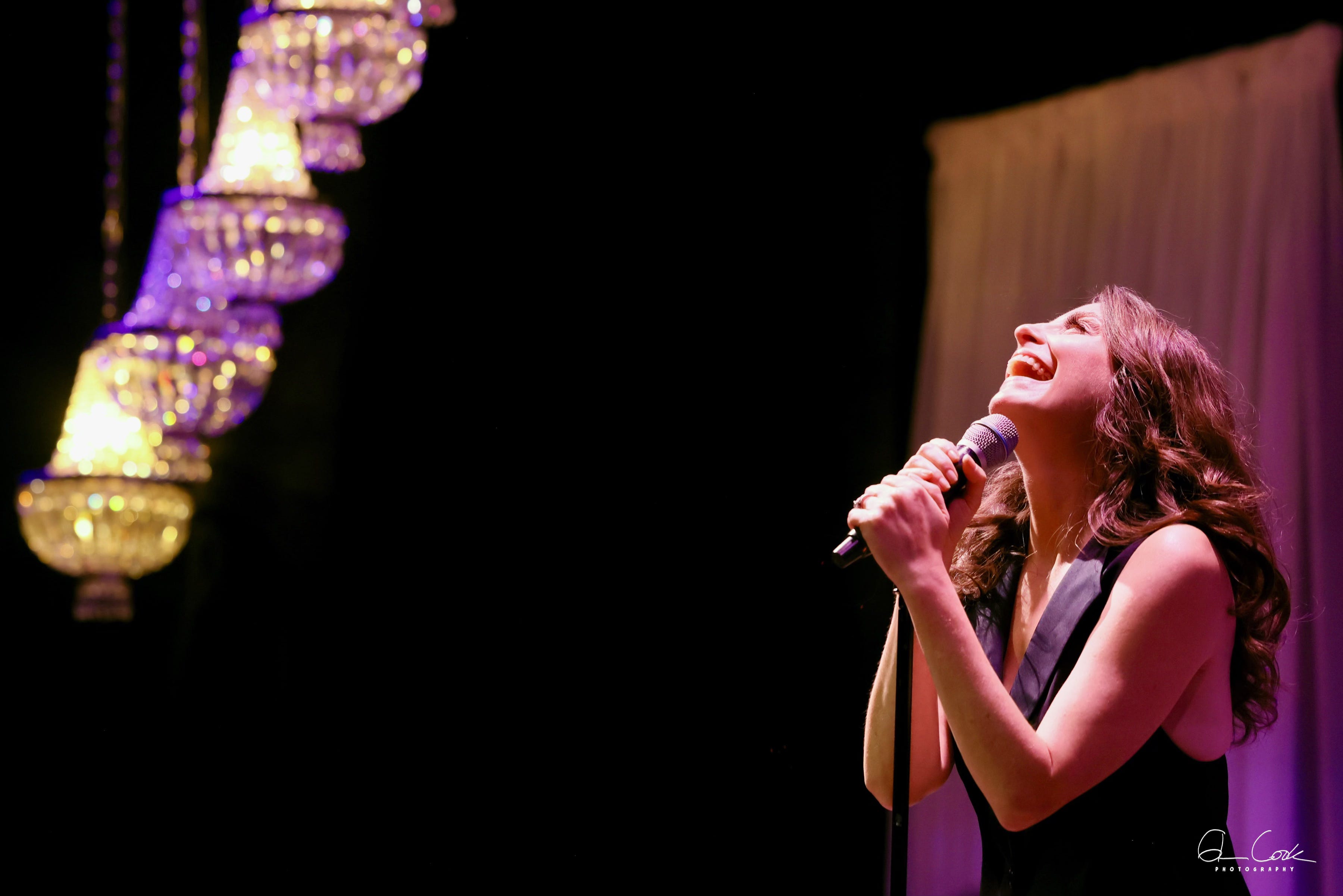
What led to this residency?
Last year, I was a cabaret fellow at the Eugene O’Neill Theater Center. It was the most intense, amazing, crazy two weeks of getting into this art form, and seeing what this would really look like on us as individuals, and I felt really good about it. When it was over, I wanted to do something else with it.
The Creative Cauldron Stage does a cabaret series at Christmas. I’ve done it a few times, and it’s fun. And because of that relationship, I took a chance and asked if they were interested in creating something more for the art form in the D.C. area.
I’ve done a number of cabarets in my later career. A couple of groups in the D.C. area (the National Capital Cabaret and the D.C.Cabaret Network) present original work and they’re great. But there’s no place that does educating for this (creating a cabaret) for this specifically. Because I’m an educator, I thought we could combine it into something that can really uplift the form for interested folks around town, so we’re running with it.
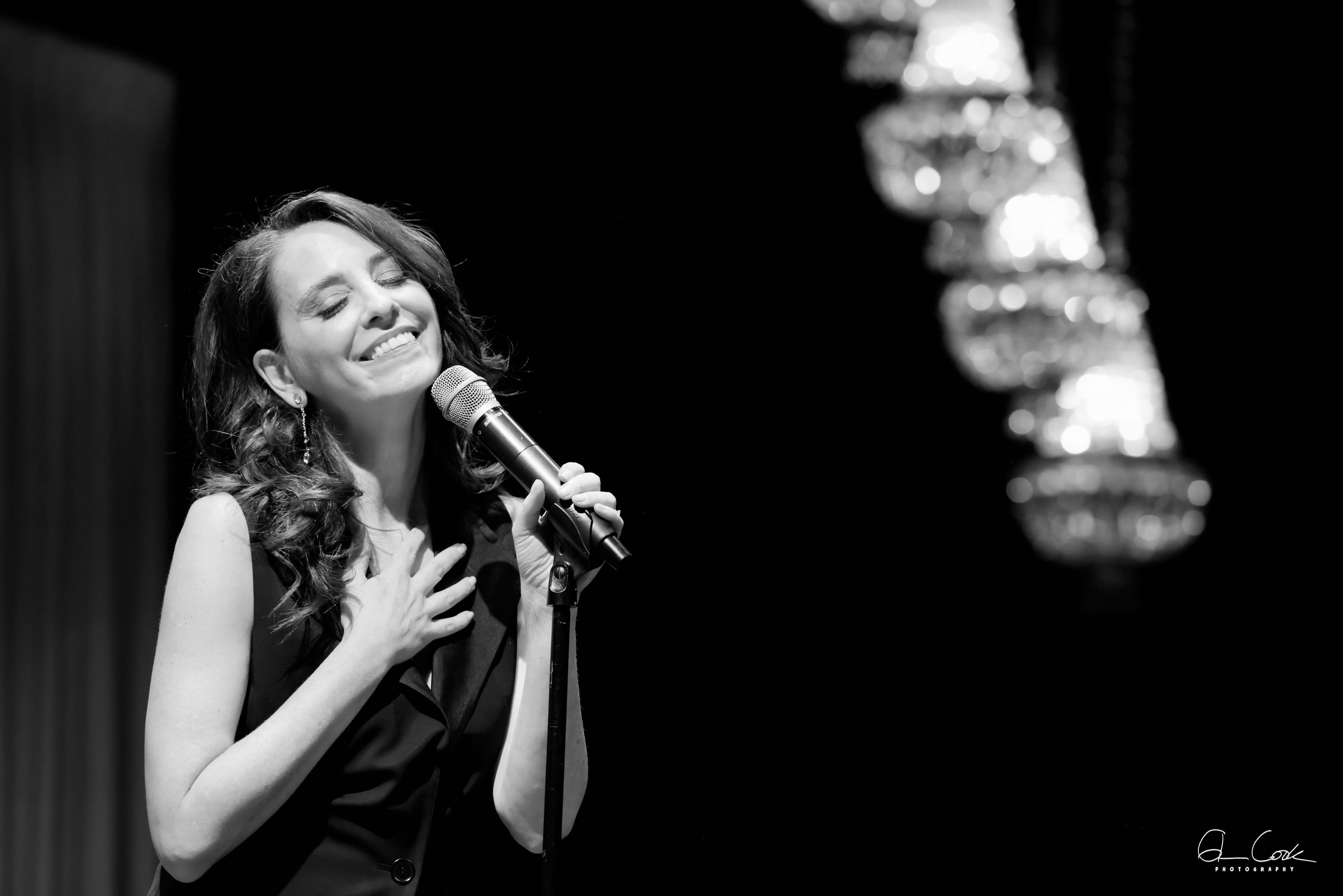
You’ve described “Unexpected Songs” as a show that focuses on “the beautifully imperfect middle of our lives.”
I have lots of stuff in my little bag of cabaret tricks, but they’re fun and funny and they’re a little more showy. Now, because I have this safe space, I really wanted to try something a bit riskier. So, this show looks at some of the more intense moments of being a human that have happened to me and the music that resonates and brings those moments to life.
Without giving way too much, there is some big stuff I wasn’t sure I would ever be able to talk about, but I wanted to. Musically, it’s stuff I’ve wanted to try in public, because I’m a trained classical and theater singer. I’ve always been the soprano with the high notes in the back row. That was my job, I loved it, and it was great, but that’s not the only thing I can do.
At the same time, I’m not Pink. I’m not going to try to be Taylor Swift. Nobody’s interested in that and neither am I. My job with this show is to bring my voice to these songs in a way that is interesting and entertaining, and yes, a little unexpected.
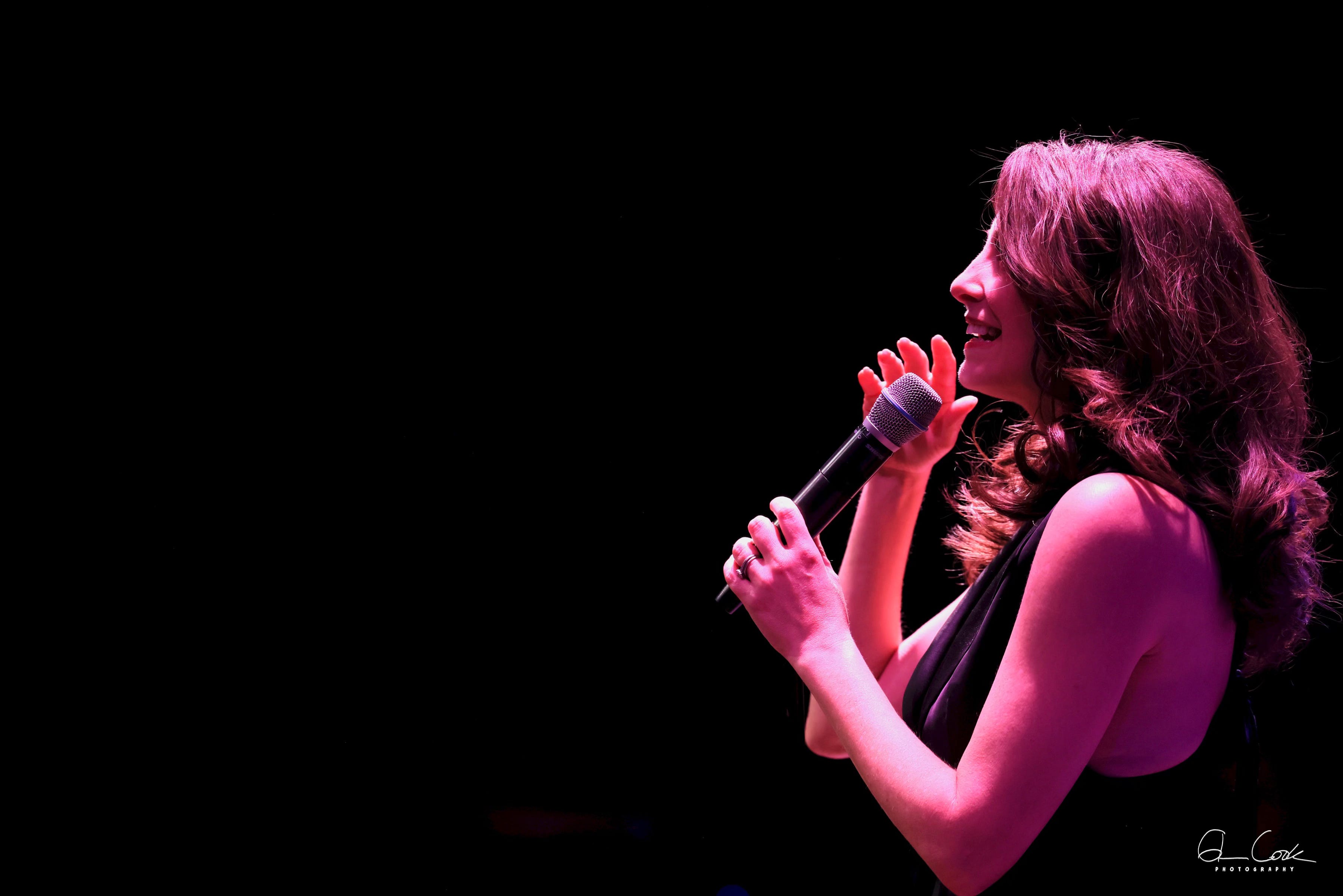
How do you assemble a cabaret?
Everyone has their process. I collect lists of songs, throw them all in a bin and move them around periodically. I was a little chicken to do only music that I had never done previously, so I had a couple of songs where I decided to do a Golden Age piece, or a musical theater song. The hits in my world. And then I tried to combine it with songs that you wouldn’t necessarily find from me in a cabaret setting.
There are a lot of ways to look at the word “unexpected.” Performing pop or rock songs is not what you would expect from me, a person who has played Christine in “Phantom.”
I think my favorite atypical song was your take on “Still Crazy After All These Years.”
I love that song so much. That is one my dad had. I don’t know which album it was on first, but my dad had it on the “The Best of Paul Simon.” I can still see the cover of the LP, and I remember as a child looking at the big record cover and just pouring over it. On Friday nights, my father would put it on, get a martini, and say, “The friends are coming over.” And so the bridge club would come over and this is the music that would be on.
I always wanted to try that song. It just speaks to me and reminds me of that time. And one of the things I love about this cabaret is that it does look back.
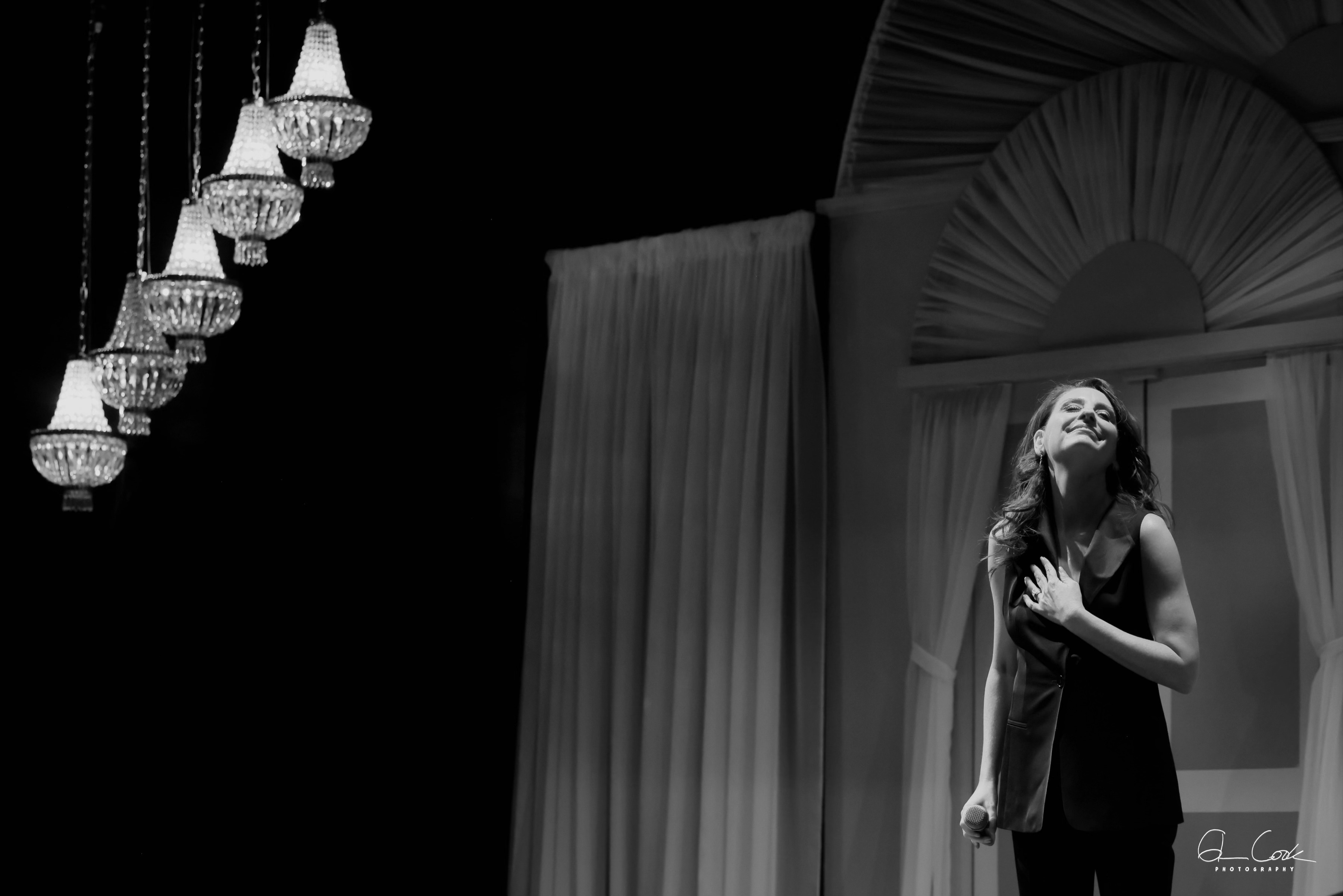
What did you find when looking back?
The cumulative things that make us who we are right now. We’re not who we are without those moments. I hear regret from people sometimes when we talk about what’s happened in the past, and I don’t want to feel that. I don’t want to feel bad about my choices.
Things happen. They make us who we are. It was terrifying being a young mom and becoming a single mother. I was not good at it, but I gave my all to it. Of course there are times, and I think this is true for all parents, where we have interactions with our kids that we wish we’d handled differently. We’re not human if we think otherwise. I think to minimize it, or to either pretend something didn’t happen, or to wish it away isn’t honest. Yet, I see some people living with a lot of regret and denial at the same time.
When I talk to parents and their kids about pursuing this business, I tell them the ability to deal with the ambiguity of the unknown and the unexpected will be the difference between whether they stick with it or whether they don’t.
That’s right. Because it tests our mettle. It really does. It’s so nice when things make sense. We love to predict what’s going to happen, but we just can’t.
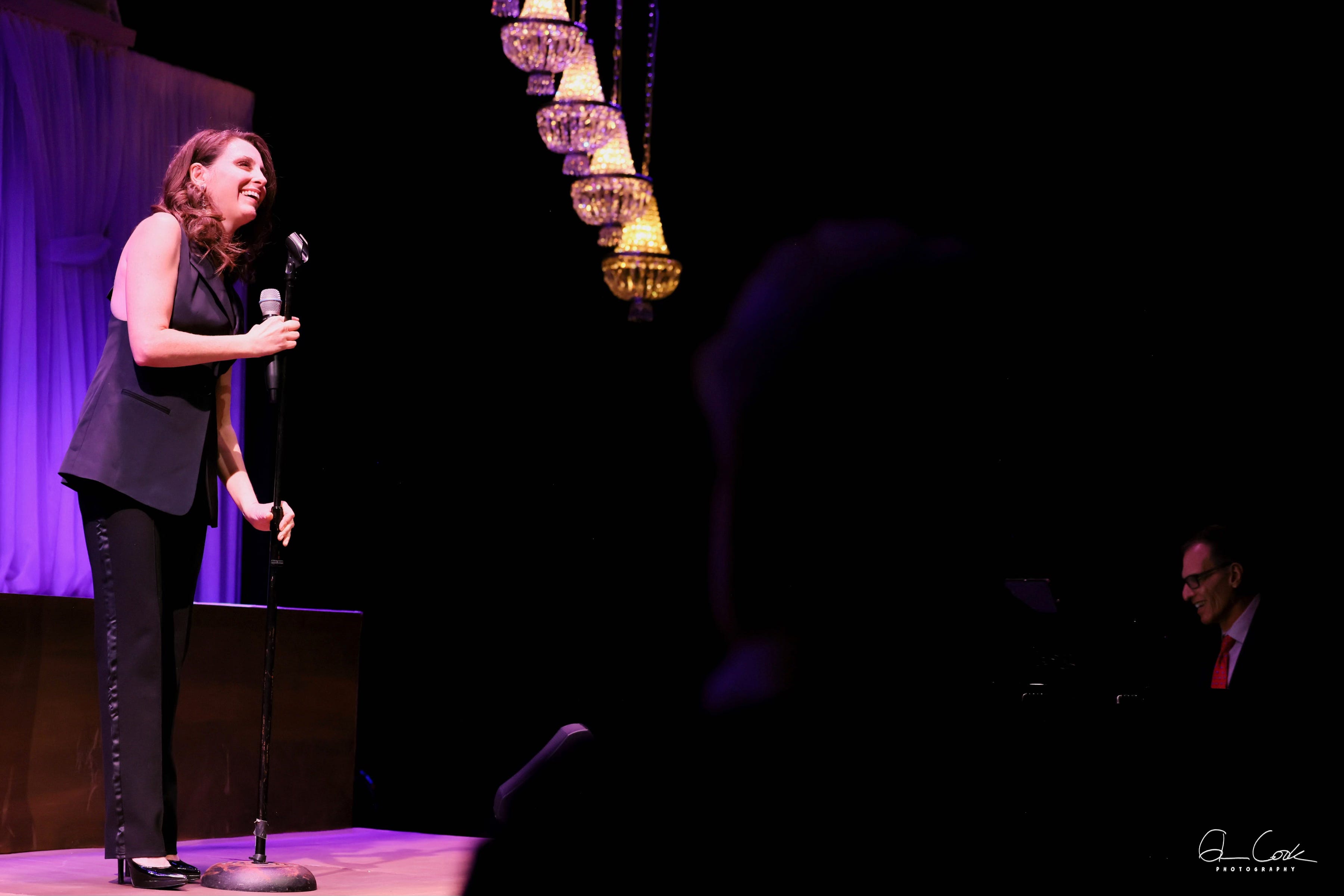
As a writer, I’m interested in how you developed the narrative around the “Unexpected” theme.
Learning to embrace the unexpected and trying to be open to things not going quite the way you think they’re going to is hard, I think, for humans to learn. You can be a 5-year-old saying, “I am going to dance. I’m going to become a prima ballerina. I’m going to be on Broadway by the time I’m 12.” Or, in my case, “I’m going to grow up and be just like Maria Callas.” That was something I truly thought.
At the same time, I was also being brought up in a pretty traditional home, with a huge Irish Catholic family on one side and an Italian Catholic family on the right. I wanted my own family, I wanted a husband, and I wanted babies, and In my naivete and hubris perhaps, I was pretty sure I could have it all. I thought, “I can figure this out. I grew up in Rockville, Maryland. This is not a problem.”
And your career takes you in places that you would not expect at all. I’ve gotten to be part of some pretty out there, wild, exciting productions and things that people say, “Oh, you were in that?” Yes. Was I the most important cog in that wheel? No, but I was in that wheel, and it was deeply, deeply satisfying.
It got me to where I am right now, and I wouldn’t change anything. At the same time, I wanted that thing, that path or whatever I thought that path would be. But unexpected things happen.
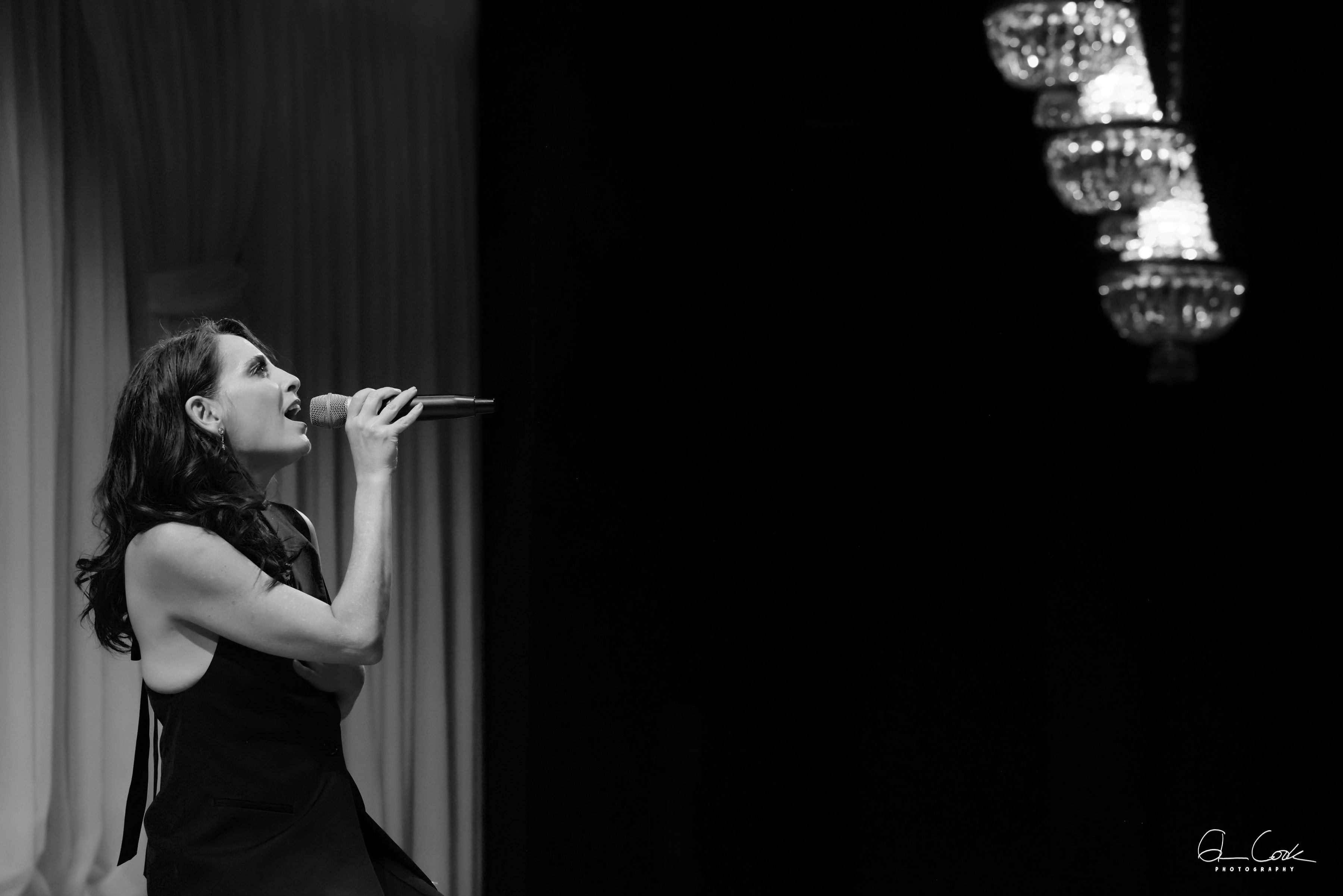
Life has a way of throwing a lot of curveballs.
And it should. Otherwise, it’s not life.
I like to say you spend the first 40 years of your life focusing on nothing but looking ahead, then the rearview mirror starts creeping into your line of sight.
That’s so accurate.
Were your parents artistic?
No. My dad was a lawyer. My mom was, at first, a mom, and when she came to Washington she worked on Capitol Hill and then taught for a little while. Then she had a family and raised three small children. She had a lot going on.
Now I look back at her and think of her with so much empathy for the mom she was. It was so different for them, raising children in the 1970s and 80s, than it was for their parents. I think you can probably say this about all the generations, but I think there were expectations of roles and who did what.
Raising a family in the D.C. area comes with expectations. Lake Wobegon level achievement is considered mediocre.
I like your reference. Living here puts pressure on parents, regardless of the generation. They tried to be chill about it all, but I think it was hard. It was hard not knowing what to do with me. My mom ended up spending a lot of time driving me to things. Ballet class, play rehearsal, piano lessons, choir, whatever it was. Bless her.
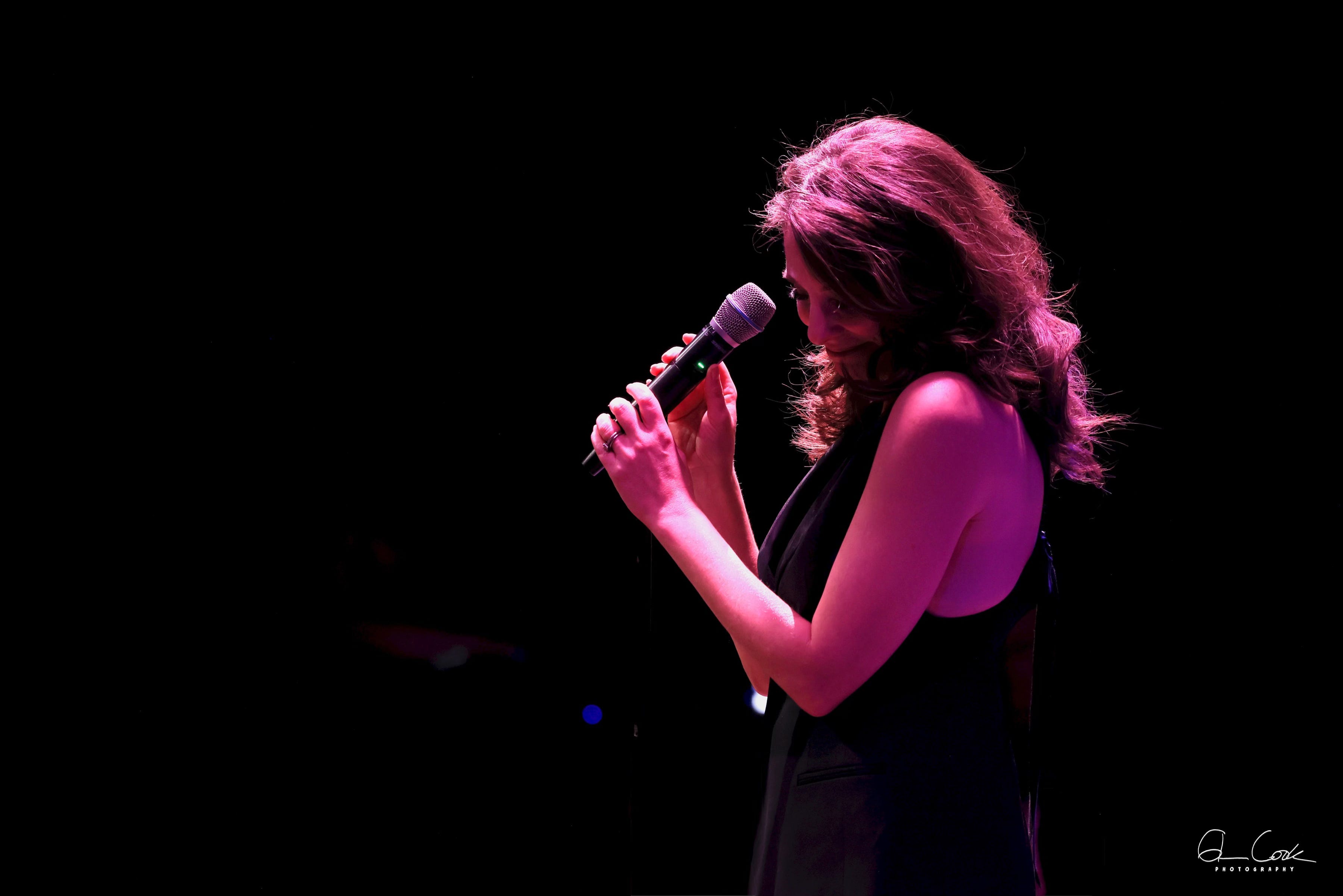
Your father passed away a couple of years ago, and you’ve written eloquently about his effect on your life on your Substack. Was he involved in your career?
My dad took an active interest to the point of redoing his own understanding of the arts and music. He ended up getting a subscription to the National Opera at the Kennedy Center. He took me to my first opera at Wolf Trap when I was 12. He would get my CDs that interested me and listen and listen.
This is when I was really into classical music, and I was getting ready to audition for colleges and all that stuff. And we would drive around going to things, and he got me a cassette tape of Kiri Te Kanawa singing Gershwin. It is a delightful album, an opera singer singing these really smart songs, smart lyrics, interesting lyrics, and my dad is singing along.
The guy was tone deaf, but we sang in the church choir together. He was in the tenor section, and the choir conductor, bless him, would say, “Peter, Peter” and shake his head. We had a lot of fun.
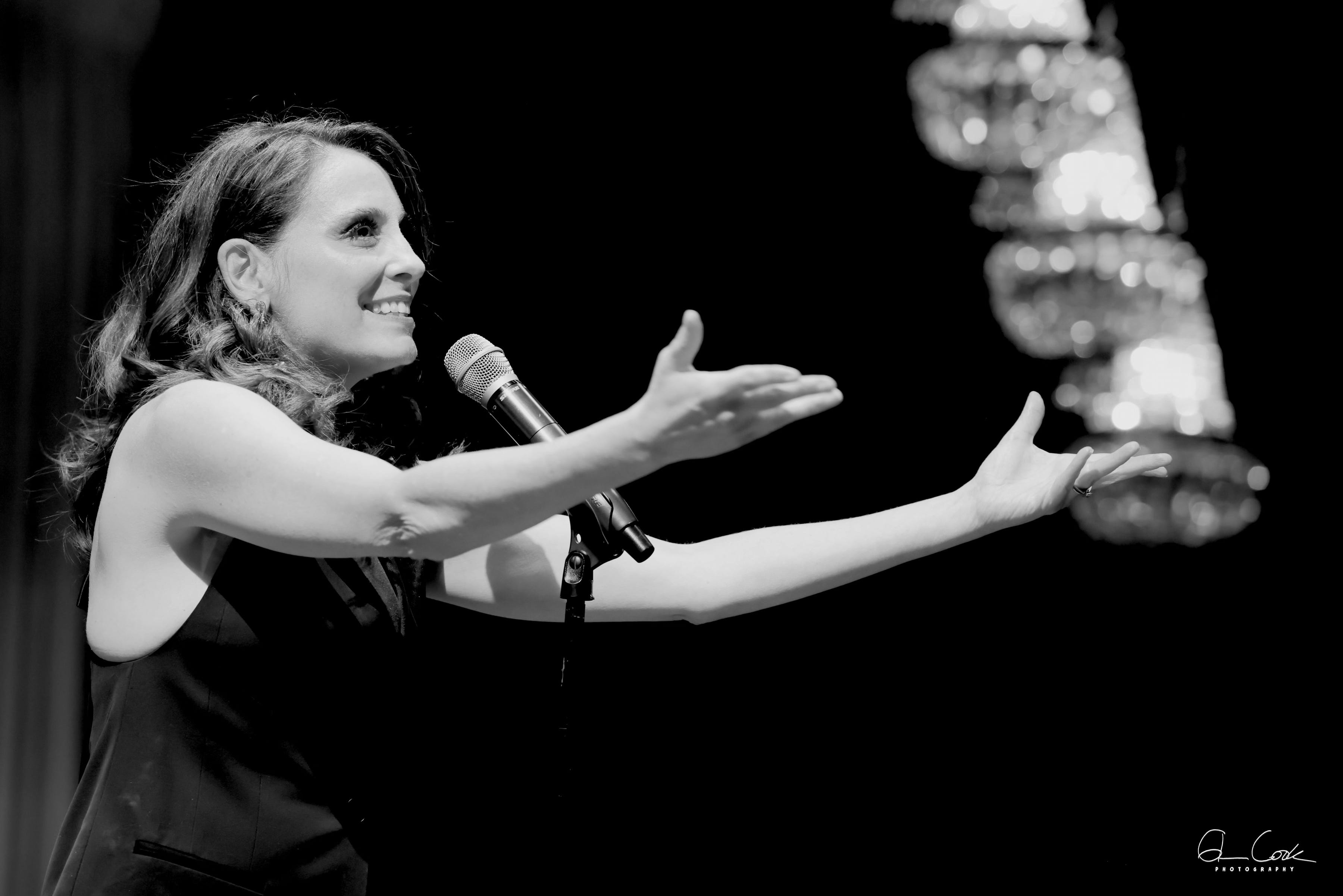
Speaking of curveballs, did you expect that university professor would be something you’d have on your resume?
I remember so distinctly my mother wanting me to double major in music education with my voice degree, and me saying, “I don’t want to do that. I don’t want to do that.” At the time, she was saying, “Well, you just don’t know if it’s going to work out,” which is what a mom’s job is. But I was resentful of that idea instead of saying, “My mother is just trying to take care of me.” I didn’t have enough knowledge, enough prefrontal cortex development to understand that so I kept resisting and resisting.
In 2007-08, my son’s father and I had split, and I needed to figure something out. I needed to make money, so I spent one more year in New York City after the split and then moved home. And then I ended up booking “Ragtime” at the Kennedy Center, and I got asked to transfer with it, and all of a sudden Broadway was calling. I was like, “I just got here with this very vulnerable 10-year-old boy who needs me.”
I’m not saying this to tell you I made some sort of honorable choice, but it just wasn’t the right time. To be a single parent, doing that Broadway schedule eight shows a week, along with understudy rehearsals and four shows on the weekends, without the co-parent in town and not co-parenting, just wouldn’t have worked.
I had already pulled on the thread of friends helping me out earlier when I was on a tour with “Bernstein’s Mass.” And I was so grateful to them because they were so gracious. They helped me raise this kid. They were so generous, but I couldn’t do it again. And that’s OK.
So I moved home, taught private voice lessons, and married my current husband, and in 2014, a friend said he had recommended me for an adjunct professor’s position at American University. I was like, “I don’t think so,” and my husband said, “Do it.”
Ultimately I did, and it’s been great. It’s been fascinating.
And your mother was thrilled you were finally teaching.
Laughs. So happy.
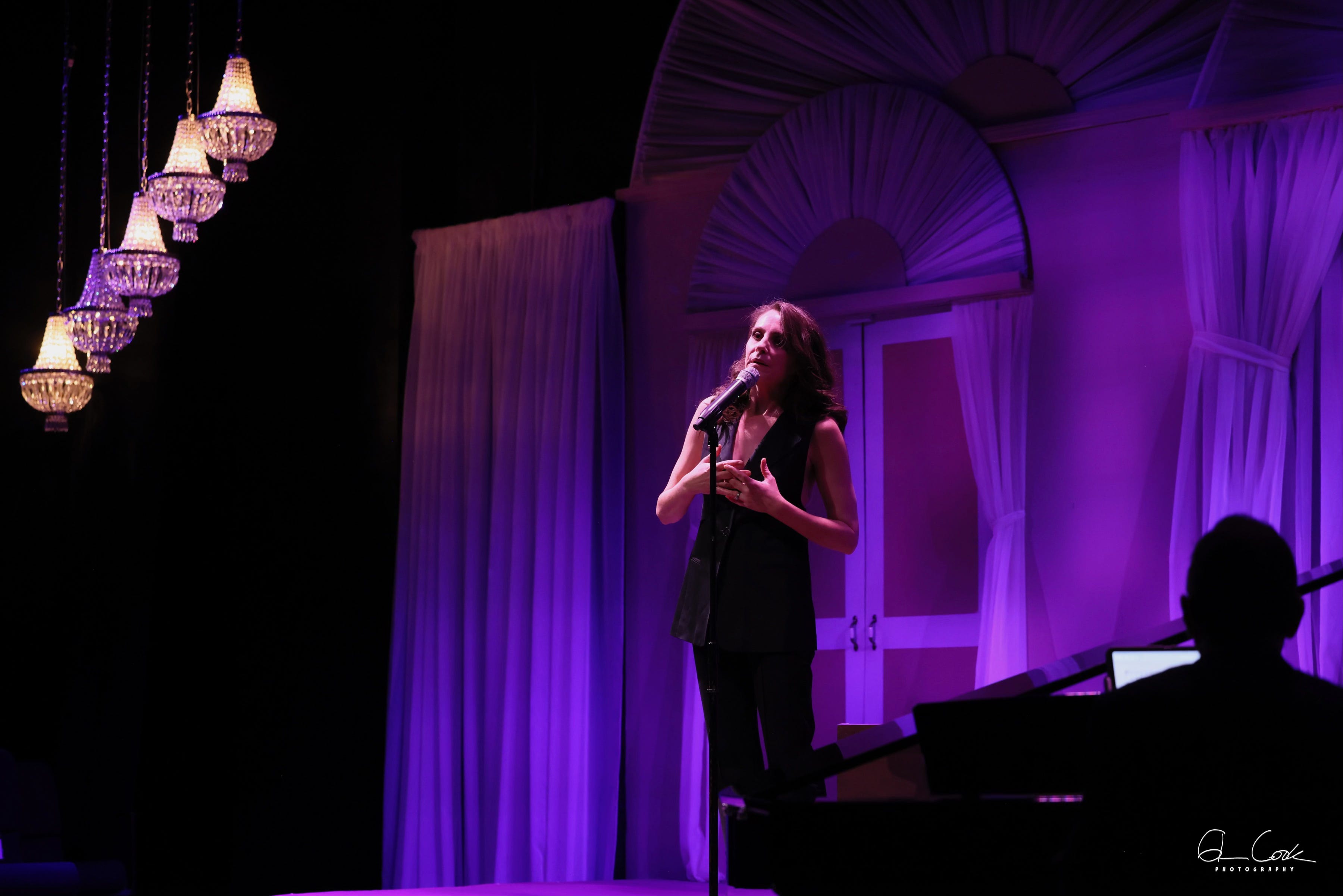
How does teaching influence your singing and writing?
They’re all intertwined. Teaching in a university, you can be a skilled professor or an unskilled one. I’ve learned a lot about how to teach. Sometimes there are instances when your patience needs to outweigh what you’re trying to accomplish. You have to know when to push and when not to push.
I have to become a better singer because I’m a teacher, and I have to convey it in a way that gets results because I’m responsible for these young voices. I think back a lot about my teachers, and I pull from what worked and what didn’t. Then I think, “If I were my students and I was doing this, how would this feel? How can I get them to break it down and really understand it so they can make faster progress than I did’”
So that helps me understand my own singing. Writing helps me understand my point of view on the world. And certainly, being on stage helps inform the teaching. It also helps being in a scripted play to inform the more freewheeling cabaret stuff because you know you have to have a structure to be successful.
That’s how those intersect, but really what I need is an assistant. I think everybody should have an assistant.
Well, you can have an AI assistant.
Oh, come on. Laughs. No. Run away. Run away.
Excellent article, Glenn. Thank you so much!