This is the second in a series looking back at a short trip to Detroit in the summer of 2015. Like most of my “Visual Stories,” it is too long to be carried in most email browsers. If that’s the case, view it on a web browser or on the Substack app.
At the time of my visit, the city was struggling mightily to regain its footing, having lost almost 25 percent of its population in the previous decade, thanks largely to massive job losses in the automotive industry, ongoing racial tensions, and financial mismanagement. More than 70,000 buildings and 30,000 houses were left abandoned. Even though I had only two days, I wanted to shoot as many of these places as possible.
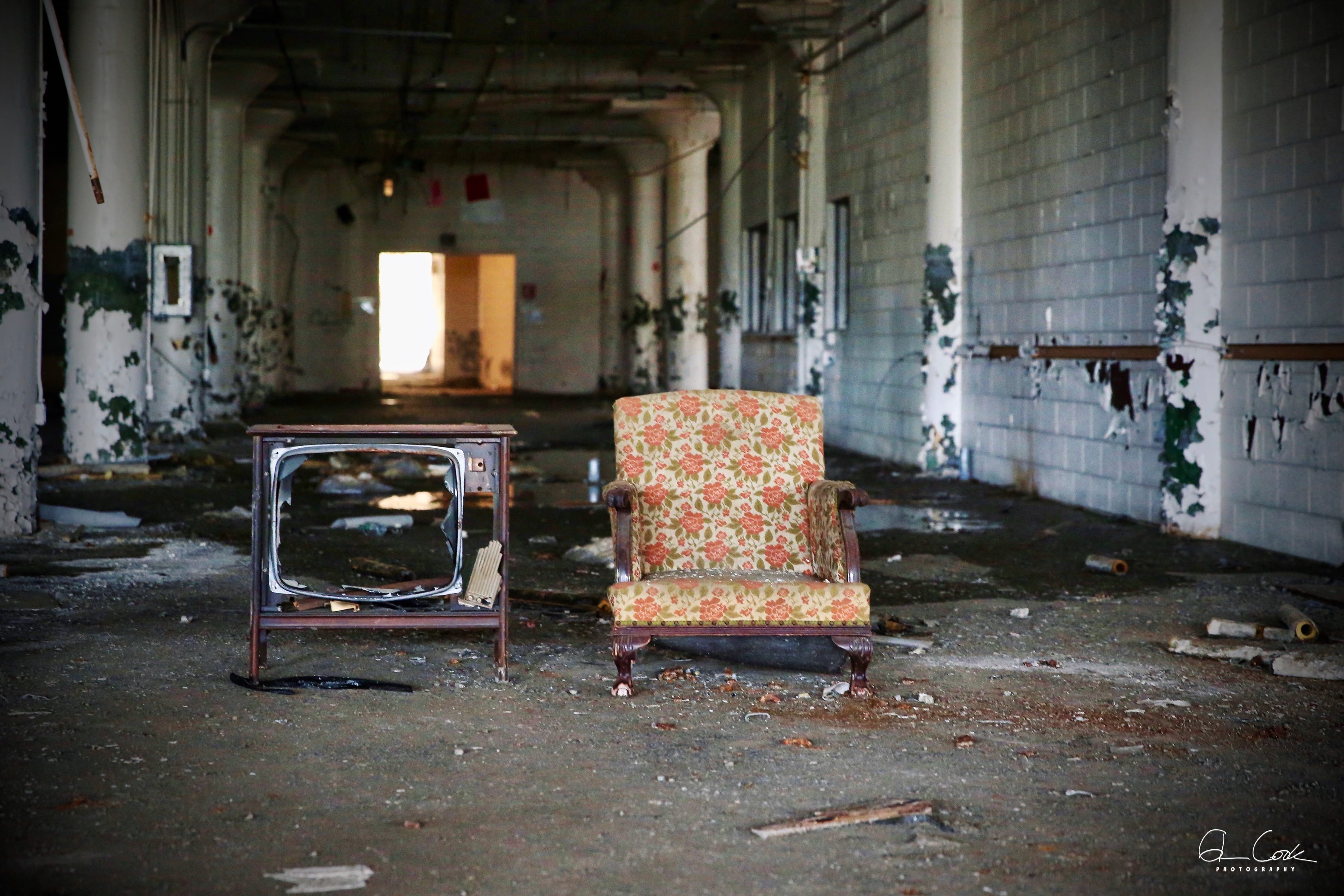
With my wife scheduled to be at an all-day conference, I had a chance to do something I’d long wanted: Tour abandoned buildings with a group of other photographers.
There are two reasons: First is safety in numbers, and at the time Detroit was one of the most violent cities in the U.S. Second, to make the most of my time, I needed a guide who knew where to go.
Jesse Welter, then with Motor City Photography Workshops, was more than happy to oblige. He served as our guide to four locations: The former Packard Plant, the St. Stanislaus R.C. Parish, the John C. Gray library/St. Christopher’s House, and the Southwest Detroit Hospital. All were symbols of Detroit’s decline and decay.
I had hoped to go inside the Michigan Central Station, but Welter explained that it had security and numerous no trespassing signs. Tours were not discouraged; they simply weren’t allowed without police arriving to take you to jail, he said.
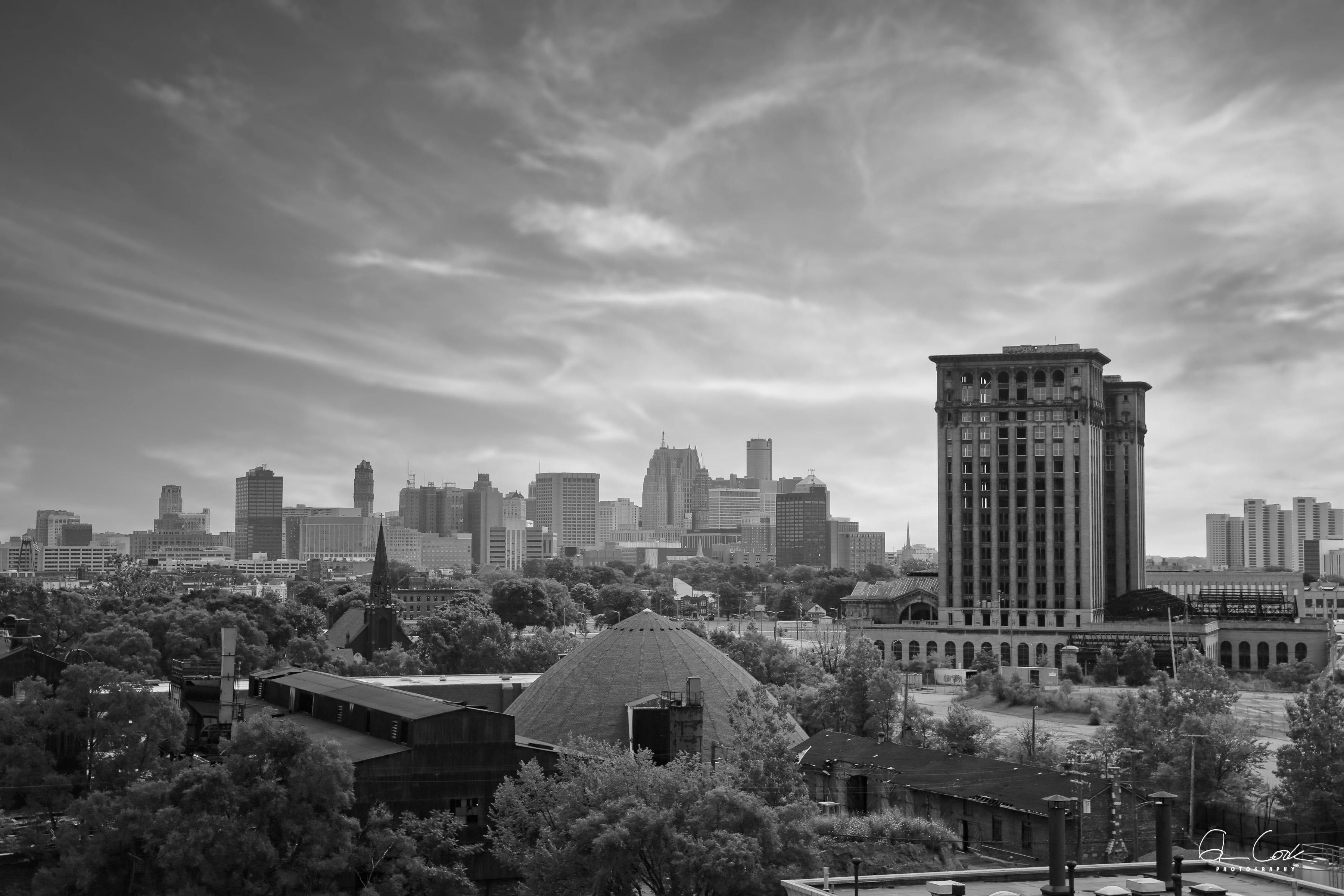
The Packard Plant
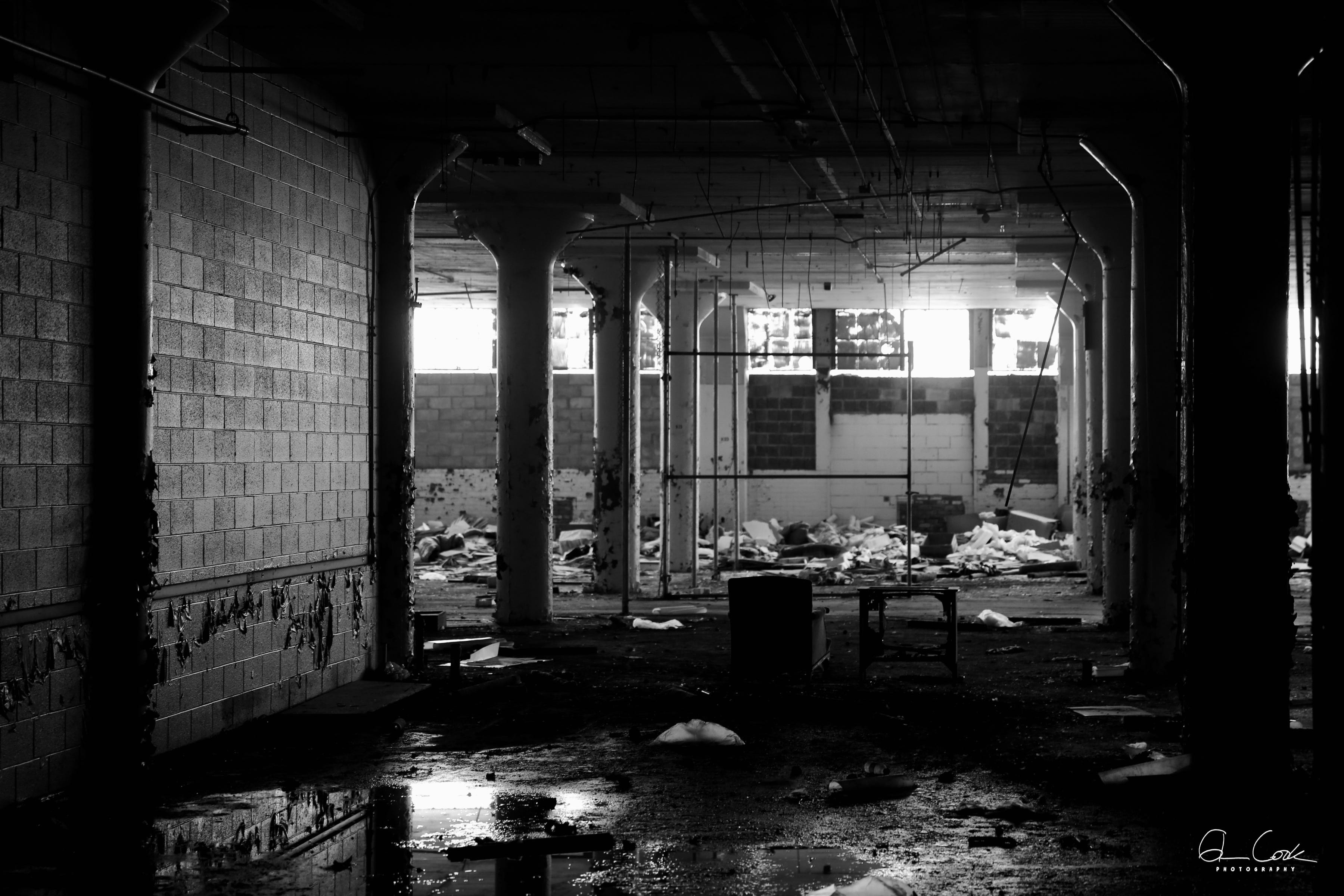
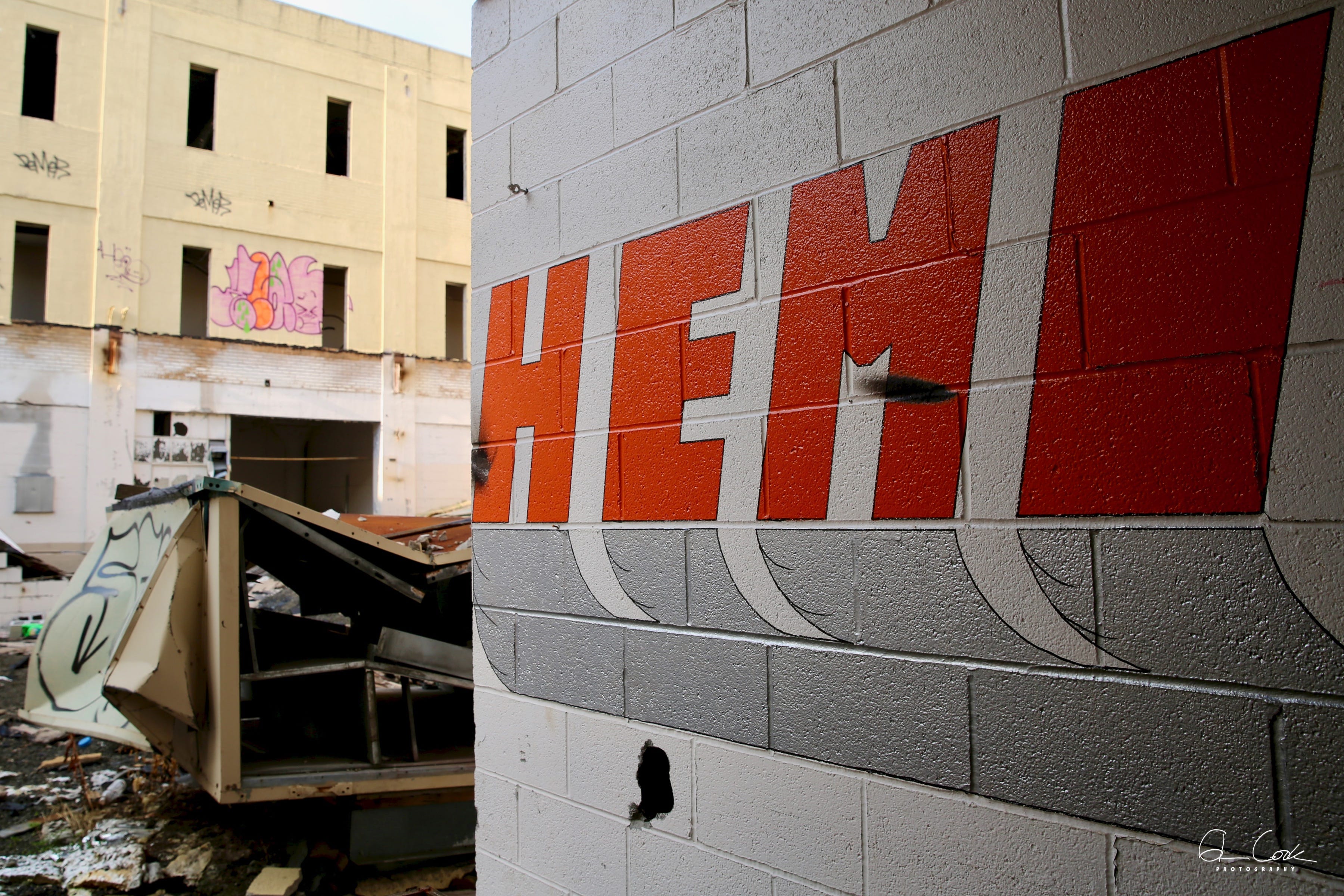
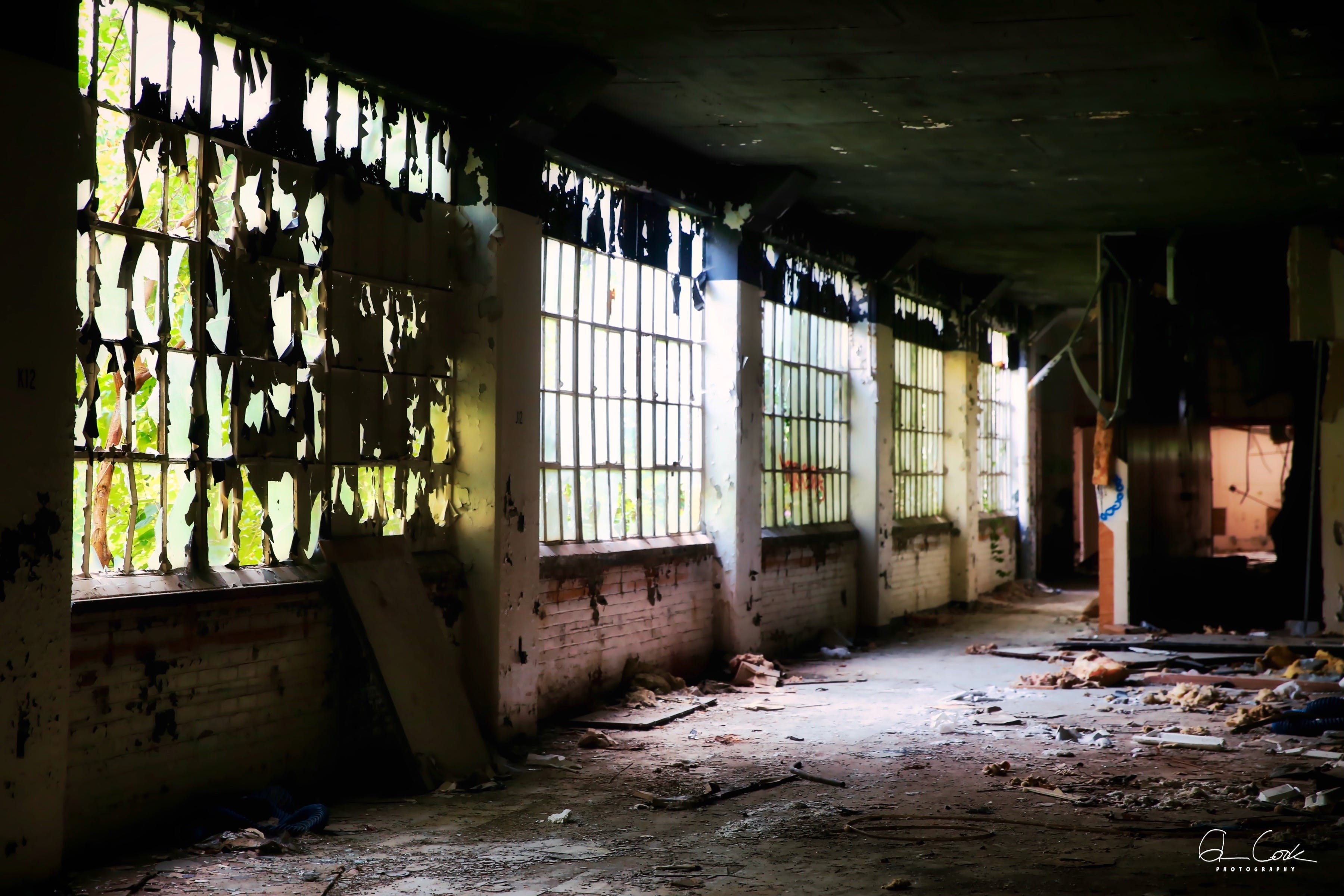
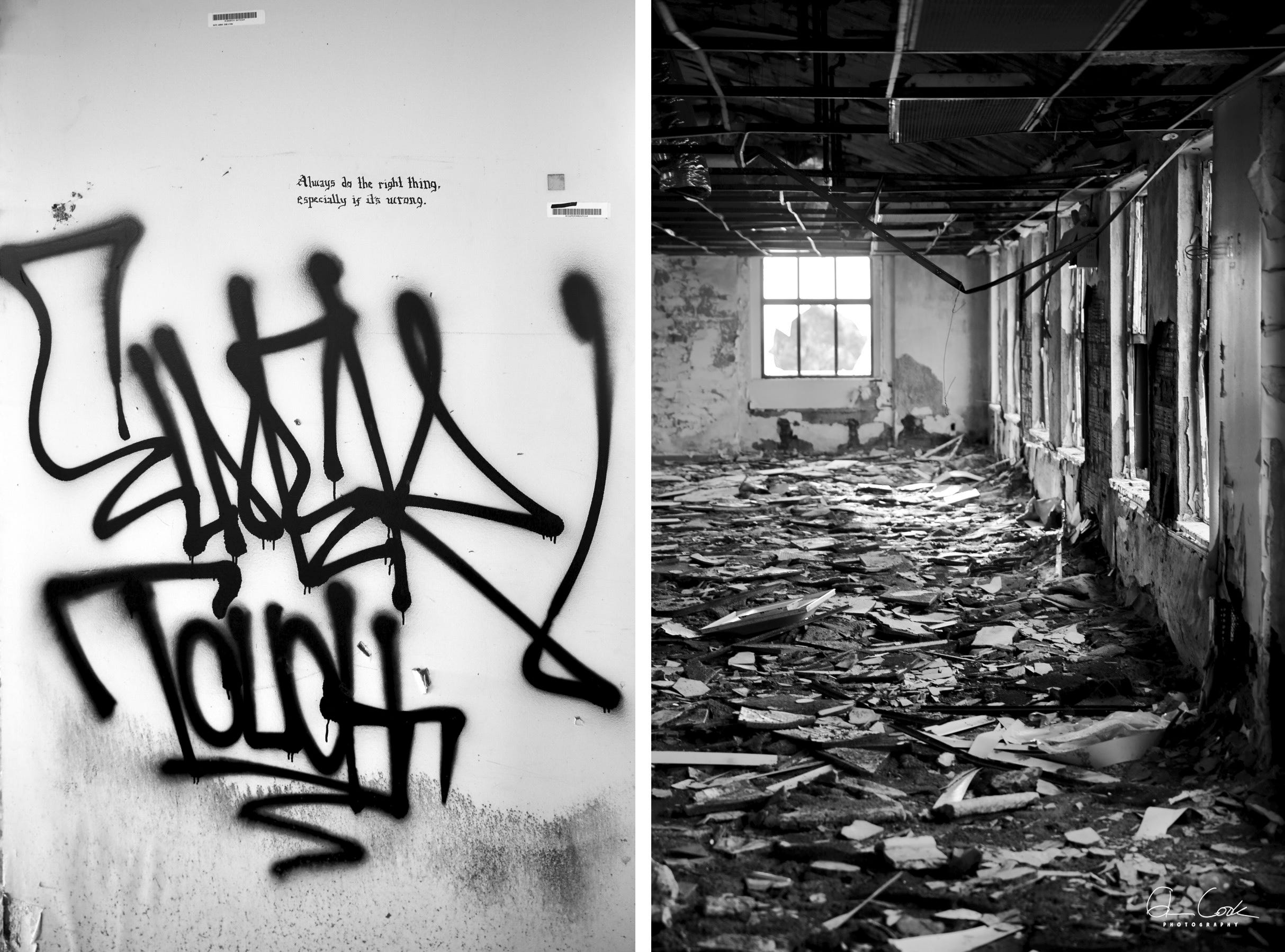
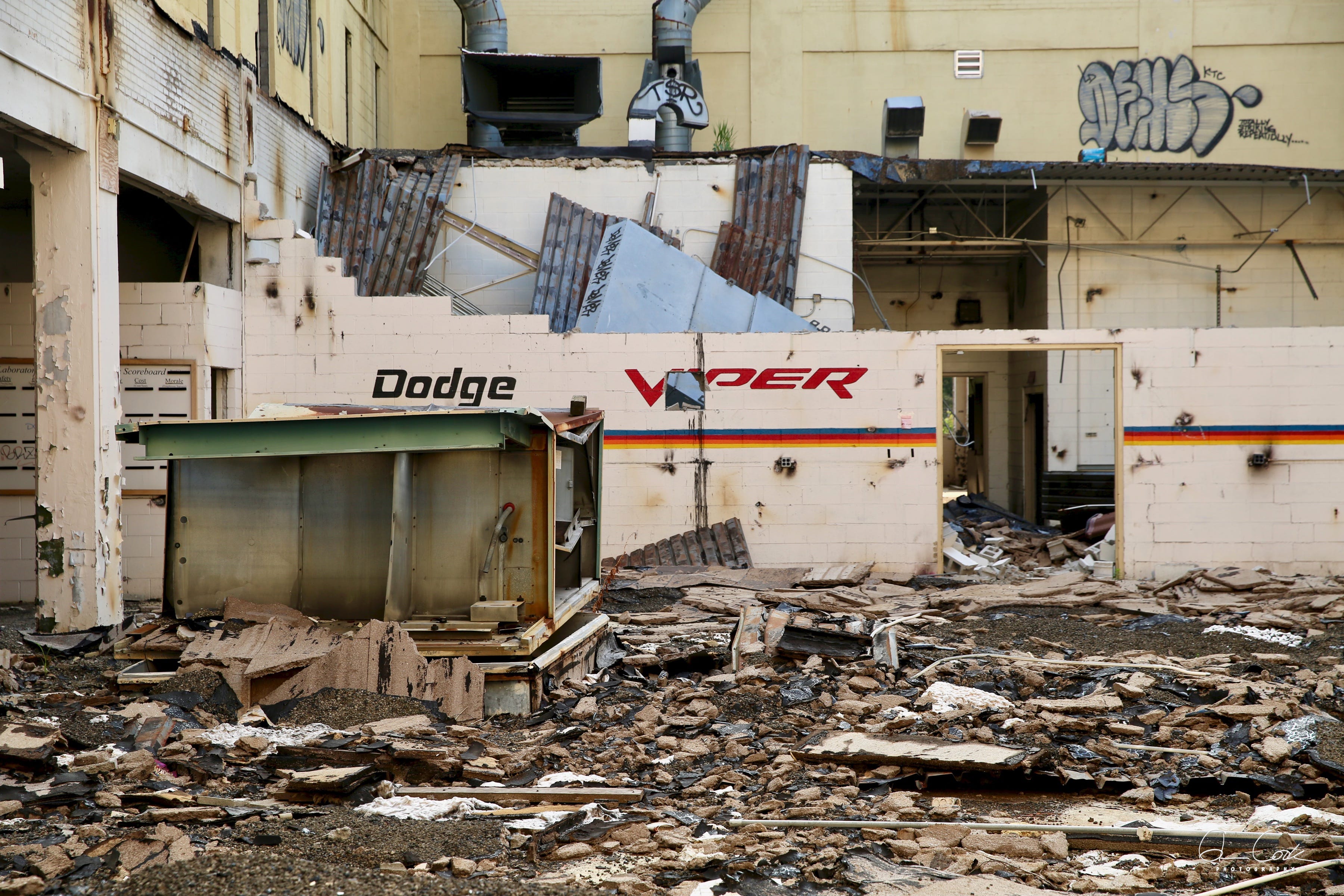
Our first stop on the tour, which started at 7 a.m., was the former Packard Plant, described by Historic Detroit as “one of the most tired images” of the city’s decline.
The sprawling 3.5 million square foot complex, which at one point had about 80 buildings on 80 acres of land, produced more than 1.6 million automobiles over a 50-year period. It’s downfall came when Packard purchased the Studebaker Corp., a lemon that never made a profit.
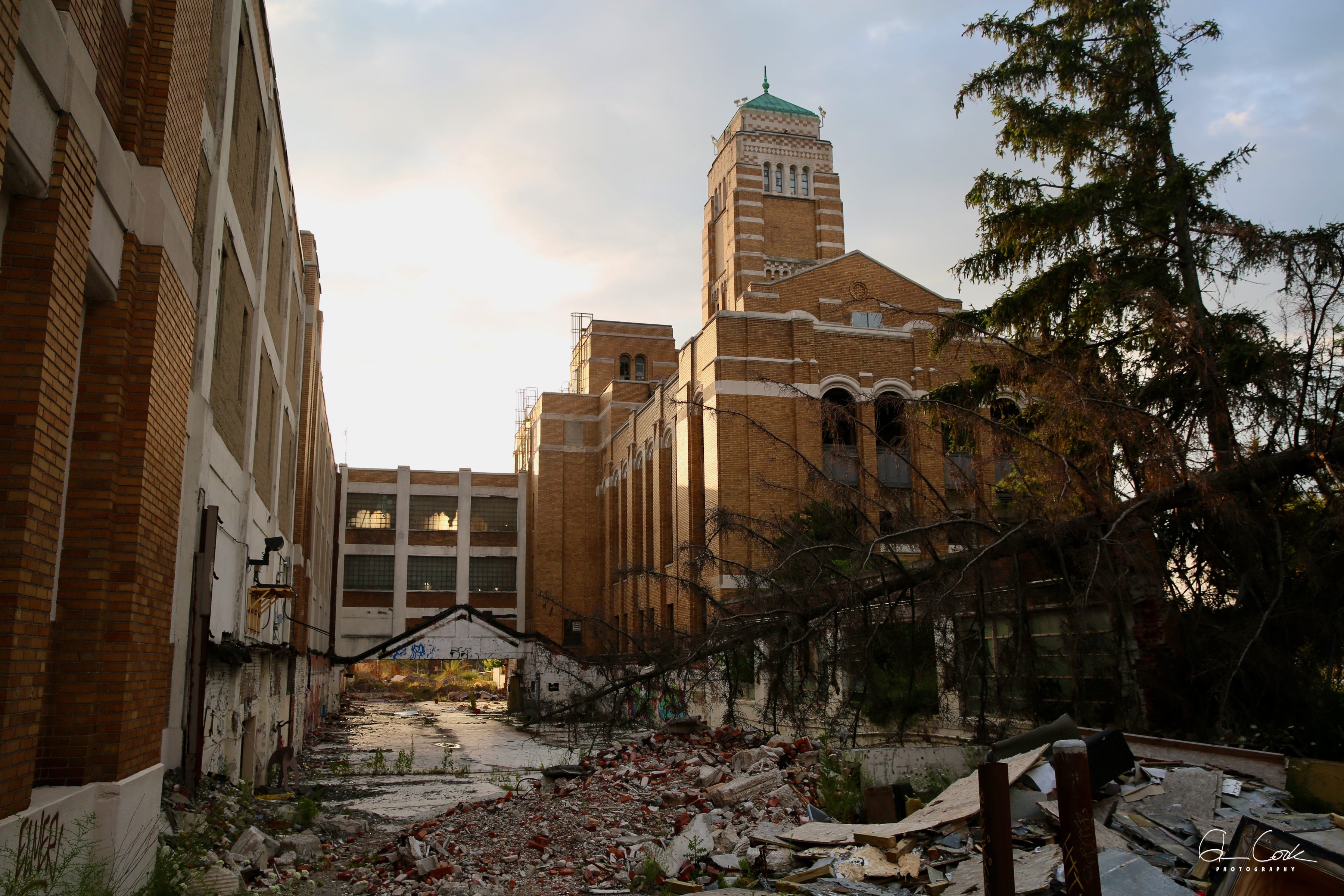
Packard closed the plant in 1956 and parts of the complex became the Motor City Industrial Park. When the park, which continued to produce cars for Chrysler and other automakers, was closed by the city in 1999, vandals took over.
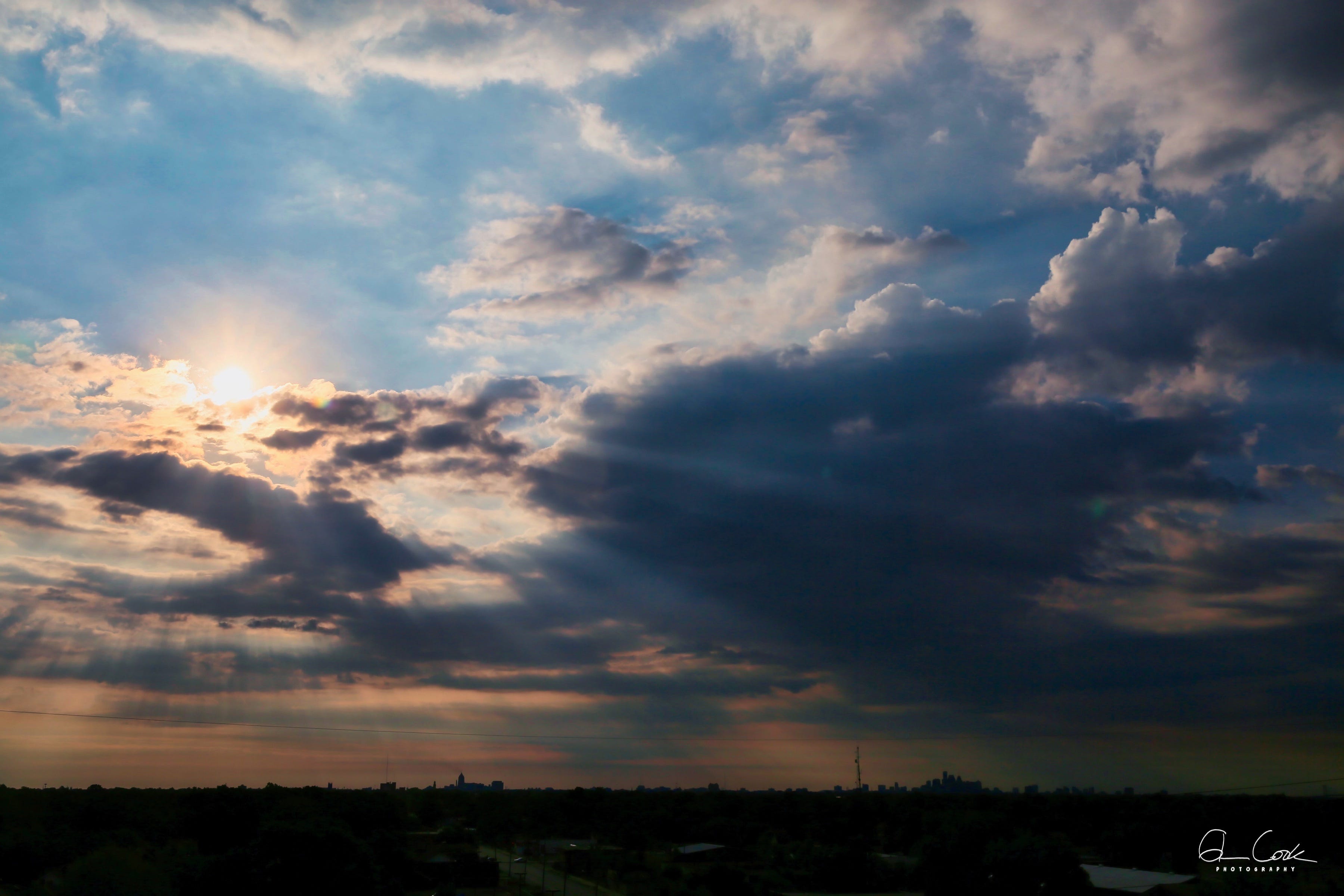
Failed efforts to rebuild the park have occurred over the years, and the city finally started demolishing parts of the former plant in 2022. More demolition started in 2024; at a press conference, Mayor Mike Duggan called the plant “a source of national embarrassment,” according to Historic Detroit.
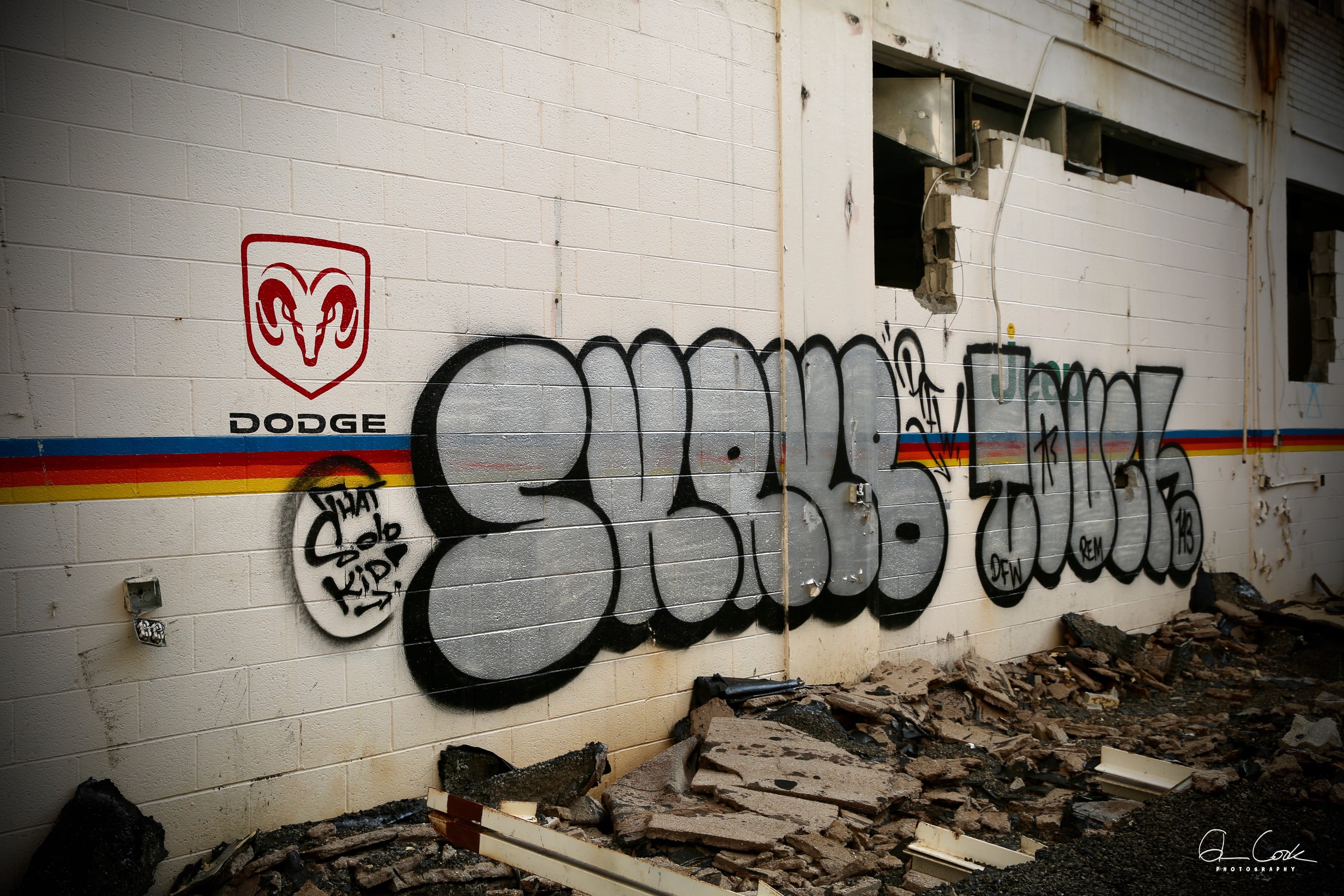
Only two Packard structures are still standing today. The city hopes they can be used for a “high-quality industrial or manufacturing project.” This March, plans for a Packard Park manufacturing facility and mixed use outdoor public space were scrapped when city officials terminated negotiations with the developers.
The site’s future remains uncertain.
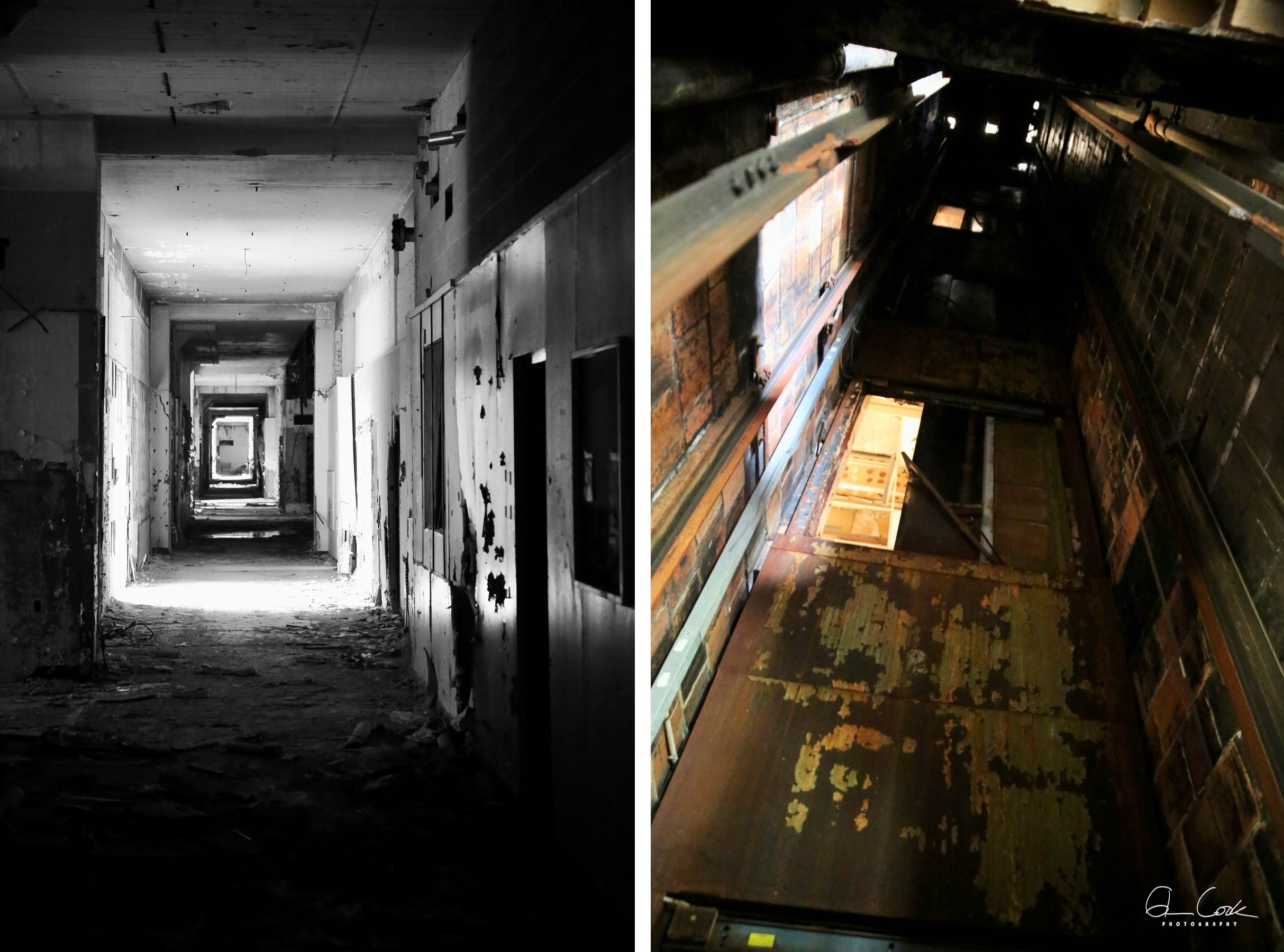
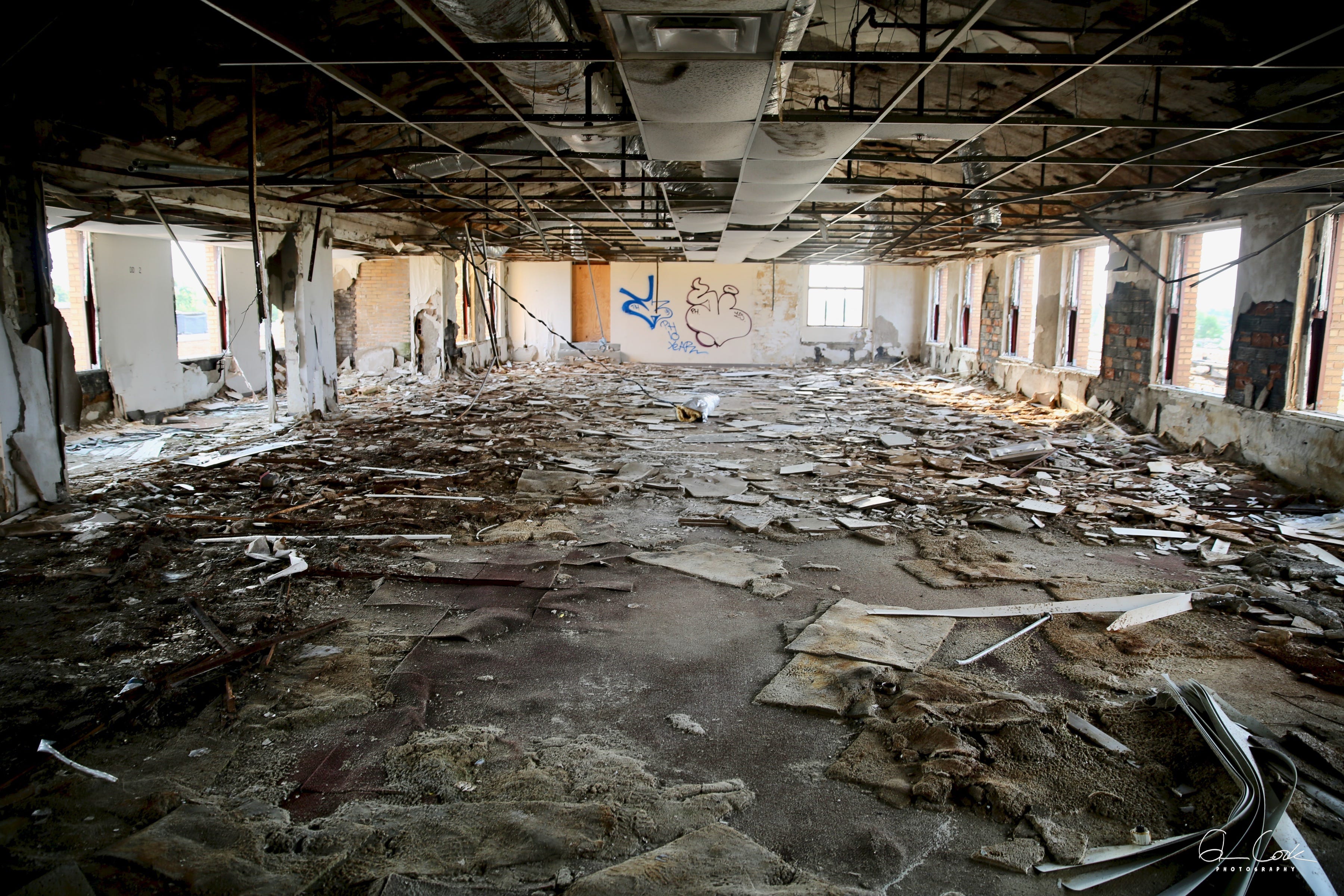
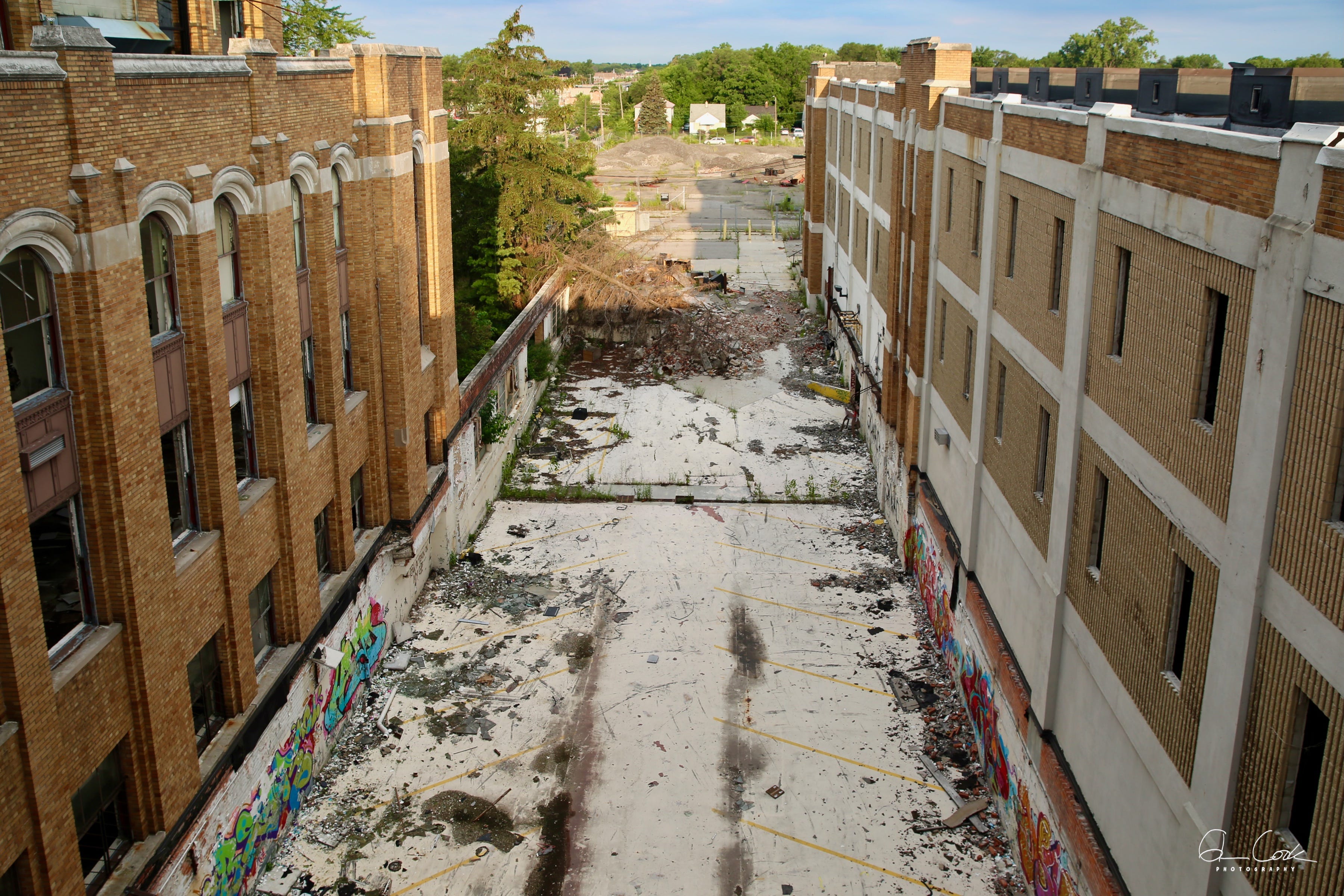
Coming next week: A tour of the St. Stainslaus R.C. Parish, a 100-year-old church that served Detroit’s Polish community, one of the largest in the nation.
If you missed Part 1, you can find it here:

Also, if you’re interested in learning more, I highly recommend visiting the Historic Detroit website or subscribing to the organization’s Substack. It is a great resource.