Fitzgerald's Grave
The Great Gatsby author is buried in a nondescript family plot in a D.C. suburb

In some ways, the path to F. Scott Fitzgerald’s final resting place was as troubled and complicated as his tragic life.
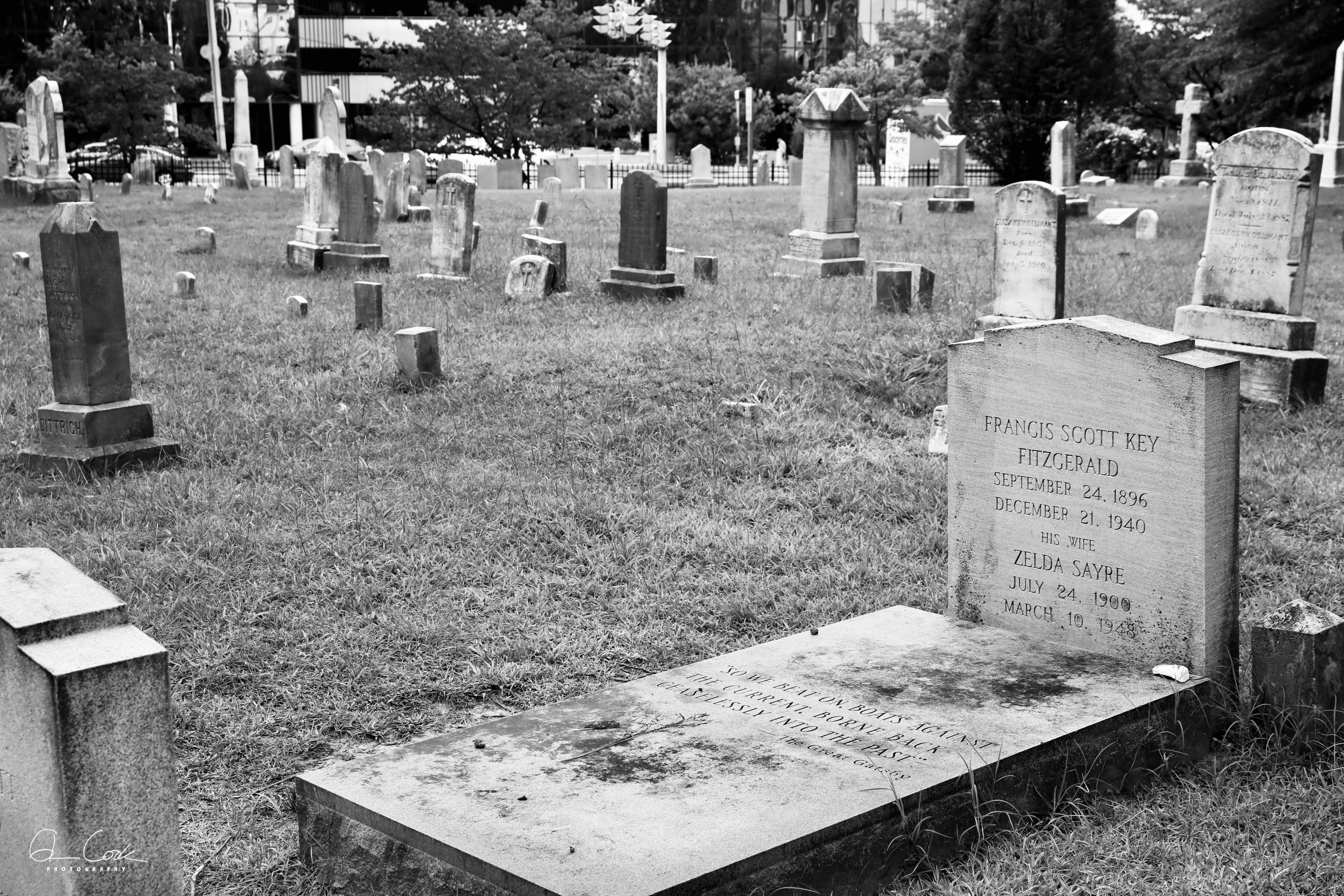
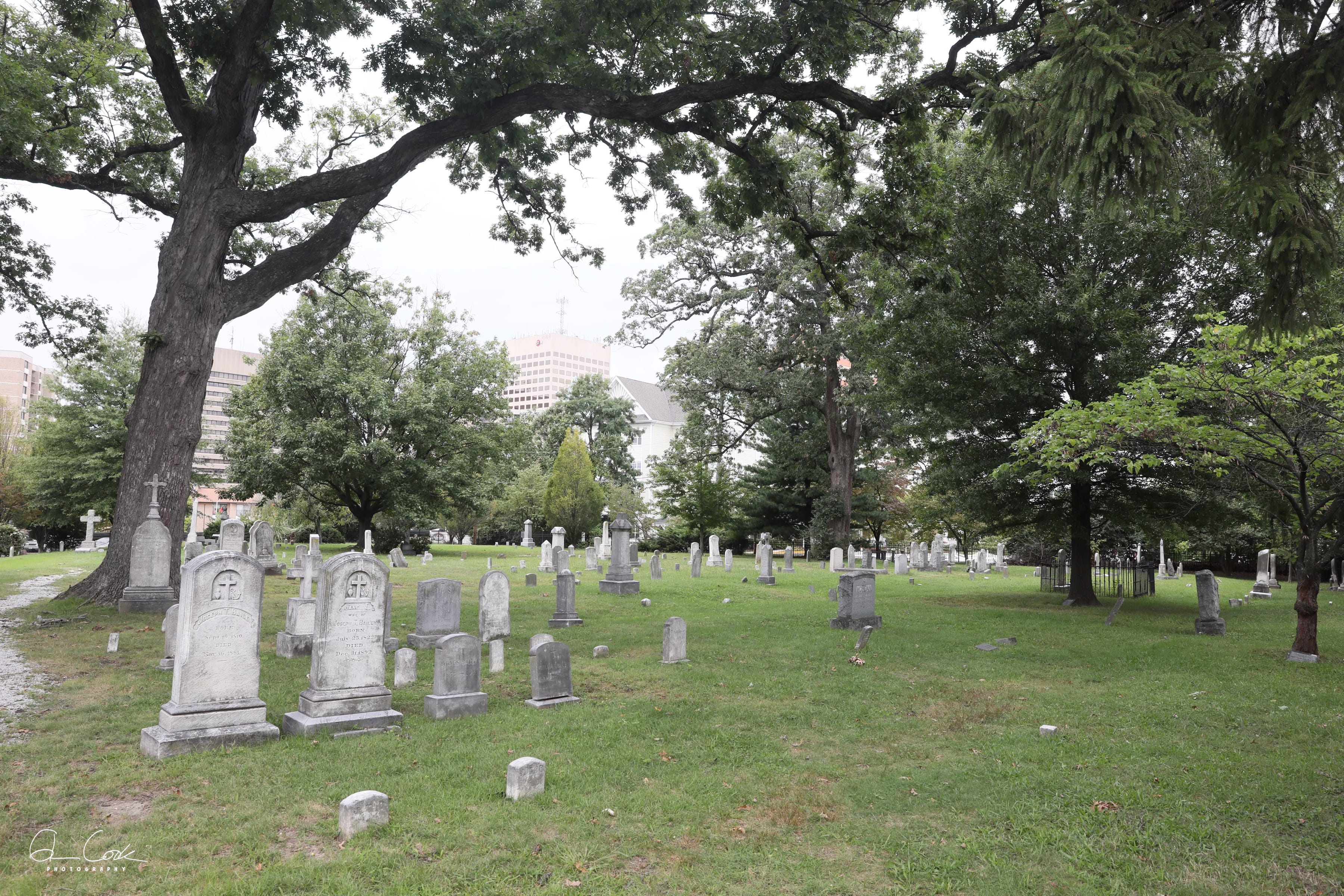
The writer responsible for high school students around the world learning about the Jazz Age is buried in a small church cemetery located next to a busy intersection in a Washington, D.C., suburb.
In many respects, Fitzgerald and his wife, Zelda, were the defining symbols of the pre-Prohibition 1920s. Fueled by alcohol, mental illness, and depression, they were known for their wild behavior and doomed lifestyle — a precursor to many of the reality shows we see today.
Their lifestyles are one reason the couple’s remains were not buried in the author’s family plot at St. Mary’s Cemetery in Rockville, Md., until 1975, 35 years after Fitzgerald died and 50 years following the publication of The Great Gatsby.
Acclaim and Struggles
Fitzgerald and his wife married in 1920, a week after the publication of his first novel, This Side of Paradise. The success of the book and its follow up, The Beautiful and Damned, made Fitzgerald one of the most popular writers of his time.
Already in the throes of alcoholism, Fitzgerald struggled to finish The Great Gatsby, which was published to critical acclaim in 1925 but was — initially at least — a commercial dud. Meanwhile, Zelda’s mental health continued to deteriorate; by 1930, she would spend the rest of her life in and out of sanatoriums.
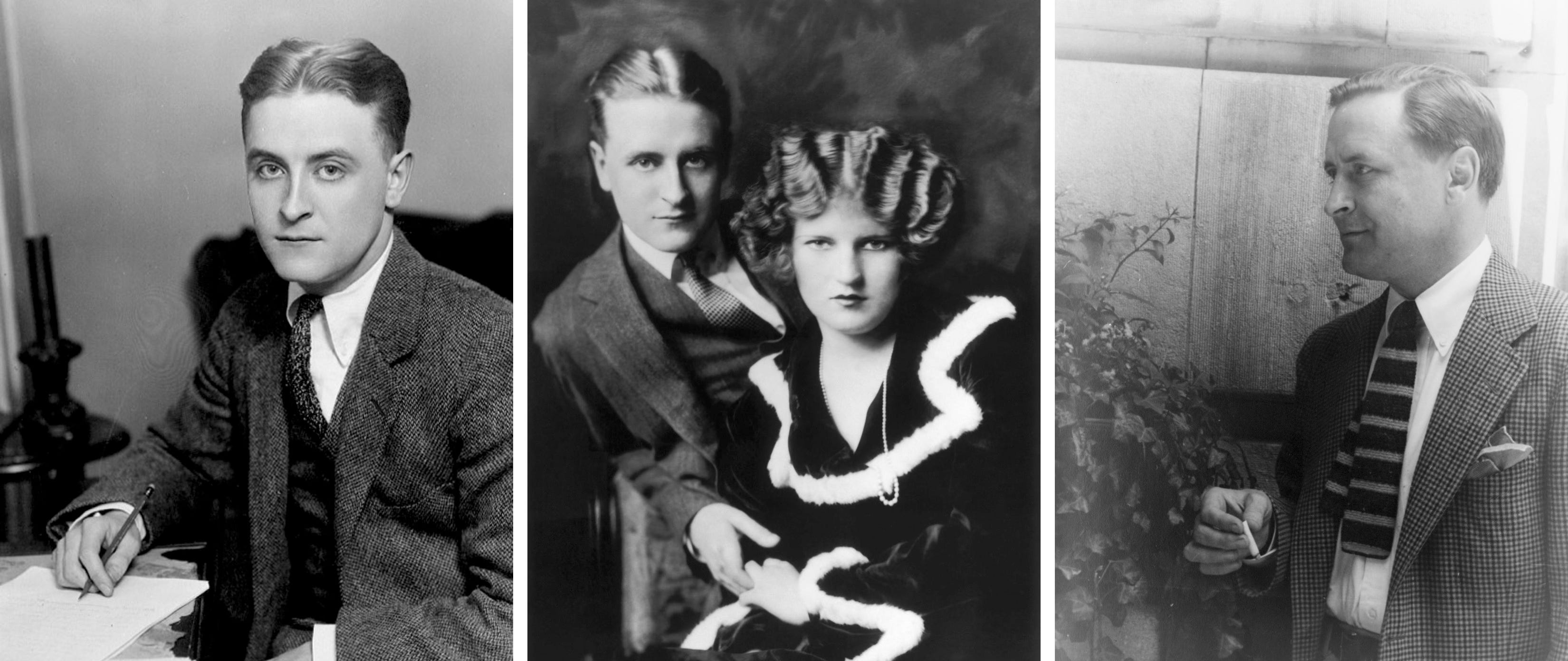
Throughout the 1930s, Fitzgerald, deeply in debt and even more deeply in the booze, wrote short stories and eventually moved to Hollywood to write screenplays in an effort to make ends meet. He died of a heart attack on December 21, 1940 at the age of 44, still laboring over an unfinished novel, The Last Tycoon, and calling himself a failure as a writer.
During World War II, The Great Gatsby took on a new life when the Council on Books in Wartime distributed 155,000 copies to soldiers overseas, burnishing Fitzgerald’s posthumous reputation. It has since become one of the most widely read pieces of American fiction.
Initially, at least, that was not enough to get him into the family plot.
The Long Journey Home
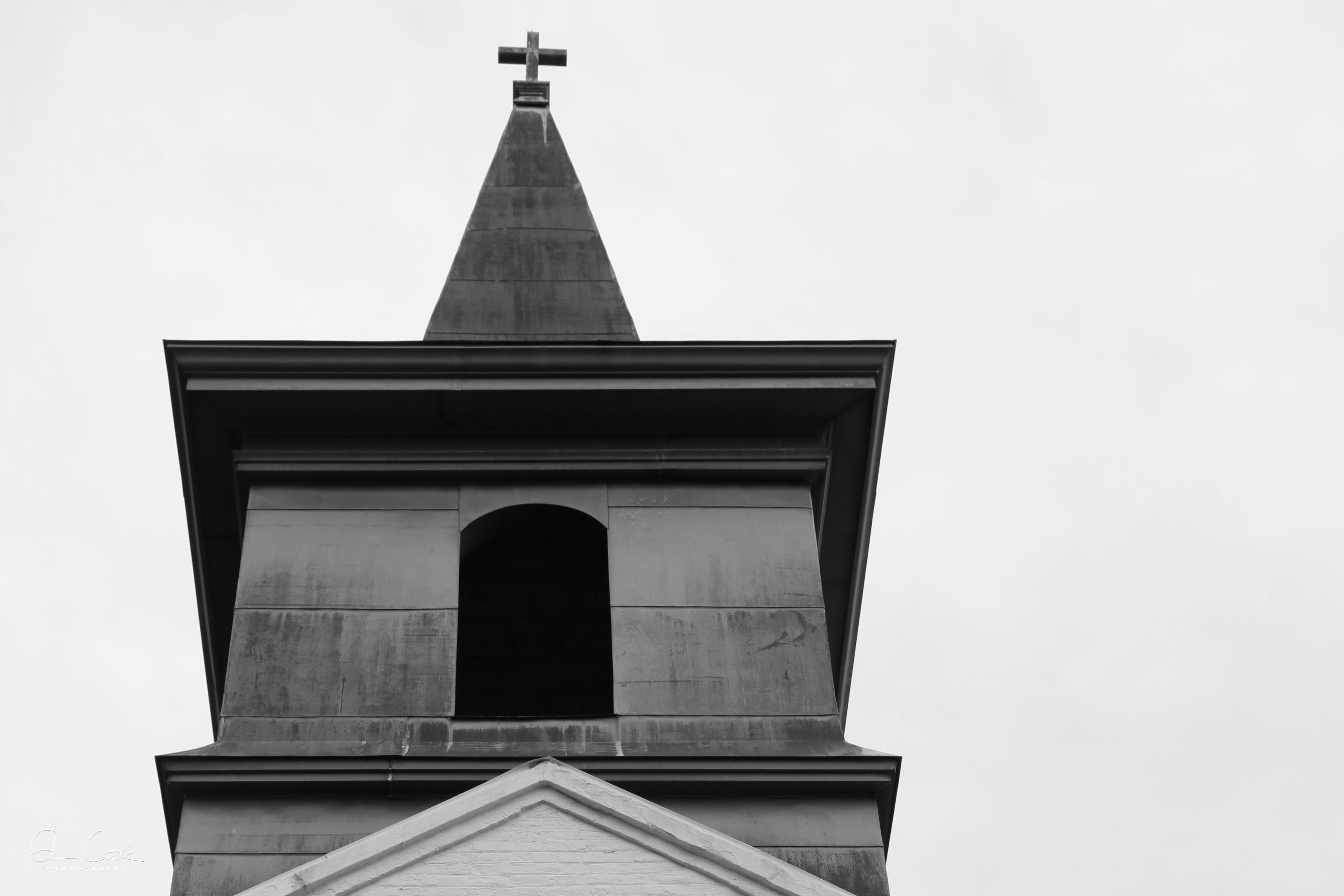
A parish priest at St. Mary’s refused to allow Fitzgerald to be interred in the cemetery because he was a lapsed Catholic who failed to go to confession and take communion regularly.
Zelda paid to bury him at the Rockville Cemetery, which is a mile from St. Mary’s. When she died in a sanitarium fire in Asheville, N.C., in 1948, Zelda’s casket was placed on top of her husband’s because she had only paid for one space.
In the mid 1970s, members of the Rockville Civic Improvement Advisory Commission contacted the Fitzgeralds’ only daughter, Scottie, who was living in Georgetown at the time. Fitzgerald’s posthumous fame had grown to the point that visitors had started flocking to the cemetery and were creating problems.
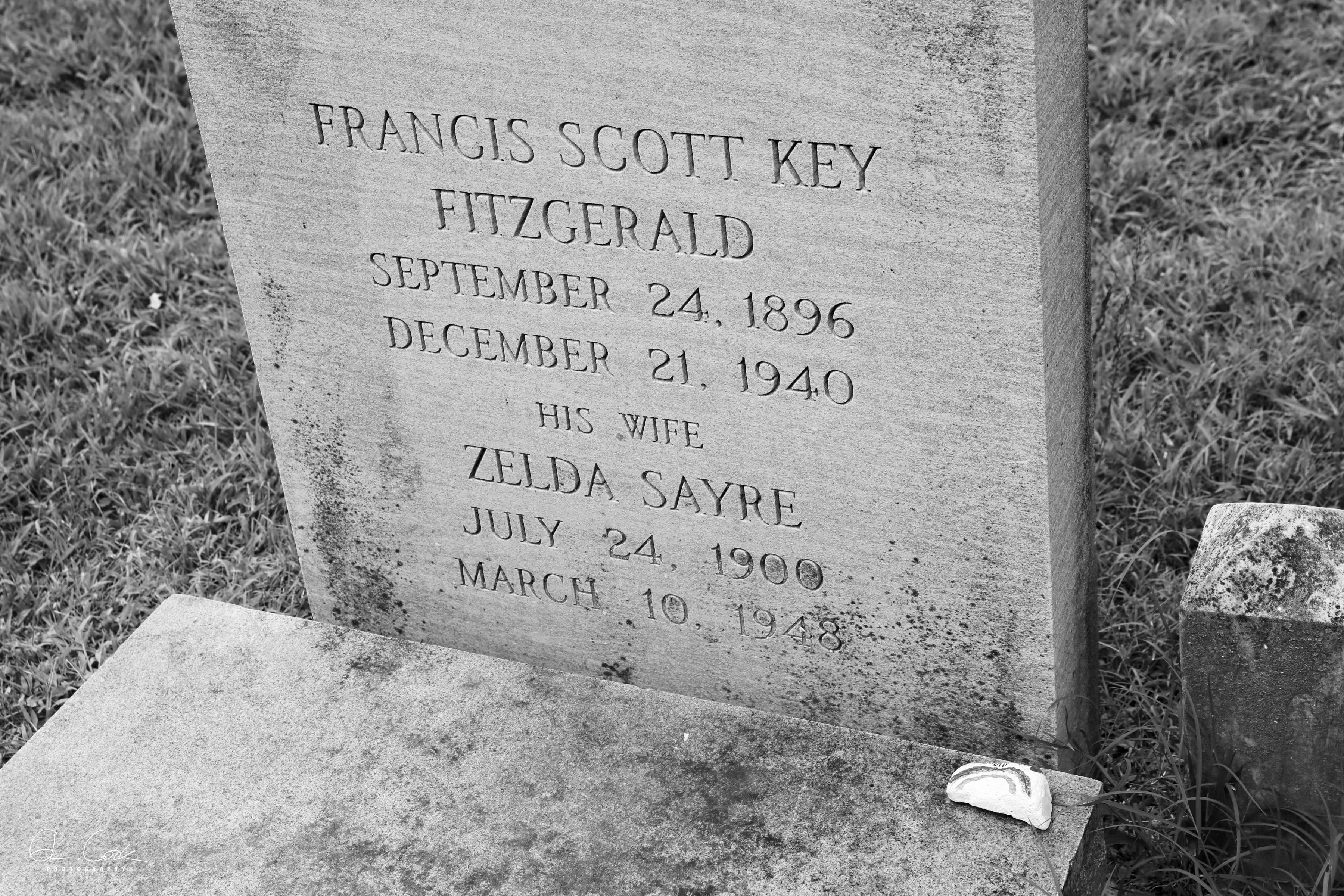
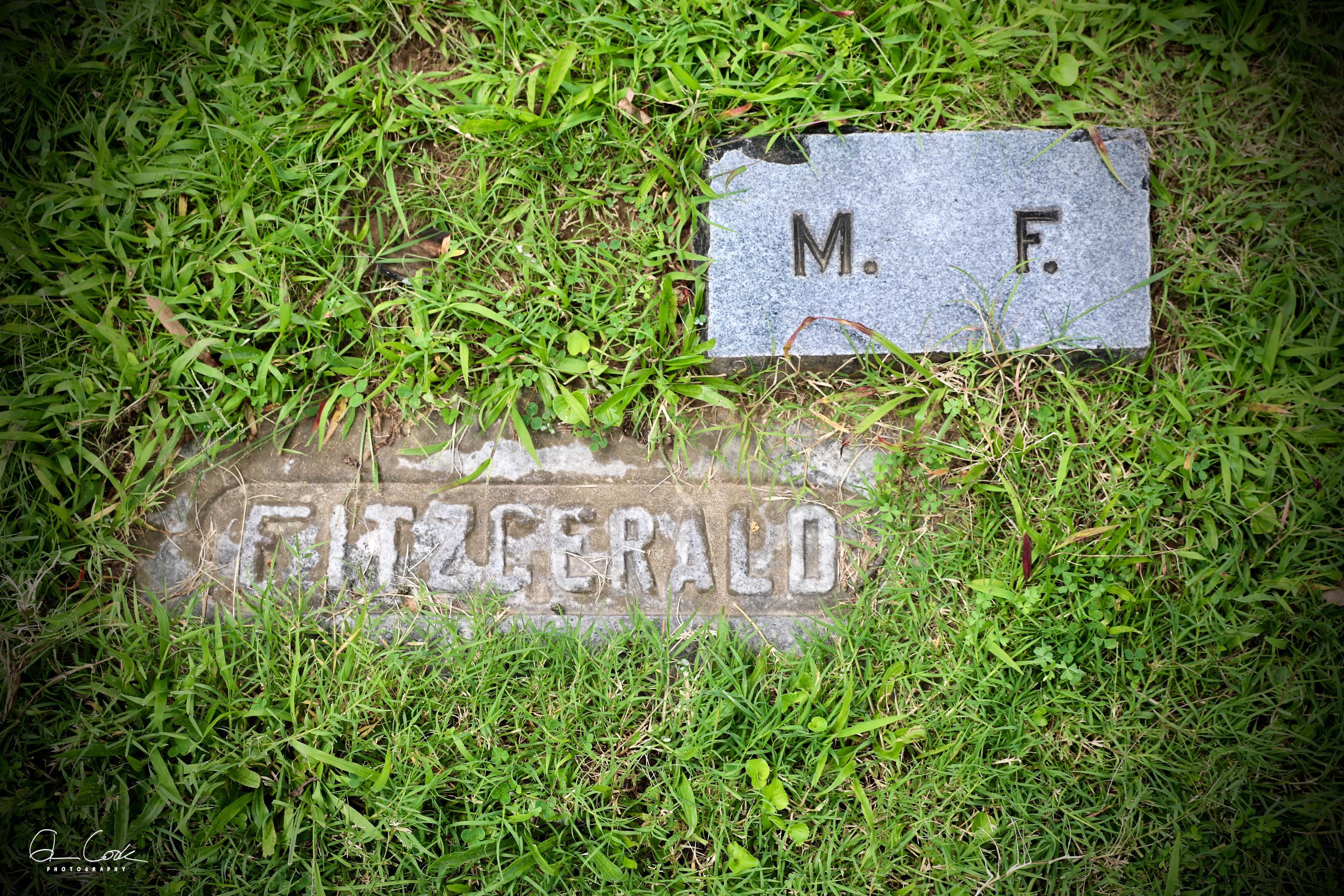
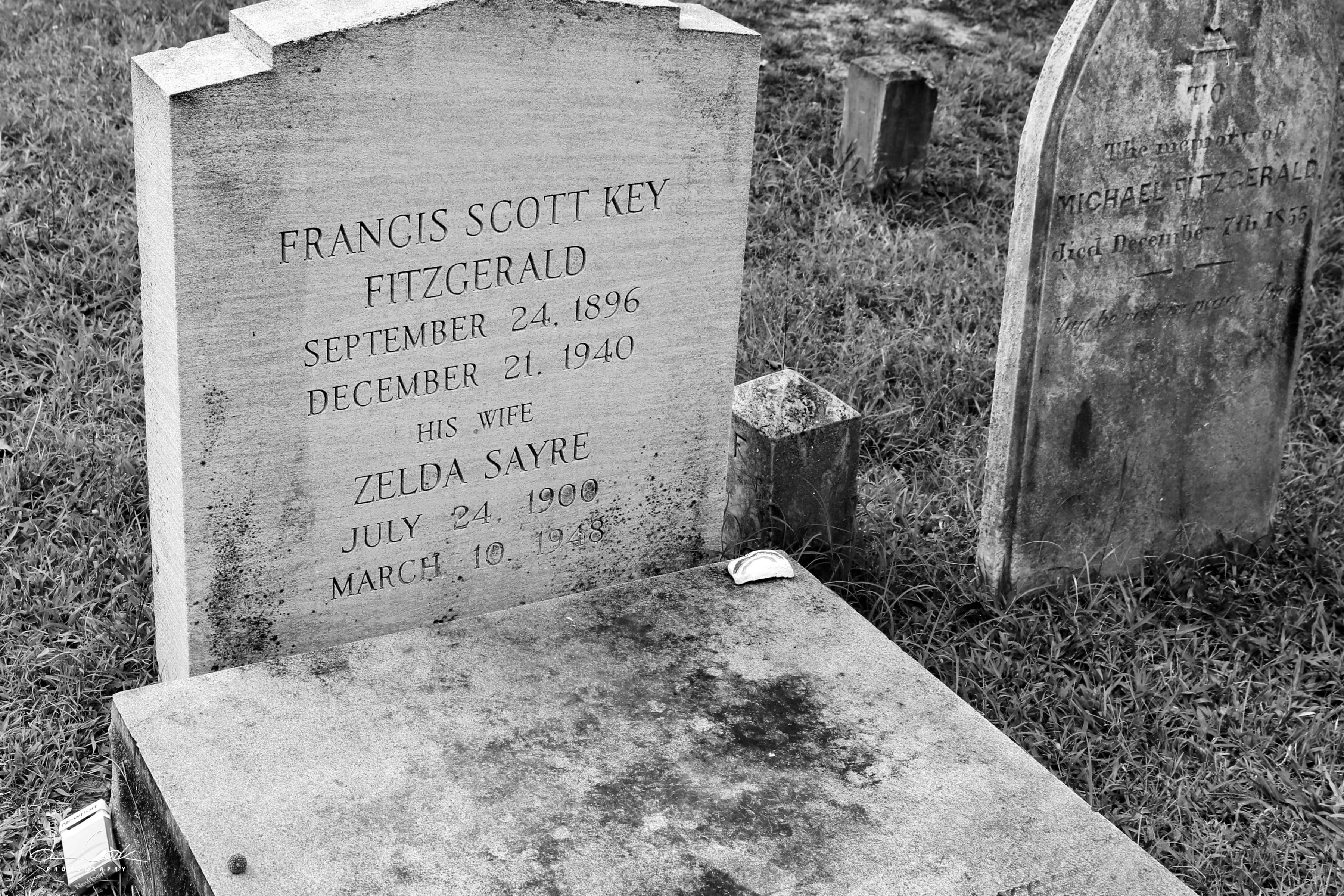
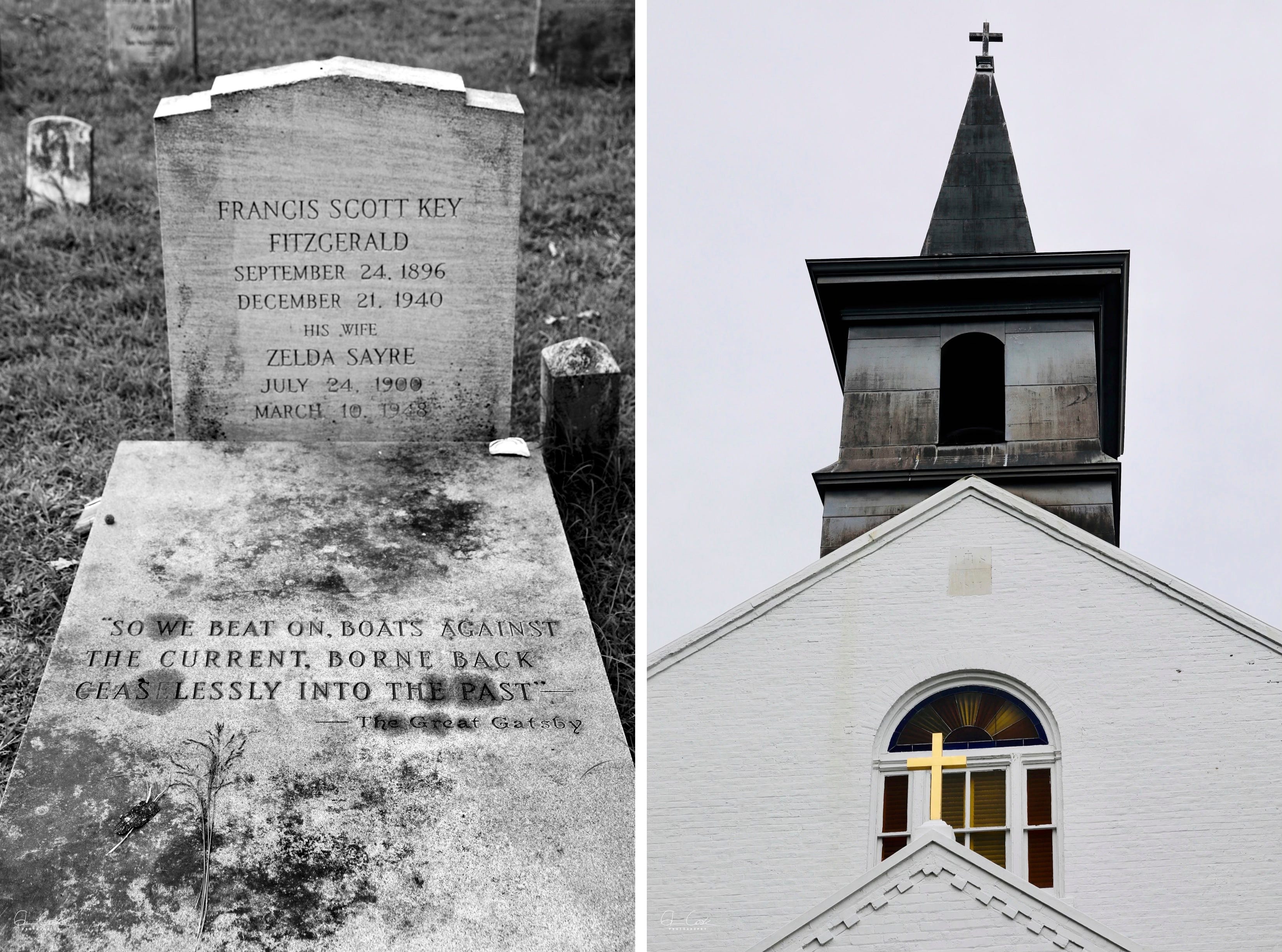
Scottie said her parents were meant to be buried at St. Mary’s, which by this time was happy to accept the graves. The bodies of the Fitzgeralds were moved to the family plot at the church cemetery, and Zelda’s casket was again put on top of her husband’s. Scottie, who died in 1984, also is buried in the cemetery.
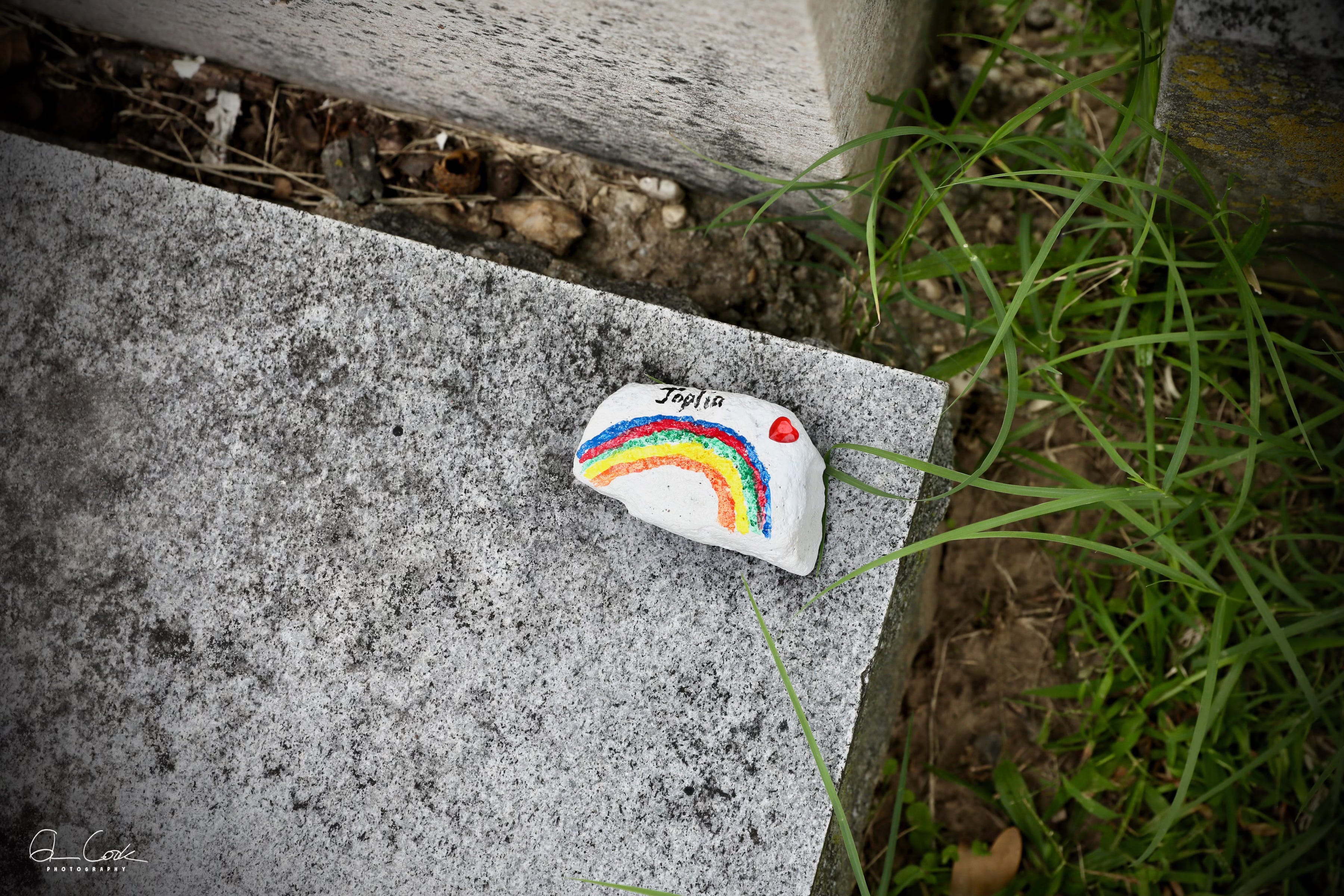
Today, visitors leave flowers, booze, cigarettes, corks and pens at the site, all of which are dutifully picked up by volunteers. The graves drew more attention last year, the 100th anniversary of Gatsby’s publication.
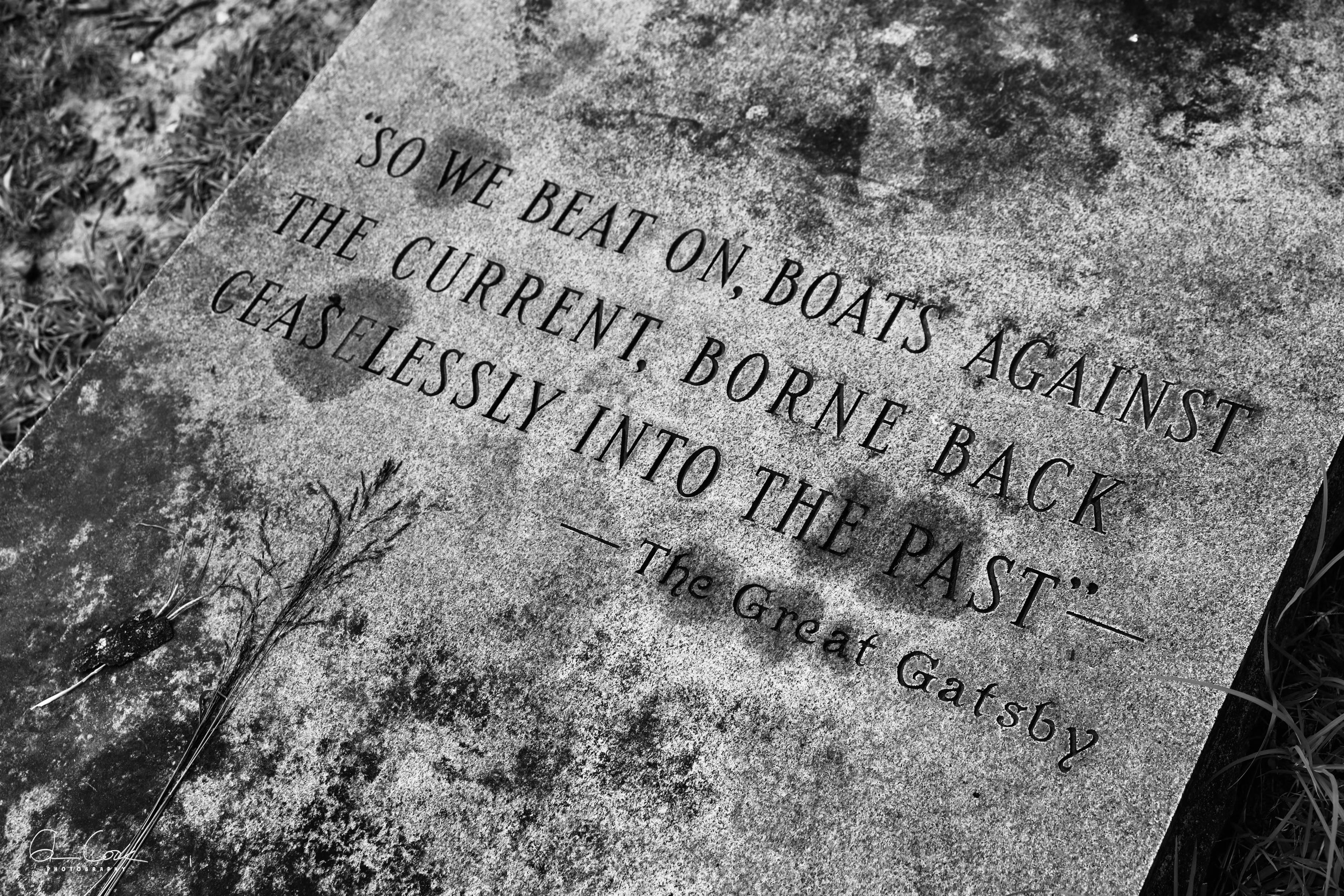
A stone covering the grave has one of Gatsby’s most famous lines: “So we beat on, boats against the current, borne back ceaselessly into the past.”
Great stuff, Glenn. Such a sad end to an amazing life!
My daughter and I just saw The Great Gatsby last Sat. at Fairpark in Dallas, TX. We were 7 rows from the front. It was a great adaptation with 2 cars!