
To those of you who are new, welcome to my Visual Stories series. Unlike Another 52 Weeks, this series focuses on a single place or theme and includes short to medium length essays to provide context.
In 2025, I published 17 of these stories, which you can find by going here. Today, to kick off the new year, I’m taking a look at The Alamo and the missions that surround it outside San Antonio. As is usual with these essays, this post is too long for email.
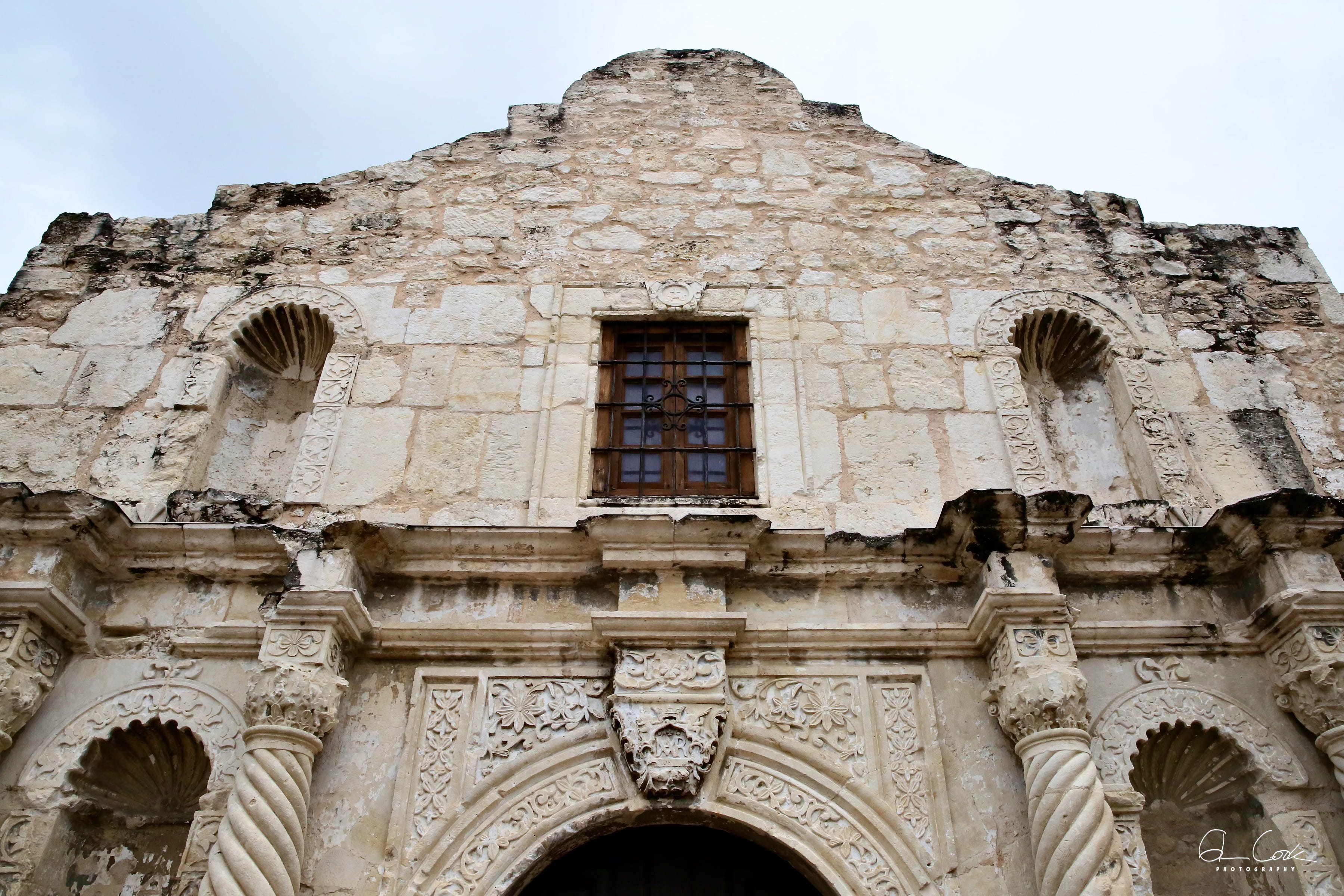
Harold Christian stood at the lectern next to his desk at Blocker Middle School, his always trusty Rolaids in reach. He scanned the room of his 7th grade students, ready to ask a question about Texas’ history and determined not to call on me unless he struck out with the other 23 kids.
I wasn’t the smartest student in Christian’s class, not by a long shot. But I had a secret weapon: My dad was getting ready to return to work, teaching the same subject at the other middle school in town.
That summer, my parents had taken my 7-year-old sister and me on a tour of various historic sites around Central Texas, including our first trip to the Alamo and the other four Spanish frontier missions located in and around San Antonio.
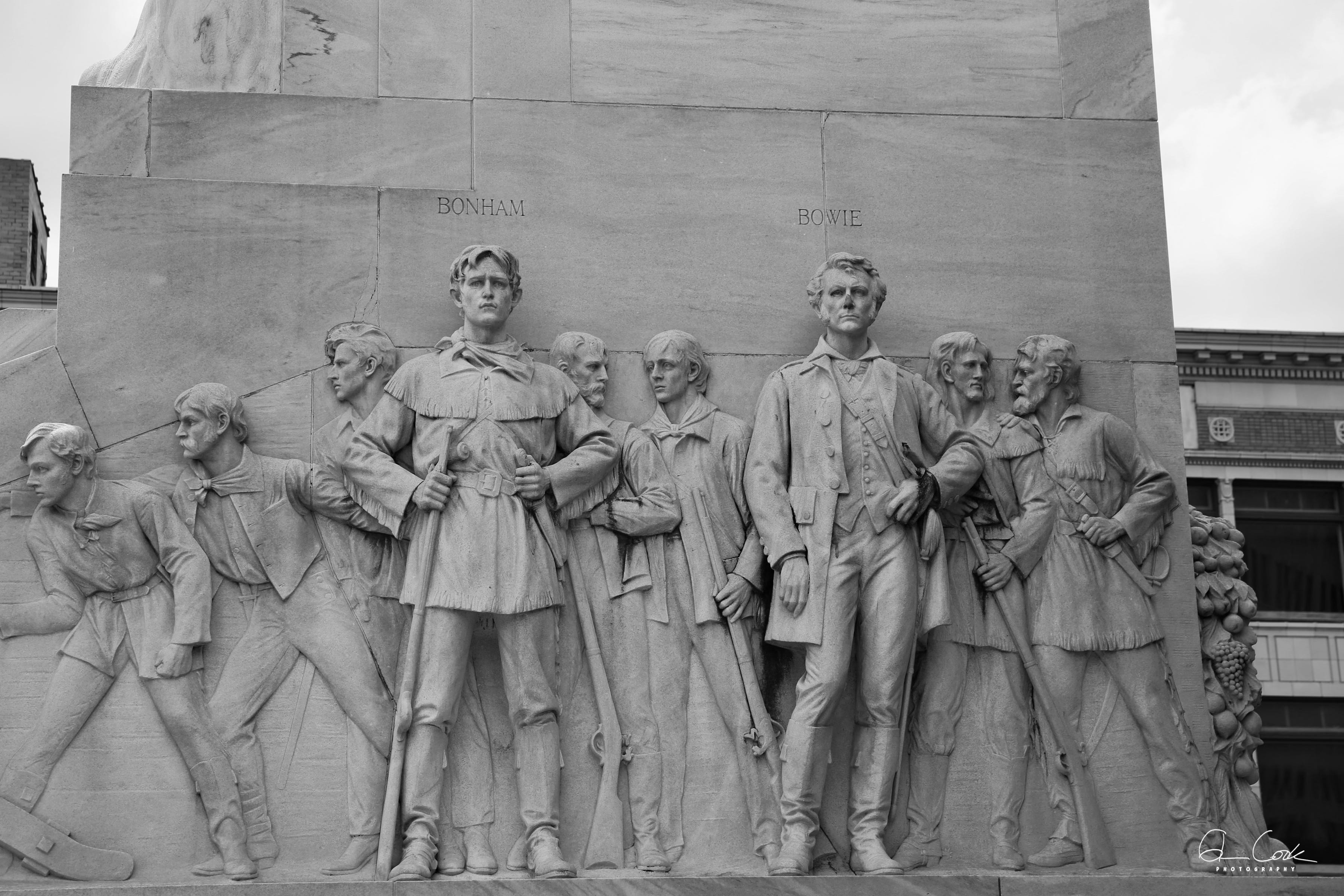
Located in the heart of downtown, with a statue of the soldiers and hordes of cheap tourist shops surrounding it, the place where the battle for Texas Independence started is smaller than you might think. Photographs are not allowed inside The Alamo, and at the time, you could see why. Other than some weapons on display and listings with the names of those who had been killed, there wasn’t much to look at on a sweltering summer day.
My father remained captivated by the building’s mystique and what it represented, in part because he was a huge fan of the (highly fictionalized) 1960 John Wayne film. When the VHS was released several years later, he enjoyed showing the three-plus hour movie to his students and pointing out the inconsistencies.
If I’m being honest, my sister and I were more interested in the tourist shops.
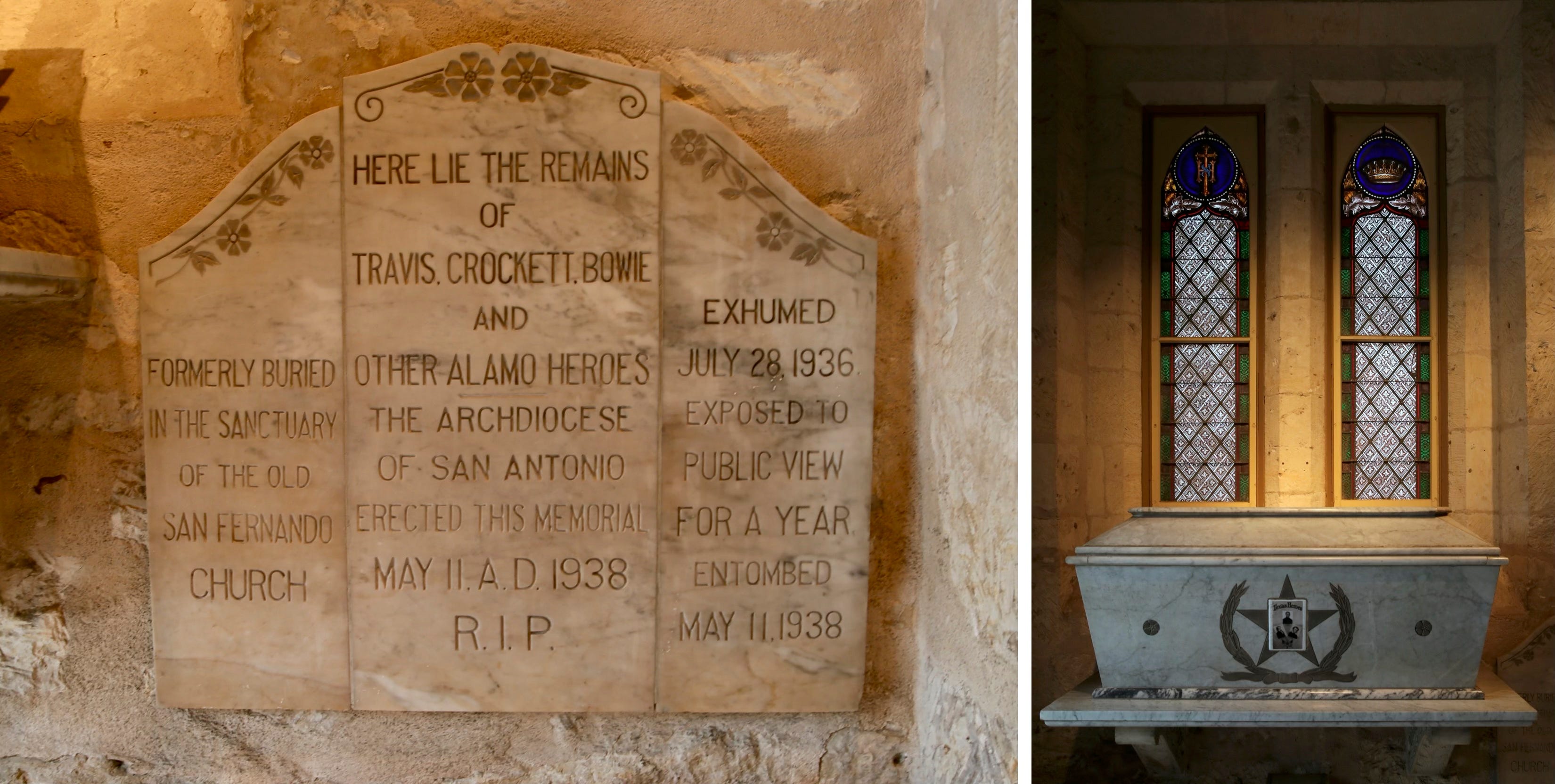
We made a quick stop at the San Fernando Cathedral, which houses the remains of Davy Crockett, William Travis, and Jim Bowie in a sarcophagus across the street from the Alamo site, before leaving to tour the other missions.
The Missions
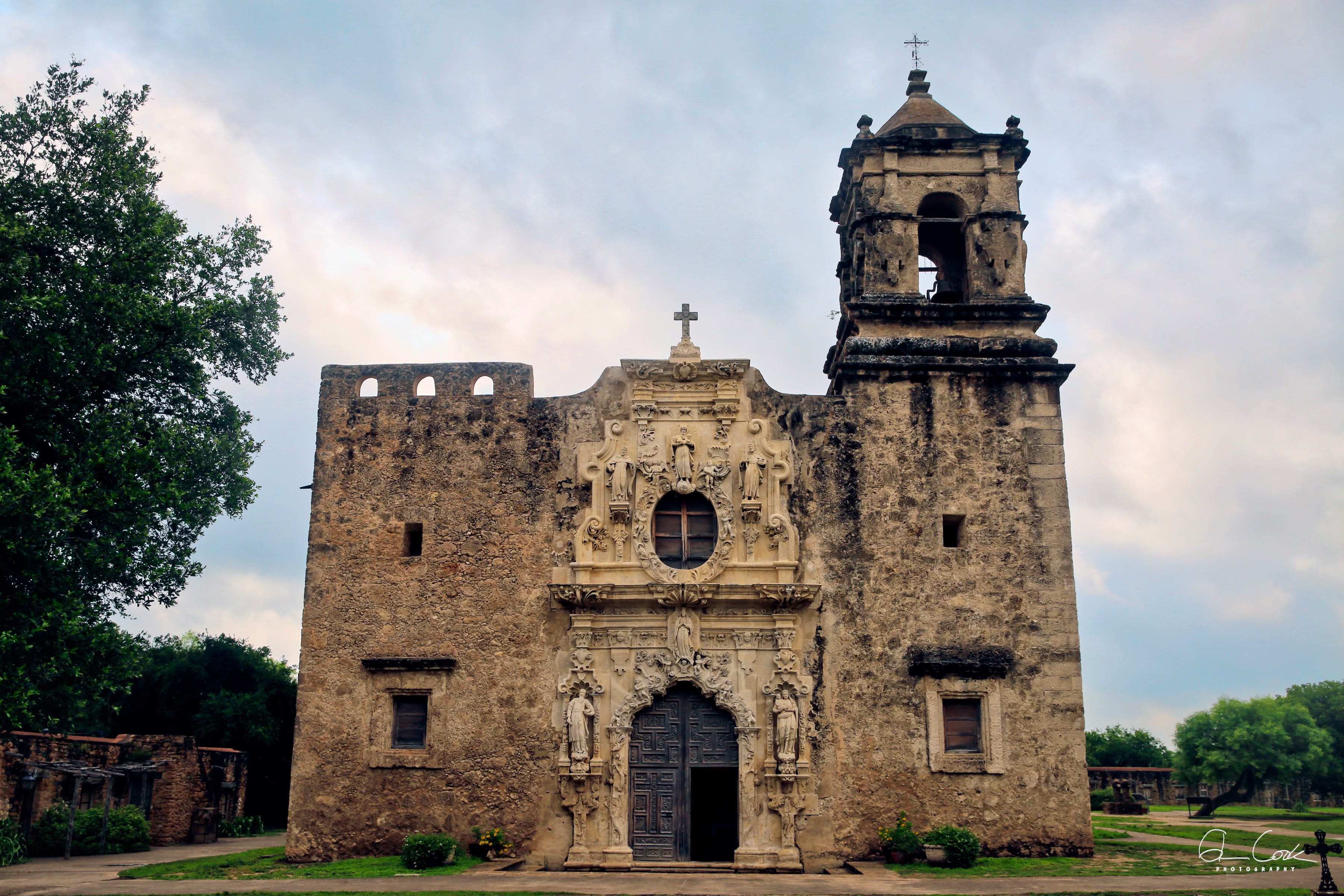
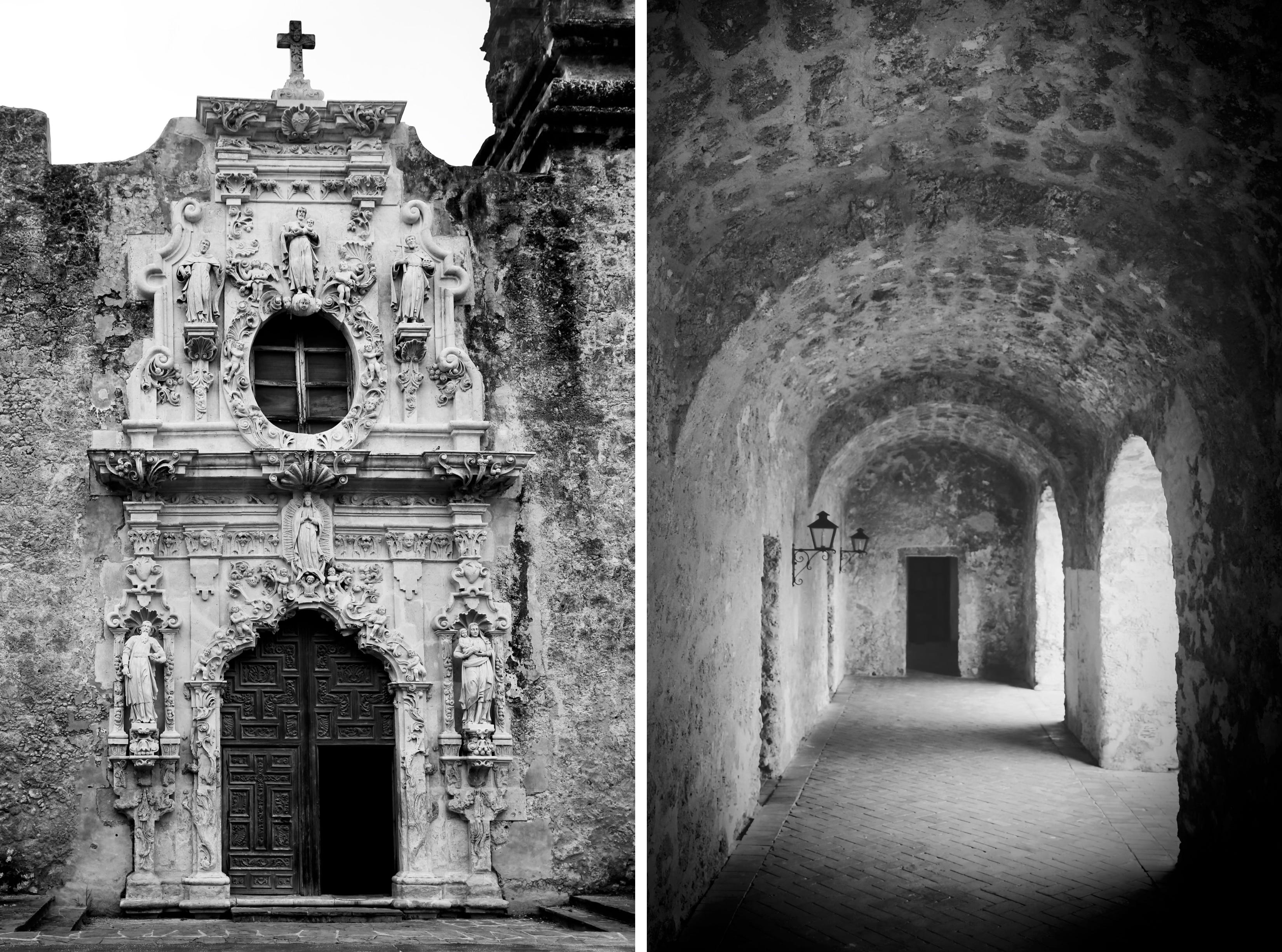
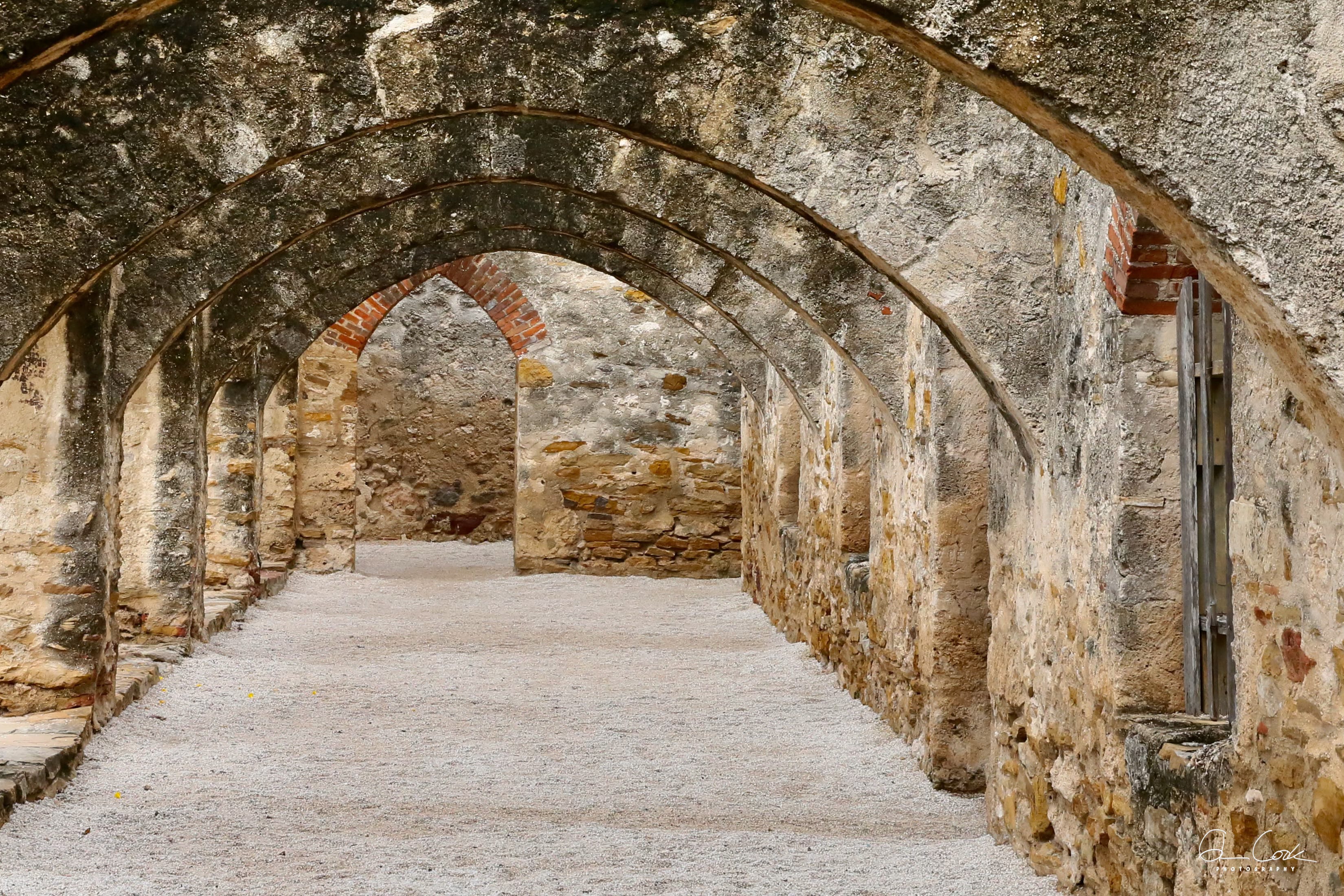
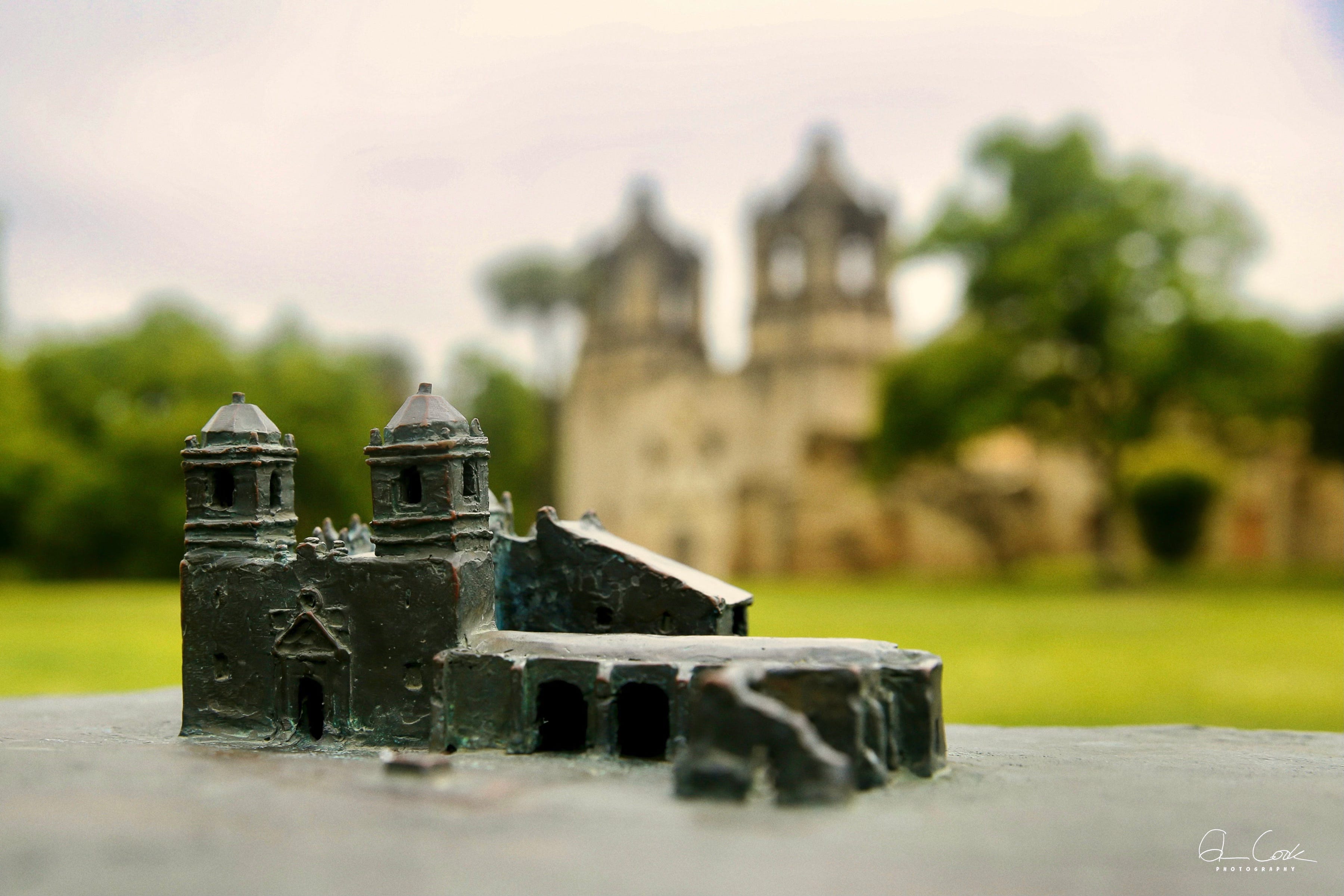
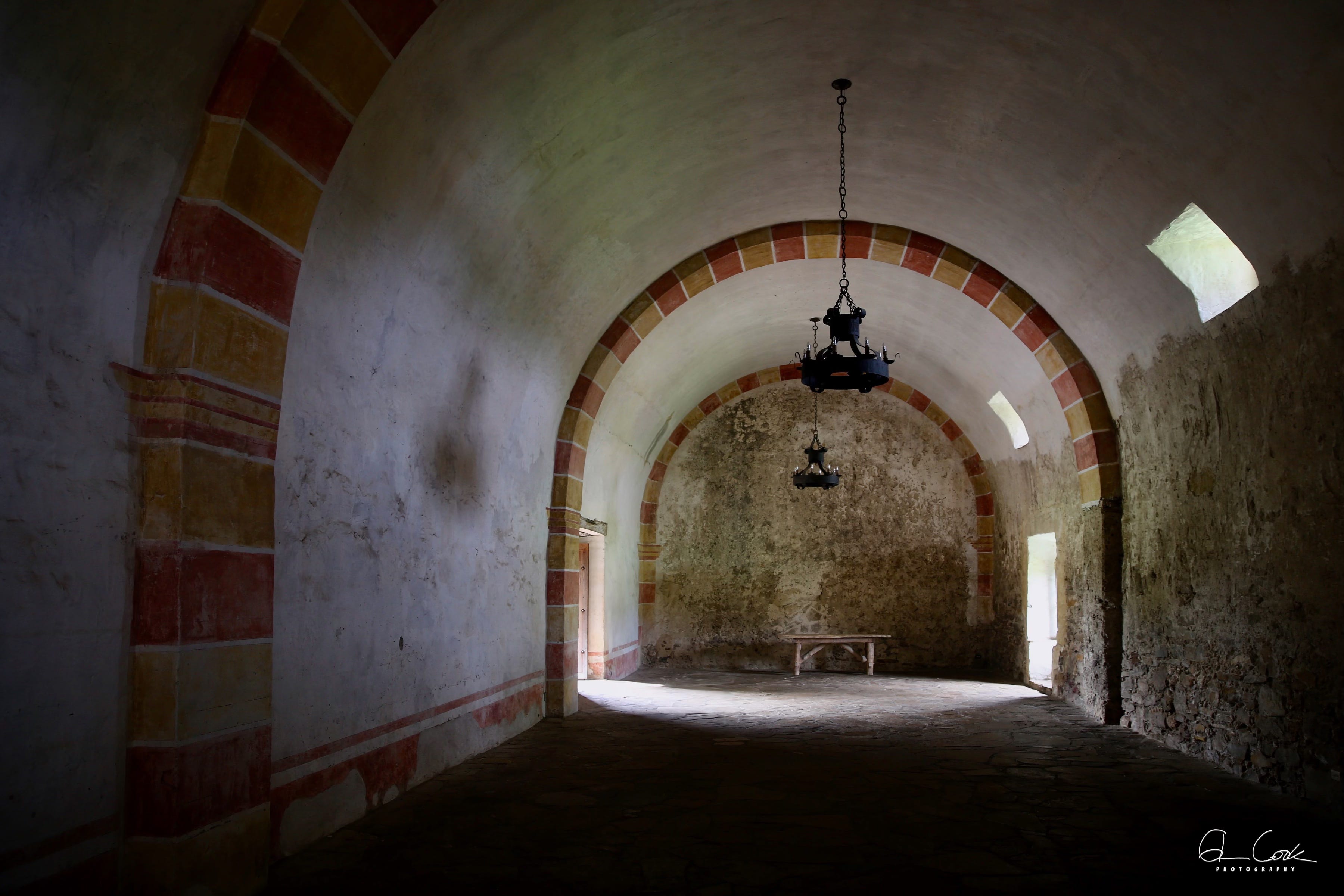
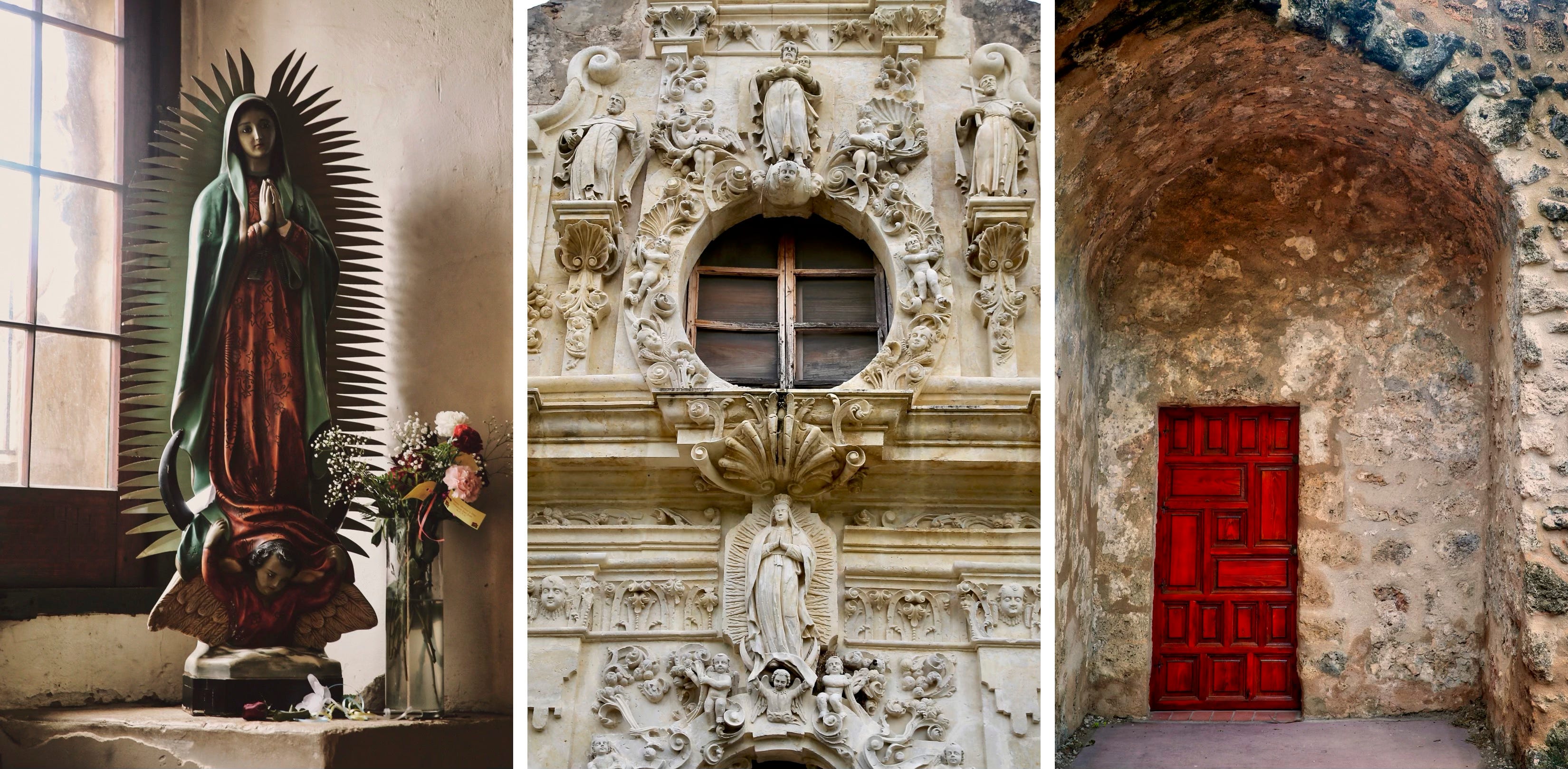
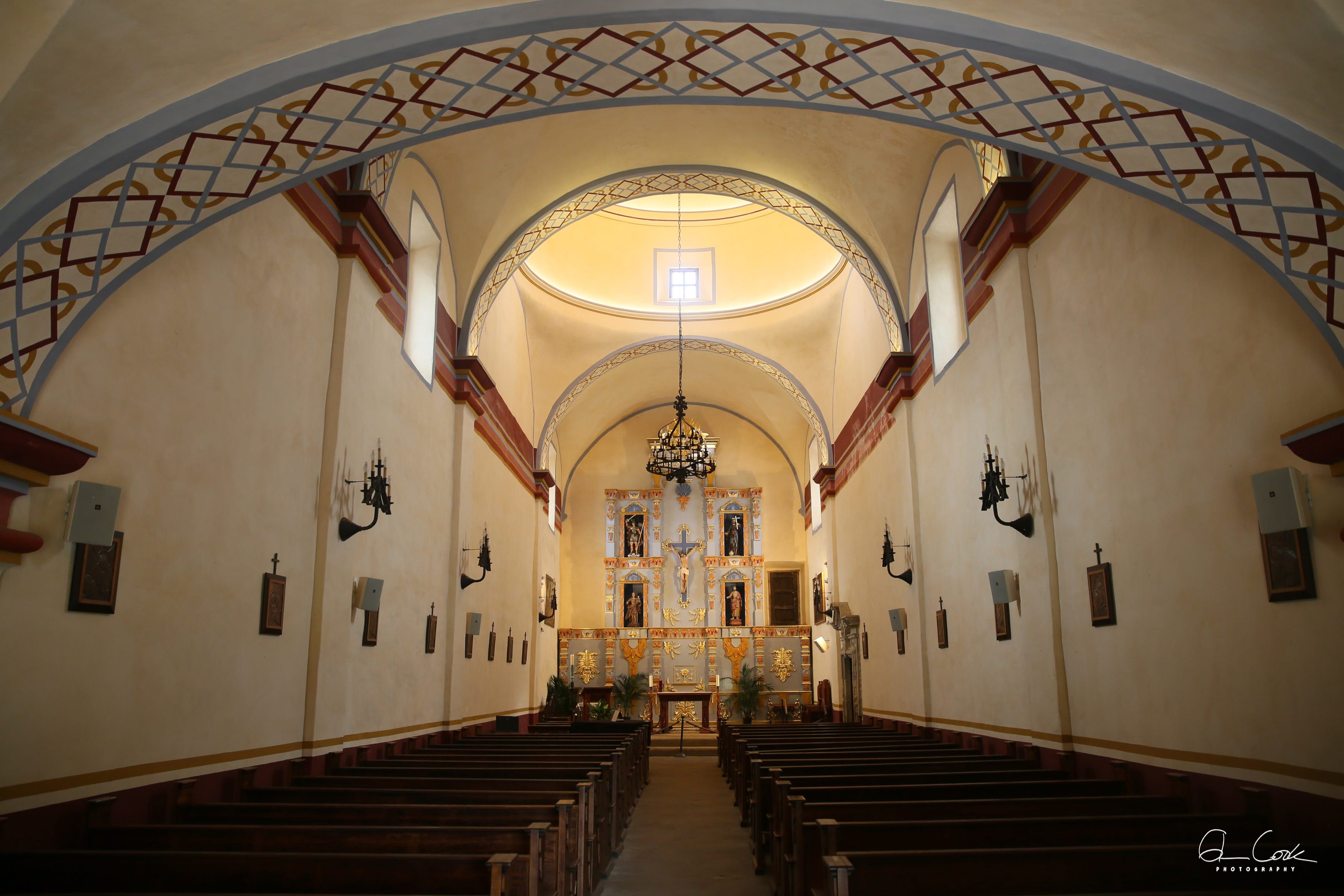
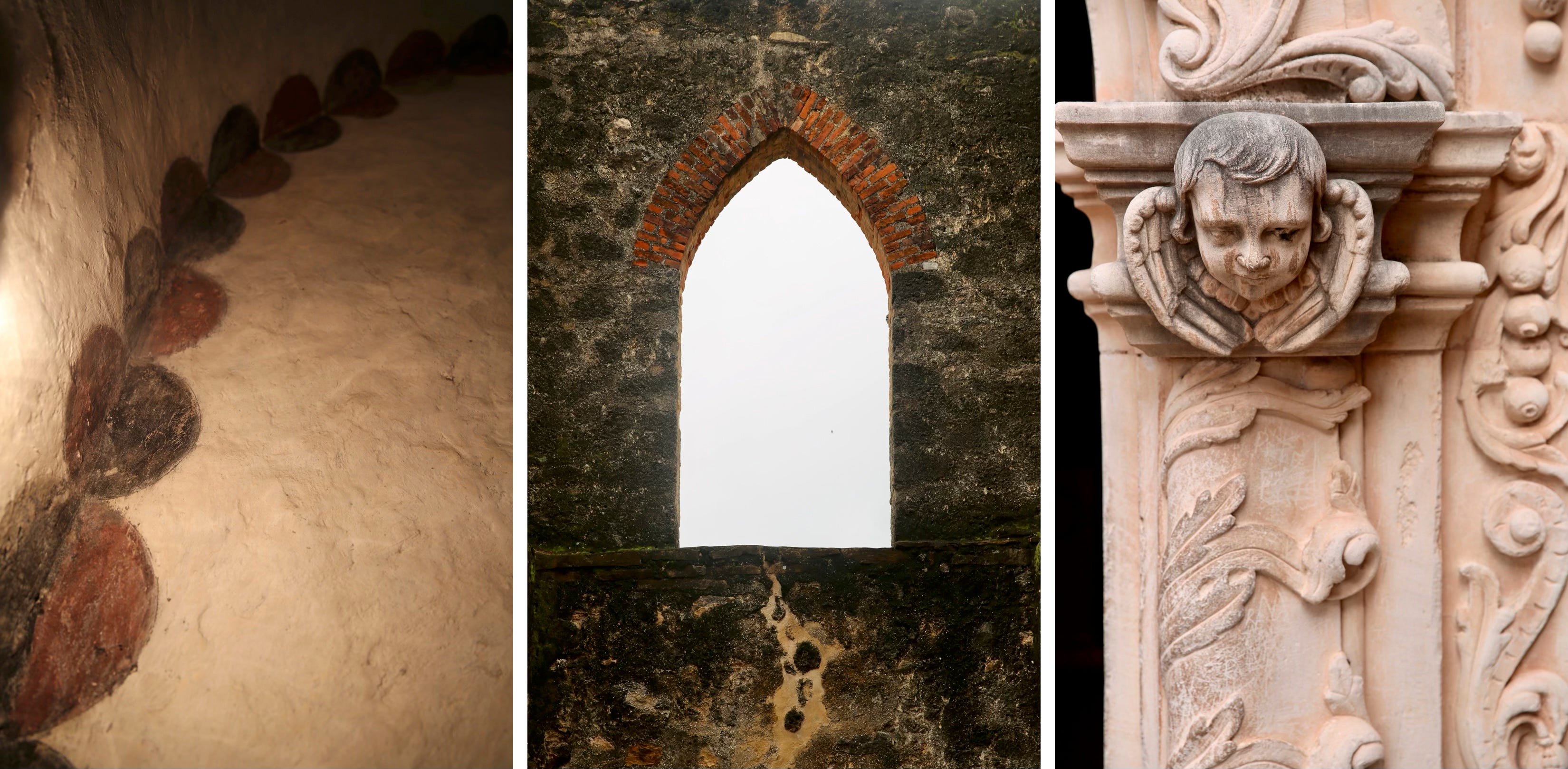
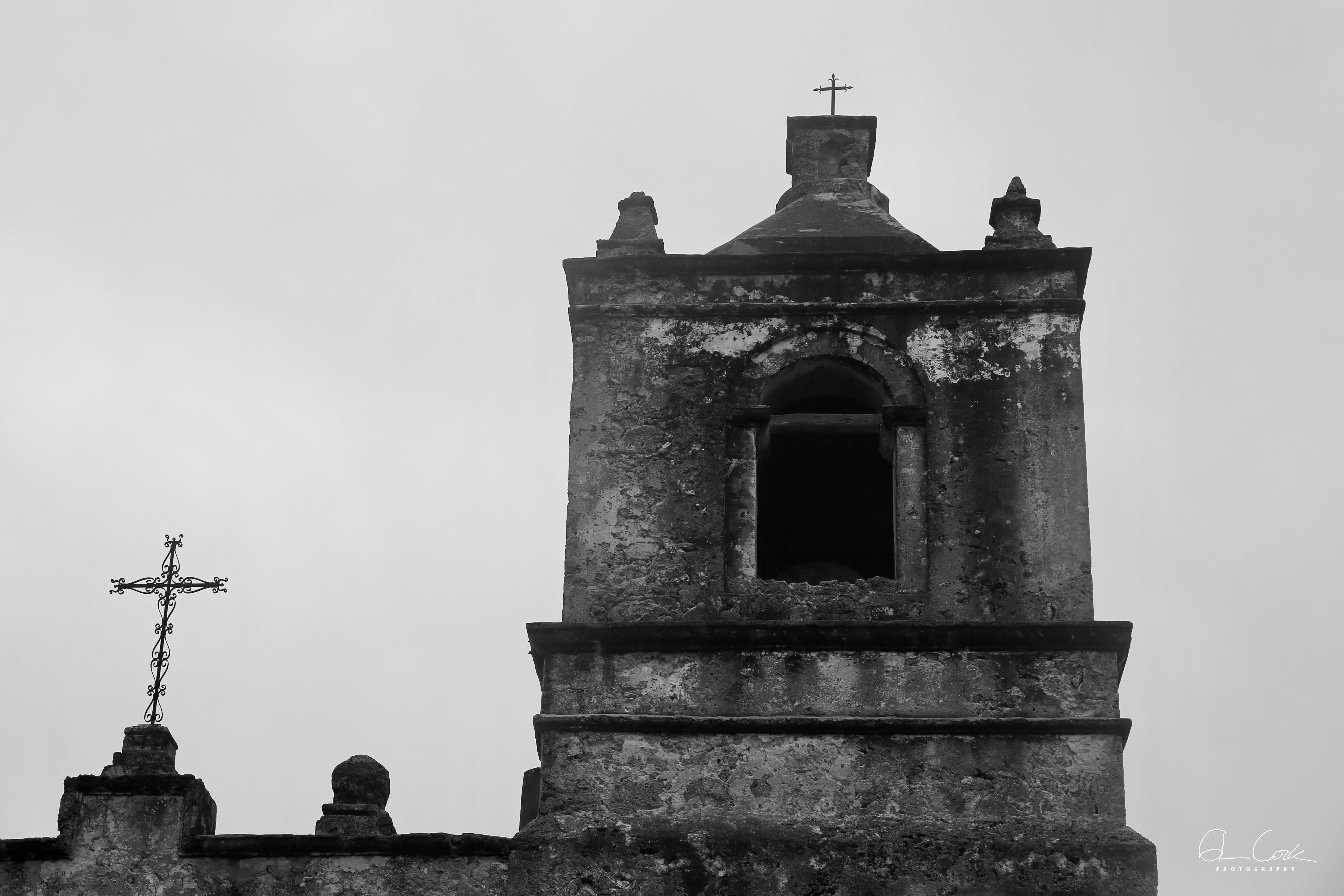
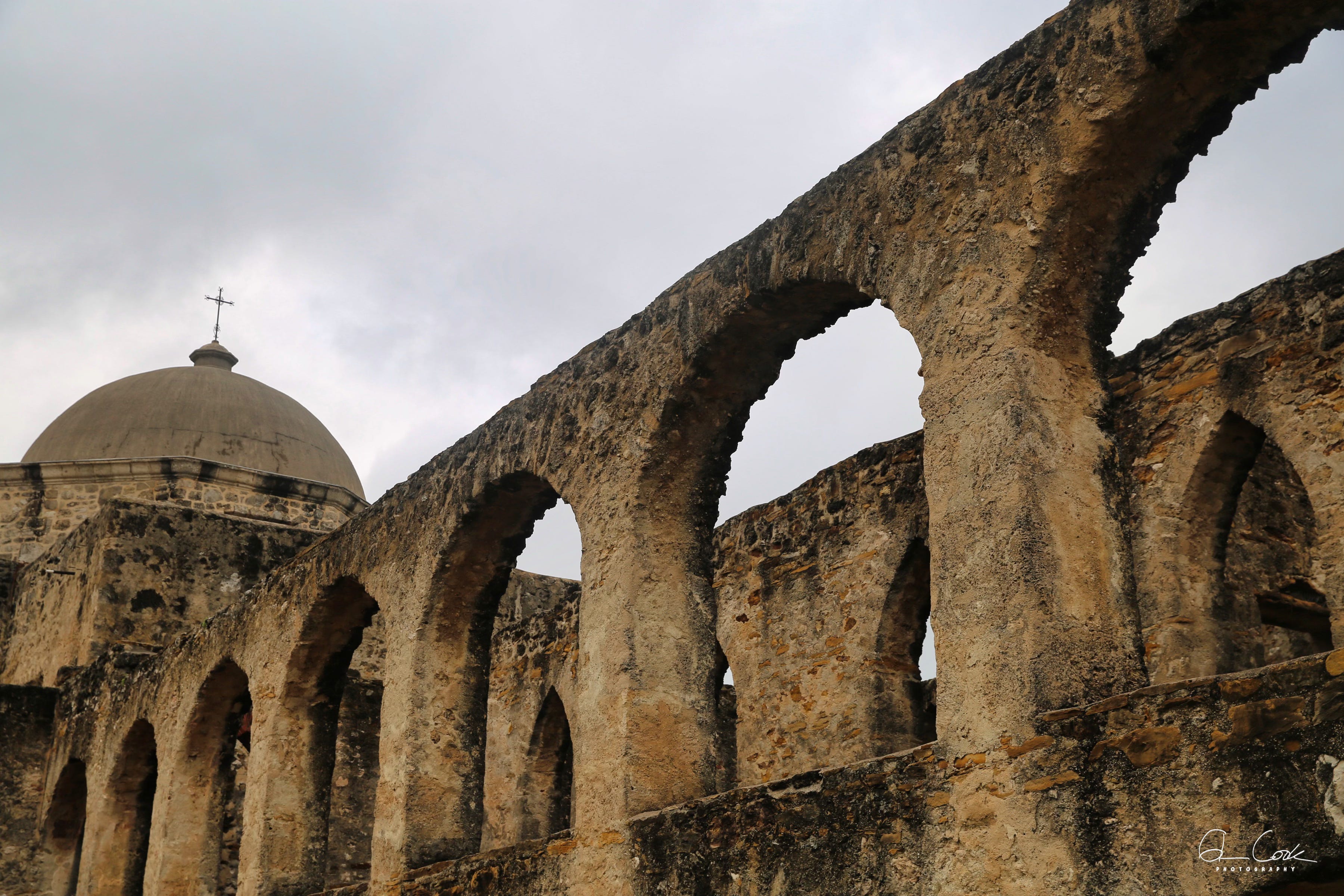
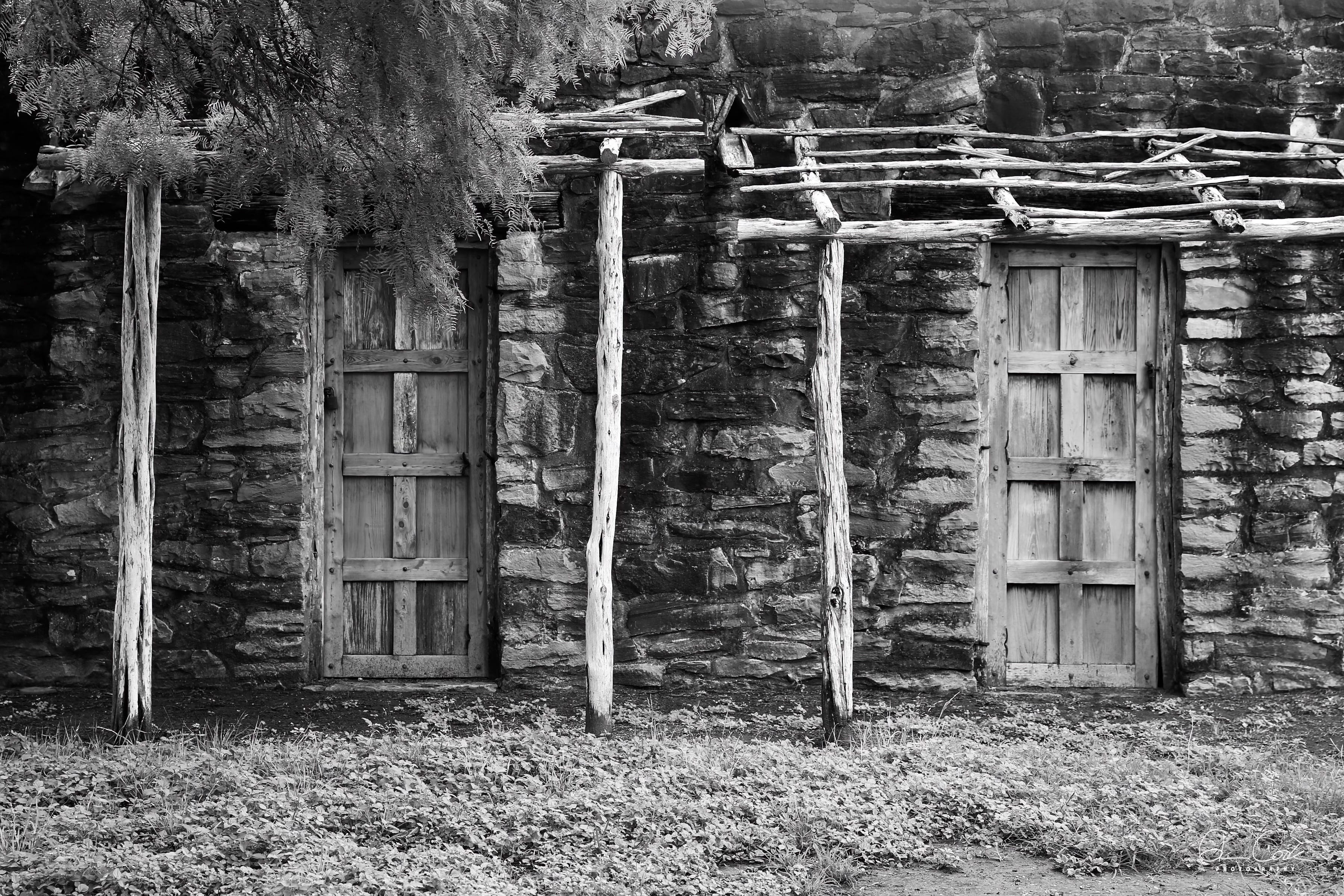
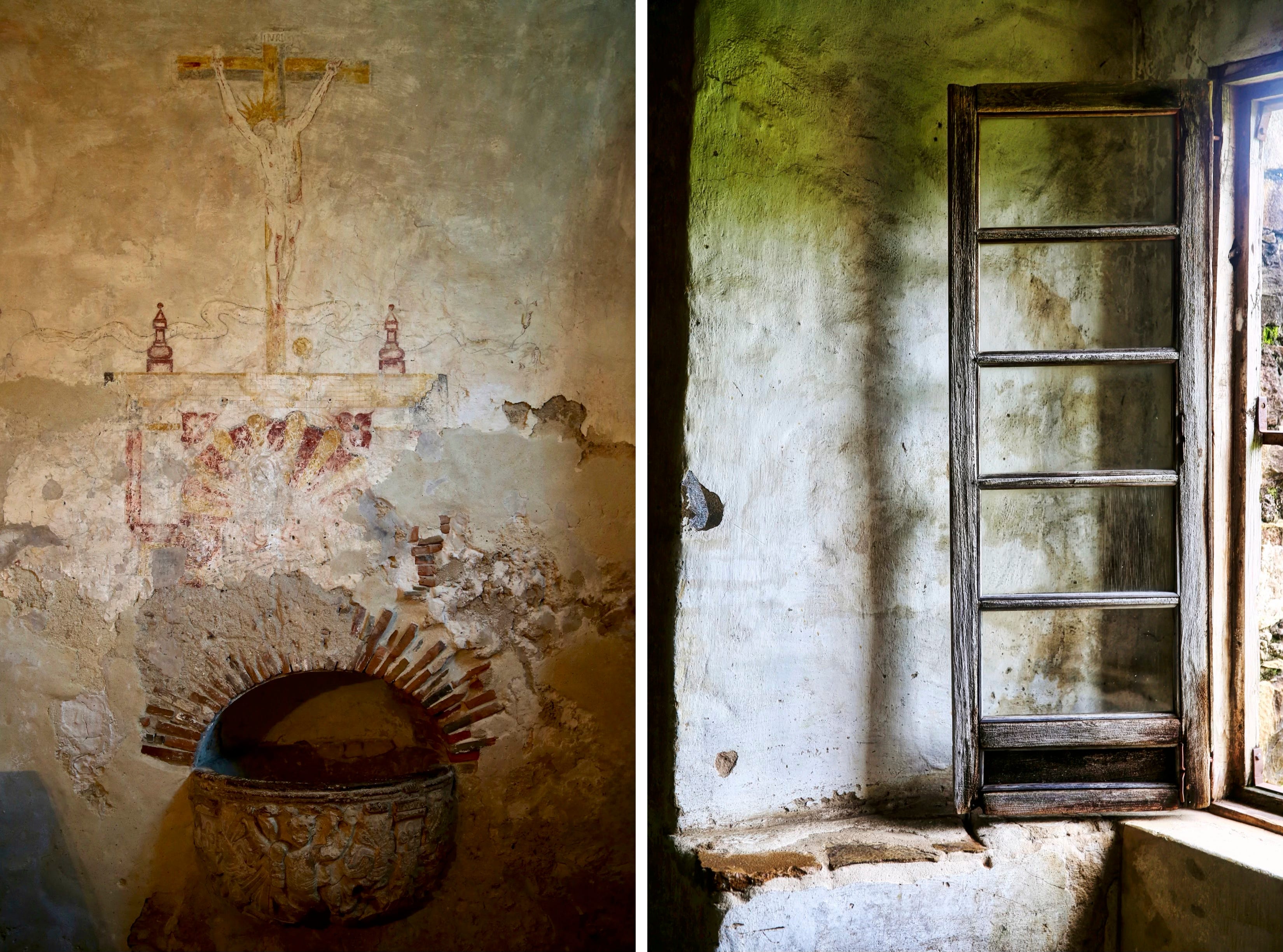
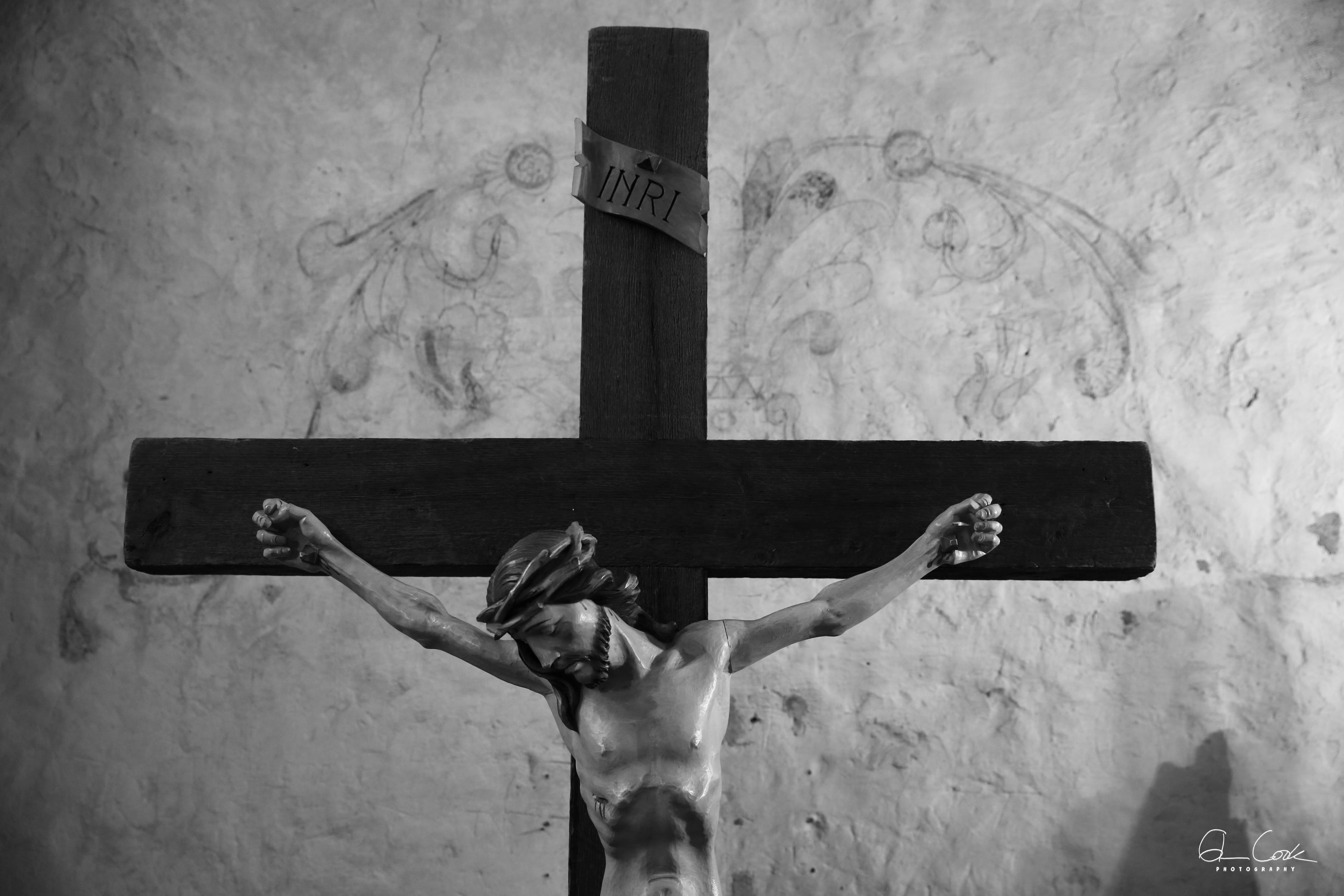
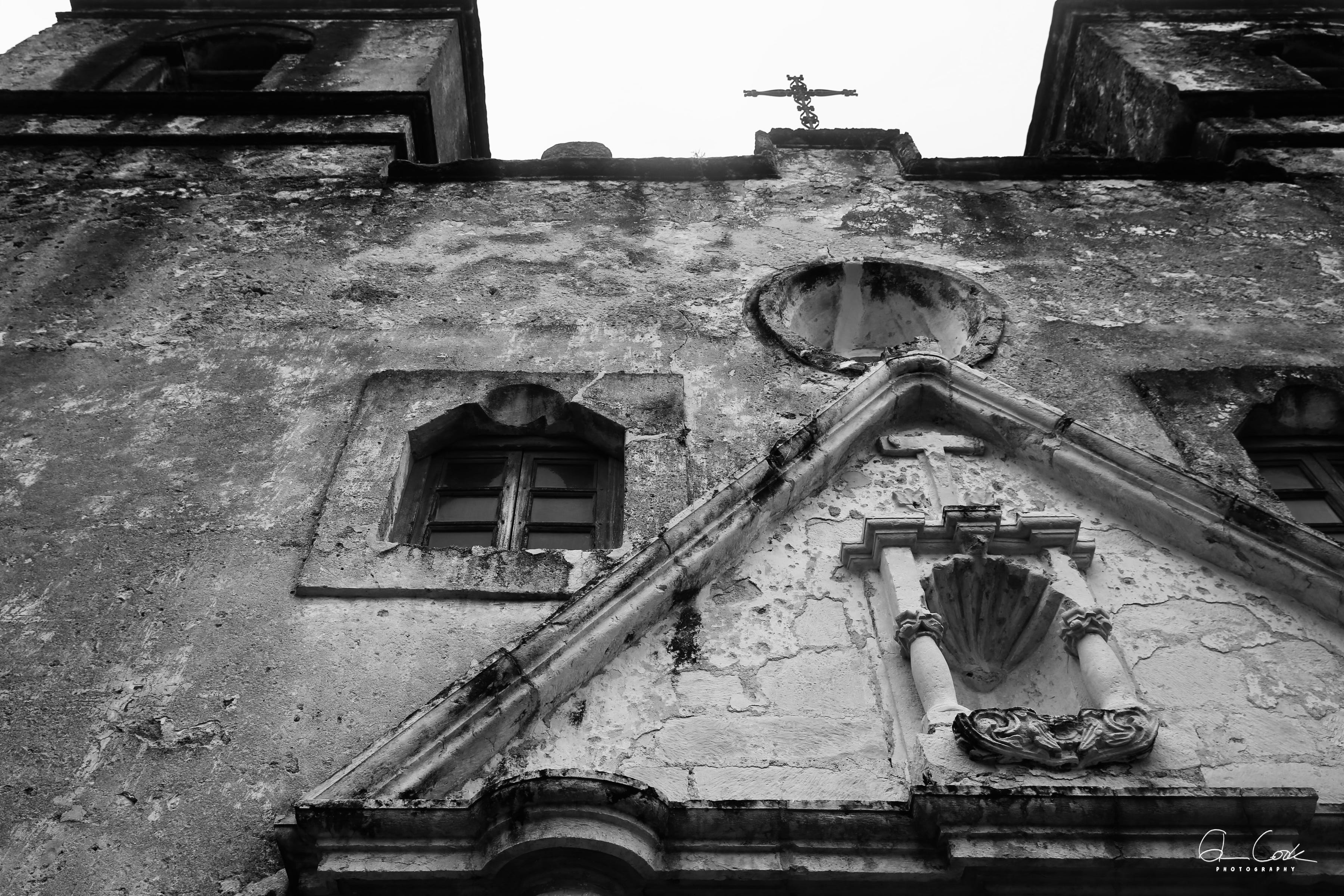
Located along the San Antonio River on the city’s south side, the four Spanish missions were built more than 250 years ago by Catholic religious orders in an effort to bring Christianity to local natives. Other than an expansion/restoration in the 1930s to mark the state’s centennial, Mission Concepción, Mission San Jose, Mission San Juan, and Mission Espada had not received much attention since.
At the time, the summer of 1978, that was changing. The Missions National Historical Park was established in 1975 and put on the National Register of Historic Places. It is part of the Mission Parkway, which includes more than 80 historic sites along the river. Owned by the Archdiocese of San Antonio, each of the four missions is still run as an active parish, and the park receives more than 1 million visitors a year.
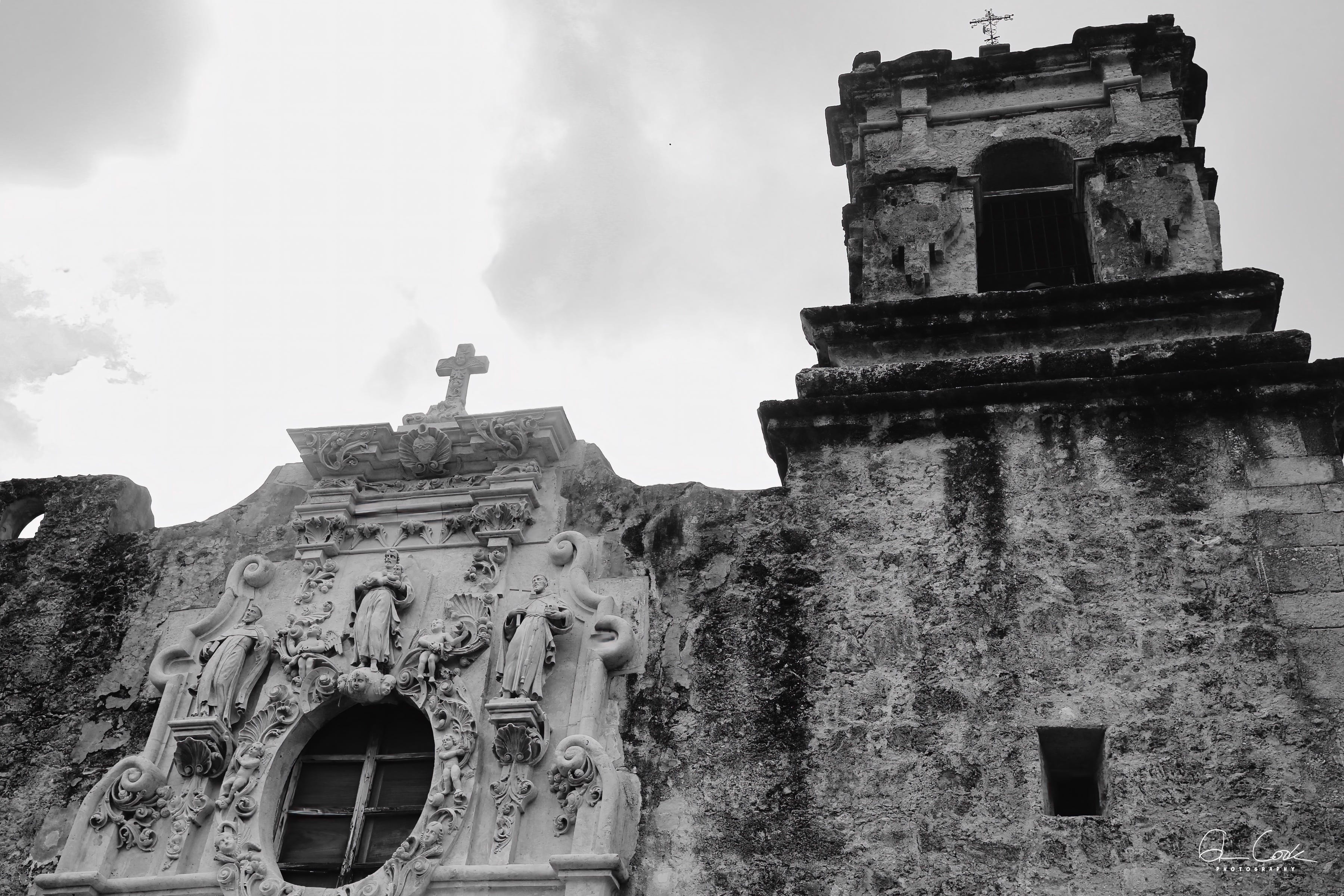
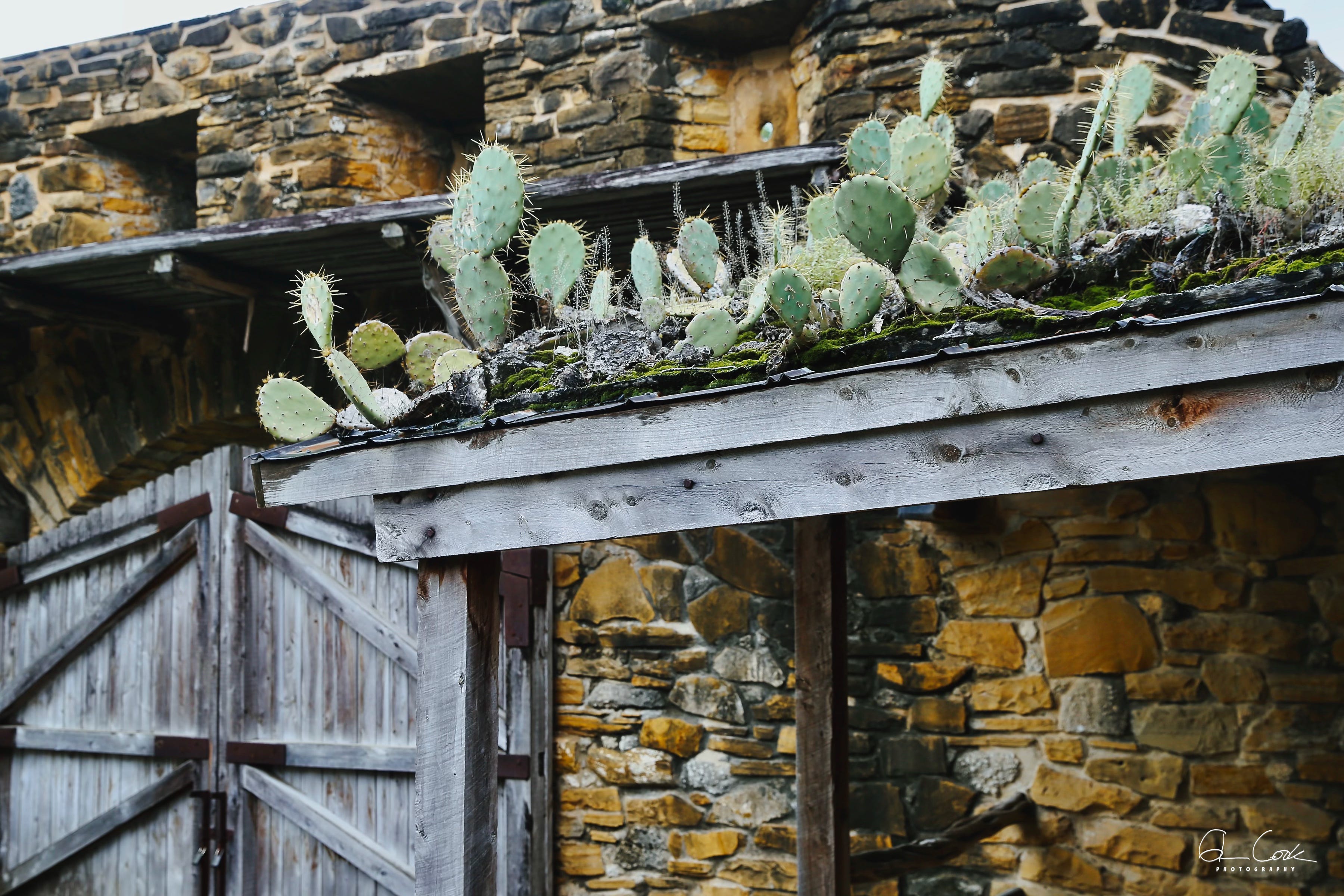
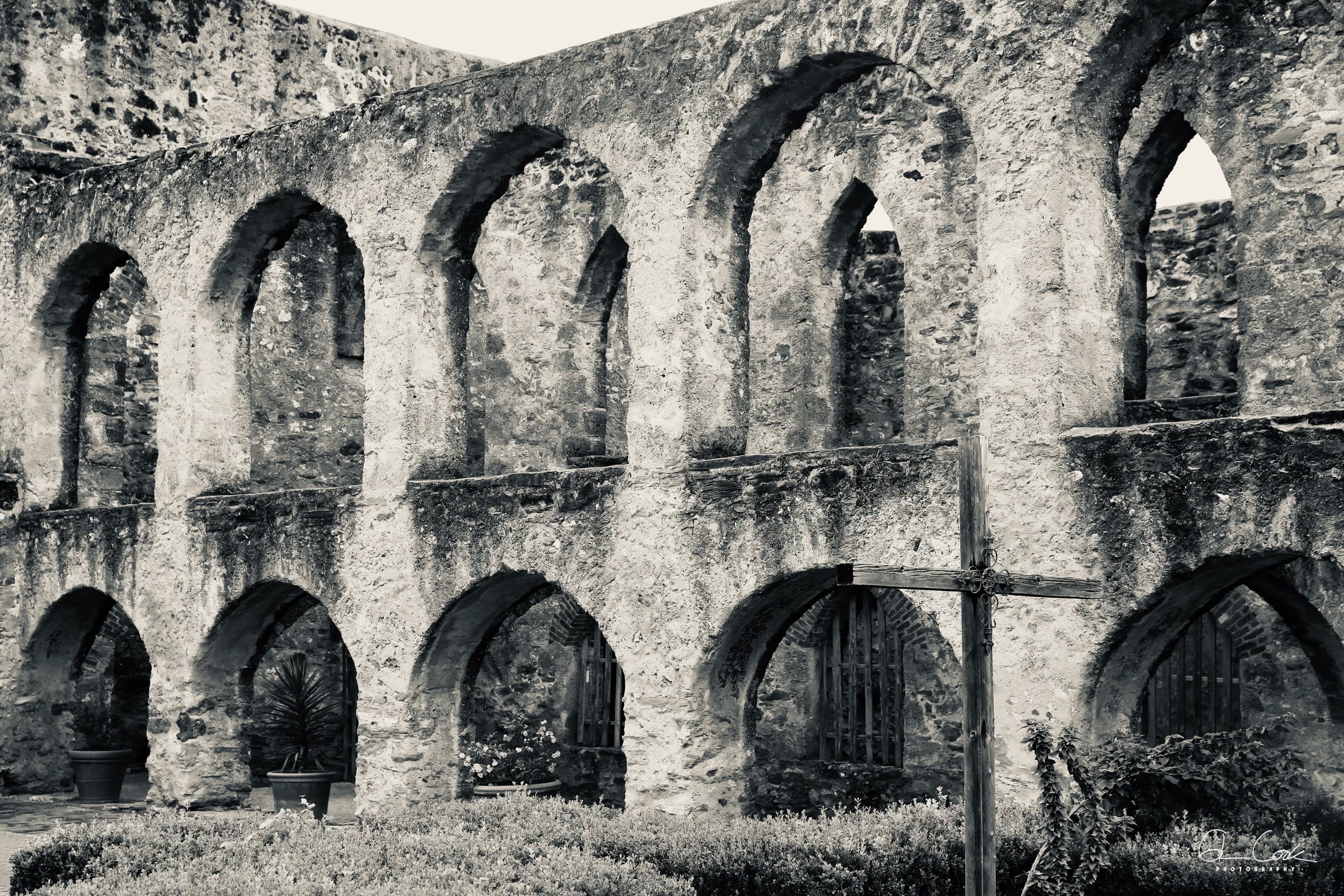
Several years ago, on a visit to my home state, I took my camera on a cloudy morning and visited the Alamo, San Fernando Cathedral, and the missions again. It made me think back to those trips with my parents and the times that I managed to give Mr. Christian a little additional heartburn.
Here are the photos from the missions:
When I took the Billy Elliot kids to the Alamo, we were given a tour by the curator/director of the site. Fascinating presentation, but way more than I ever expected. Your Dad would have been thrilled! The "outlying" mission buildings are beautiful. Thanks!