Pompeii
A photo tour of the ancient Italian city buried by a volcano almost 2,000 years ago

I’ve been blessed, especially over the past 15 years, to travel quite a bit. The majority has been for work, although I was on the road often when our teenage son was touring the U.S. from 2011 to 2013 and 2014 to 2016.
Over the past decade, since our children started graduating from high school, my wife Jill and I have expanded our travels and moved beyond the borders of the continental U.S. We went to Aruba and Toronto, Canada in 2015, Zurich and Paris for work in 2016, Puerto Rico in 2019 and 2024 on work trips for Jill, Hawaii just before the 2020 pandemic, and Mexico City last year.
But the country we’ve visited and seen the most is Italy. We’ve been twice, once to Venice and Burano in 2017 and to Rome, Naples, and the Amalfi Coast in 2024. (I hope a visit to Florence and Milan is in our future.)
On every trip, my camera has come along for the ride.
Over the past several months, I’ve started posting more “Visual Stories” on Substack to share photos and tales from these travels. Unlike my “Another 52 Weeks” series, which features random sets of photos from my archive, these “Visual Stories” — mostly photos but with a short narrative — are centered around a place, theme, or a tale worth telling.
Since our most recent Italy trip, I’ve posted essays on Galleria Borbonica, an underground tunnel in Naples; tours around Rome and Naples; and last month, a photo walk through the Collosseum. (Click on the links to see any of those stories.) Future posts will look at Vatican City, Venice, the Doges Palace and Cathedral, Burano, Amalfi, and Positano.
Today, it’s time to visit Pompeii.
About the City and Tour
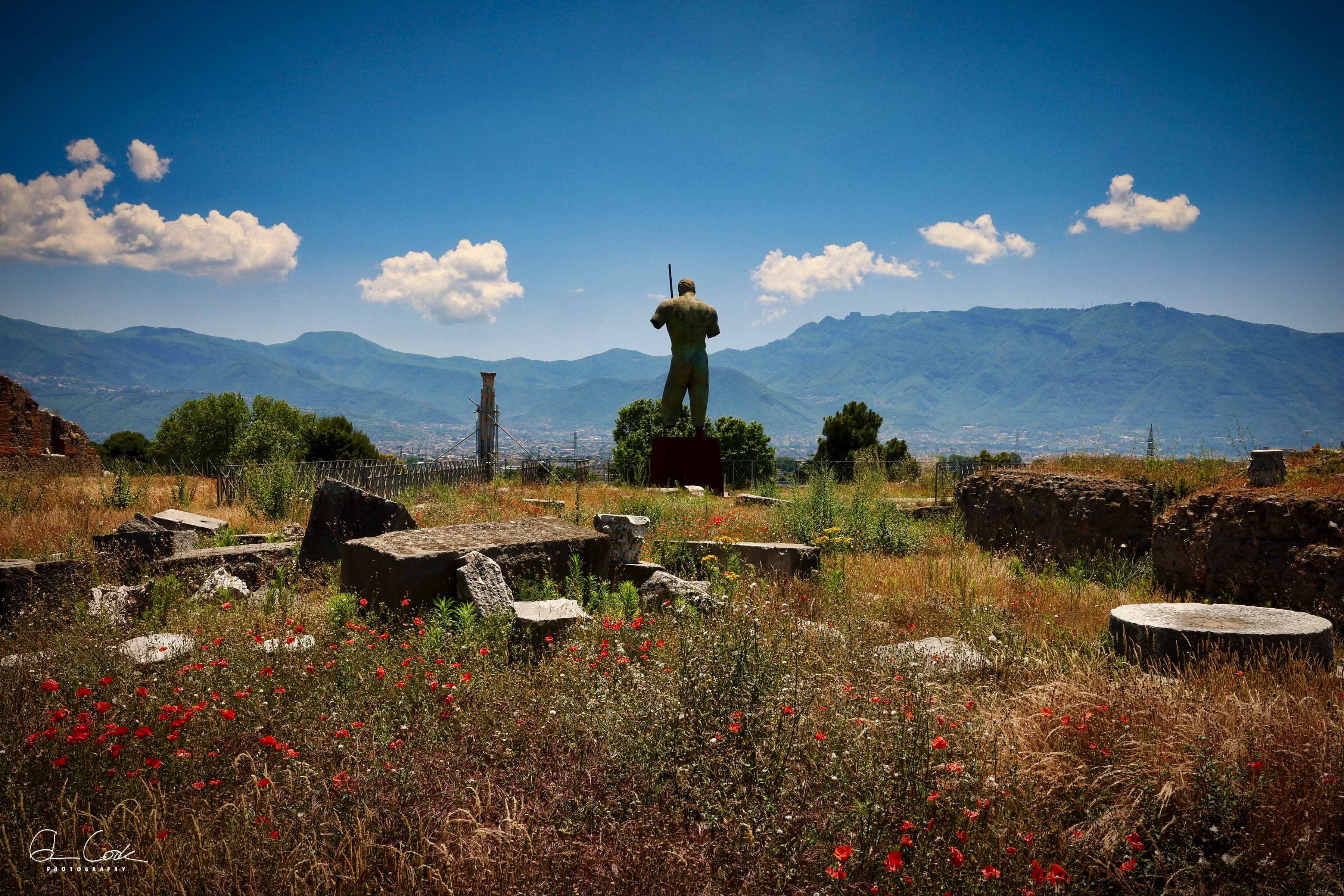
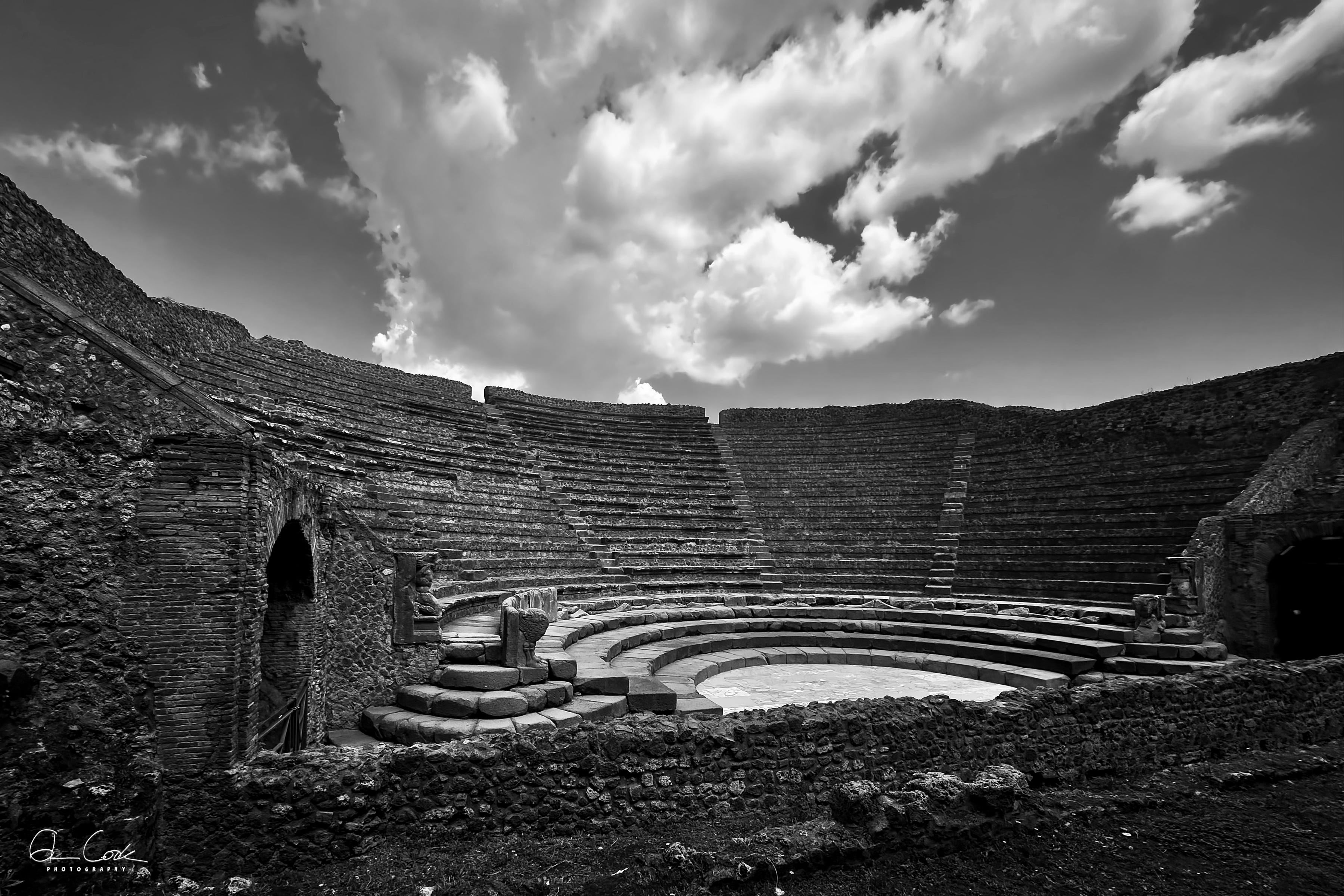
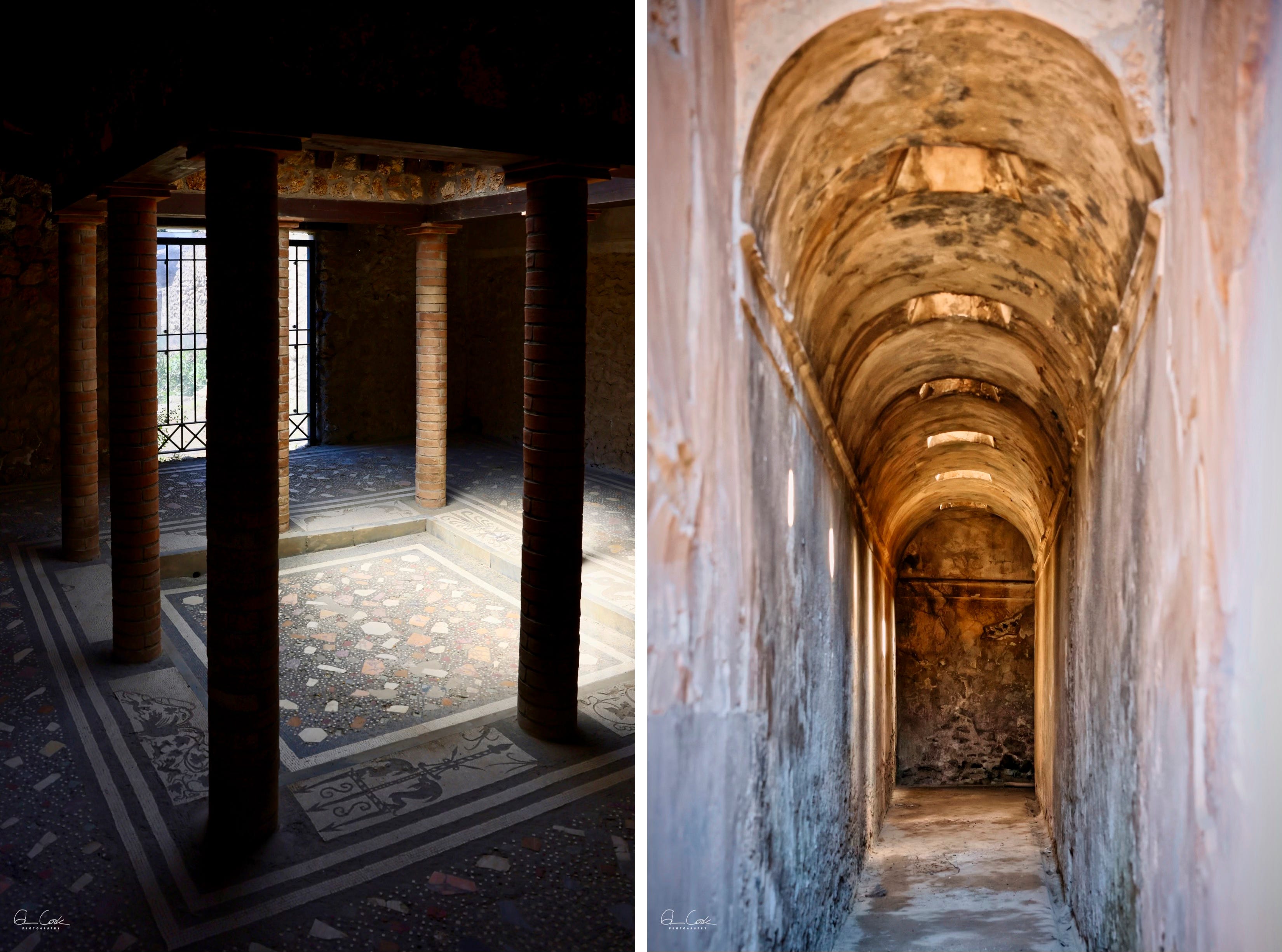
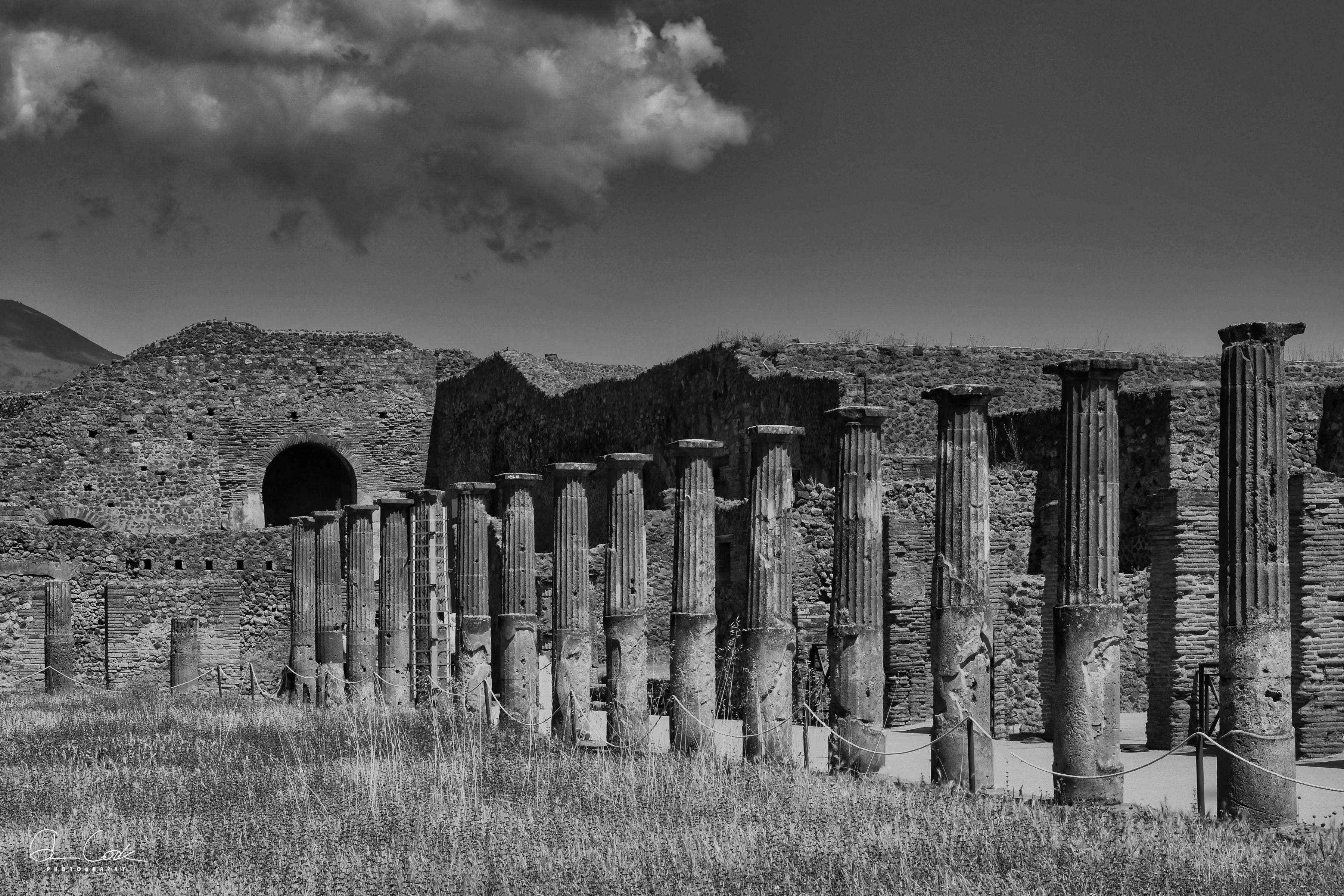
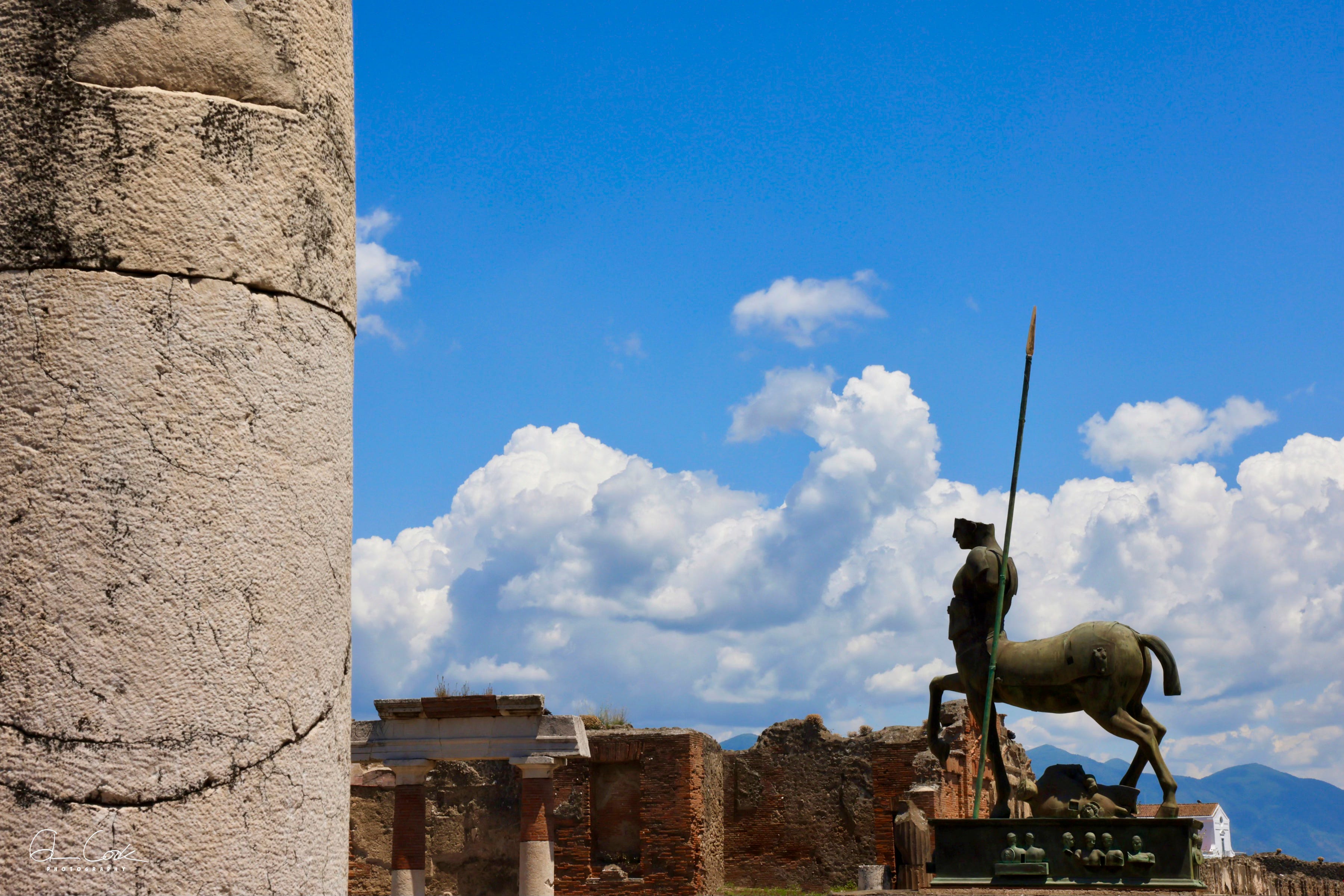
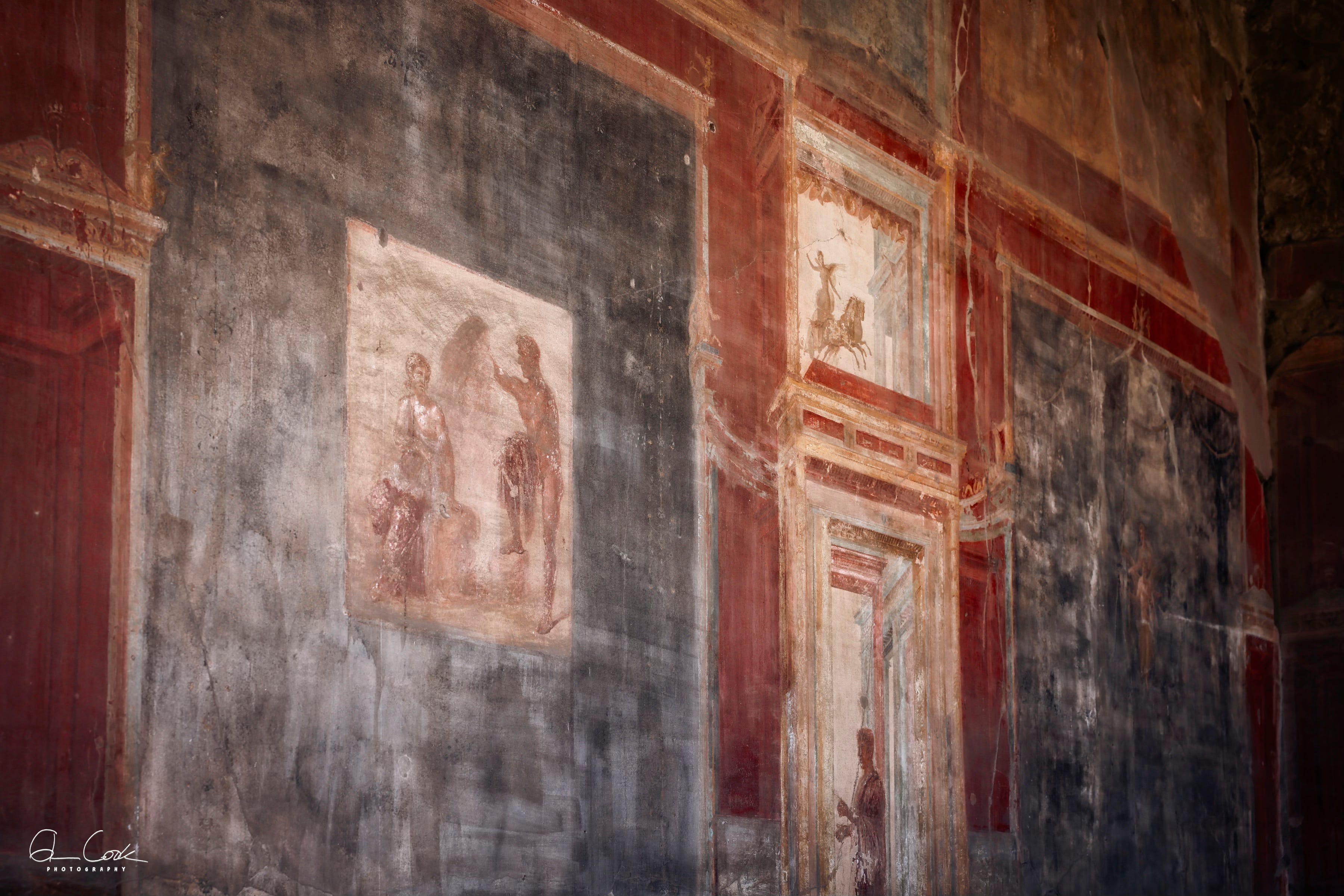
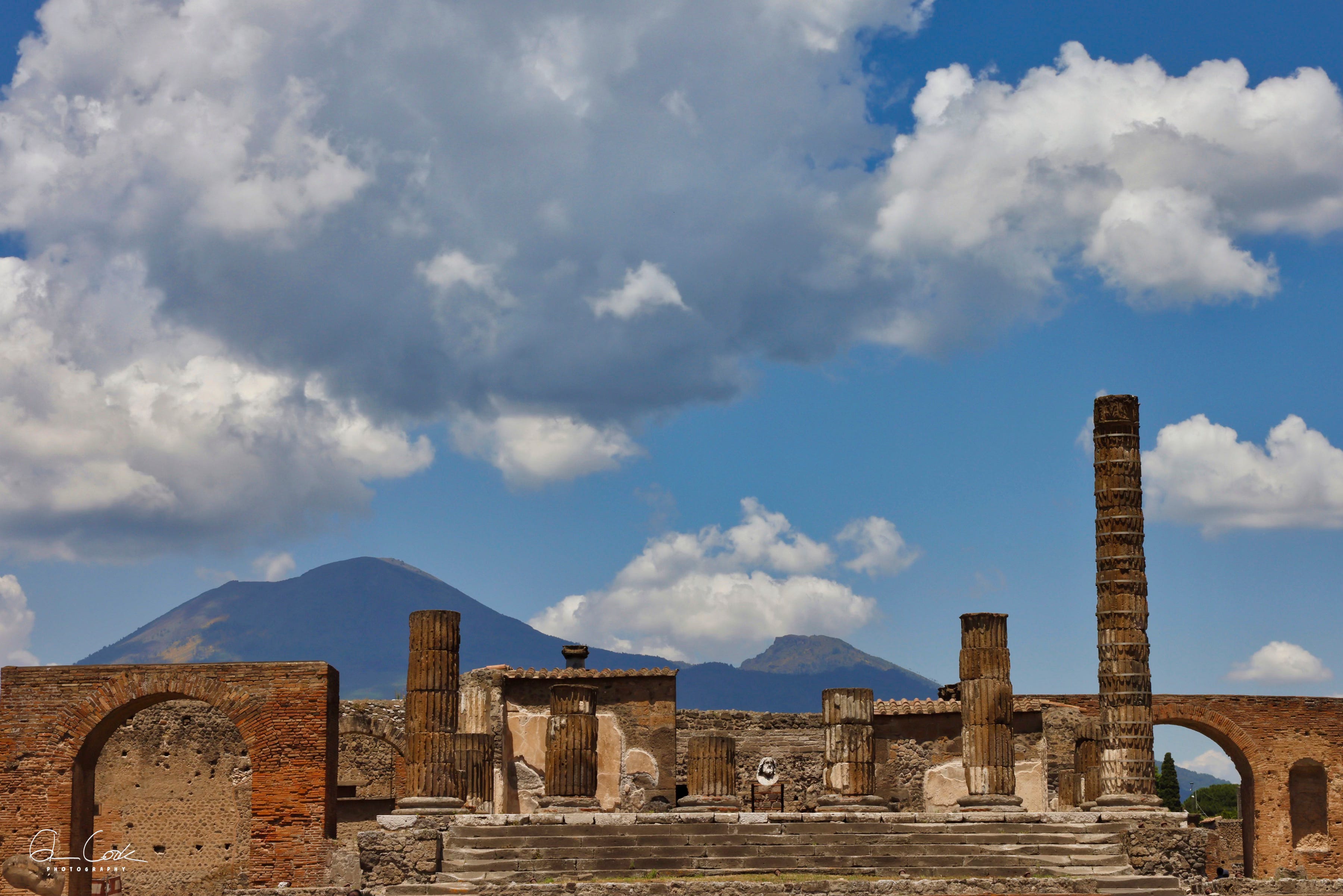
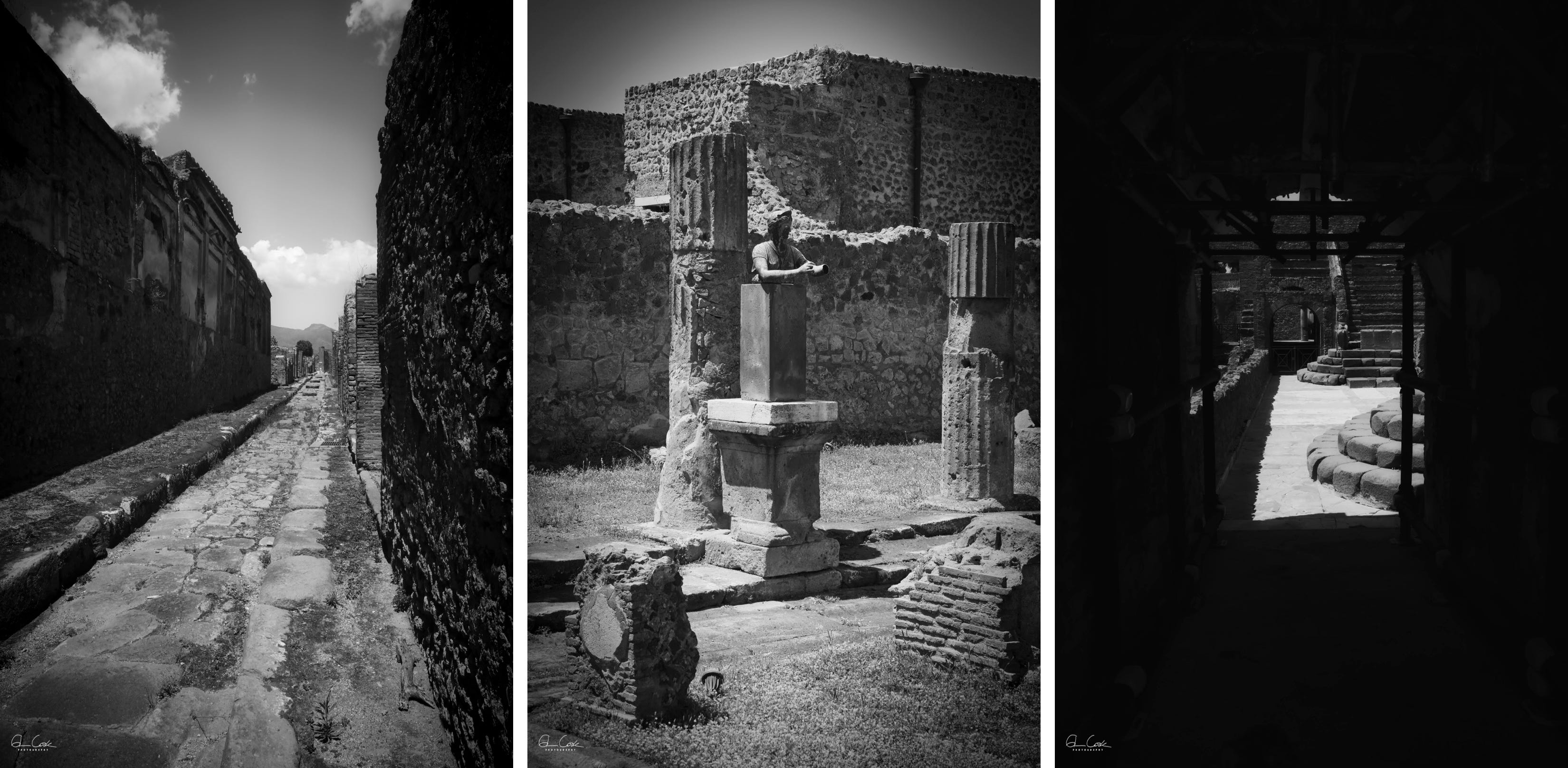
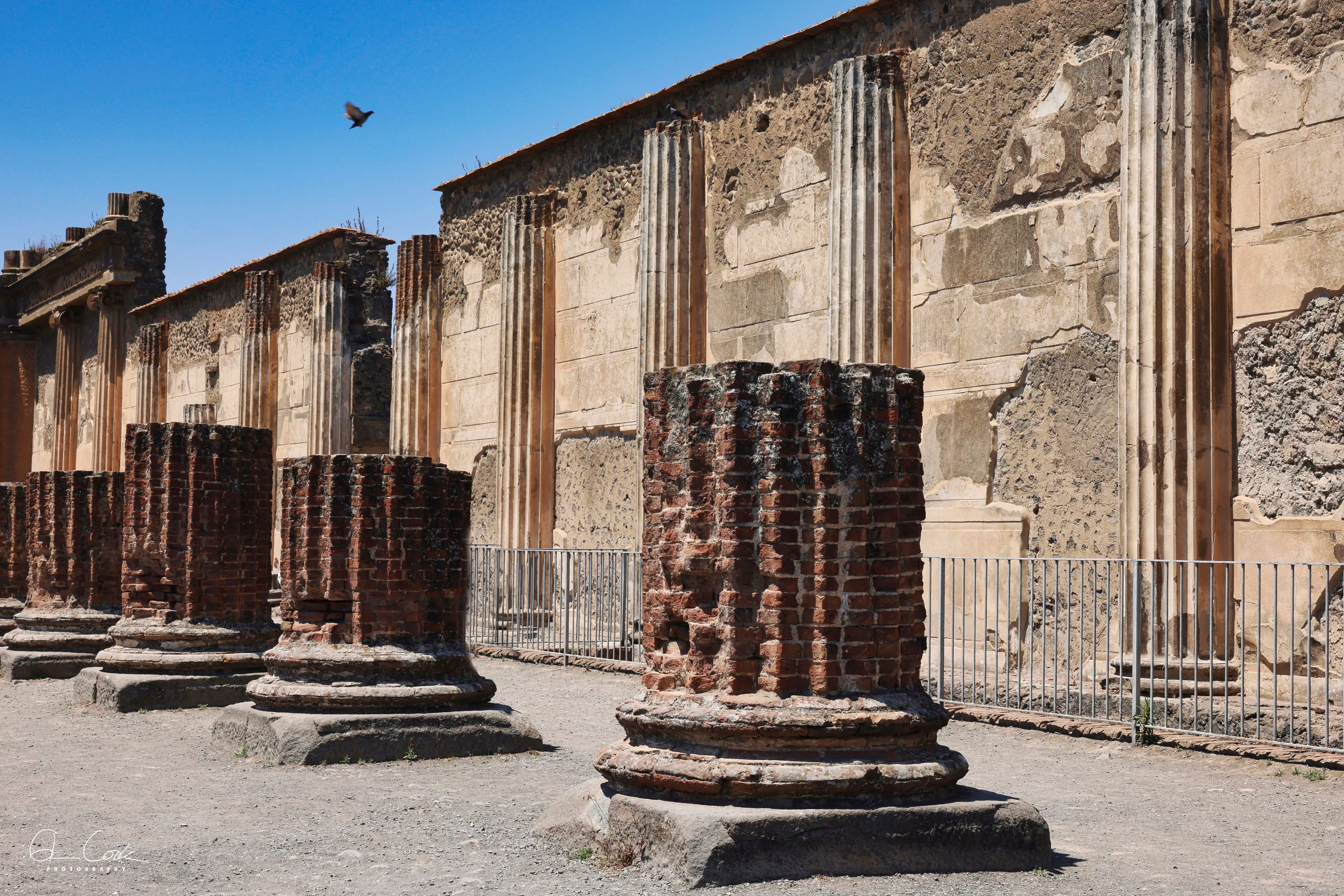
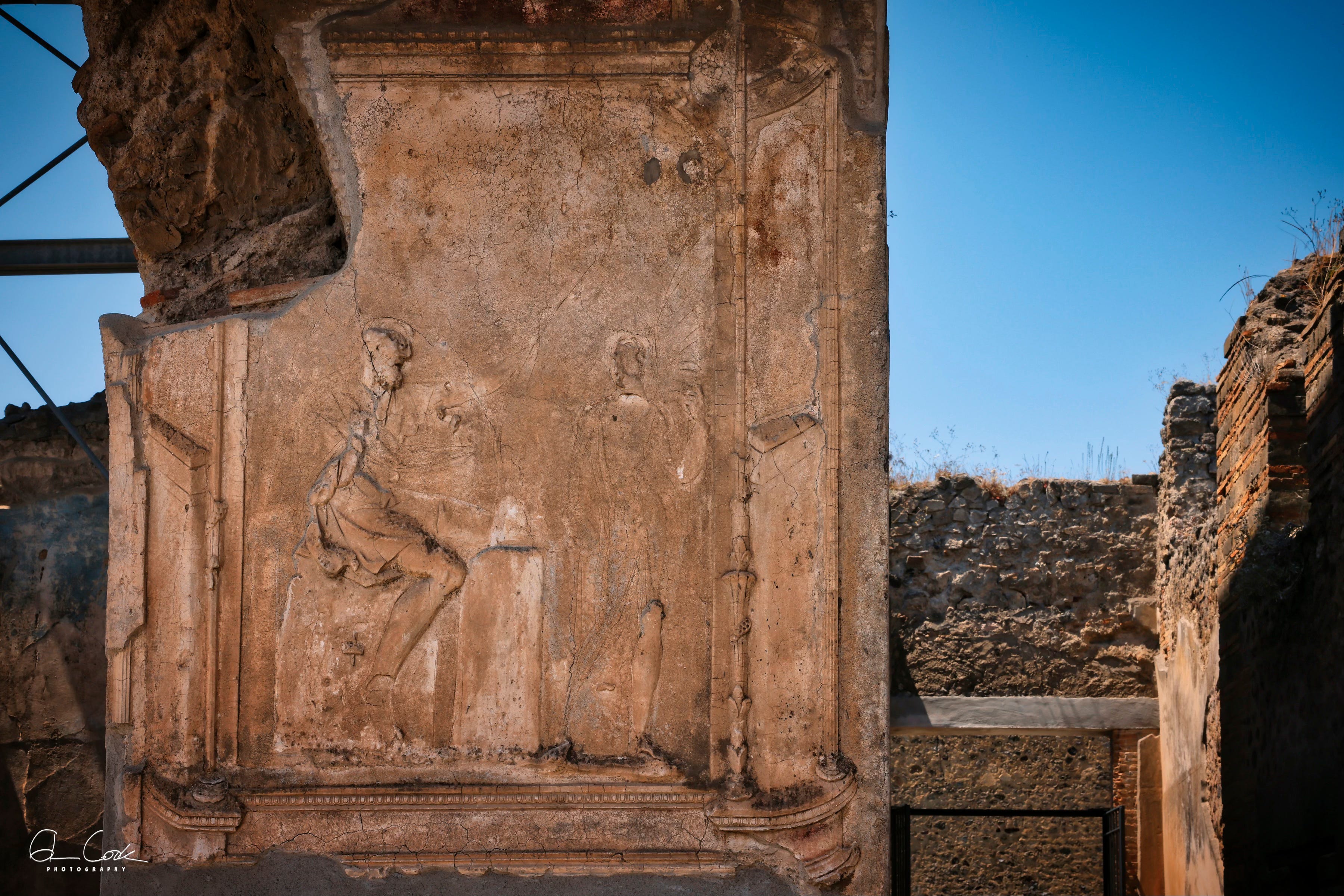
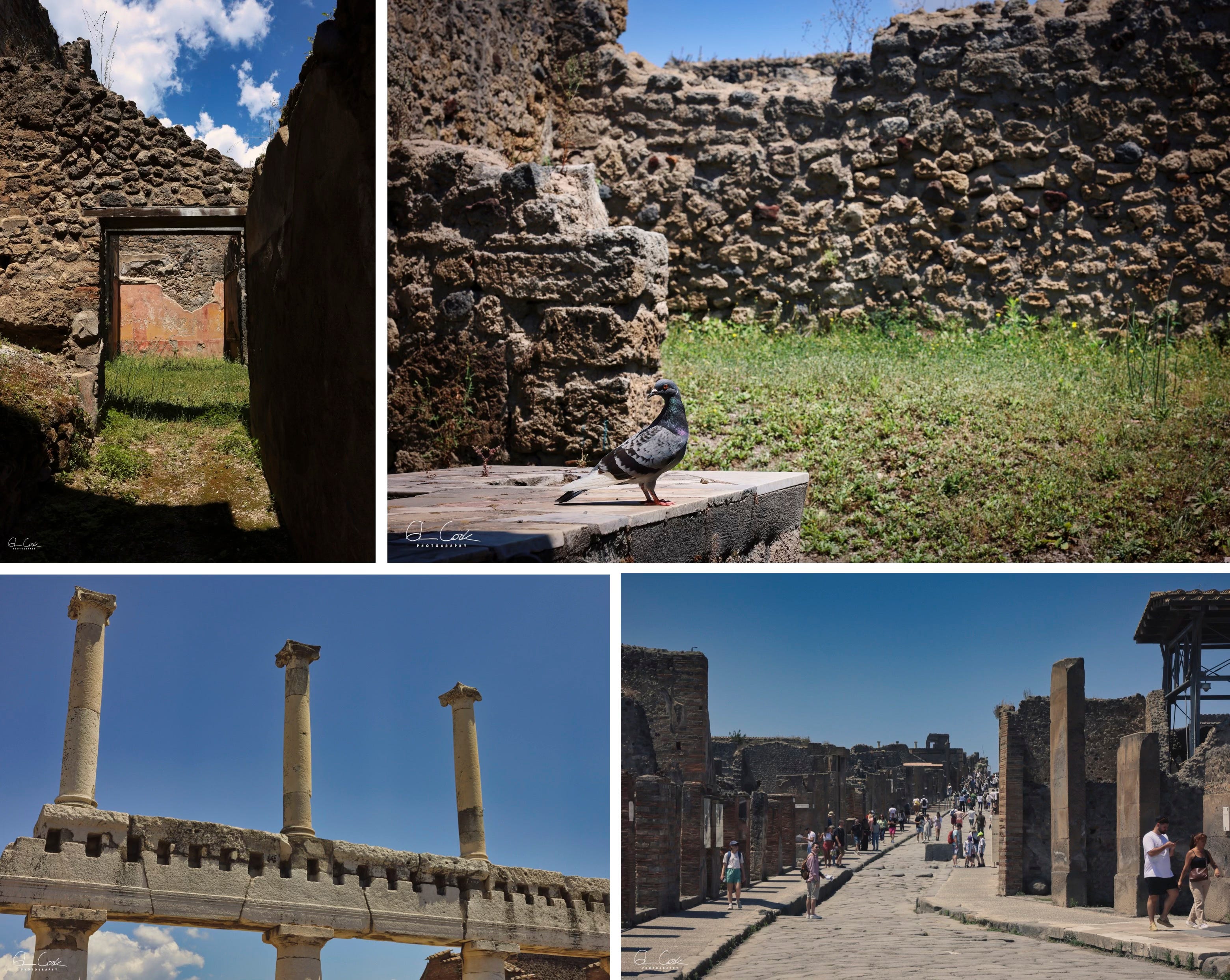
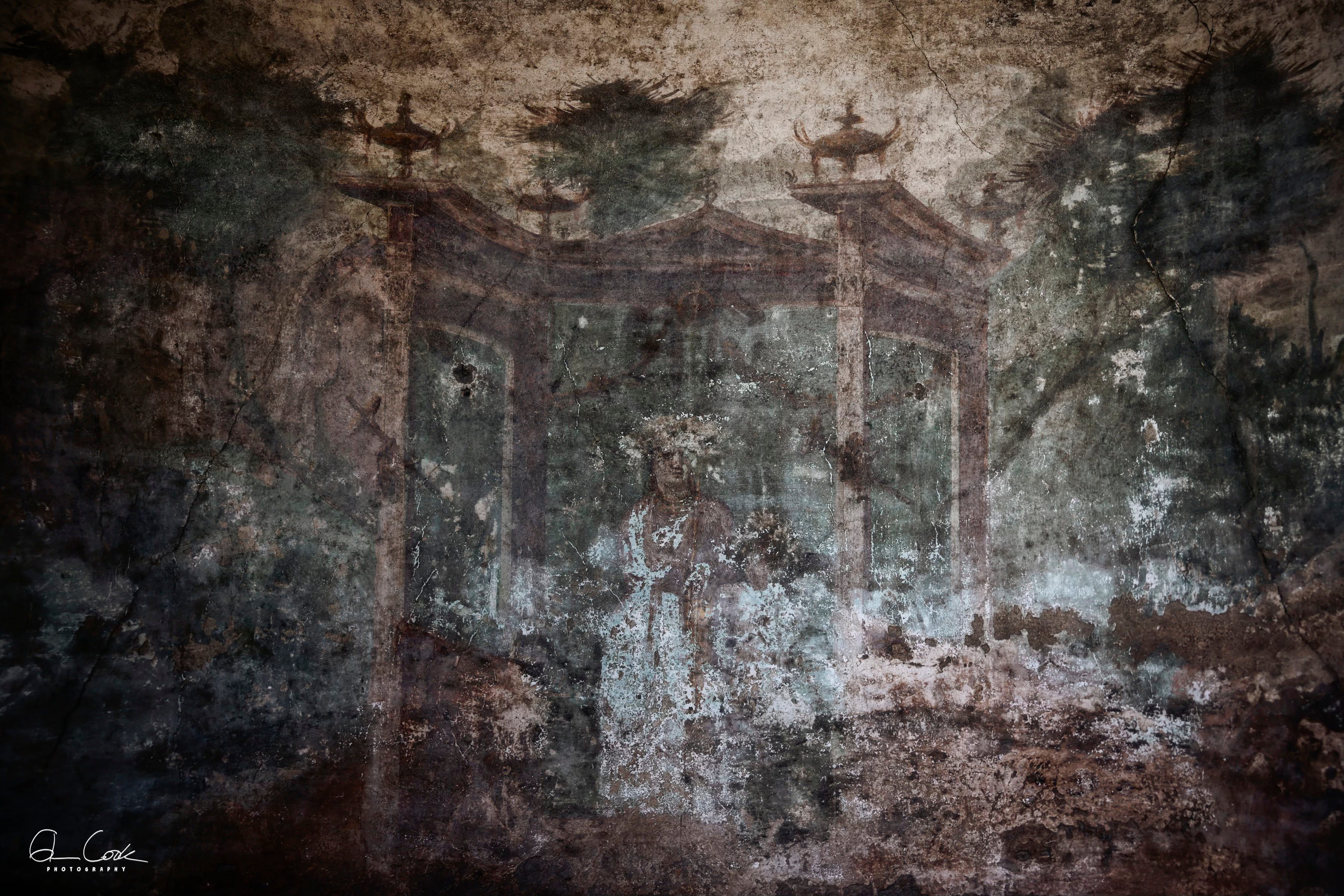
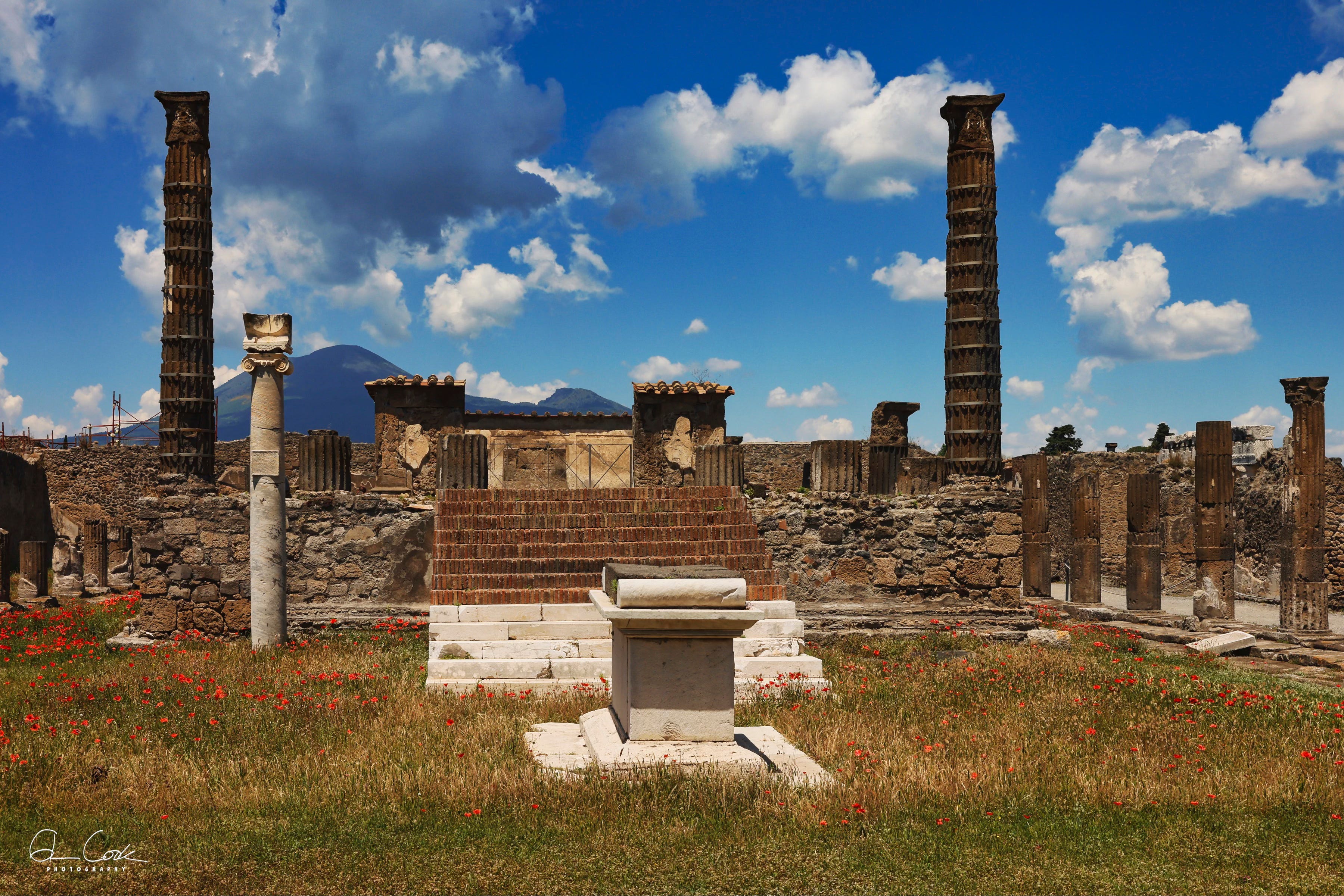
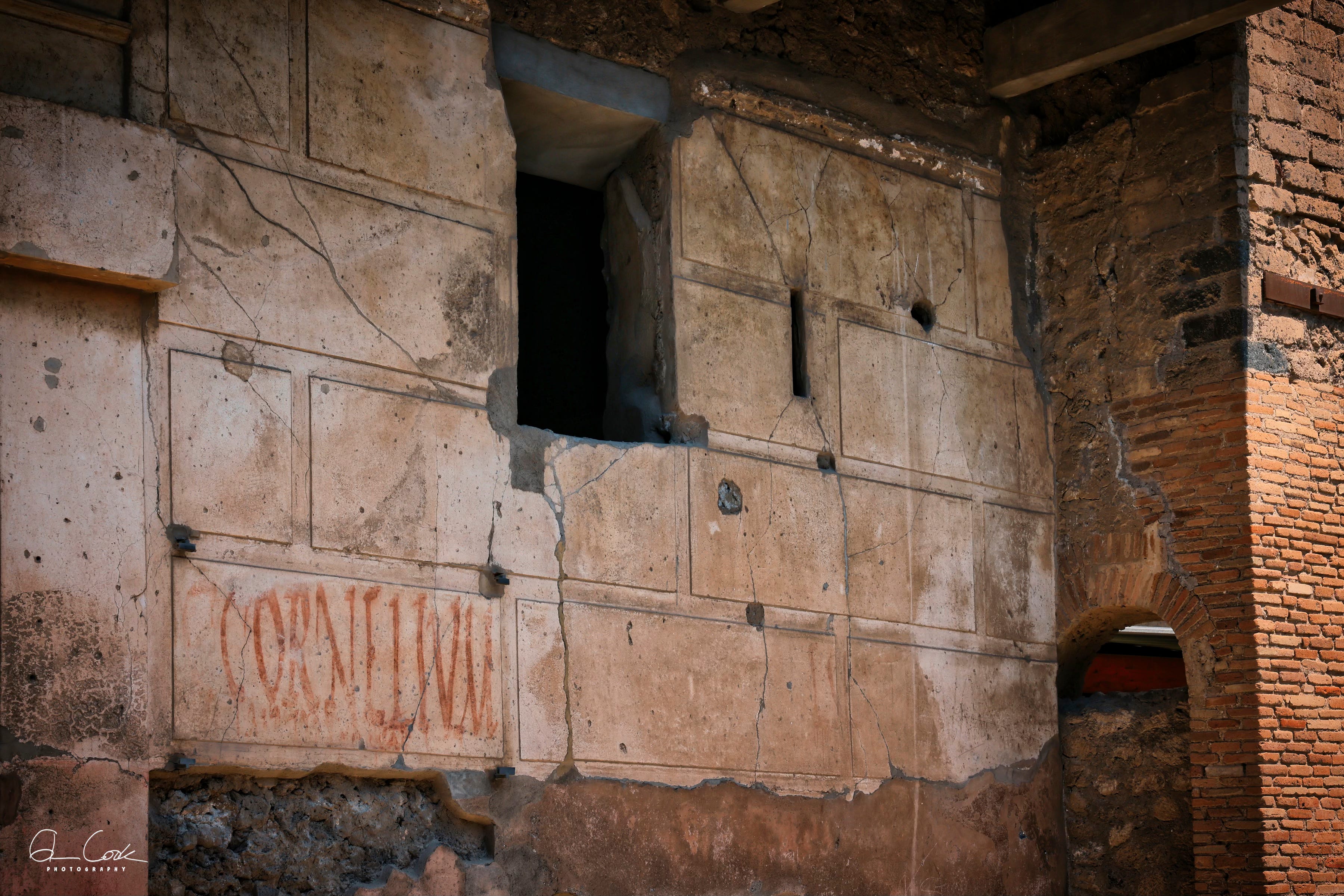
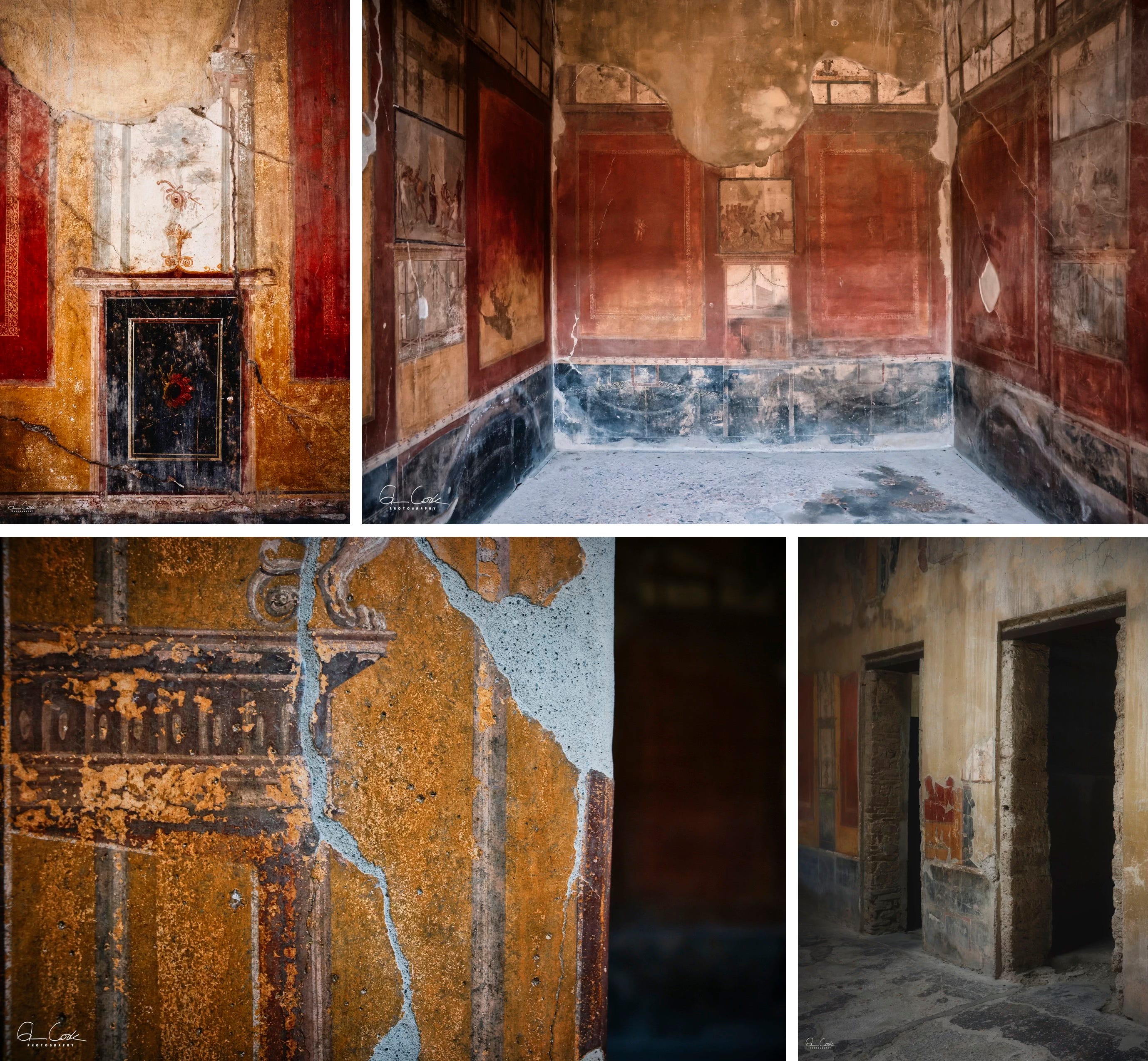
Located outside Naples, the city of Pompeii was buried under 13 to 20 feet of volcanic ash and pumice when Mount Vesuvius erupted in 79 AD. The city, which was largely preserved under the ash, offers a unique look at Roman life almost 2,000 years ago.
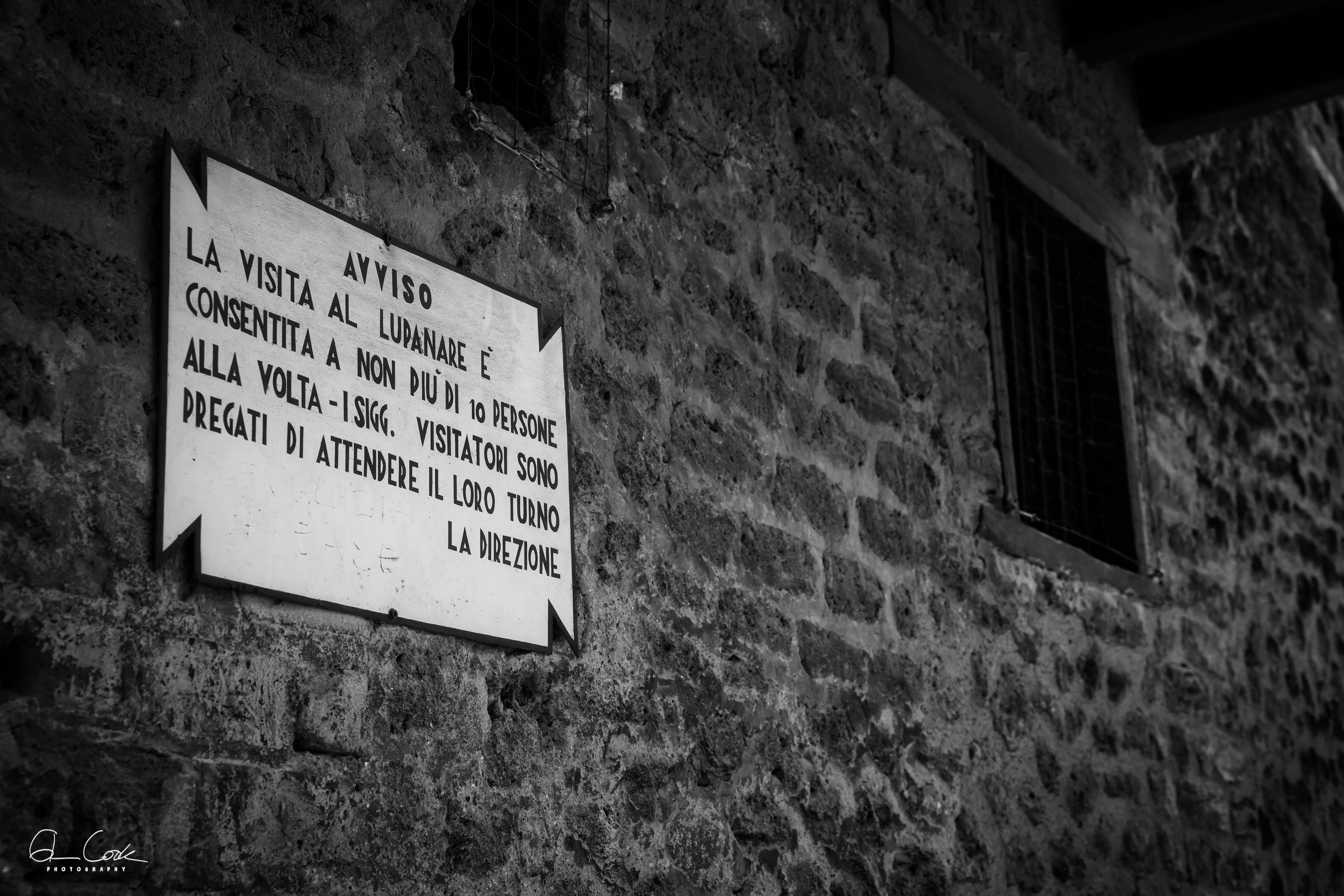
One of the most popular tourist attractions in Italy, Pompeii has 2.5 million visitors annually, according to the research site Statista. Declared a World Heritage Site by UNESCO in 1997, you can see the remains of public buildings, a number of luxurious homes, businesses, workshops, and an amphitheatre.
Discovered by archaeologists in the 16th century, Pompeii has been a tourist destination since the late 1800s. However, conservationists continue to worry about the city’s rapid deterioration, and tourism is limited to a maximum of 20,000 tickets per day. During the peak summer season, you can get in only with a timed ticket.
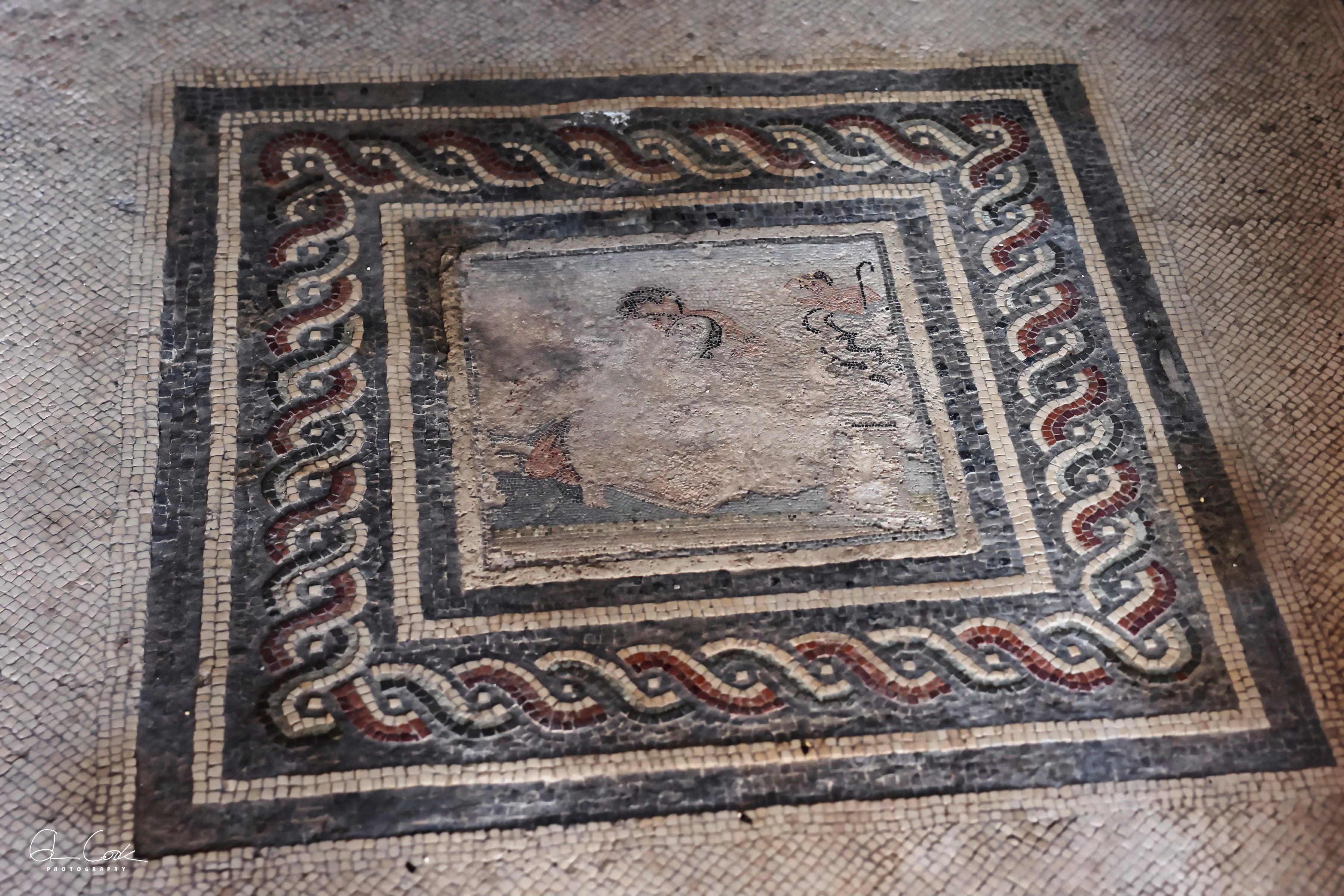
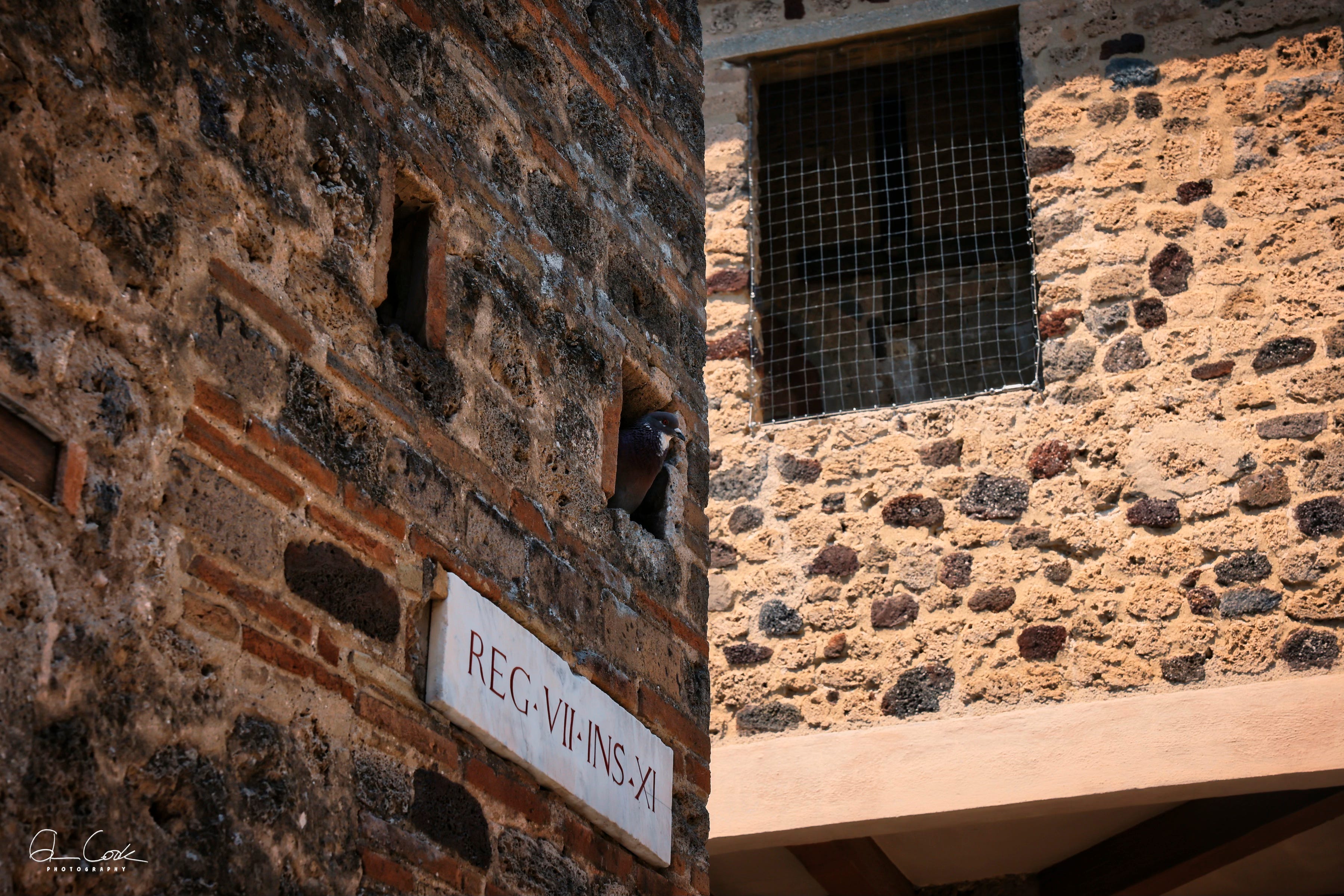
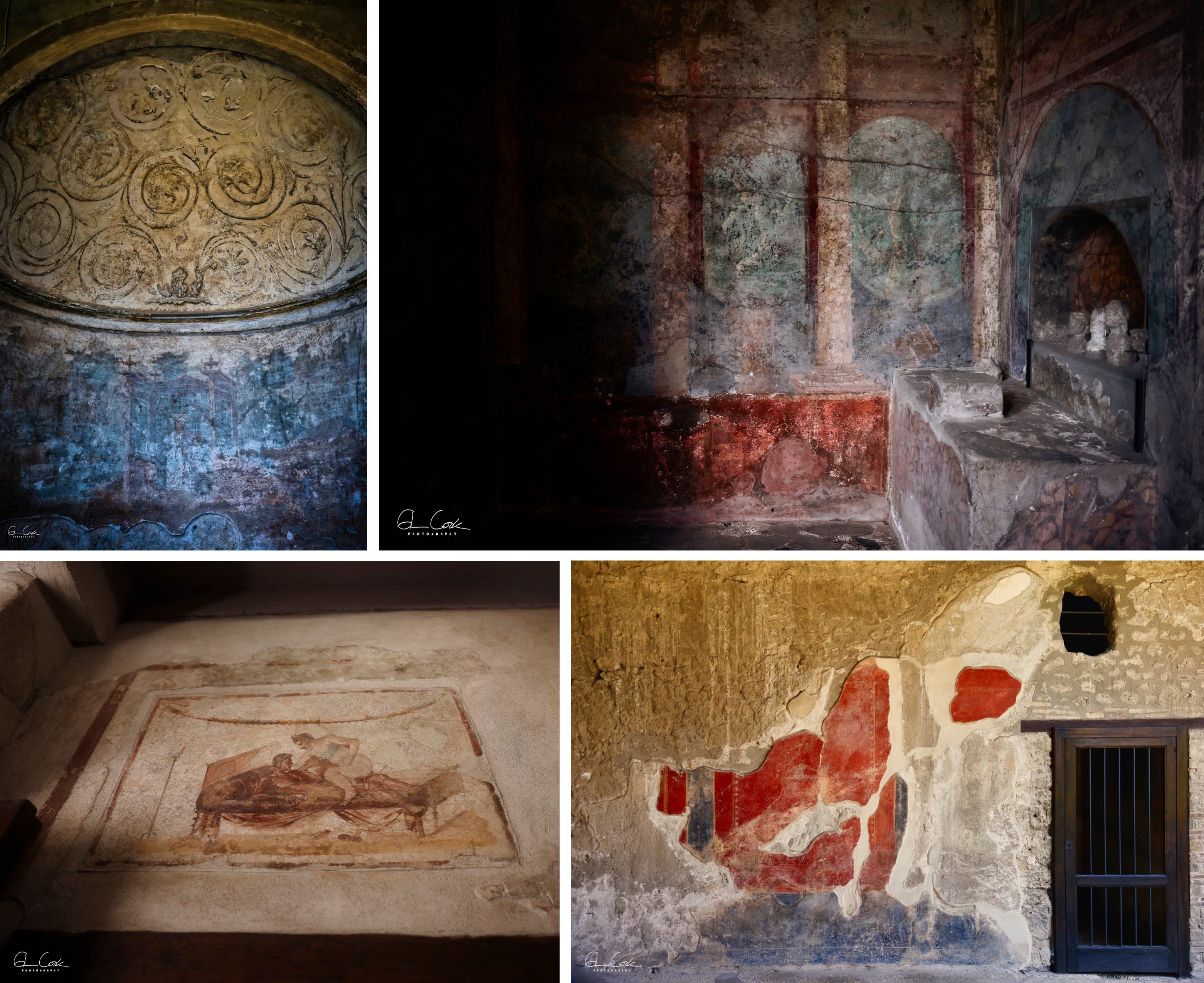
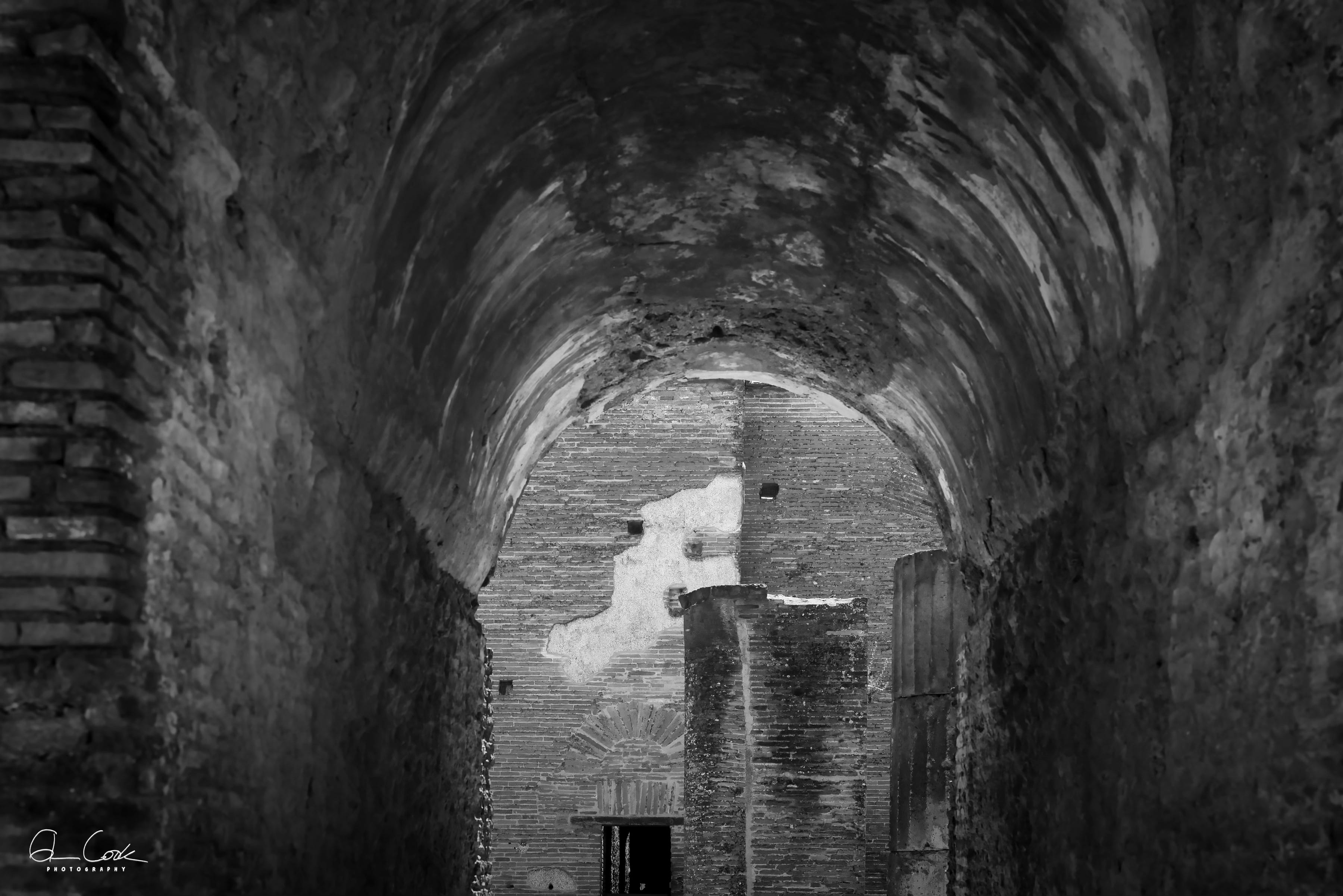
Jill and I visited Pompeii on our last full day in Italy in May 2024. We left early in the morning with a tour group, and the crowds were not terrible at the start, unlike our tours of the Collosseum and Vatican City. However, by mid-morning, the numbers had risen to the point it was challenging to get clean photos, but I tried.
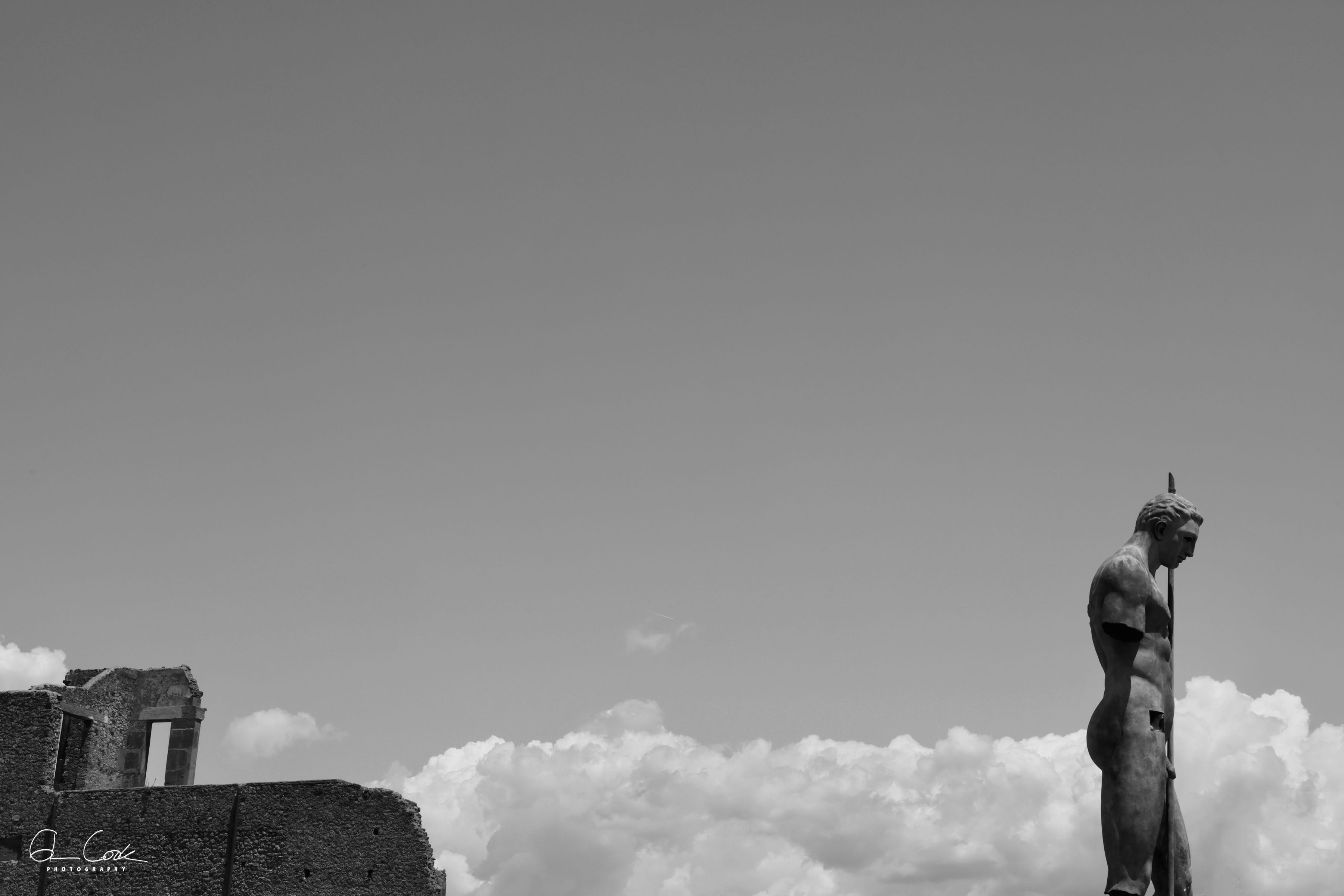
What do you think of the results? Do you have a favorite photo, or more than one?
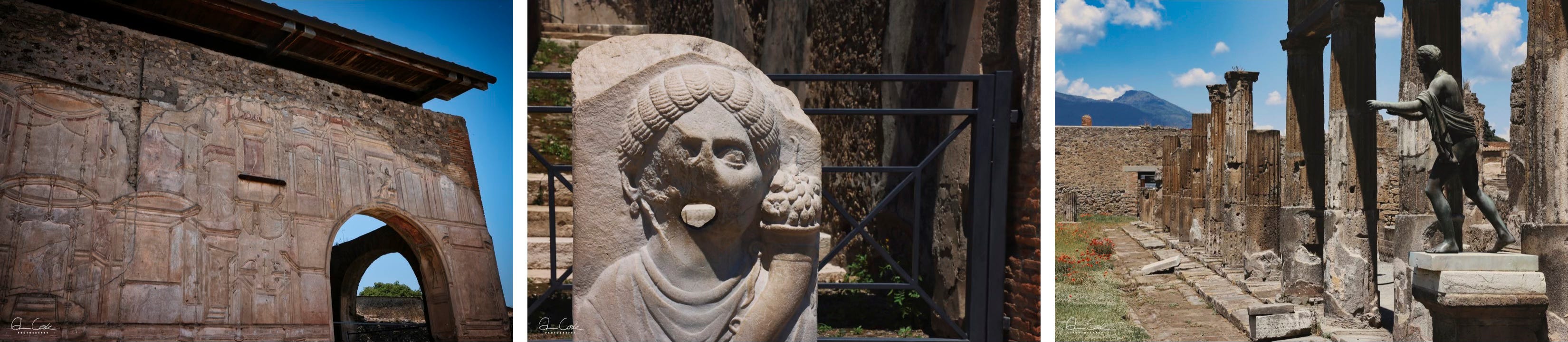
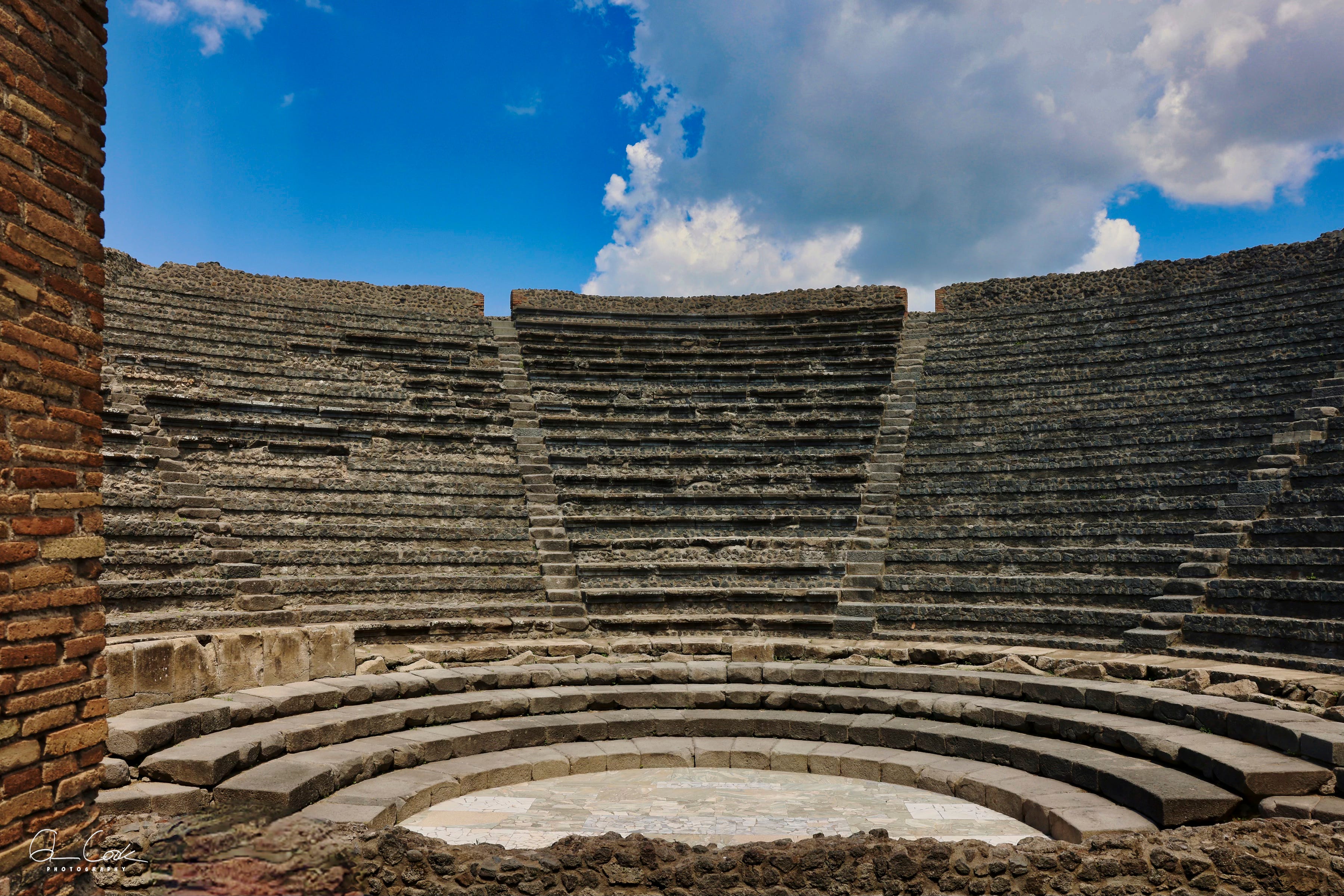
Gorgeous photos, Glenn. I visited Pompeii in 2012 with my Dad on my first European adventure. It is a magical place filled with history so thick you can taste it on your tongue. If you get a chance to get back to Italy, I would recommend Ostia Antica, a site similar to Pompeii about a half hour train ride from Rome. Ostia is massive and amazing. During our half day visit to the site, we saw less than a dozen other tourists. It was utterly magical.
Glenn,
These photos are stunning! We planned on going to Pompeii while in Italy last fall but simply ran out of time. We will go back and Pompeii is at the very top of our list to see.