
“Well, since you’re here, we have to go to the Notch. That’ll be fun.”
I wasn’t sure what my friend Eric was talking about — a restaurant? a bar? — during an early October trip to Vermont several years ago. I had gone up there to help him and his wife, Mary, clean out her late father’s garage and check off another state on my never-ending map of places to visit.
Eric and I describe ourselves as brothers from other mothers. (And other fathers too, for those who need clarification.) We’ve been friends for more than two decades, since bonding over a mutual love for the Houston Astros while our sons played coach pitch baseball.
For years, Eric had been trying to get me to see his beloved Vermont, where he spent the majority of his youth — his Astros fandom came from a brief childhood stint in Texas — and later met the love of his life. After college, Eric and Mary moved to Northern Virginia and he had become a career employee in the federal government when we met.
When the Vermont garage cleanout coincided with a lighter-than-usual fall schedule, it was time for me to make the trip. Unfortunately, peak leaf season had just passed, and the weather was starting to turn colder, but Eric was right. Vermont is beautiful and so is Smugglers Notch, a single lane mountain pass with a fascinating history.
A Slow, Steep Ride
Smugglers Notch is on state highway 108 (VT-108) that separates Mount Mansfield from Spruce Peak and the Sterling Range in Lamoille County. Driving up on either side, the warning signs let you know quickly that this will be a slow ride, complete with steep and narrow hairpin turns.
“We’re fortunate we’re here now, because it won’t be long before the weather turns cold enough that they shut the road down until the spring,” Eric said.
You easily can see why the tough to traverse route, located at the highest peak of the Green Mountains in the north central part of the state, is a chosen path of people doing things that aren’t necessarily lawful. In fact, the Notch’s name stems from a trade war that started more than 200 years ago.
Trying to prevent the U.S. from becoming involved in the Napoleonic Wars, Thomas Jefferson pushed through Embargo Act of 1807. The act, which forbade trade with Great Britain and Canada, presented problems for farmers in Vermont who relied on trade with Montreal, located less than 100 miles to the north.
The farmers continued to trade with Canada, using the Notch as a bypass to carry goods and herd livestock. Later, in the middle of the 19th Century, the route also was used by fugitive slaves looking to leave the U.S. After it was improved to accommodate automobile traffic in the early 1920s, Smugglers Notch became a chosen path for bootleggers to bring in liquor from Canada during Prohibition.
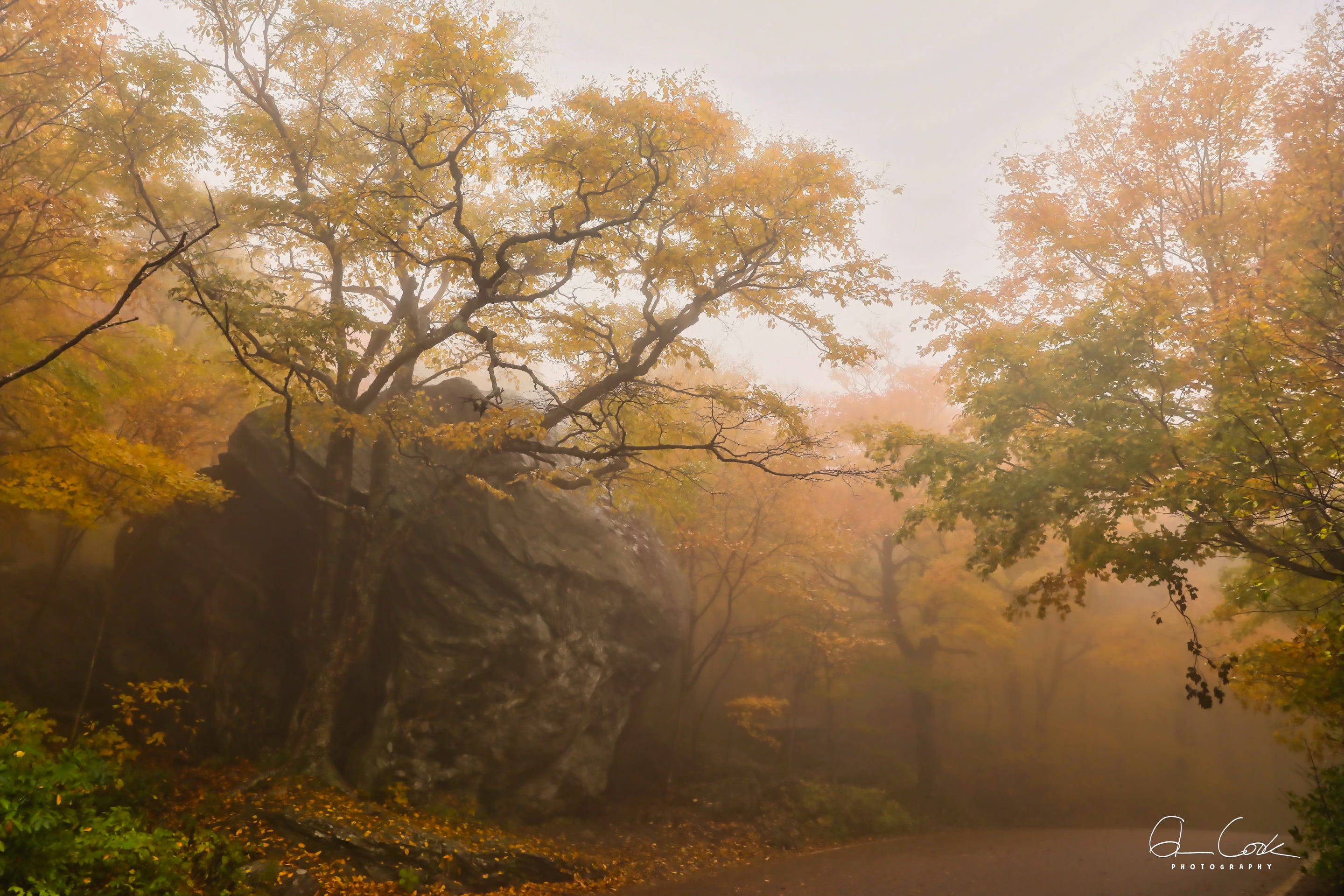
Eric explained all of this to me on a misty, foggy afternoon as we made the climb up the mountain. Passing the warning signs telling 18-wheelers and drivers of other large vehicles to turn around, he noted that many fail to listen and become jackknifed in a particularly tight curve, especially when the weather starts to get cooler.
“We better hope that doesn’t happen today, or we’ll be sitting for a while,” he said, noting that locals call the annual seasonal occurrence “stuckage.”
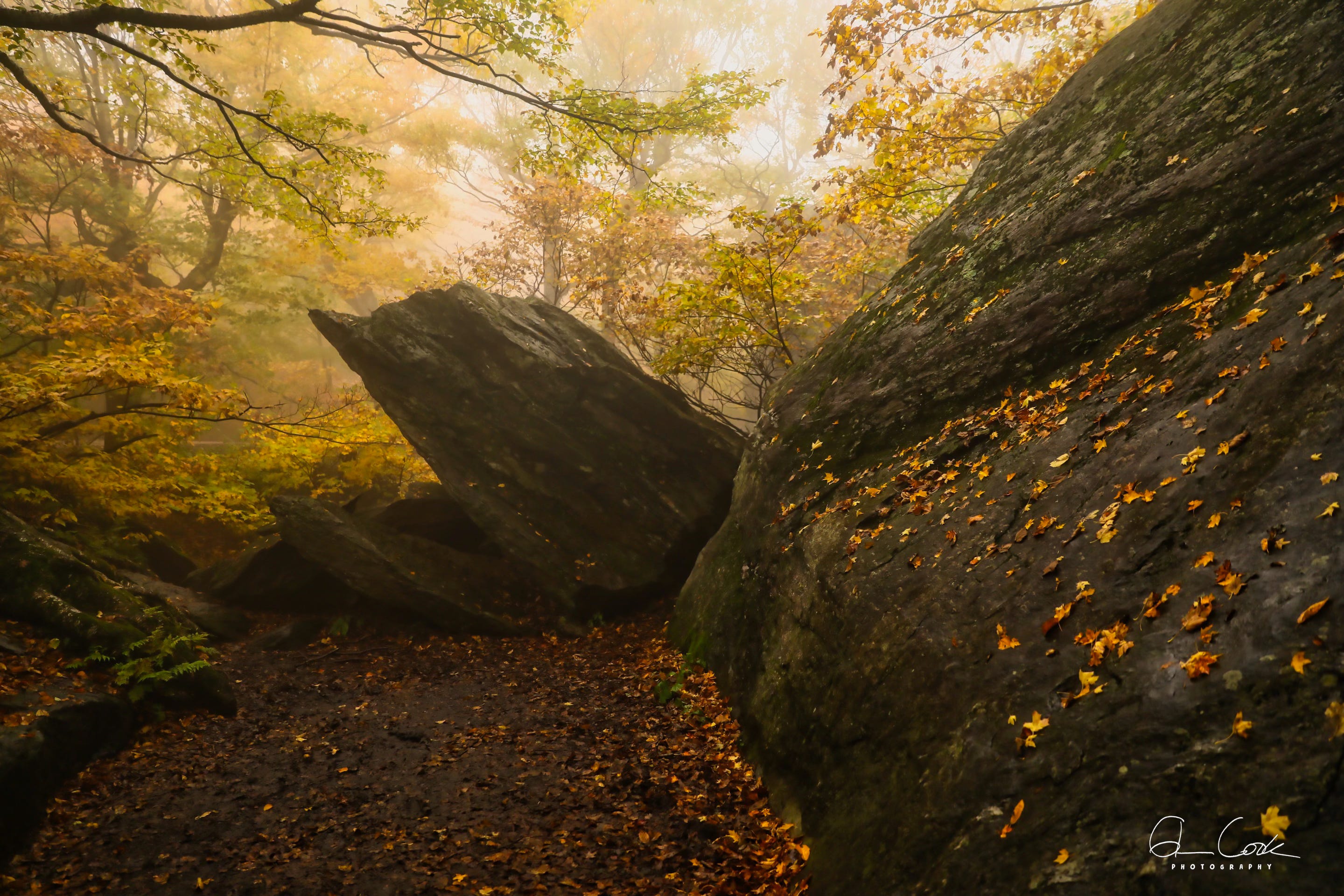
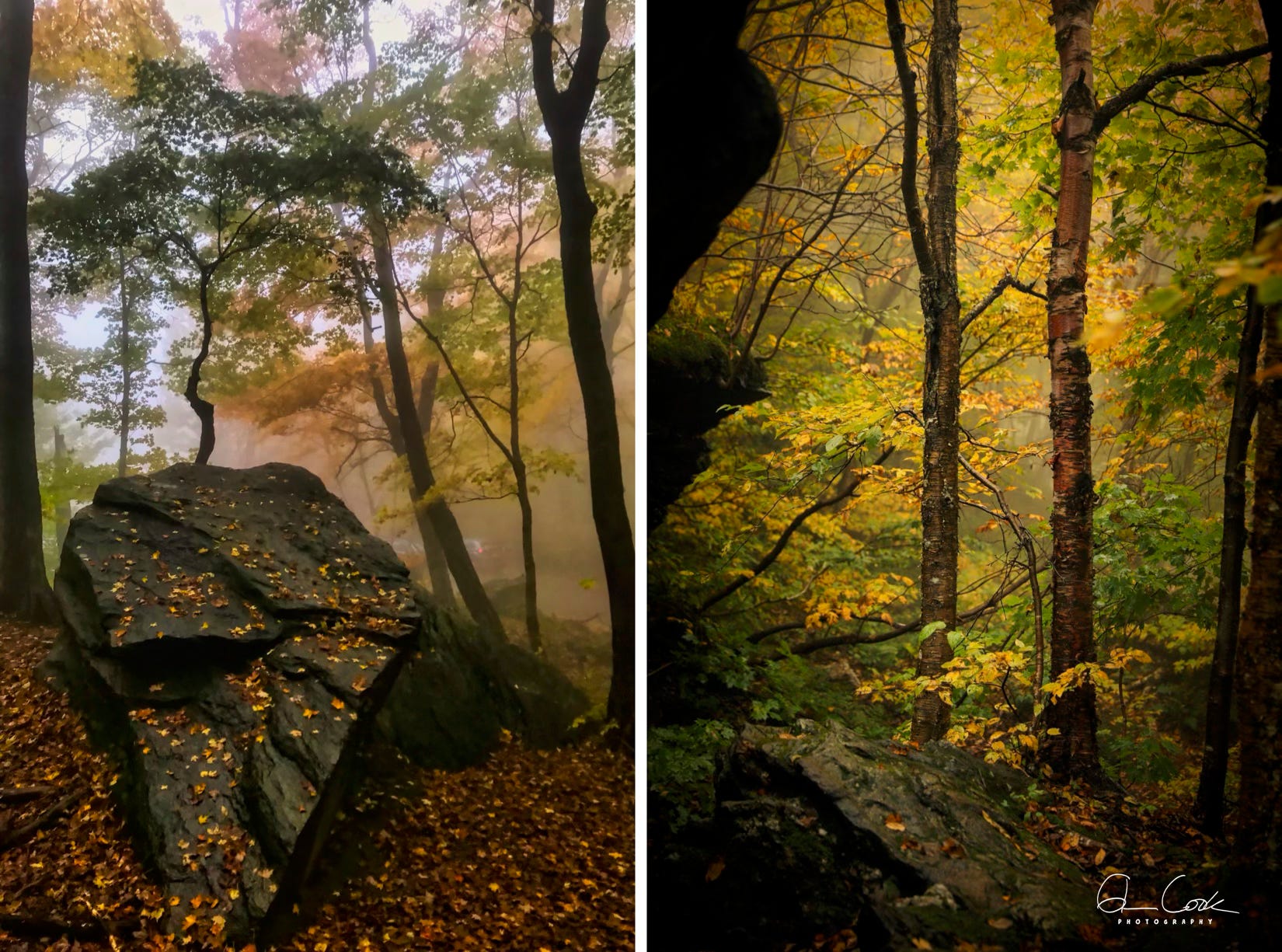
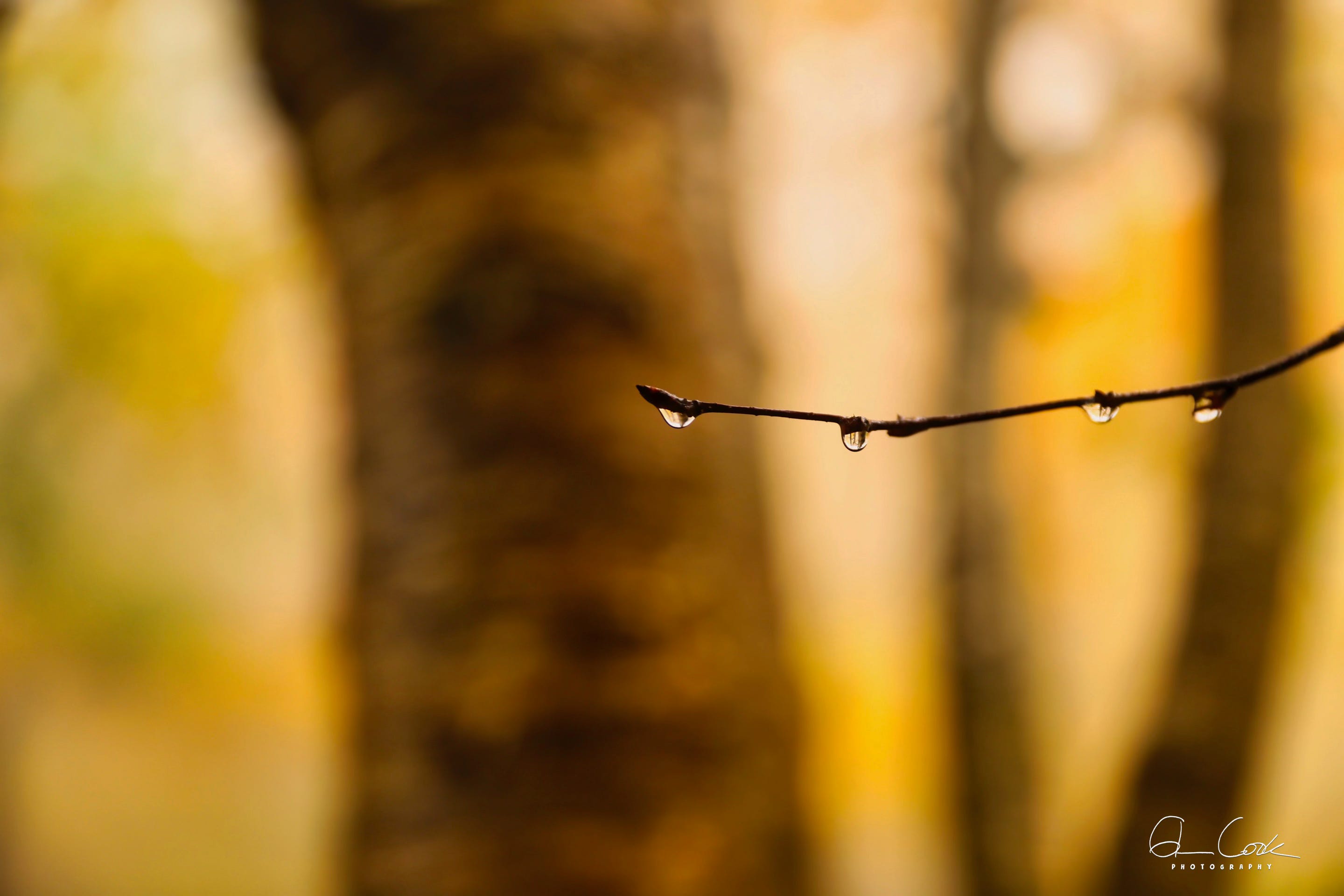
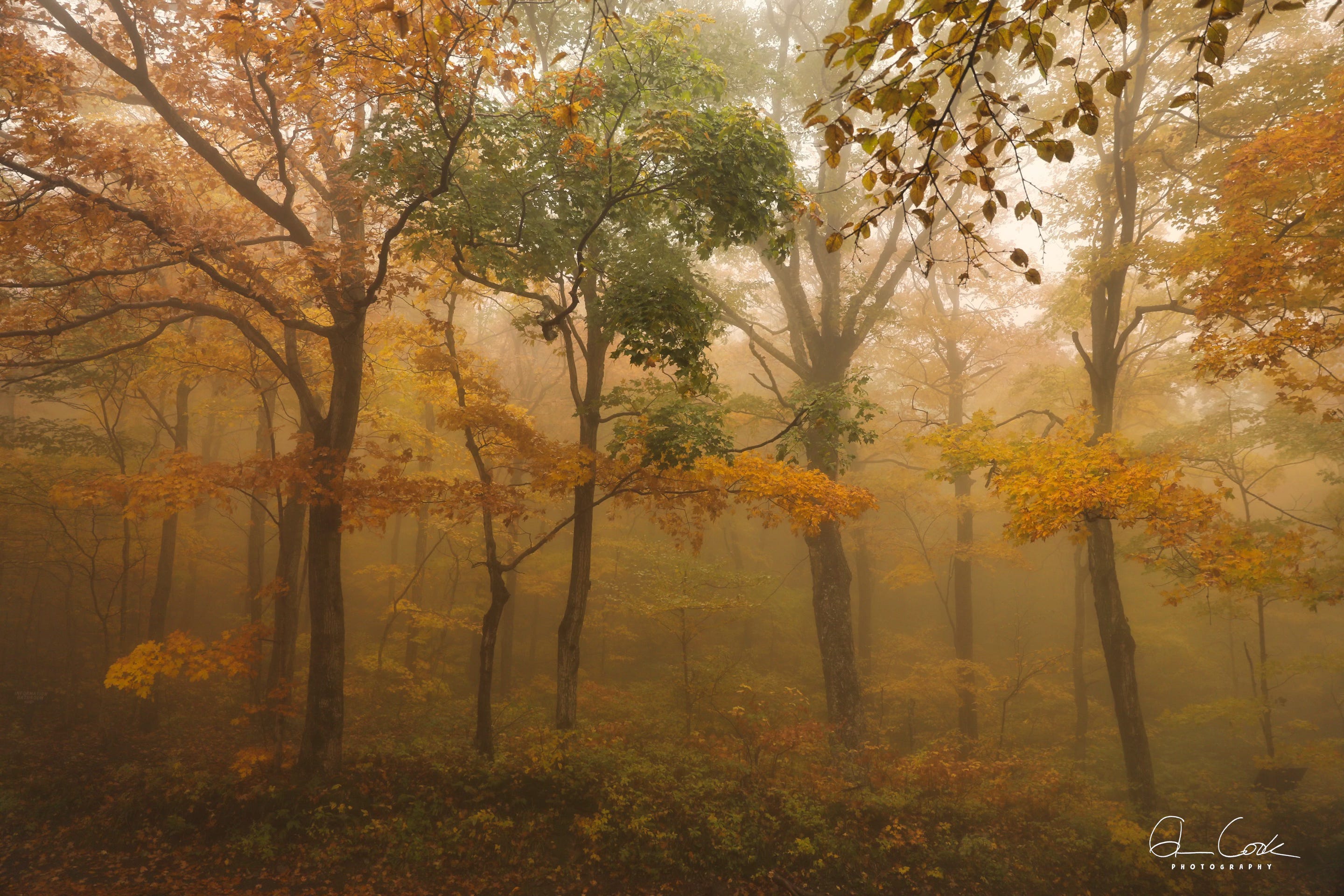
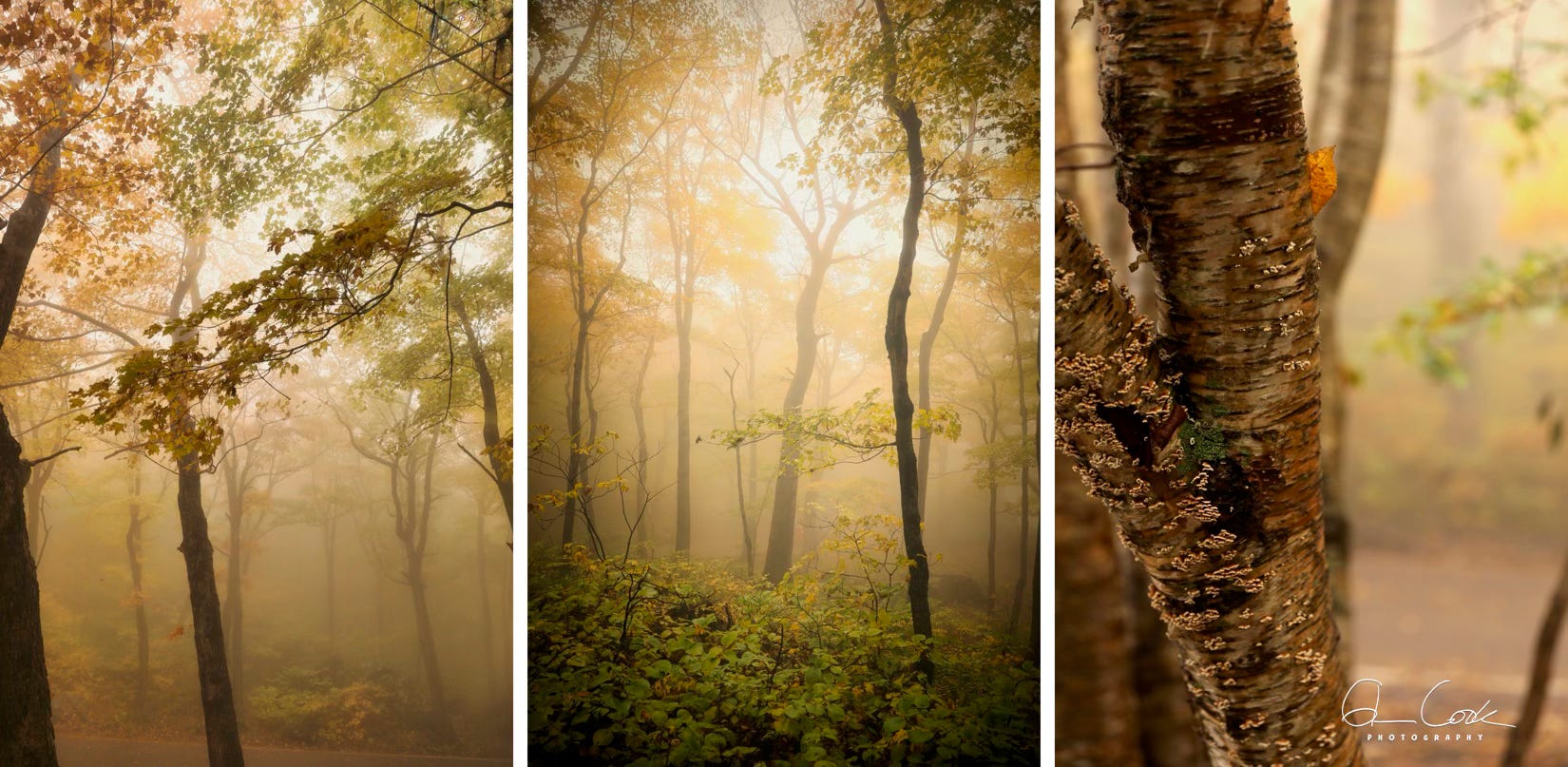
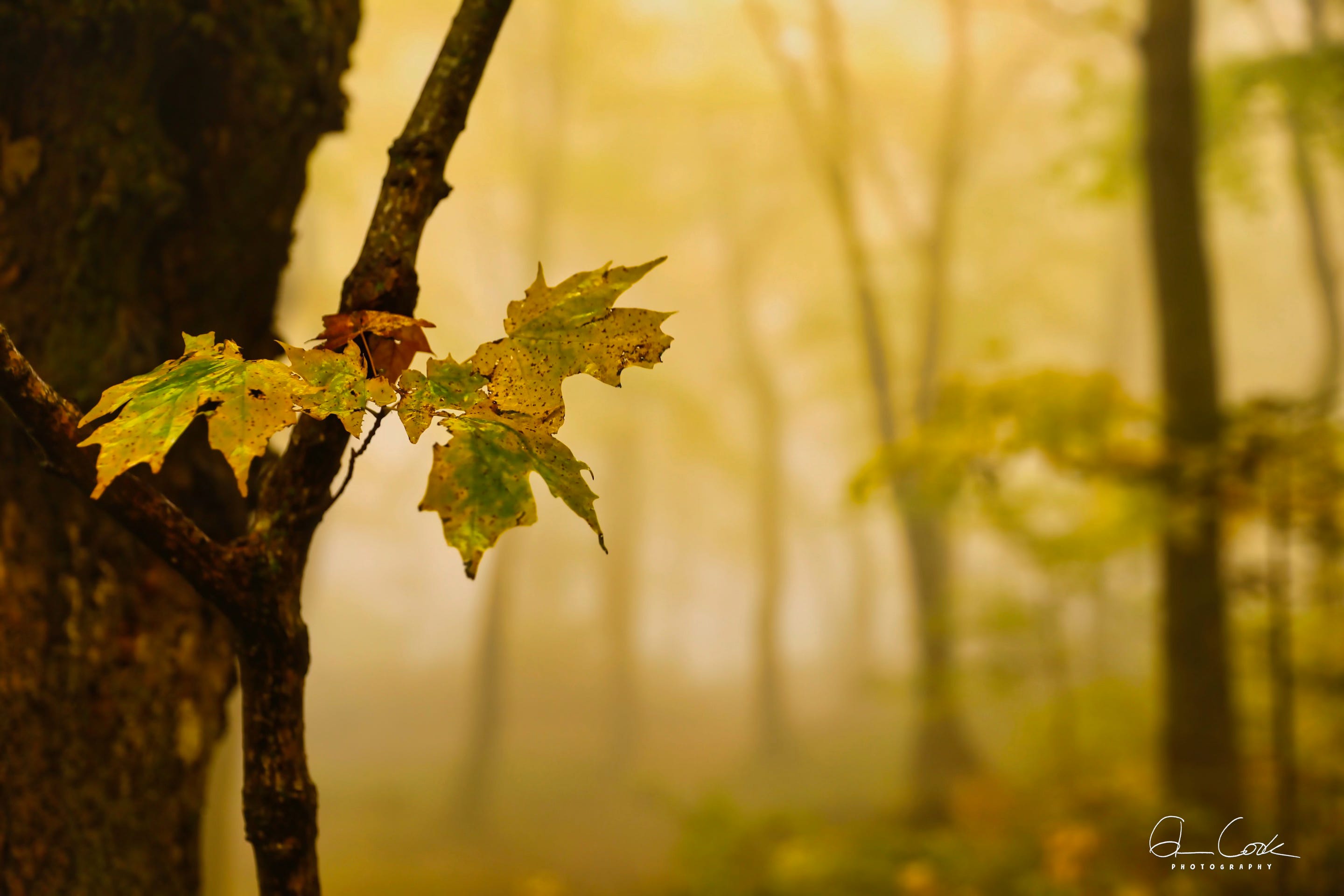
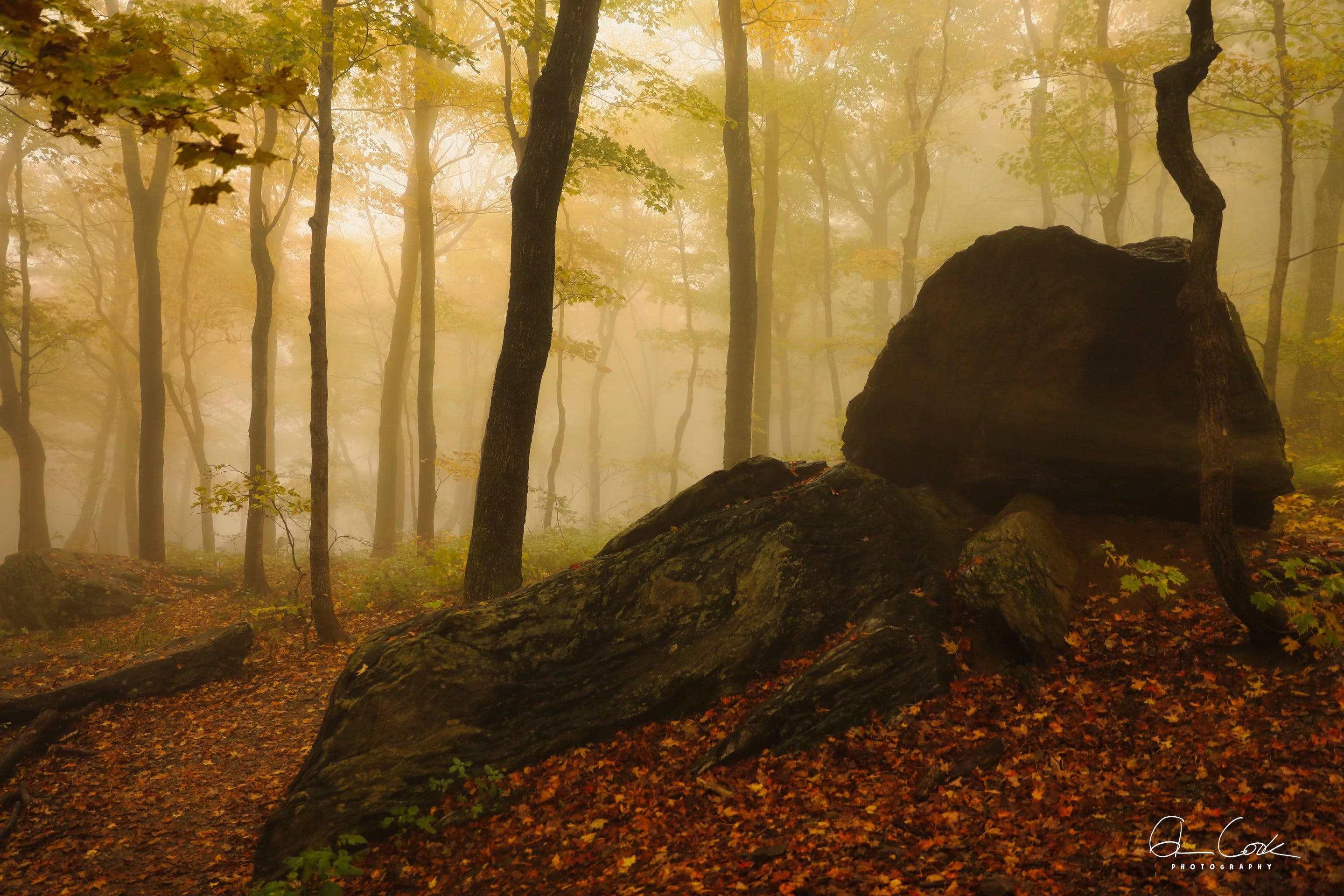
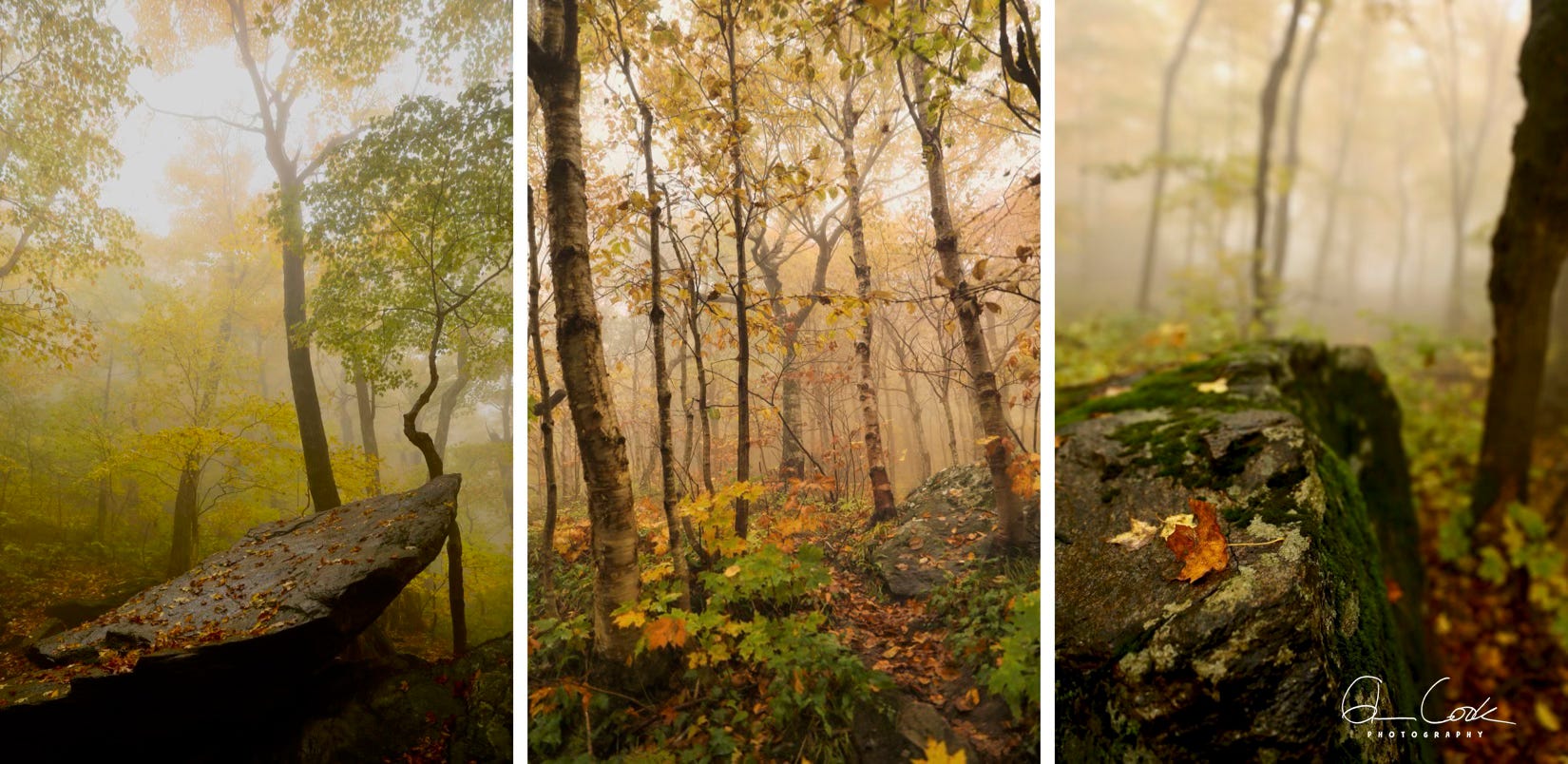
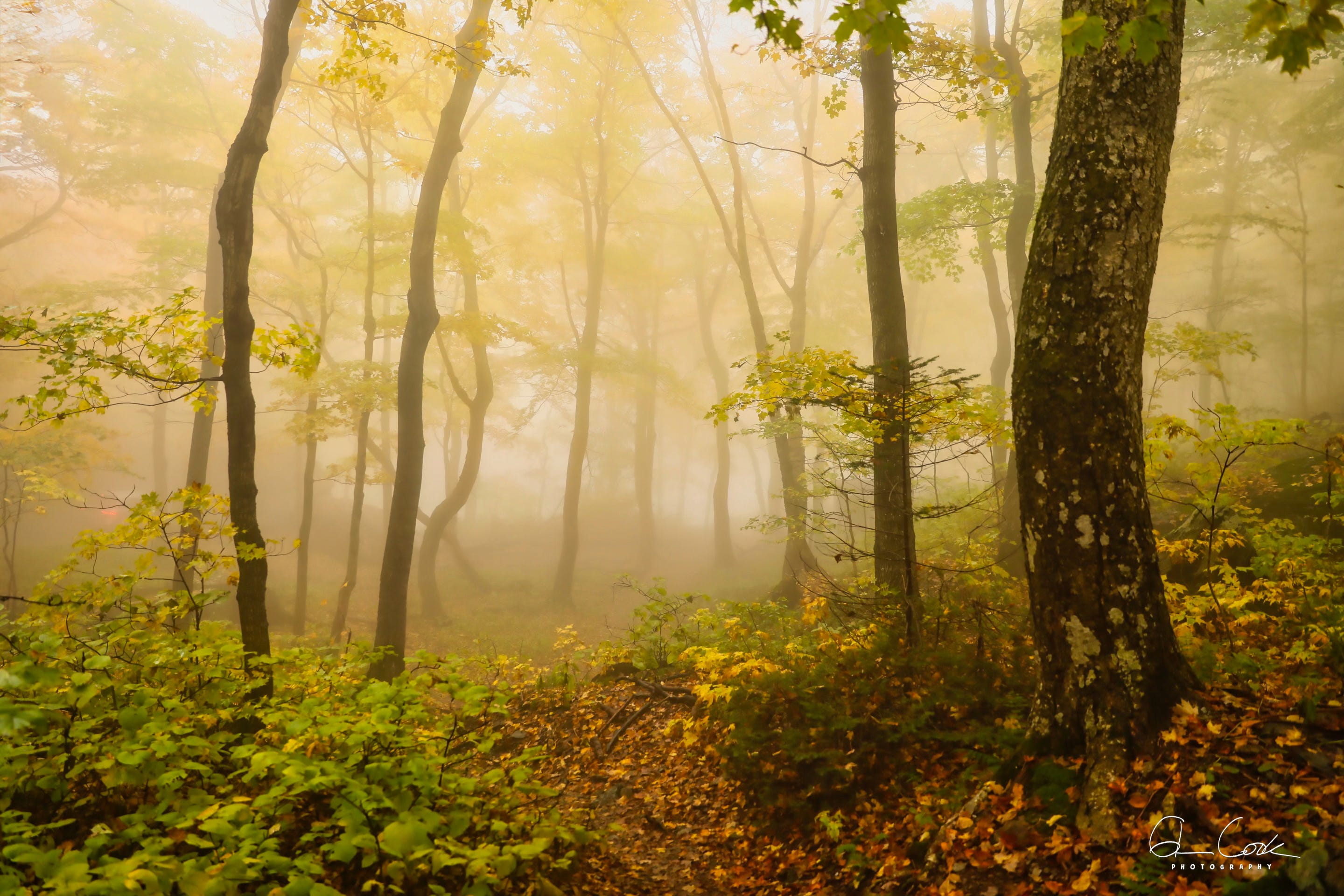
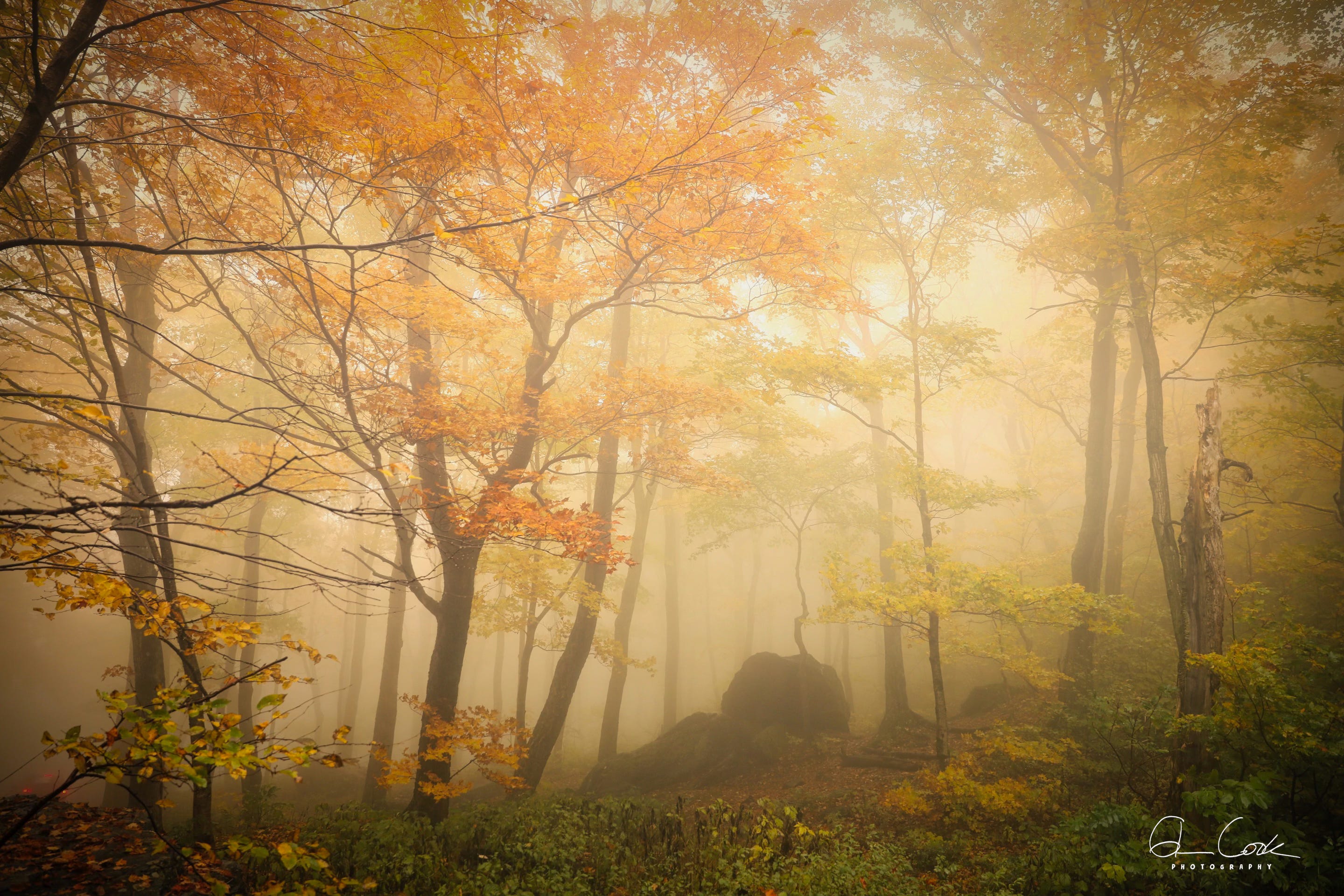
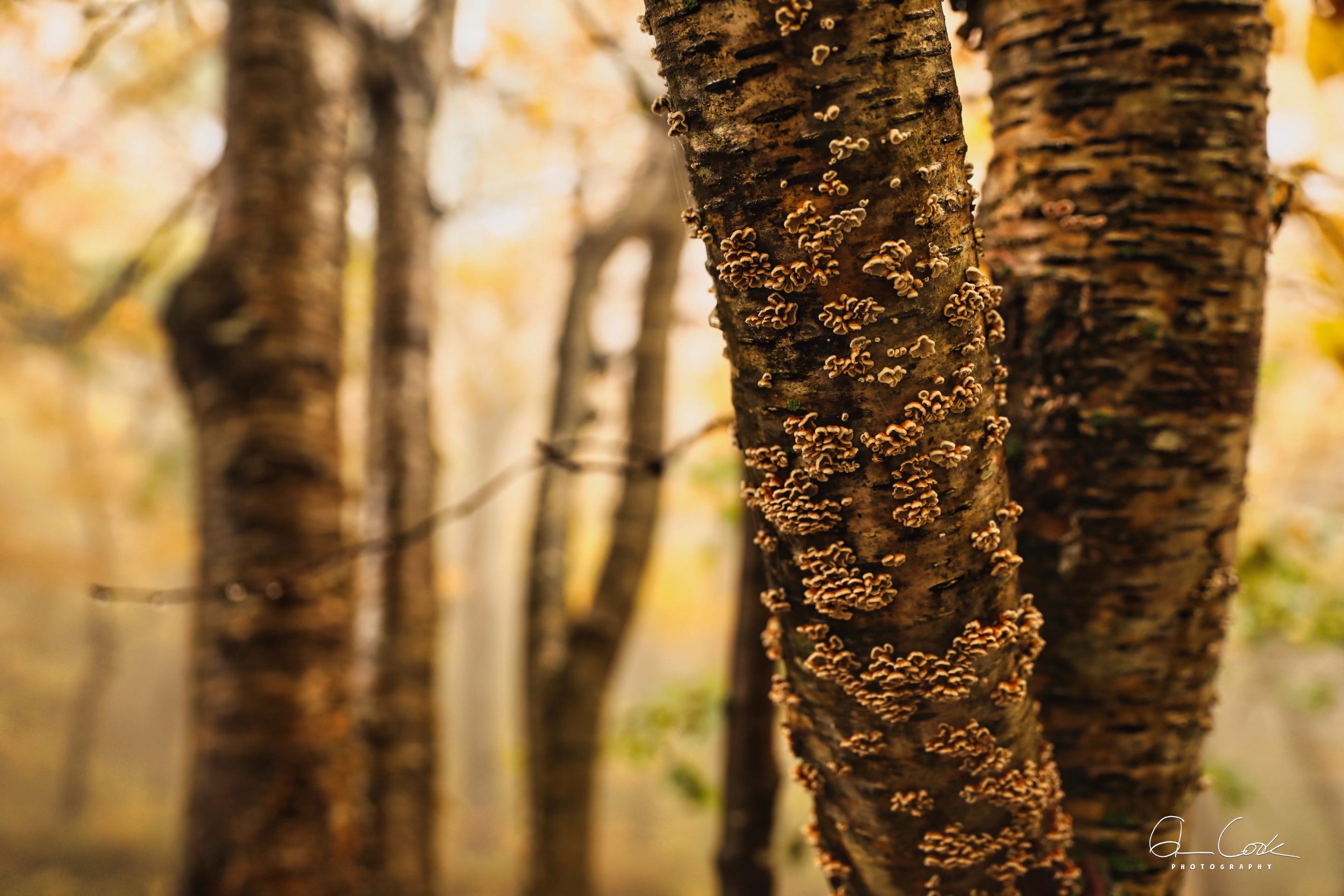
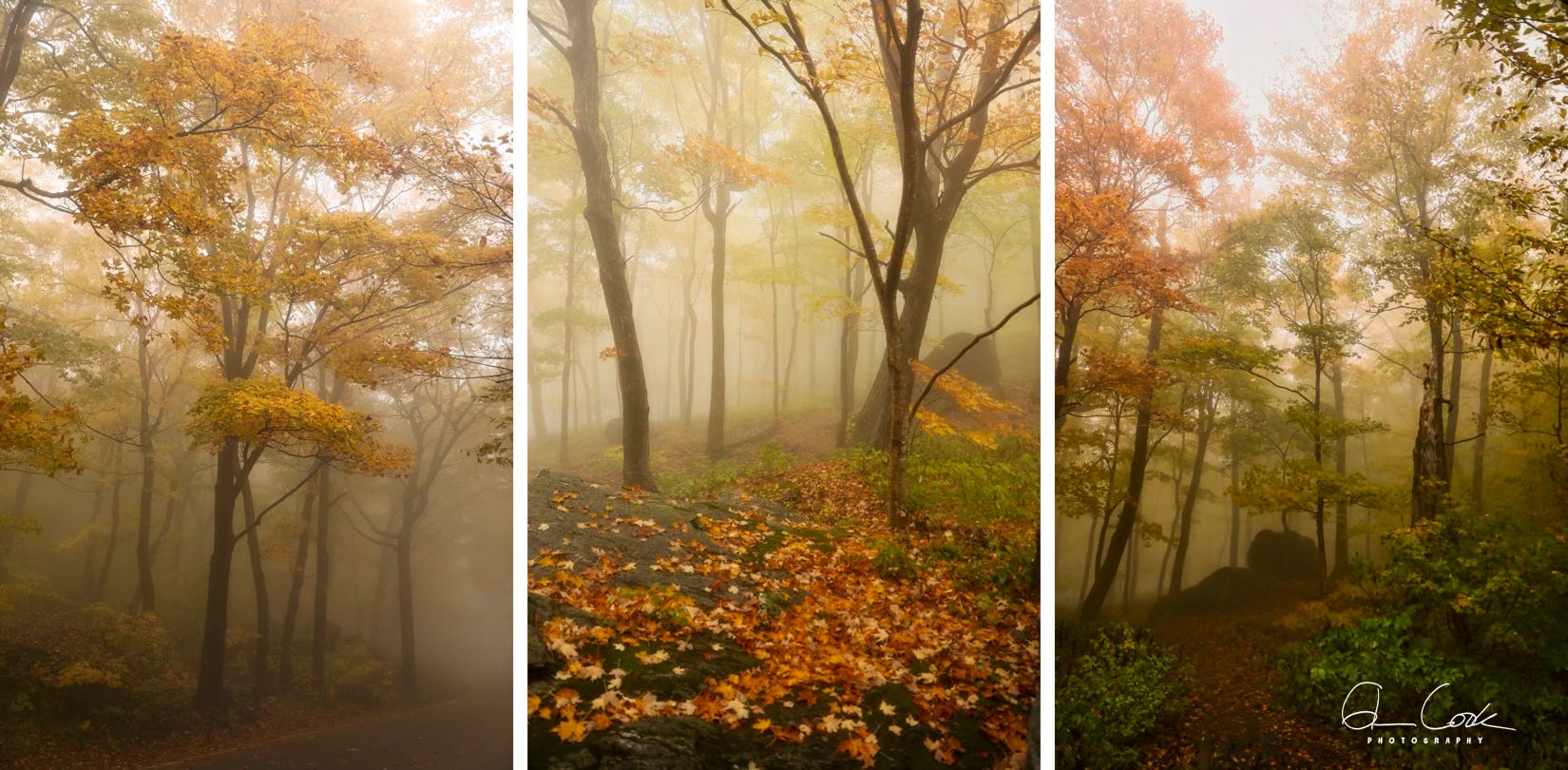
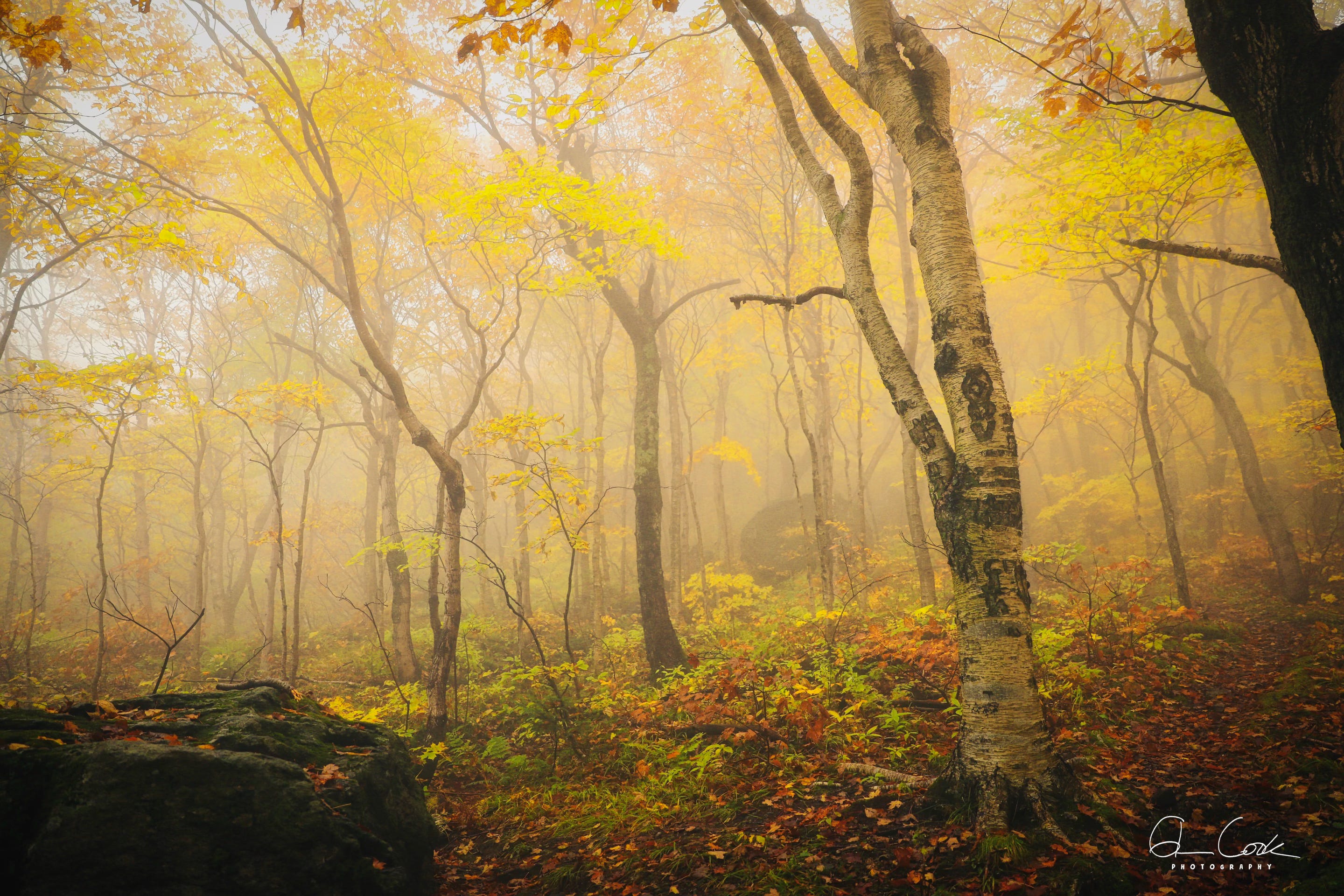
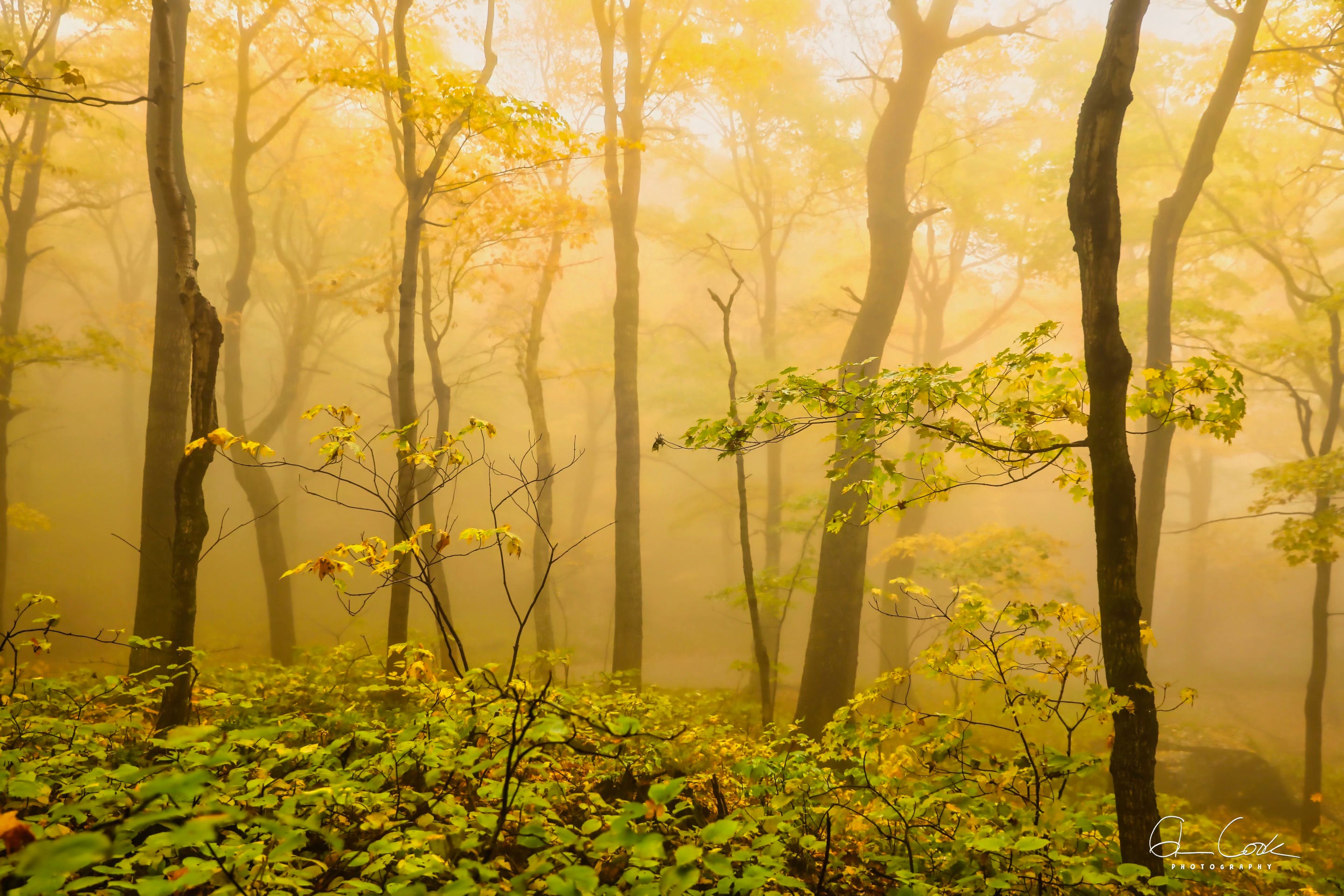
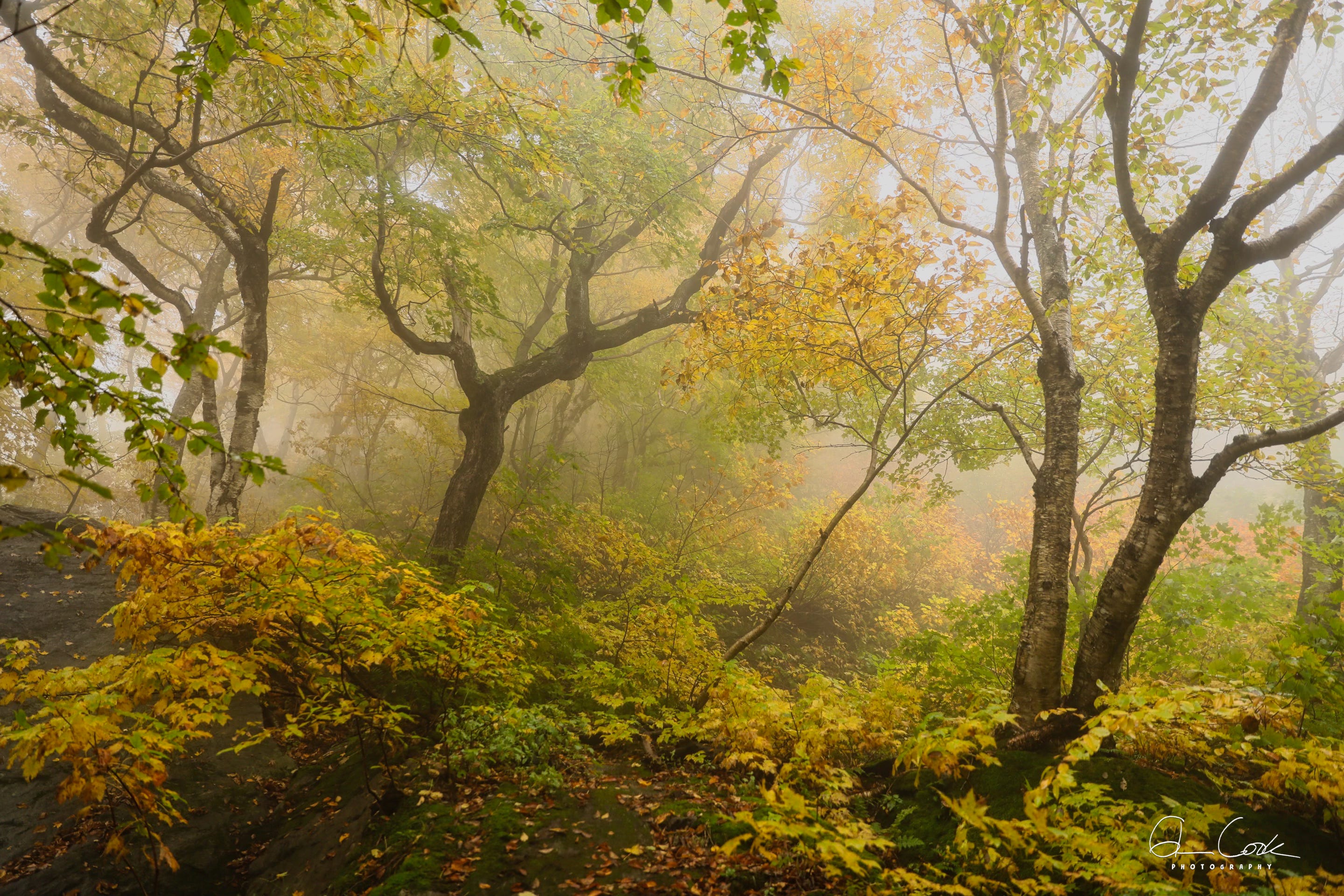
Despite the mist and the fog, we were lucky that day, and I managed to get the images you see here as we parked near the curve and walked around for a few minutes. It really is a picturesque place.
What do you think?
Coming Thursday:
The final installment in my “Social Distancing Diary” series that looks back at the first year of COVID-19.
Great memories... and i still say we need to hike in in the winter.
Great photos, Glenn, and it was interesting to hear about the history of the Notch.