Detroit 2015: Part 3
A look at a closed church that served the city's Polish Catholic community for decades

This is the third in a five-part series looking back at tours of abandoned buildings in Detroit during a short trip in the summer of 2015. Like most of my “Visual Stories,” it is too long to be carried in most email browsers. If that’s the case, view it on a web browser or on the Substack app.
At the time of my visit, the city was struggling mightily to regain its footing, having lost almost 25 percent of its population in the previous decade, thanks largely to massive job losses in the automotive industry, ongoing racial tensions, and financial mismanagement. More than 70,000 buildings and 30,000 houses were left abandoned. Even though I had only two days, I wanted to shoot as many of these places as possible.
The first two parts of this series focused on photographing dancers in the abandoned St. Agnes Church and the start of a day-long photography tour at the Packard Plant. You can also find links to those stories at the end of this post.
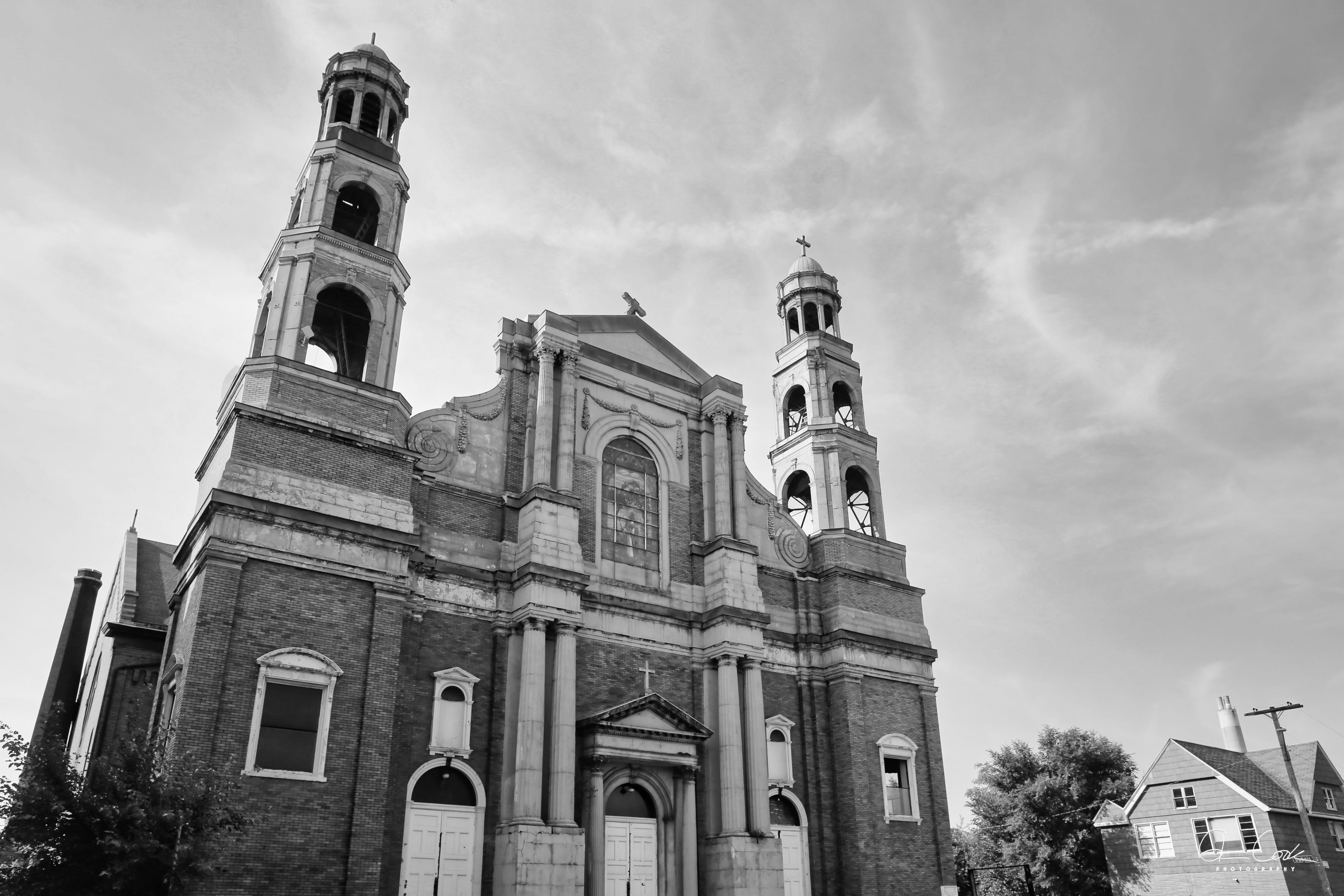
Of the four places I photographed on a day-long tour of abandoned or empty buildings in Detroit in August 2015, the former St. Stanislaus R.C. Parish was in by far the best shape.
But the Catholic parish, which was built between 1907 and 1911 to accommodate Detroit’s then-rapidly growing Polish community, had some advantages that others did not. Even though it was closed by the Archdiocese of Detroit in 1989, the building was occupied for most of the next 25 years and remained under the watch of a full-time caretaker who lived inside the church.
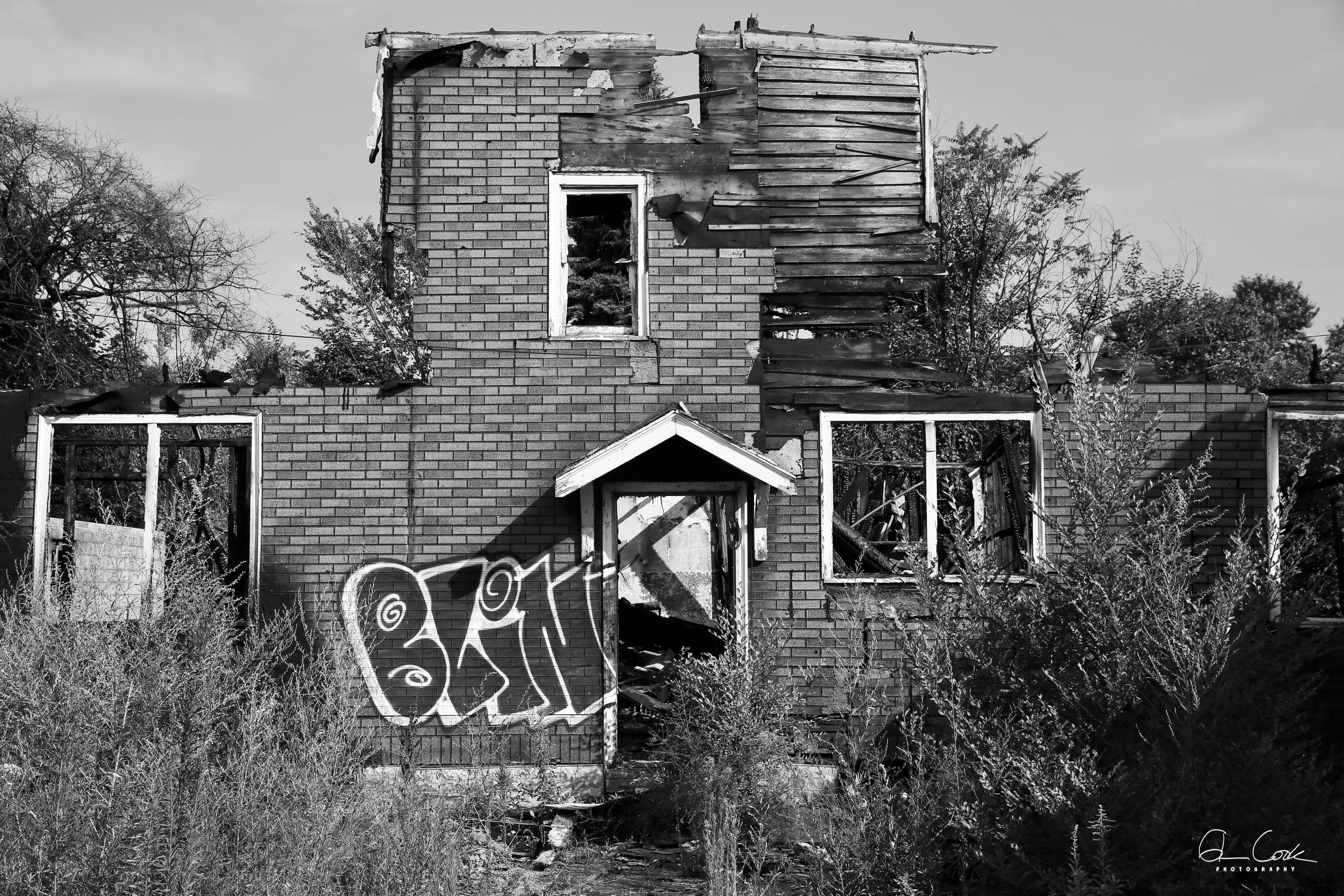
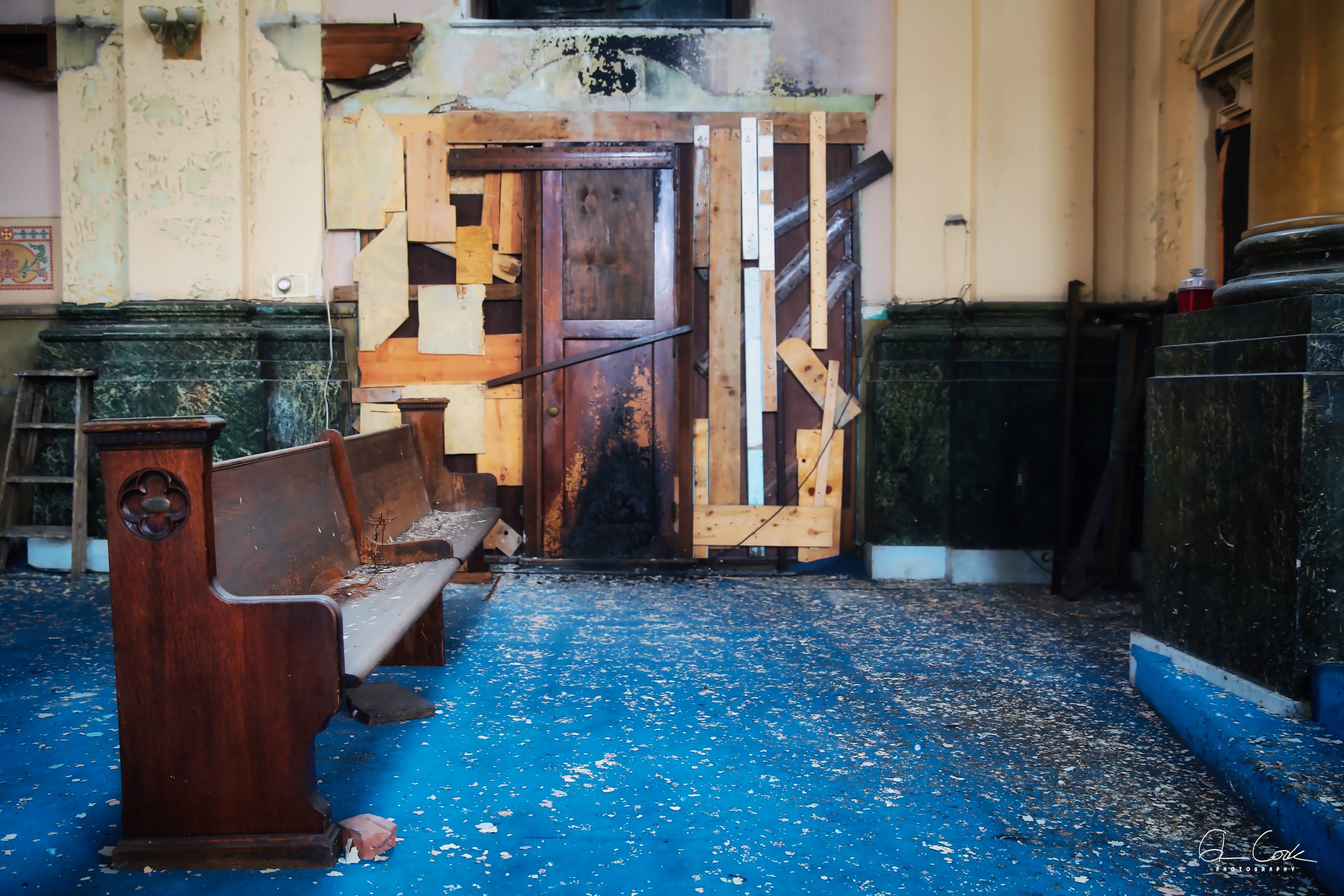
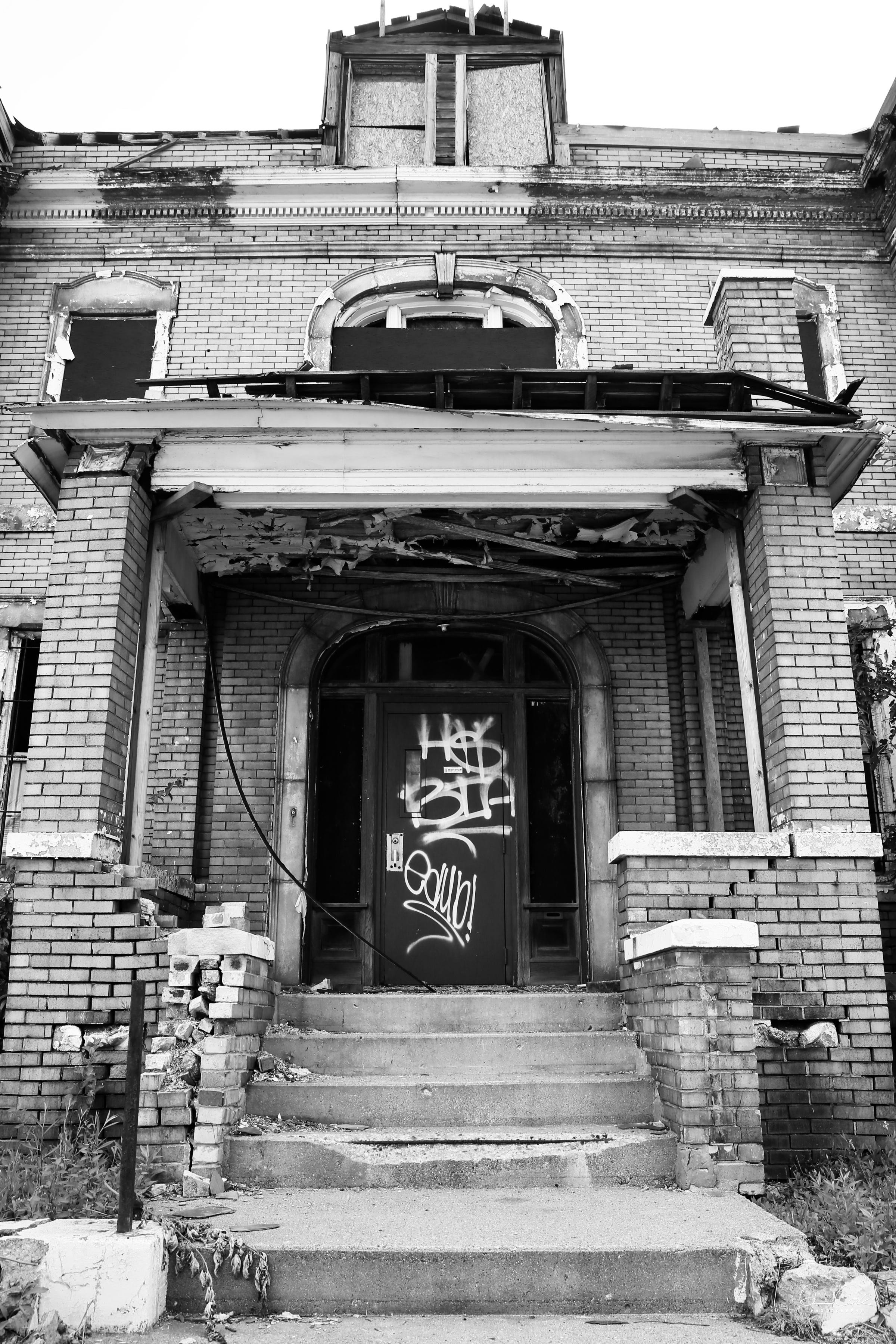
That said, across the street was a burned-out house that had been abandoned. One of the church’s connected buildings also was a shell of itself after it caught fire.
According to Historic Detroit, the parish was the fifth to serve the city’s Polish community, which became one of the largest in the nation after immigrants came to America following the Civil War. Located just south of Interstate 94 on the southeast corner of Dubois and Medbury streets, the Neo-Baroque church can be seen from the freeway.
The main church building was enormous, in part because St. Stanislaus saw its 700 families double in size between 1905 and 1910. Eventually an entire complex was built, with a school and a second sanctuary in addition to the rectory. The buildings are considered “an excellent example of a Catholic parish complex” constructed between 1900 and 1915, the Historic Detroit article says.
Well into the 1970s, the church remained a vibrant part of the community. Parishoners raised funds to repair the façade and front steps prior to St. Stanislaus’ 75th anniversary. After the church was closed as part of the archdiocese’s consolidation of parishes, members occasionally would hold services outside.
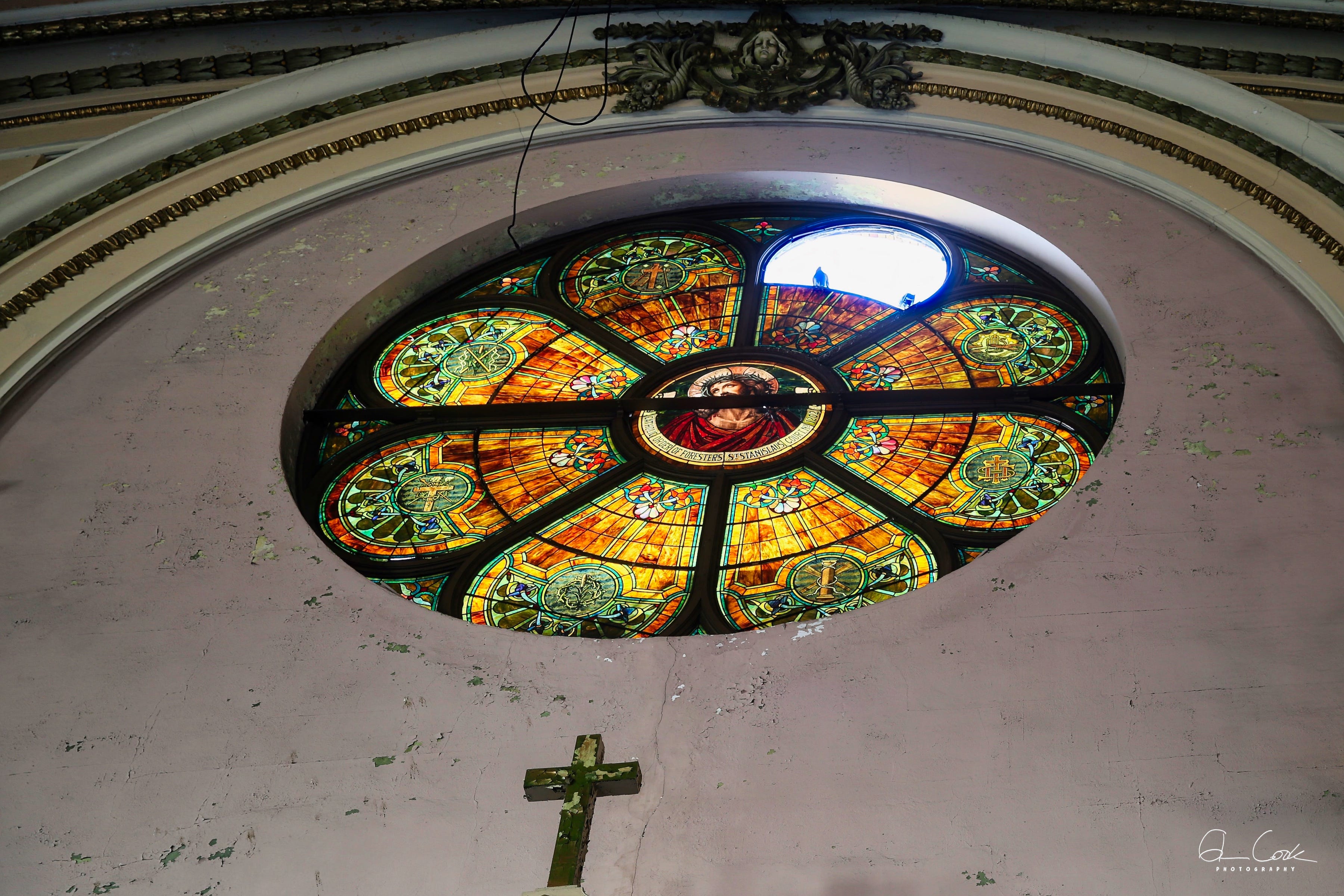
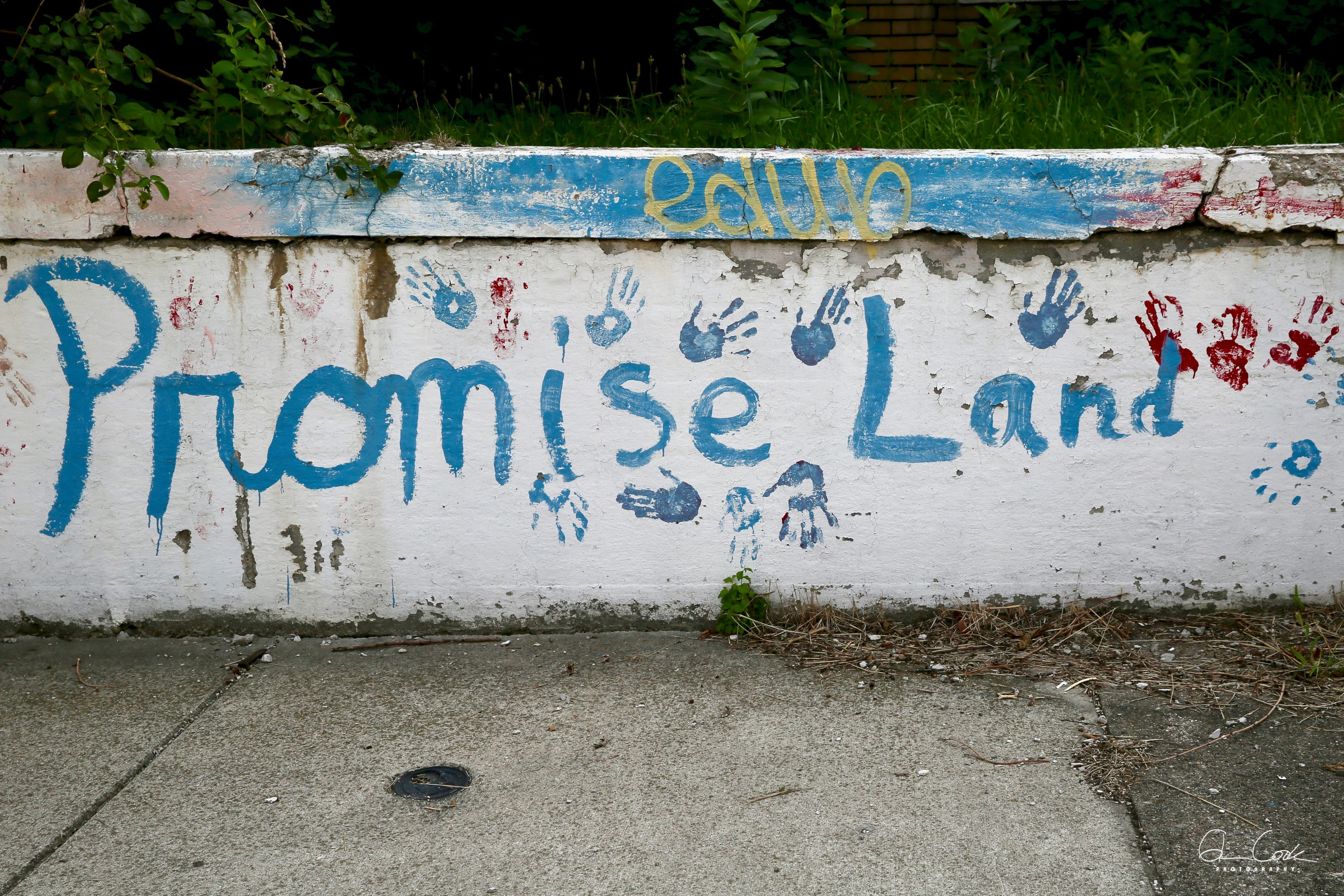
Starting in 1995, Promise Land Missionary Baptist Church owned the property and held services there, but lost the church to foreclosure in 2012 and vacated it. It was sold two more times in three years; when I toured it, it was being used for storage by a private developer. Internet searches show no major developments since that time.
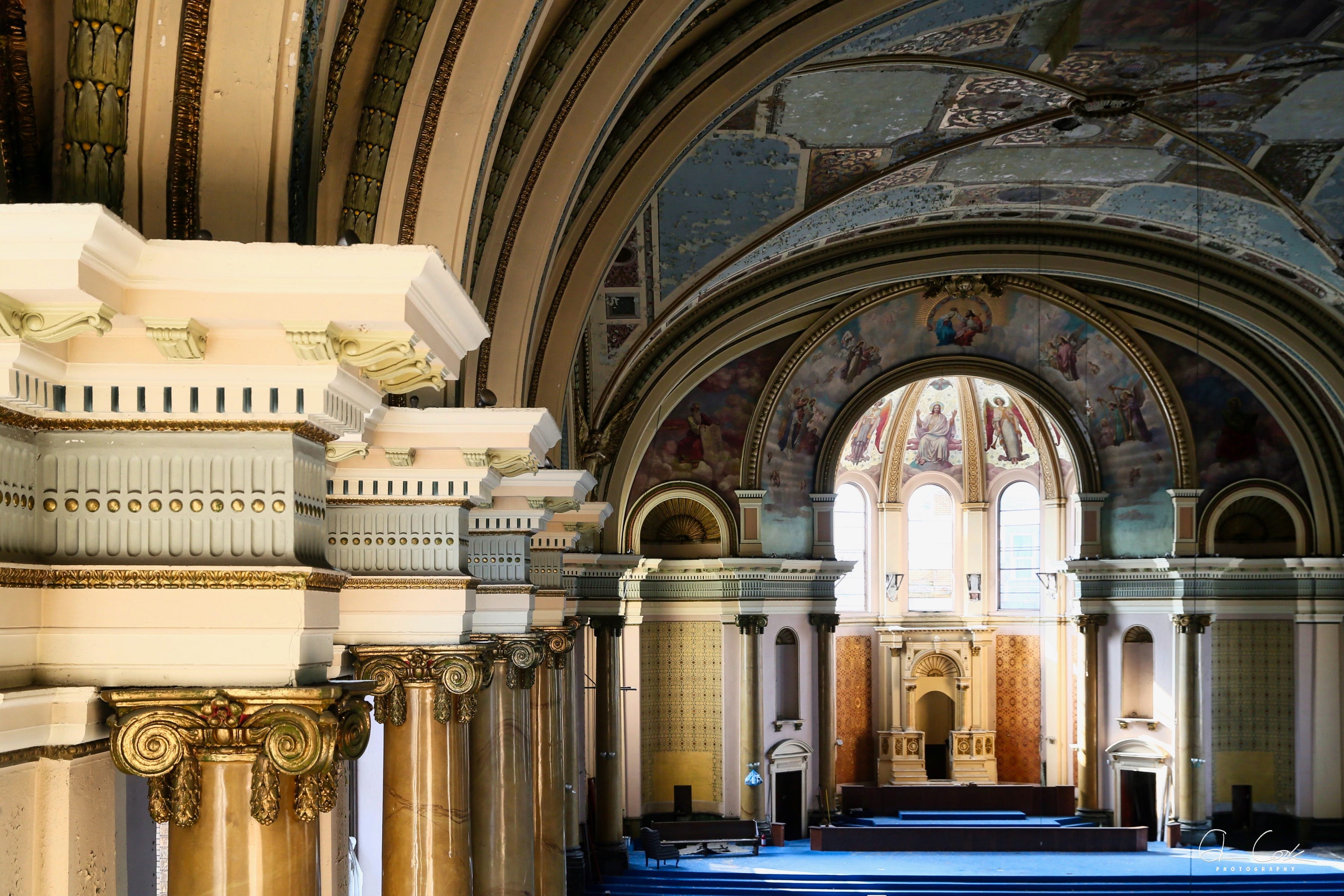
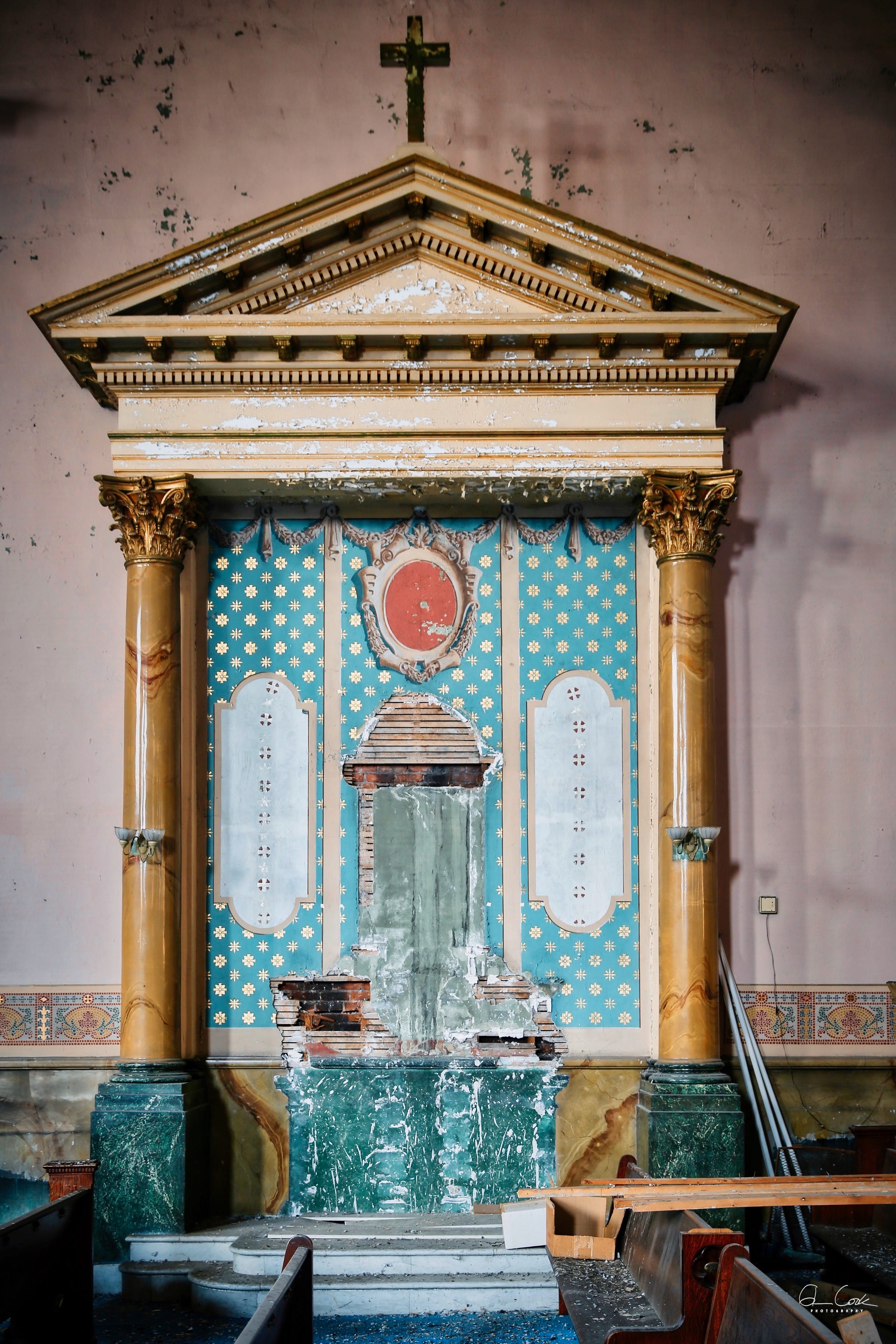
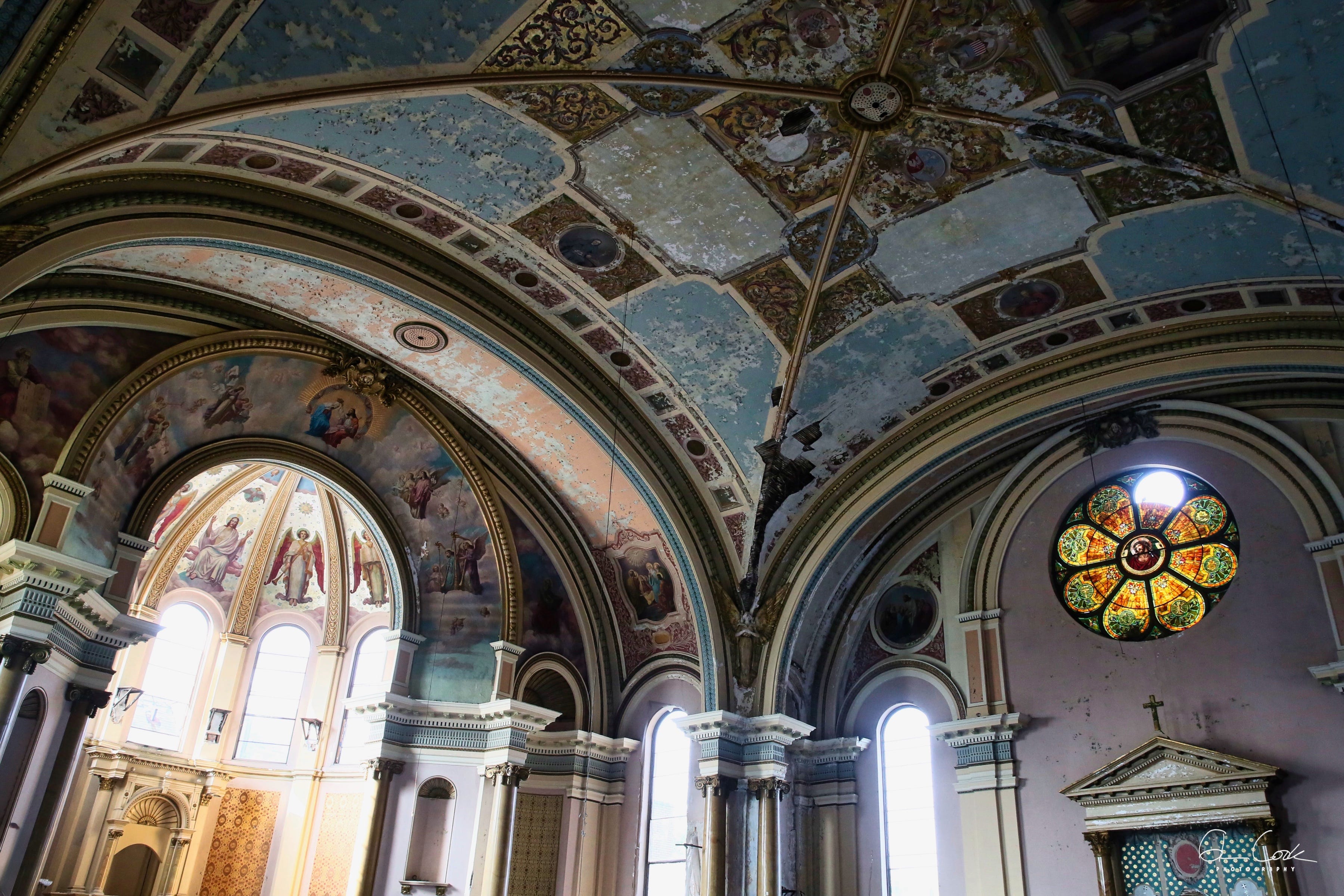
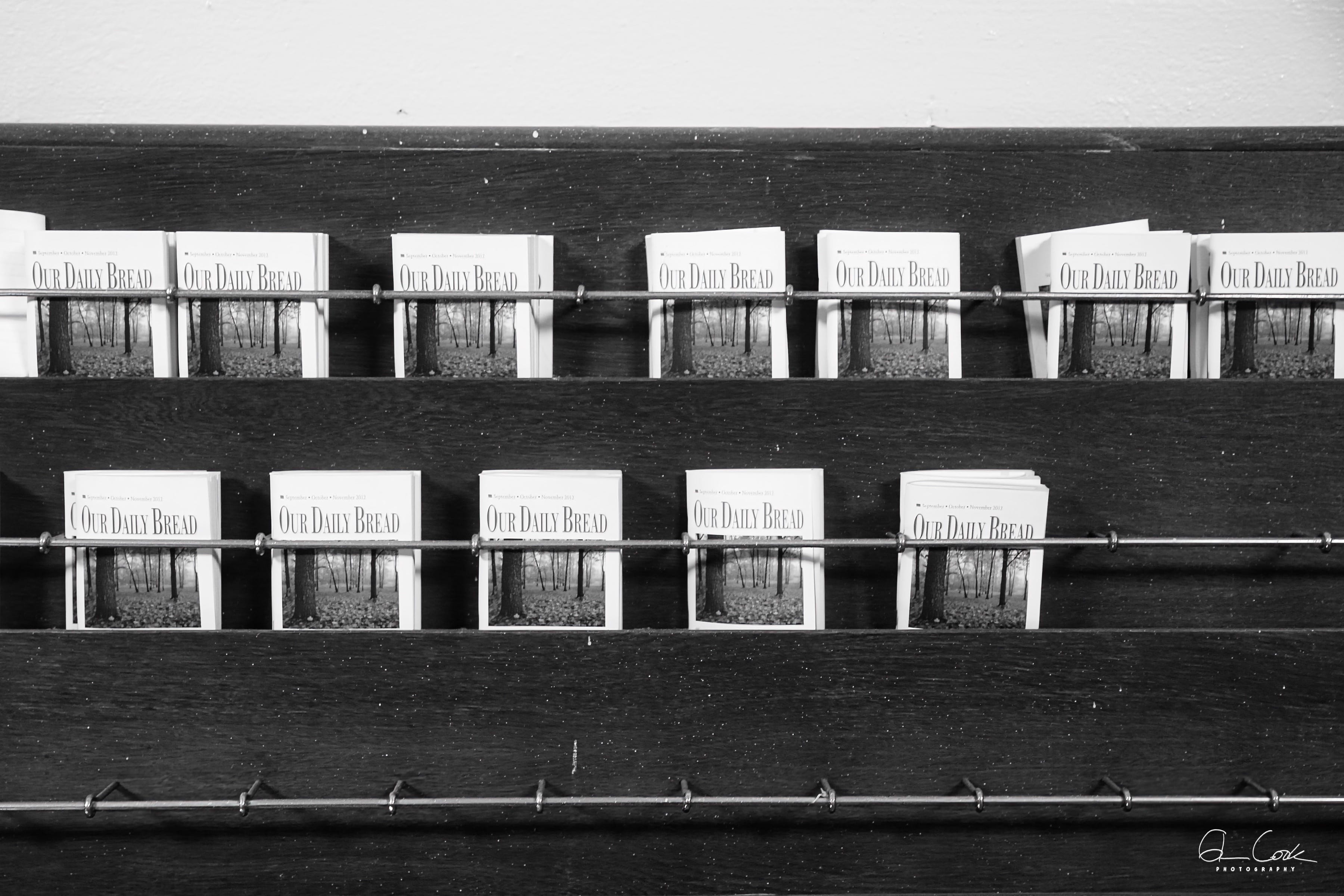
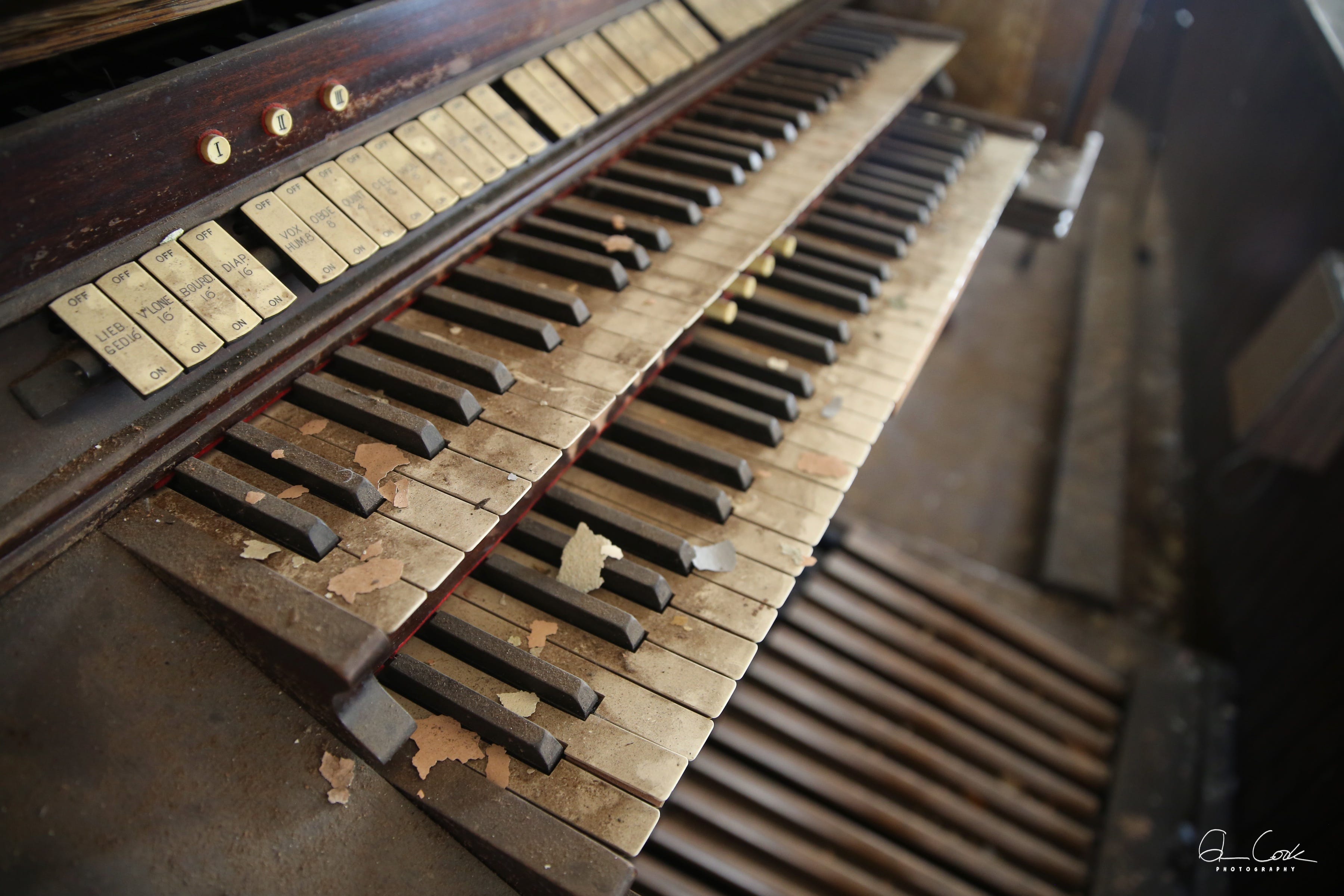
In my photos, I tried to capture the enormity of the main building, which had only a handful of pews. The once lavish Beaux-Arts interior, while aged, remained mostly intact.
Coming next week: A tour of the former John C. Gray Library, which was closed and later became an outreach ministry for the homeless in Detroit.
Previous Installments:


If you’re interested, I highly recommend visiting the Historic Detroit website or subscribing to the organization’s Substack. It is a great resource.

Beautiful work, Glenn. It's such a shame the members of "Promised Land Missionary Baptist Church" couldn't do more to save some of the interior from decay....especially the stained glass and the organ. My former church in Ruffin has a Hammond C-3 that was donated to the churcy in 1953 and still plays like it did when I played it as a high school music student back in the '60s.. I'm sure the one featured in your shots COULD be redone to actually render its tones once again. Bankruptcy should NEVER happen to a church, but sadly, it does.