
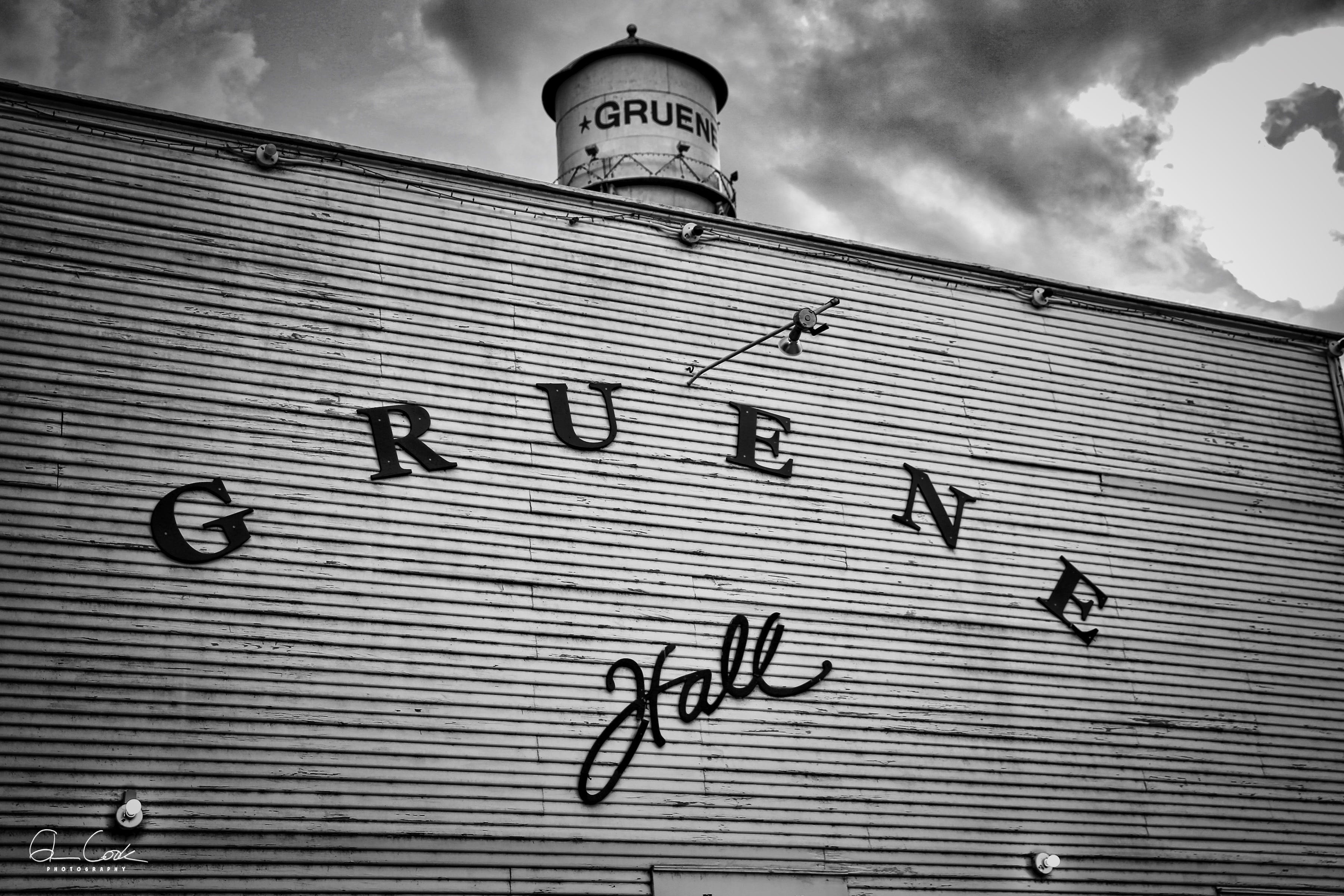
Gruene Hall, located on the outskirts of the Guadalupe River in the Texas Hill Country, is a unique institution in a state that prides itself on being different from the rest of the world.
Built in 1878, the 6,000-square-foot venue in south-central Texas was designed to give tenant farmers a way to socialize on the weekends. Over time, it became a must play place for seemingly every Texas musician. George Strait got his start at Gruene Hall, playing once a month with his Ace in the Hole band in the 1970s, and the hall has a show every day of the year.
One sweltering, humid, stormy night, now almost a decade ago, I decided to try my luck at photographing a show there.
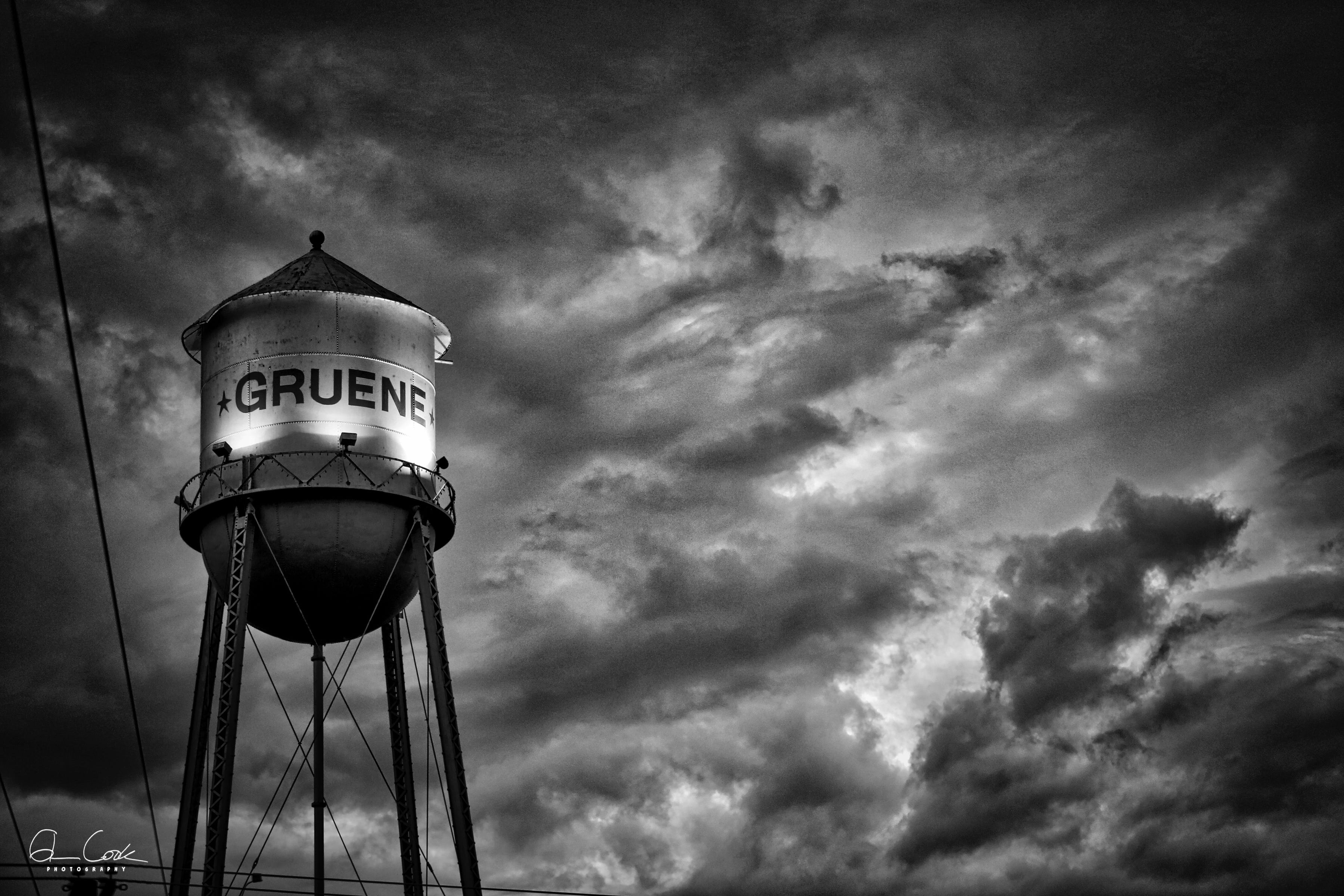
Located on the stagecoach trail between Austin and San Antonio, the town of Gruene was started by German immigrants who arrived in the 1840s, and for decades it was known as a center of commercial and farming activity.
Decimated by the Great Depression, Gruene’s population fell to 75 by 1930 and it became a ghost town. The small historic district was restored in the 1970s and 1980s and, even though it was annexed by nearby New Braunfels in 1979, Gruene remains its own community with a water tower standing over it on a bluff above the Guadalupe River.
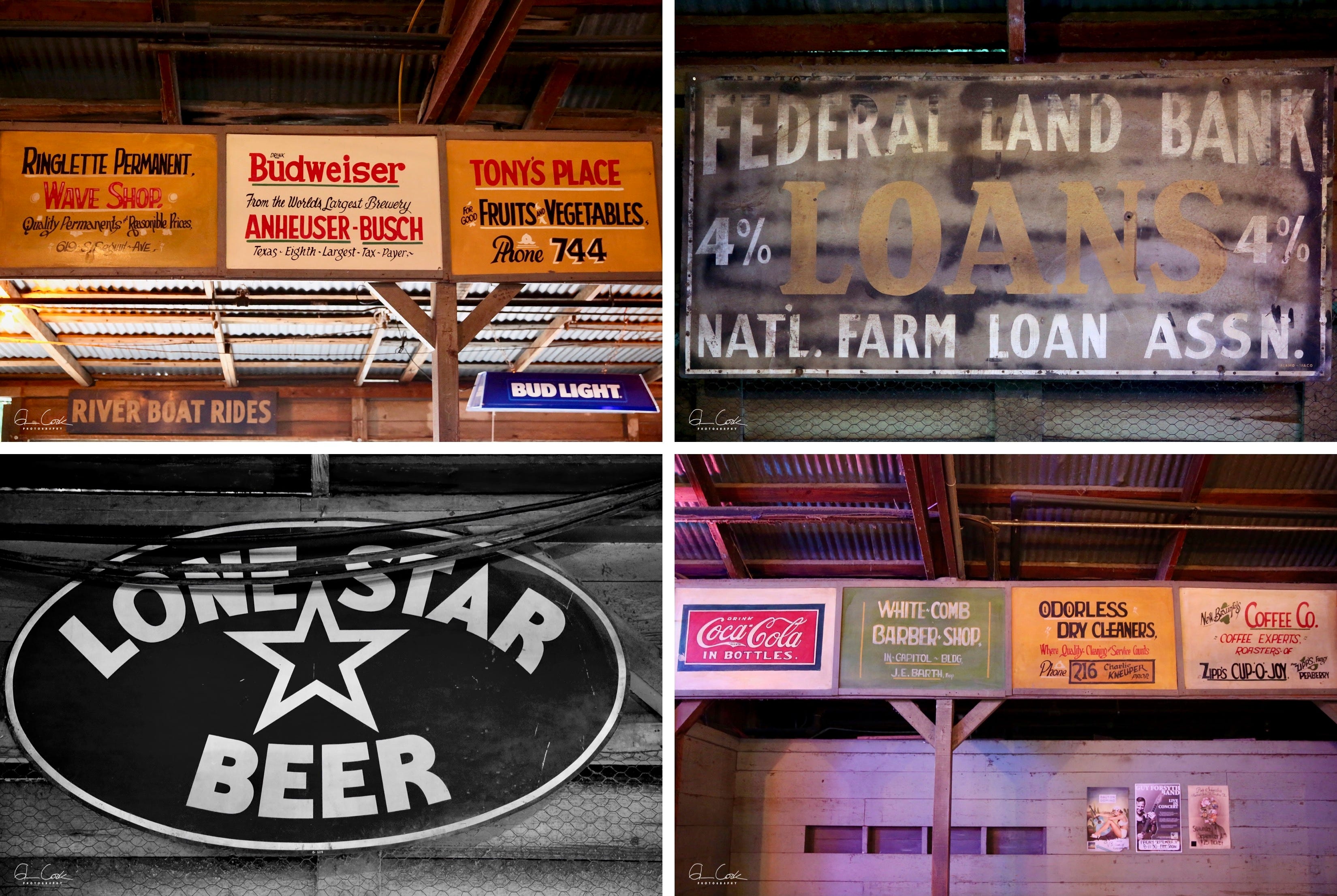
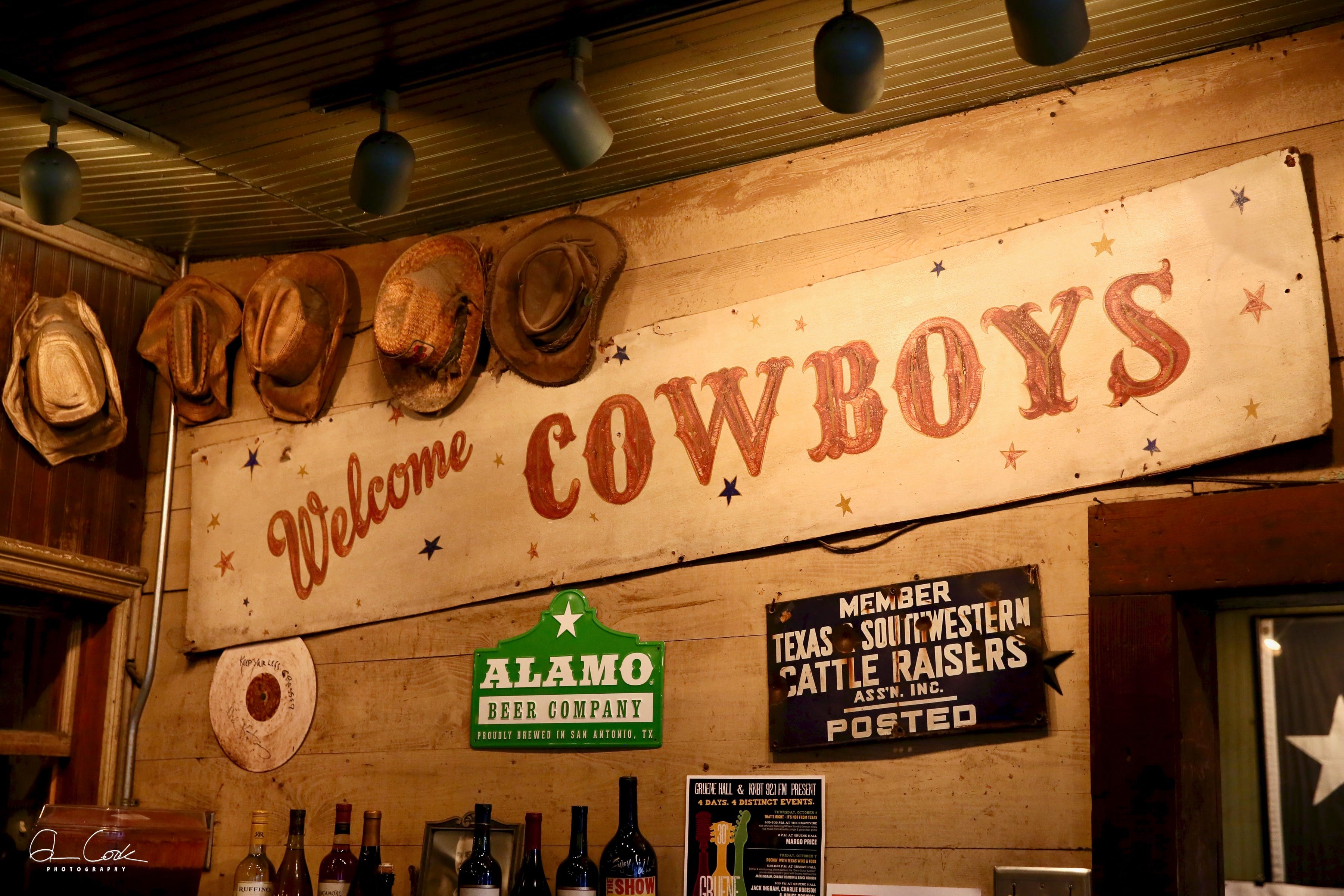
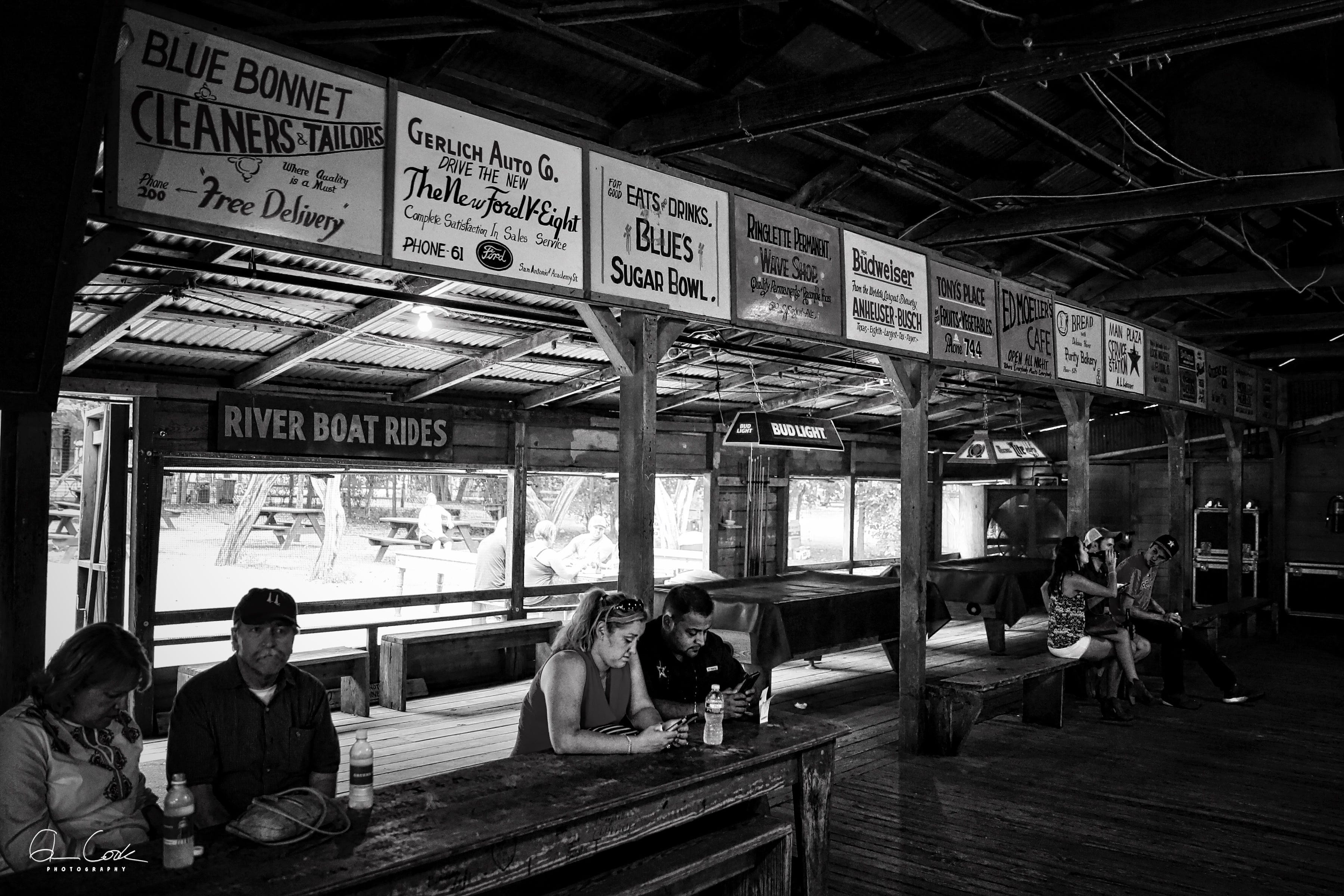
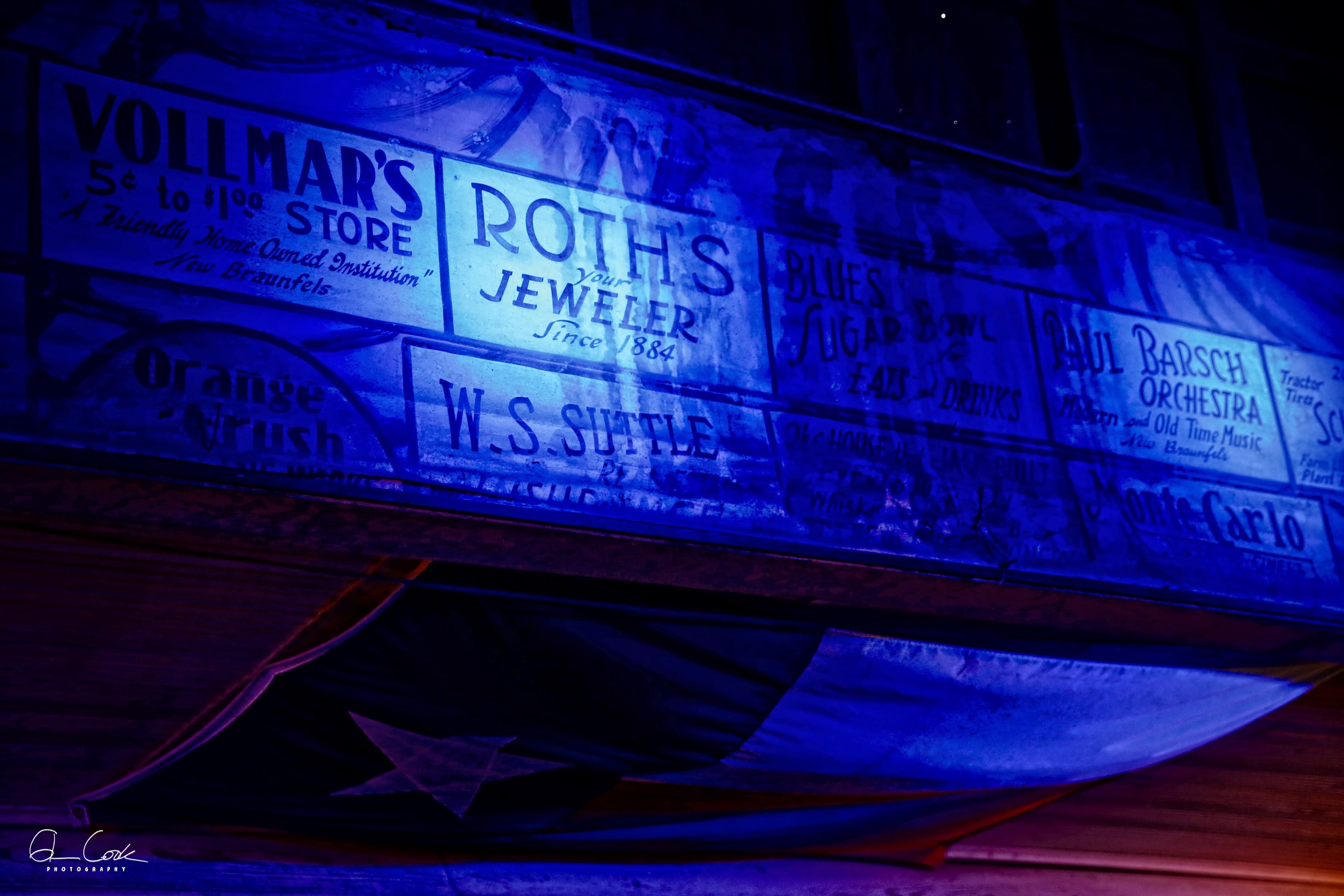
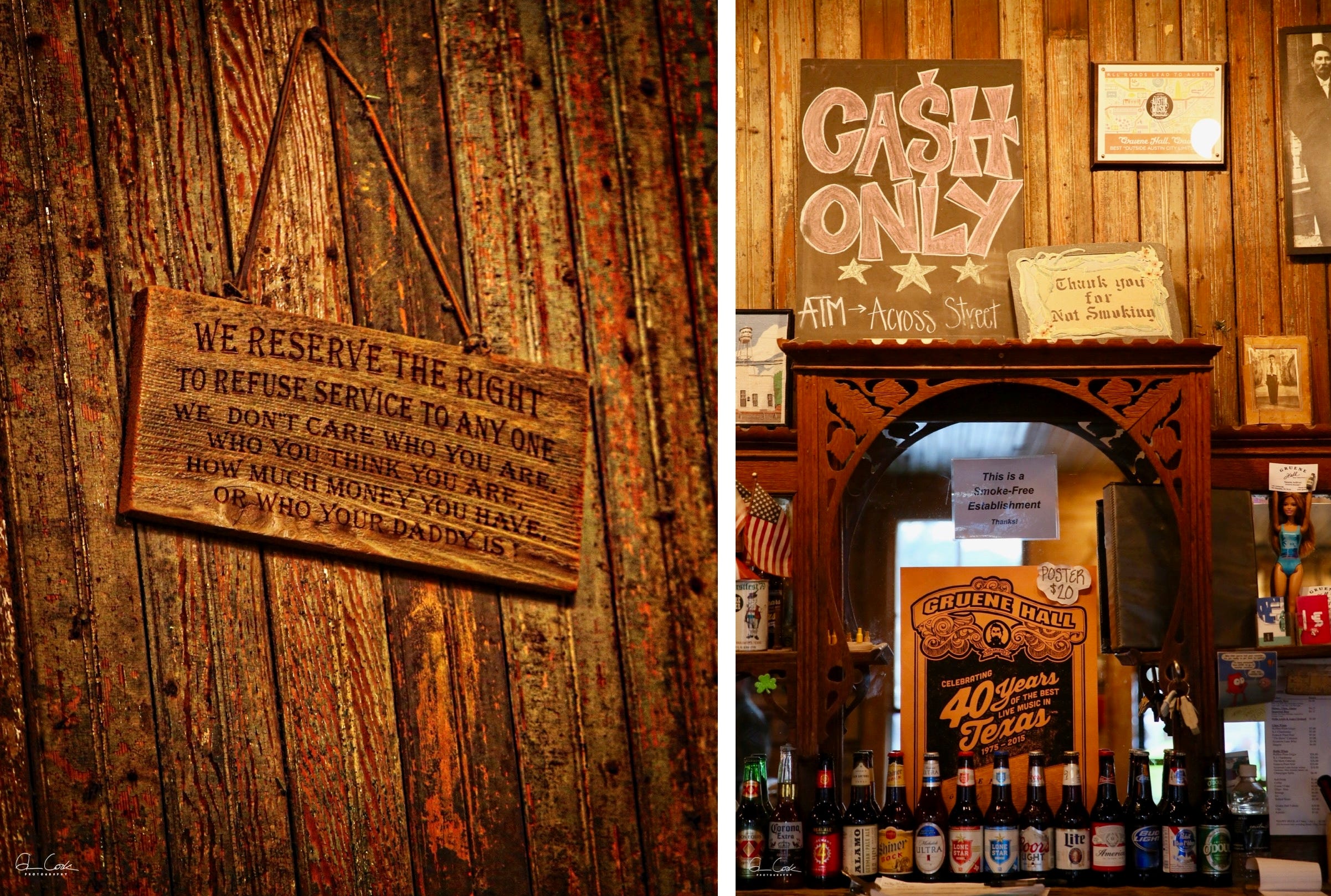
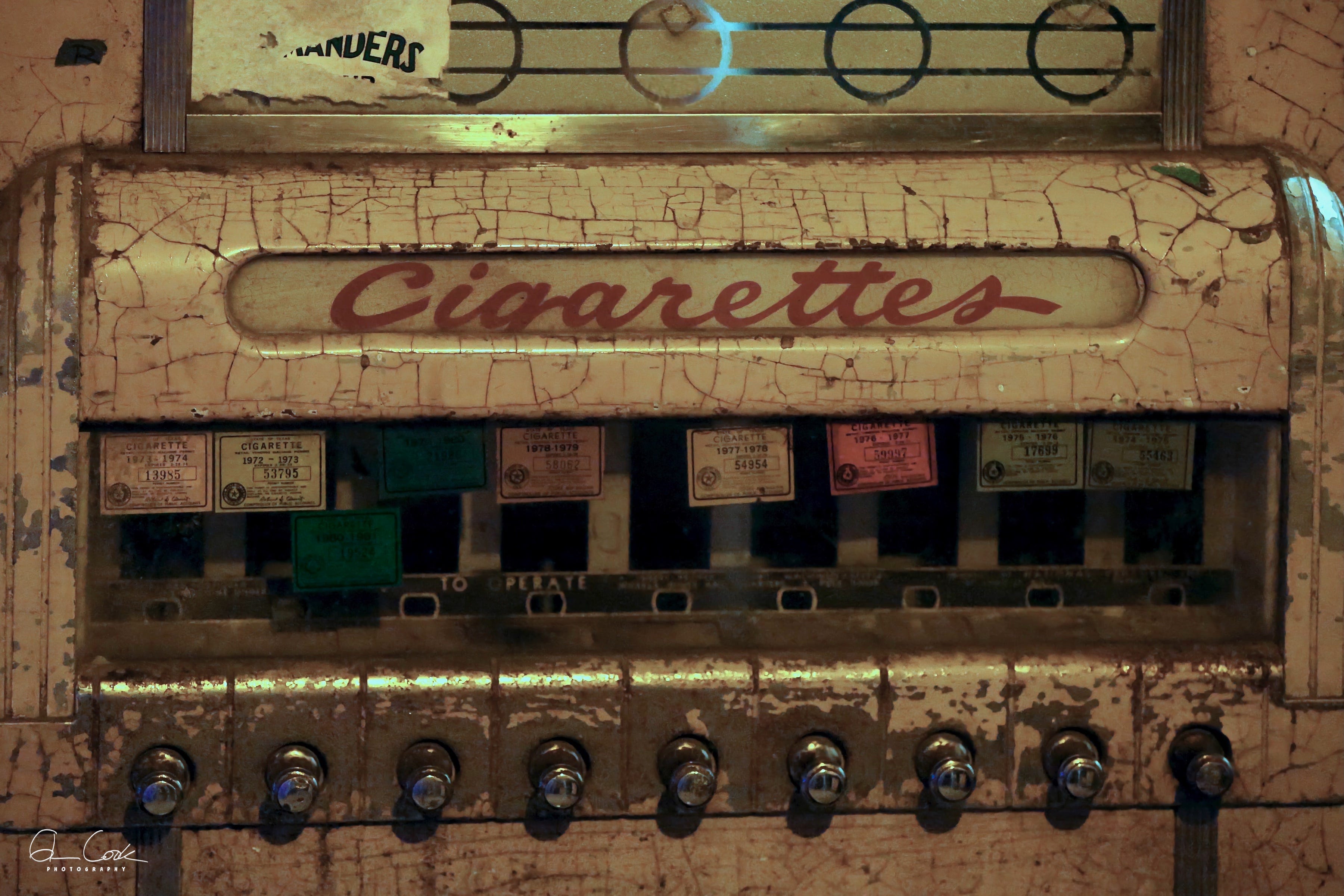
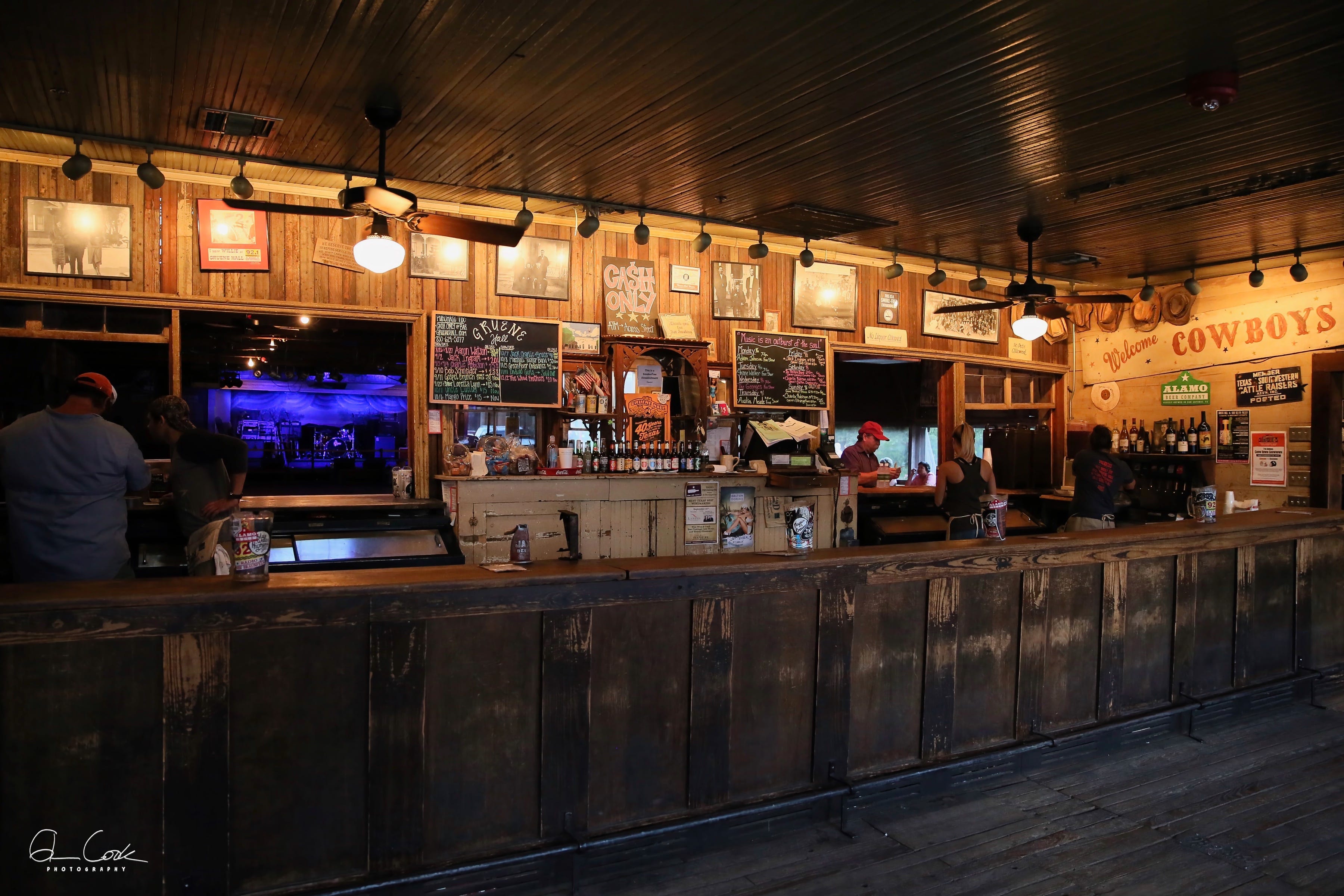
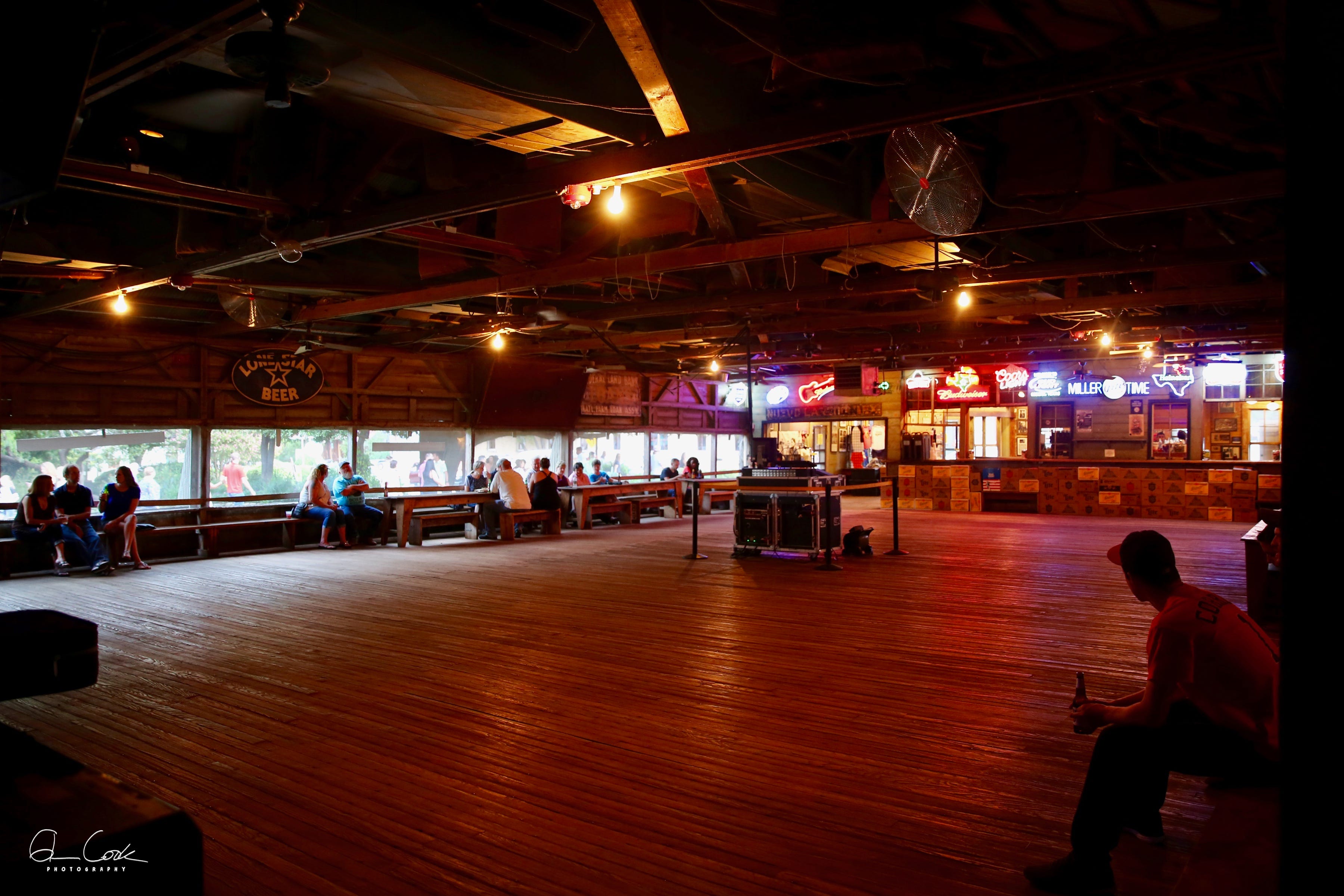
Gruene (pronounced “Green”) Hall bills itself as the oldest dance hall still operating in Texas, a claim that is disputed by some. Its charm comes from how little it has changed over the decades. The hall has a high-pitched tent roof with a long wooden bar in front (the hand-lettered sign at the end says “Welcome Cowboys”) and a small lighted stage in the back. Old cigarette machines that no longer work — the club banned smoking at some point in the 1980s — serve as time capsules of another era.
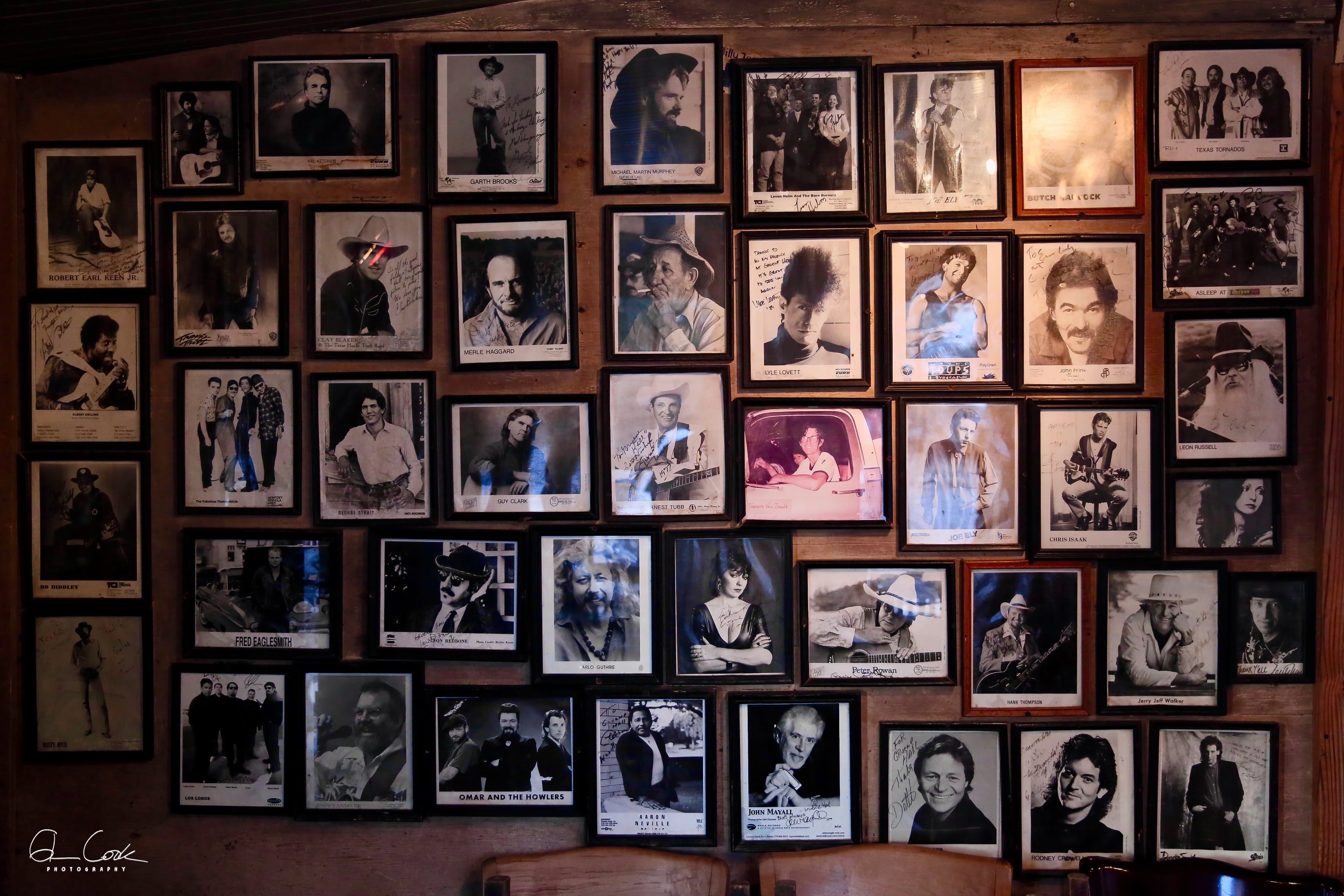
You walk past autographed stills of past performers — a who’s who of Texas artists including Willie Nelson, the Dixie Chicks, Townes Van Zandt, Lyle Lovett, Robert Earl Keen, and Jerry Jeff Walker. Famously, the stage is only about two feet off the ground, and the hall does not have a dressing room.
In September 2016, my wife and I headed to Austin for a long weekend before I went to Houston to see my mom. I always look for interesting shows to see when I return to my home state and was thrilled when I learned that Charlie Robison would be playing at his annual birthday concert at Gruene Hall, which was on the way.
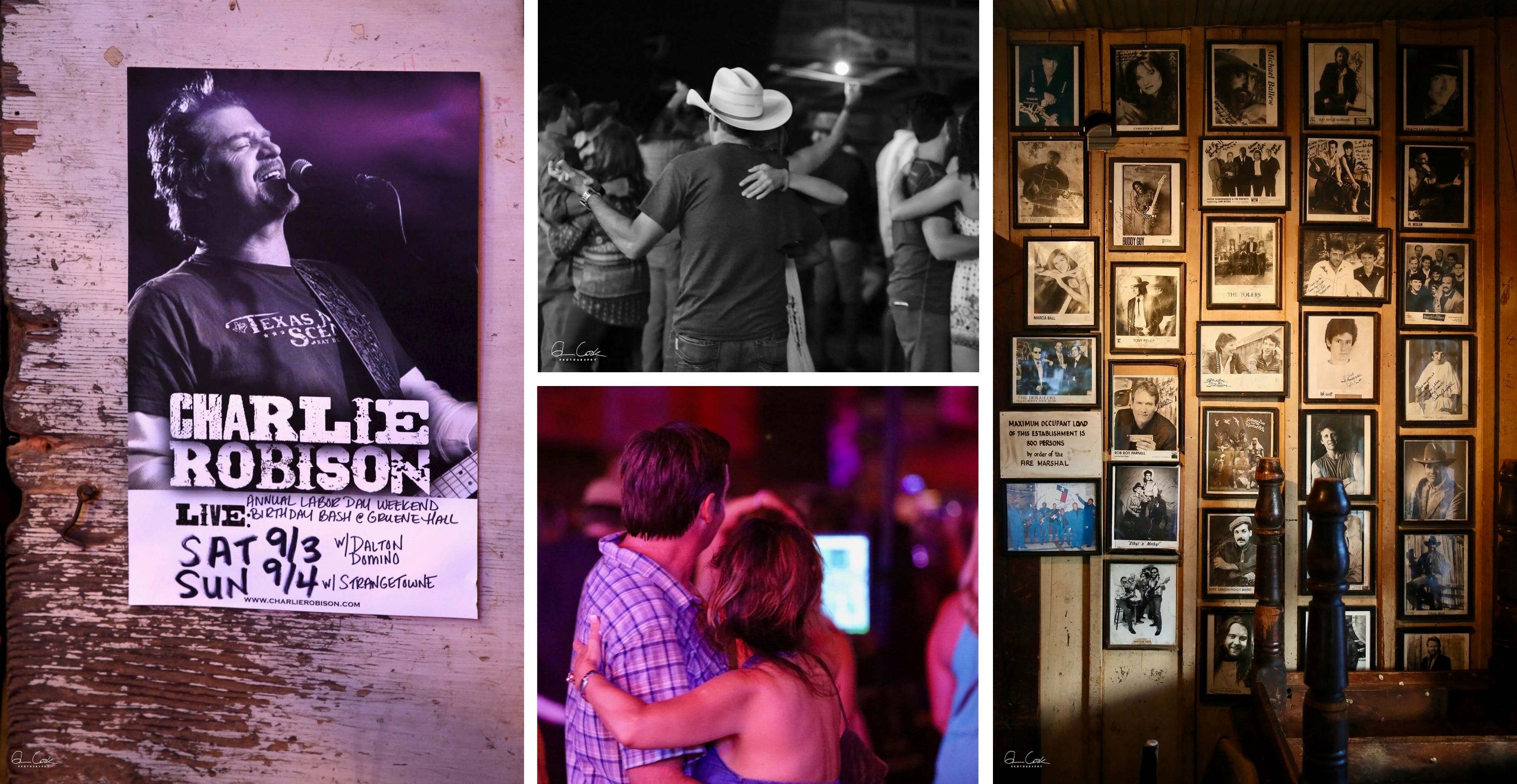
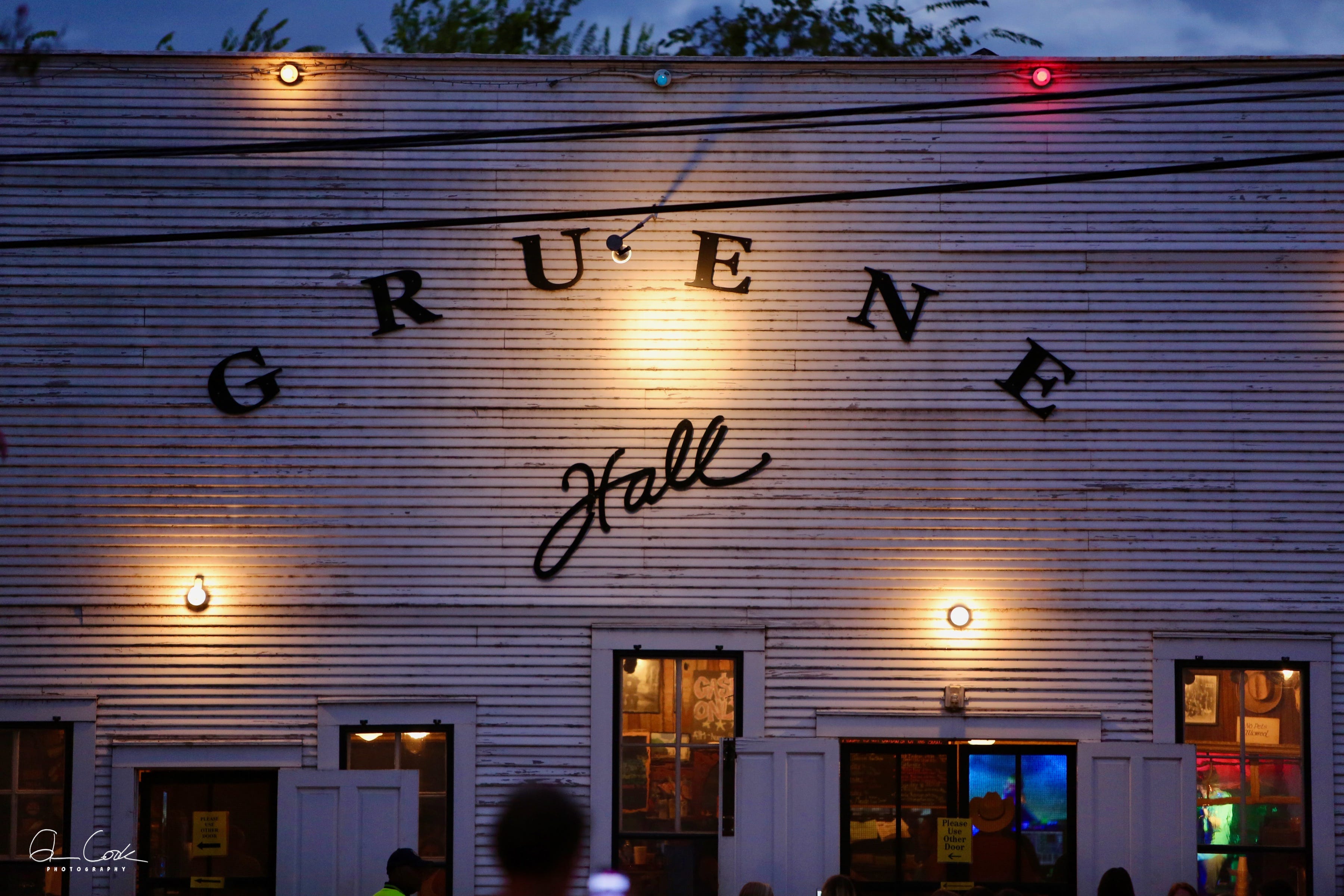
Still wet from the storm, I paid for the ticket outside and got my hand stamped. It was about two hours until showtime and I asked the venue’s manager if I could take photos. She said, “Sure,” noting that Robison didn’t have a policy against it.
I found that strange but exciting, nonetheless. Robison had one of the leaders of the Red Dirt movement that flourished in Texas in the mid to late 1990s, shortly after I moved from the state. Mixing catchy lyrics and a deep twang with a sound that leaned more rock than country, Robison’s major label debut “Life of the Party” is a touchstone for Texas artists.
He had a couple of hits from that album — “My Hometown” is a certified Texas classic — and married Emily Strayer of The Chicks. (Natalie Maines wrote “Cowboy Take Me Away” about them.) By 2016, however, they were long divorced and Robison had remarried.
Like many talented musicians who are known regionally but remain on the fringes of stardom, Robison was still drawing good crowds in the honkytonks, fairgrounds, bars and stockyards where he played, but his recording career had become stagnant. He had produced only two studio albums and one live record since 2005.
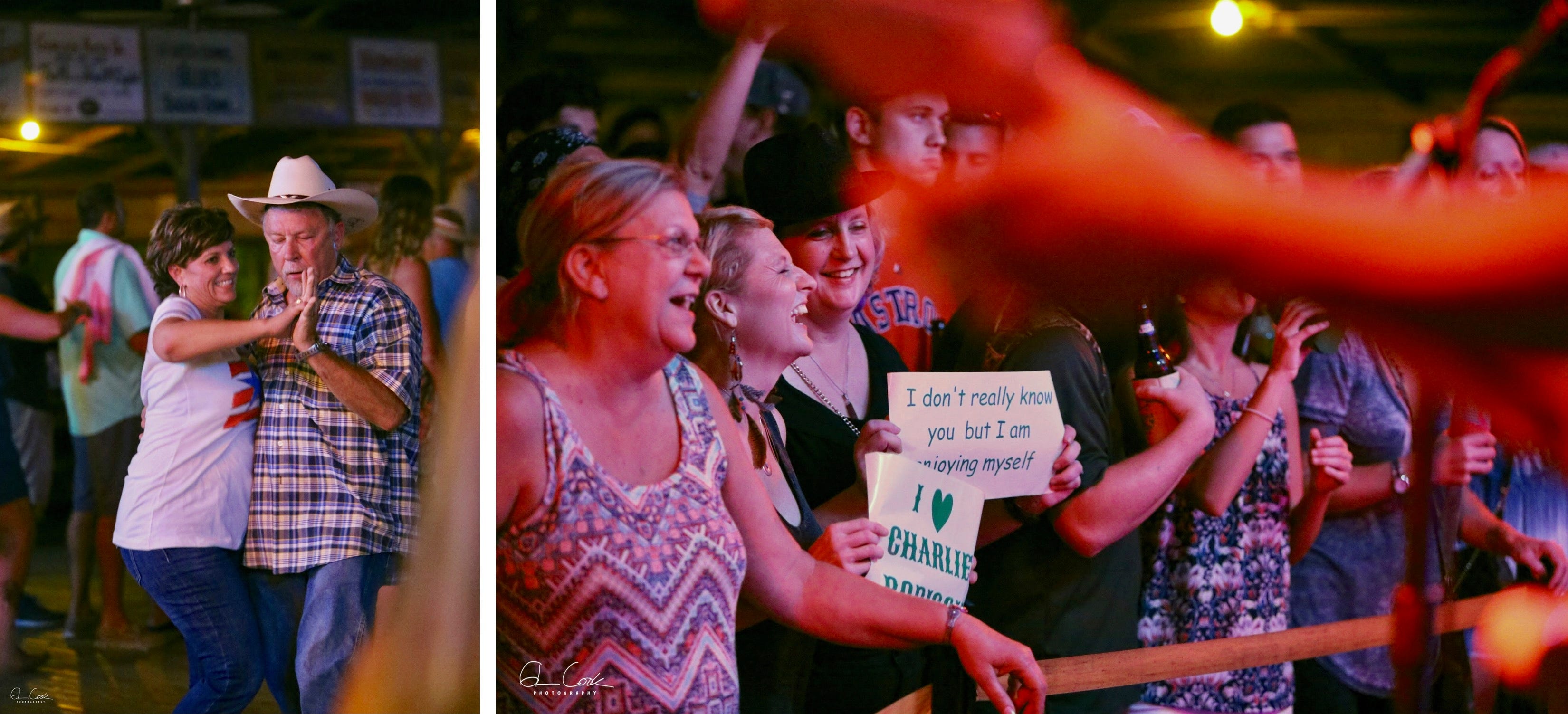
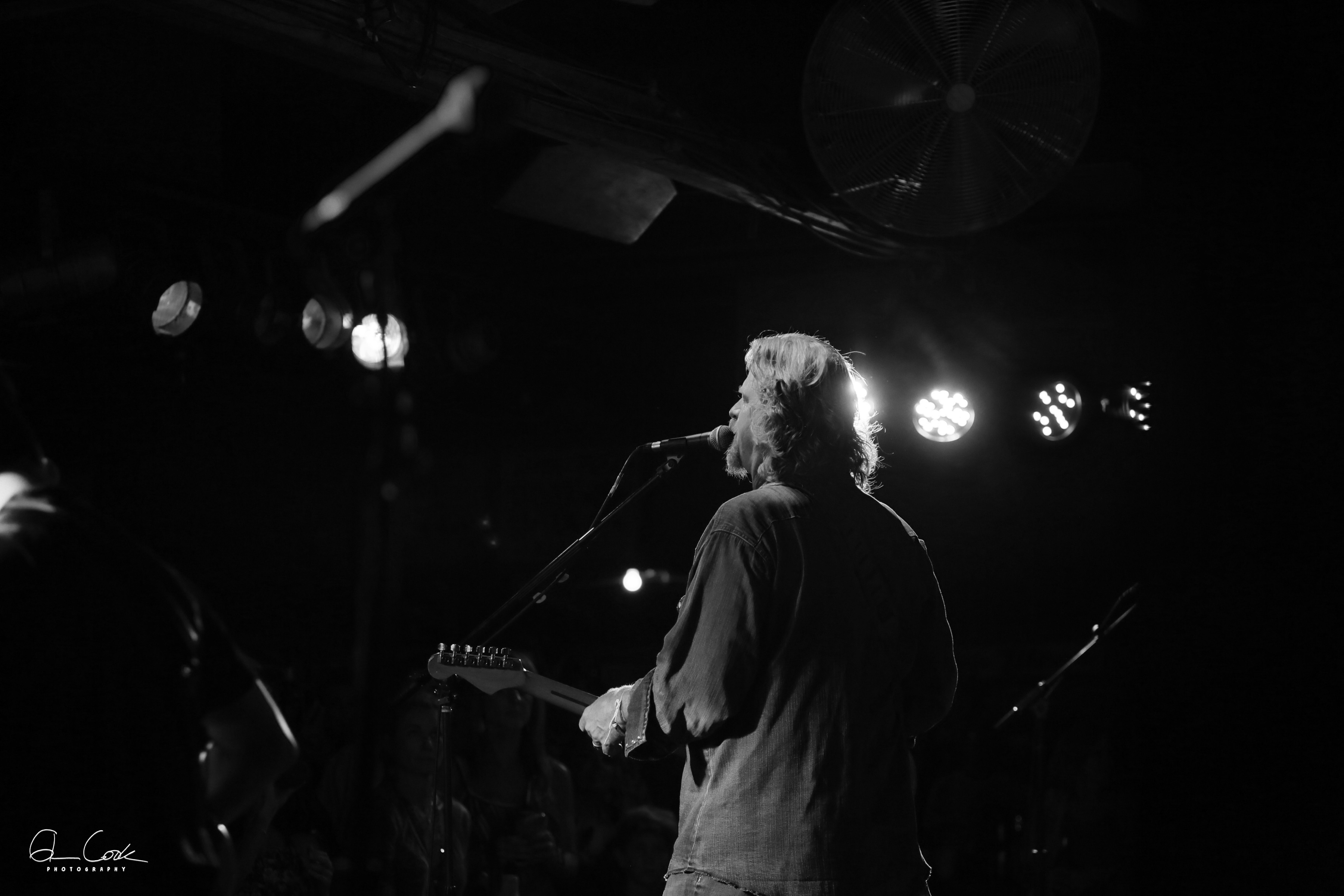
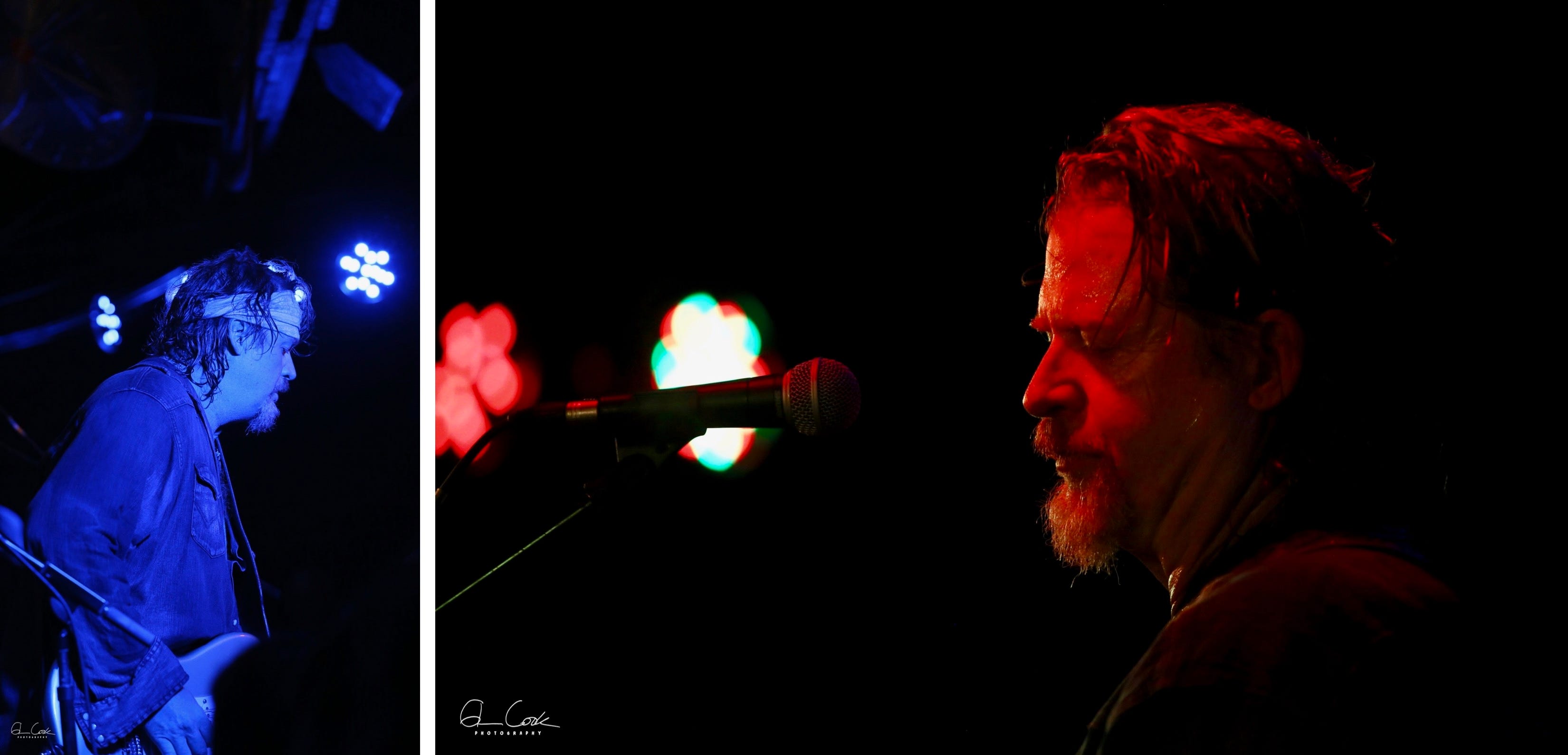
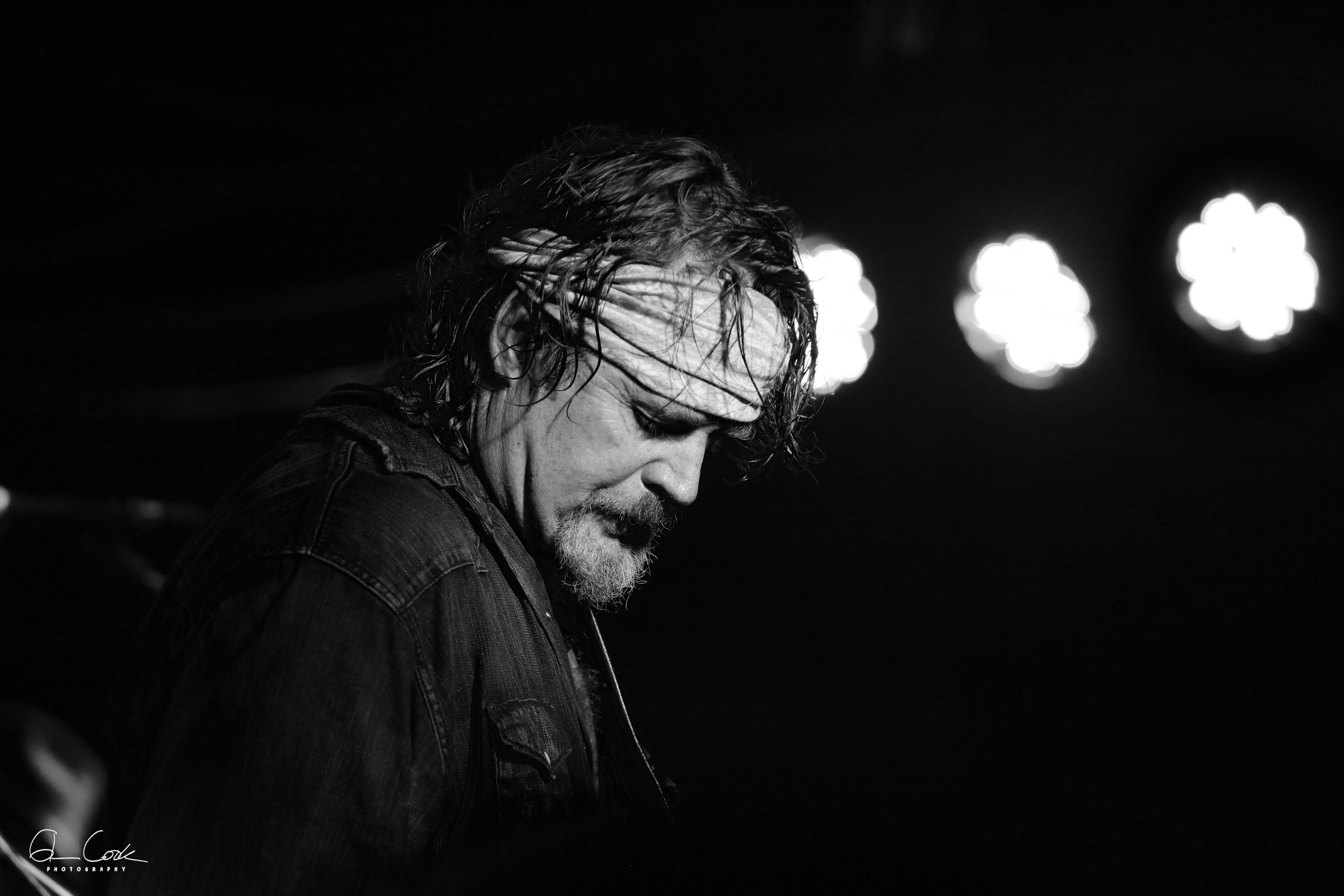
You would never have known it that night. For more than two hours, Robison did everything he could to burn down the venerable 19th century dance hall, mixing country and rock in equal measure with down home spit and swagger. By the end, everyone — especially Robison — was soaking wet.
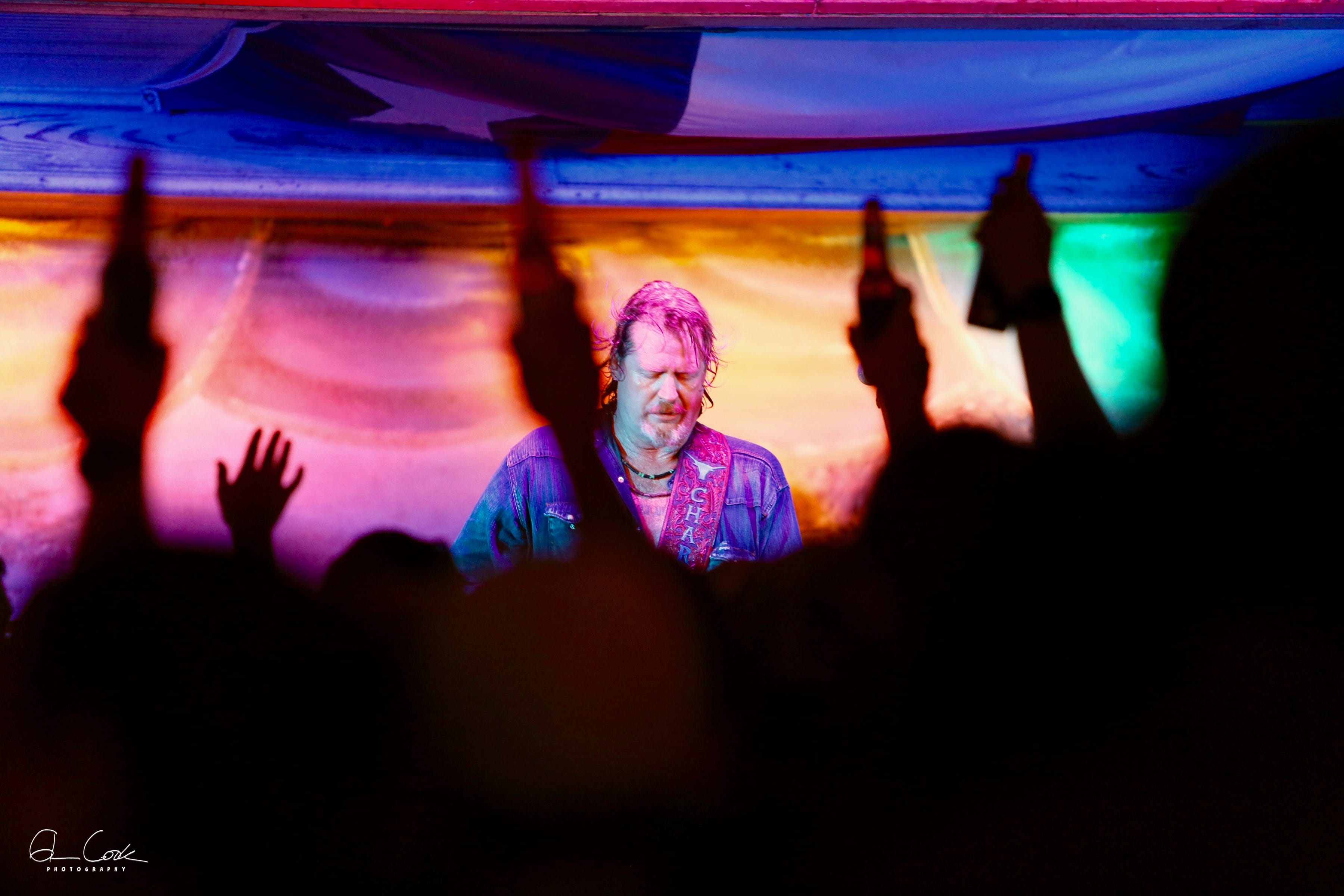
Sadly, this was the only time I saw him live. In 2018, Robison retired after vocal cord surgery. He was in the slow process of making a comeback when he was hospitalized in San Antonio and died in September 2023 from a heart attack and other complications. He was 59.
The concert I saw and photographed seems both like yesterday and a lifetime ago. I still listen to Robison’s music — “Live from Billy Bob’s,” recorded in another Texas institution, is a barn burner — and still wonder what could have been if he’d had more time.
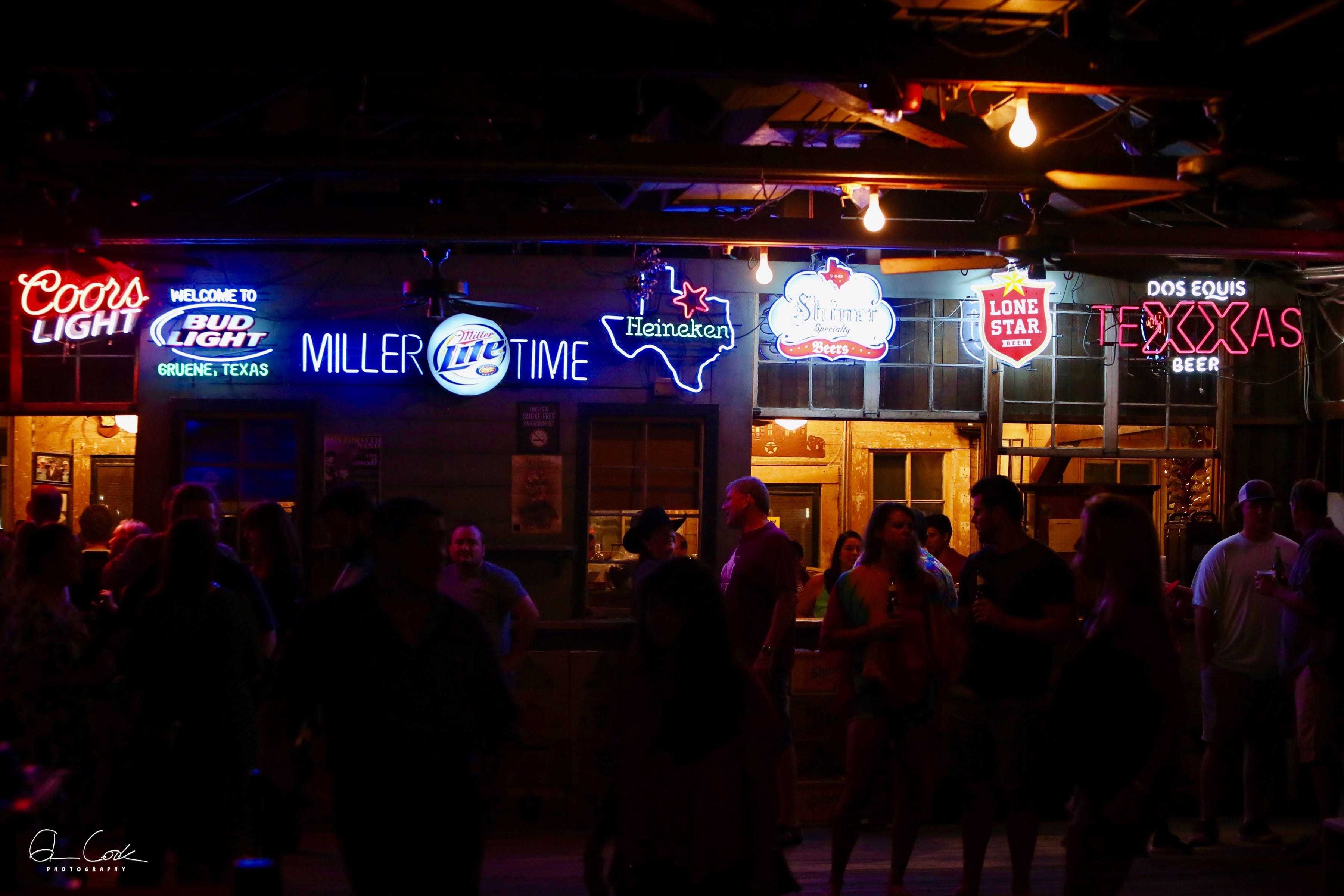
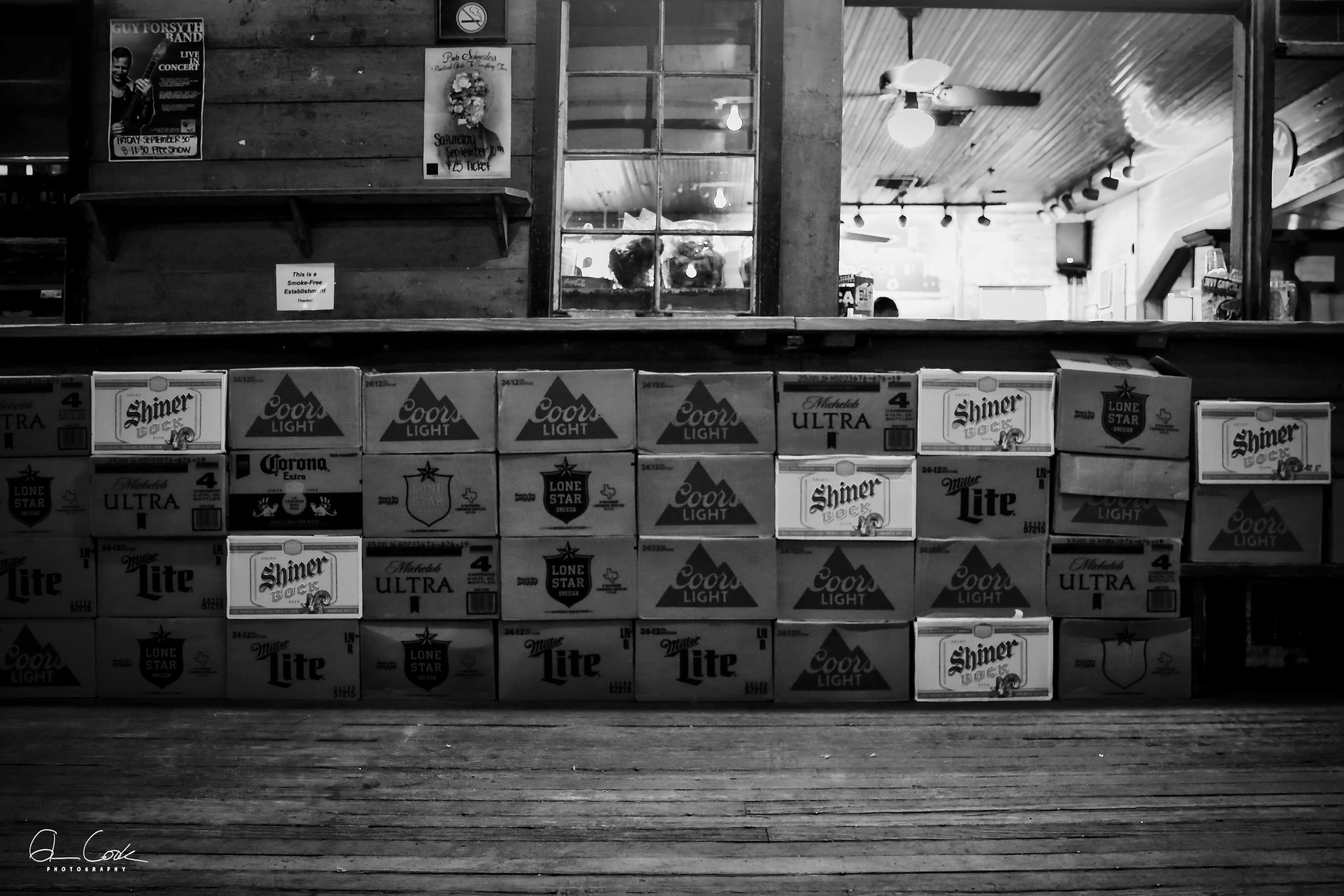
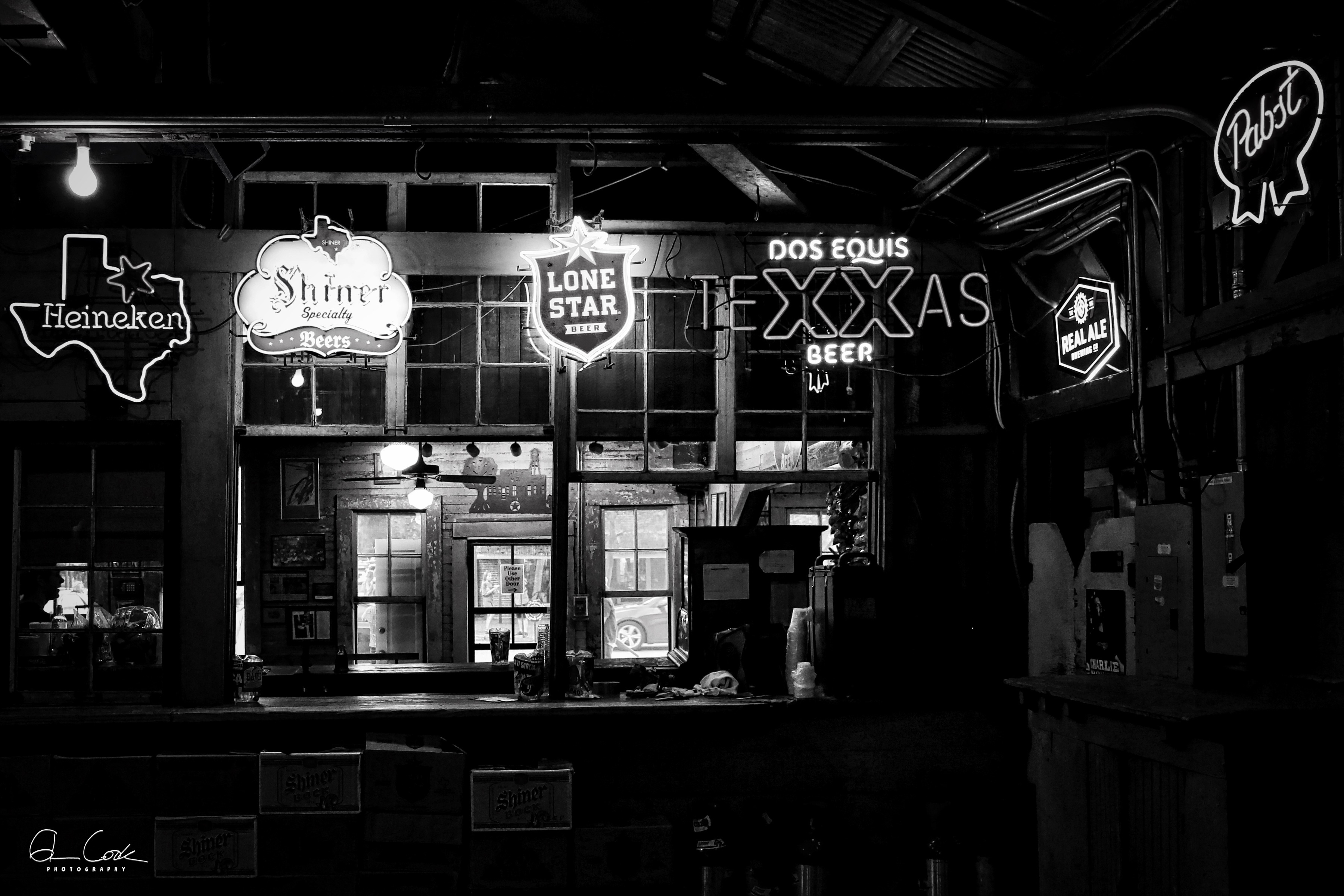
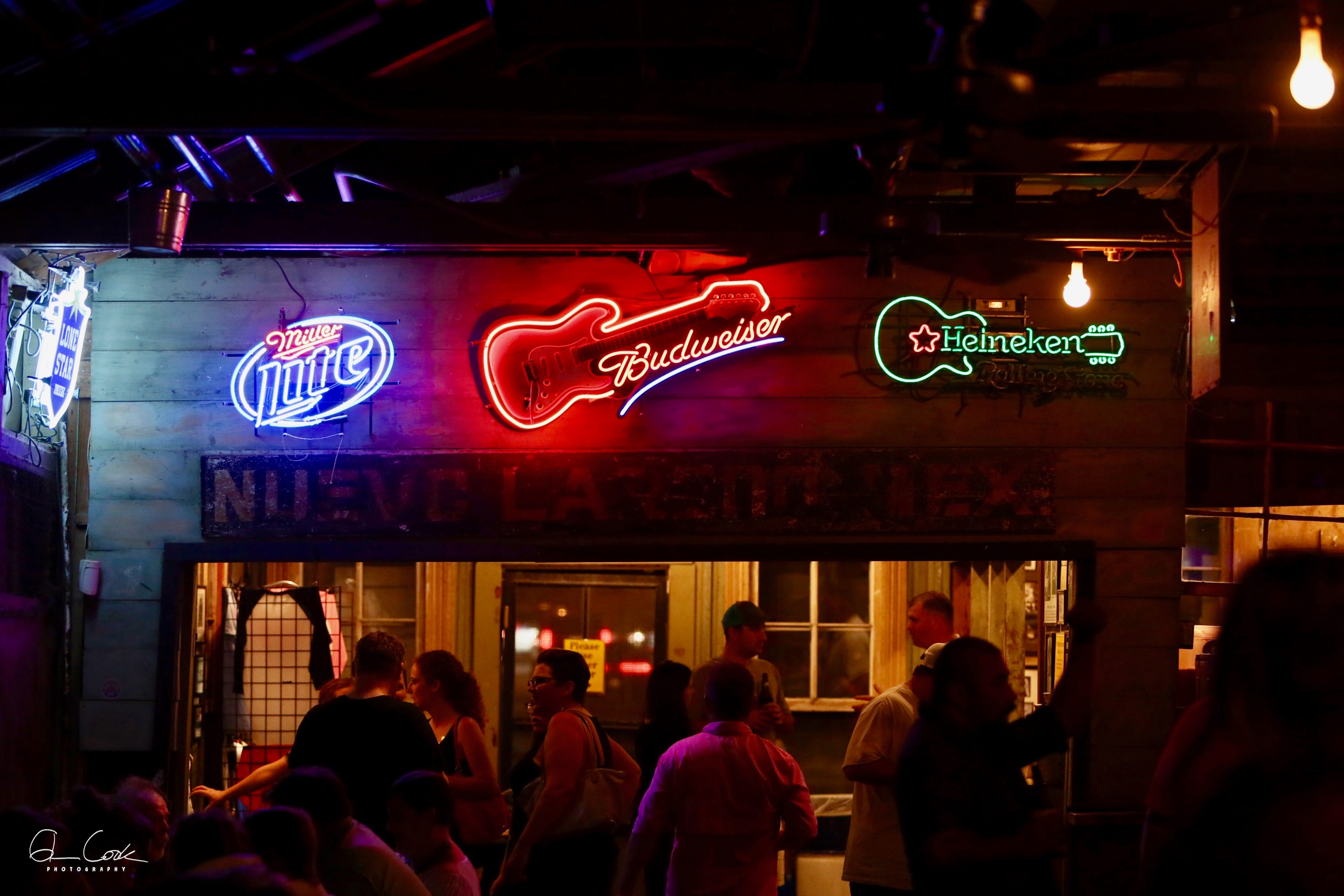
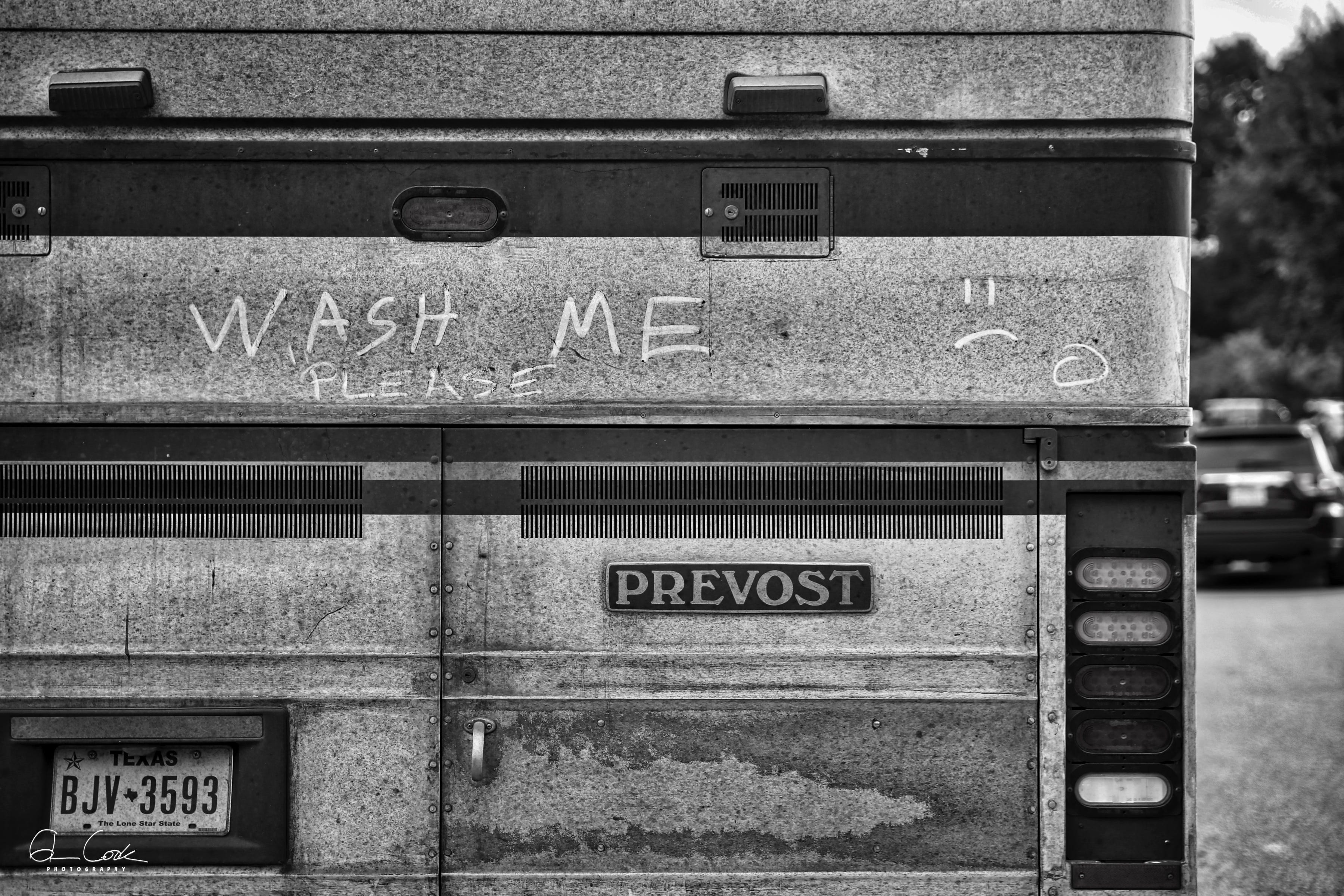
Here are more pictures from the night:
When I was digging through the archive for this story, I also found two short videos I shot of Robison performing. Initially, I didn’t include them in the piece, but decided to add them after it was sent out. I hope you enjoy them.
I’m just in awe of your black & white photos here!!
Love these photos, Glenn...!!
Mark