Swept Away
Saying goodbye to the one and only Jon Dee Graham, a musician you should know

Thirteen years ago, on a Saturday morning just 10 days before Christmas, my cousin Kerry was killed while driving to Austin from the small West Texas town of Albany. His truck crossed over the median and slammed into an 18-wheeler on U.S. 183 South; police later said he apparently had a seizure and passed out just before the accident.
Kerry, a severe diabetic for most of his life, was making the trip to see my teenage son Ben in a touring musical. When we got the news, my mom and I were eating an early dinner with family and friends, waiting for Kerry to arrive.
While in Austin, I had hoped to attend Wednesday night “church” — back-to-back shows by two of my favorite songwriters, Jon Dee Graham and James McMurtry, at the Continental Club. But something came up and those plans were thwarted. Before leaving, I saw Graham was playing that weekend with Freedy Johnson and Susan Cowsill in a new group, the Hobart Brothers and Lil’ Sis Hobart. Due to my cousin’s death, that show would be impossible to go to as well.
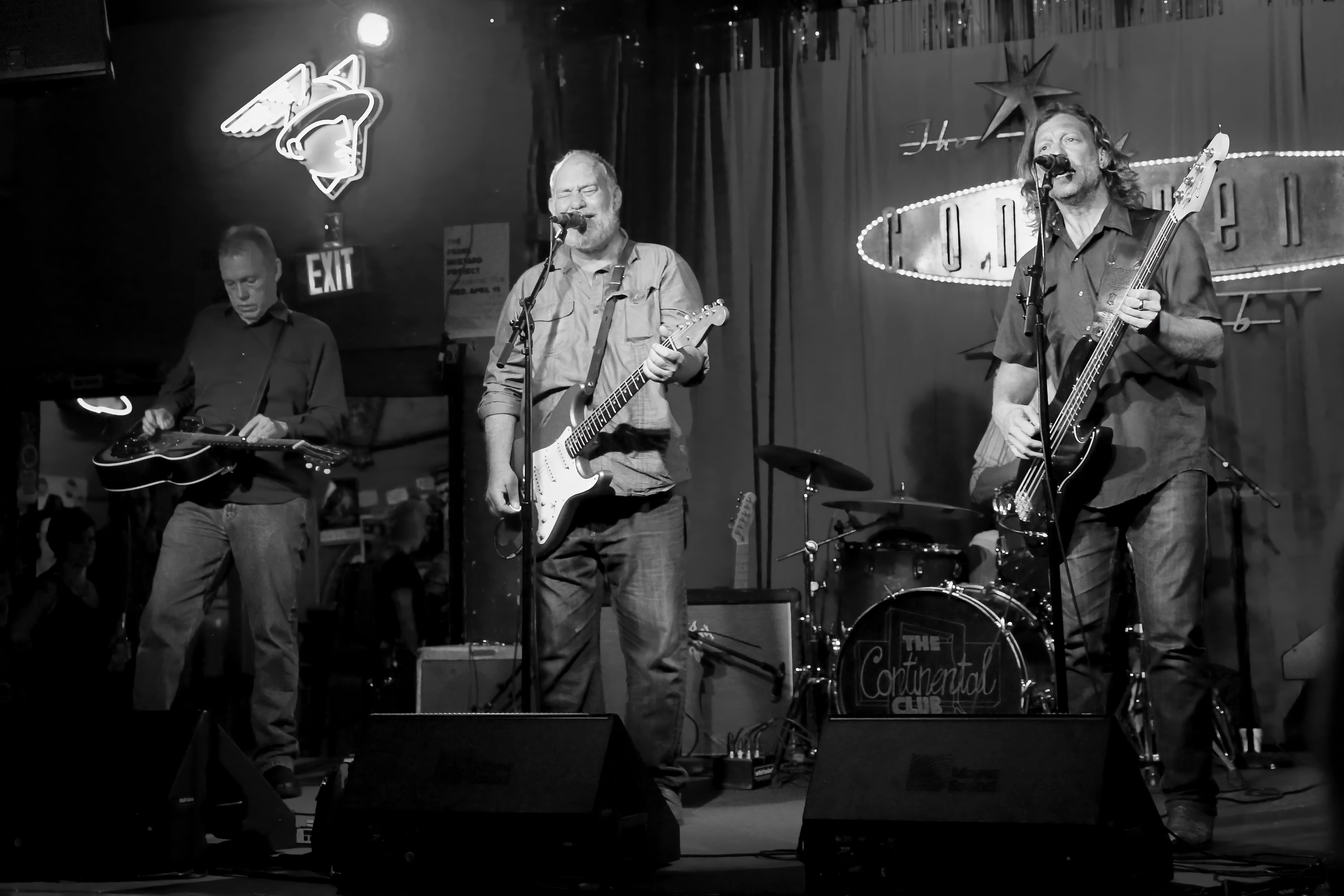
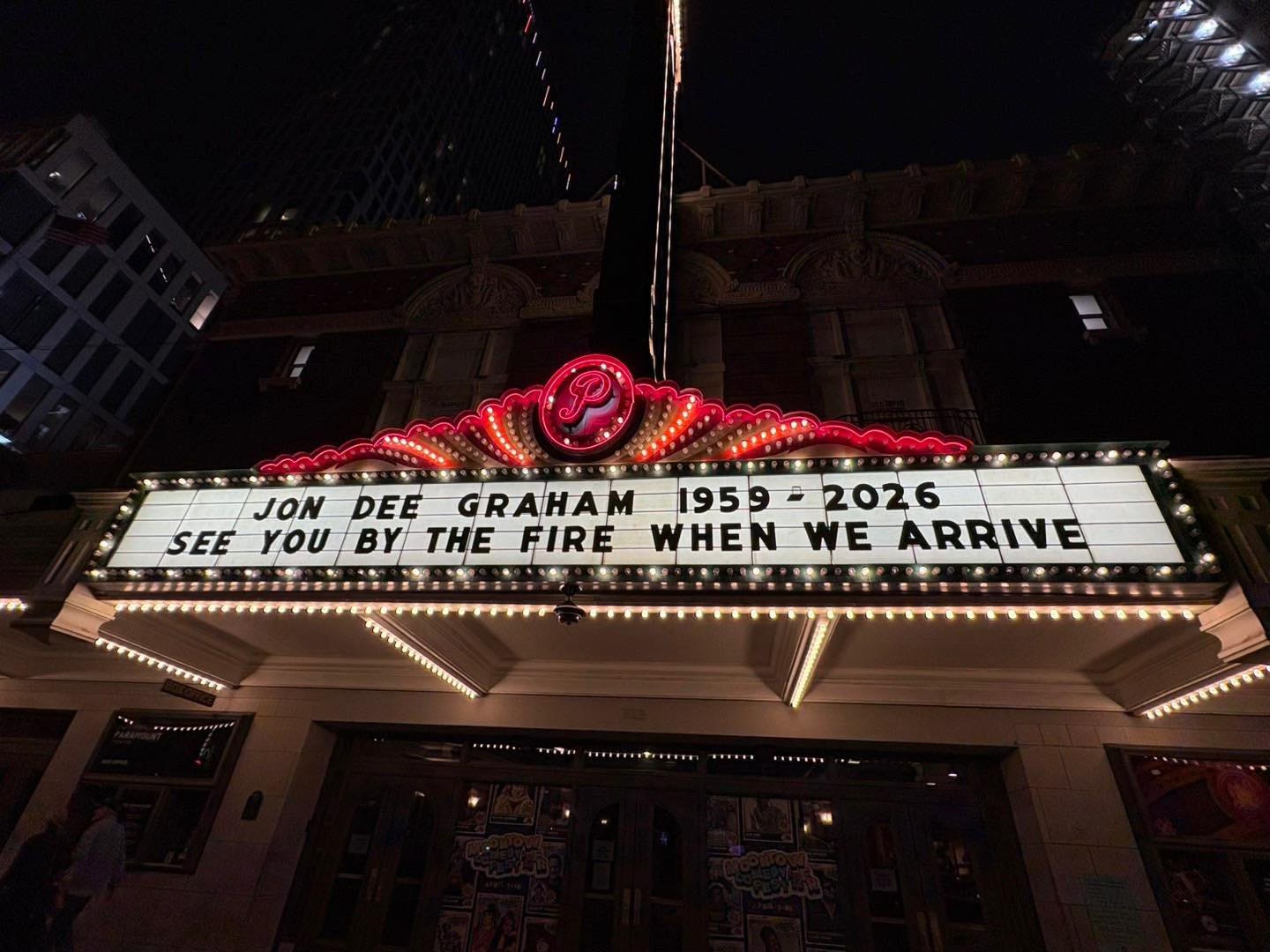
Even though I saw Graham several times in the ensuing years, those missed opportunities have been on my mind since his death from a fall last week at age 67. Along with a handful of other artists, Graham’s songwriting and music have played an outsized role in the soundtrack of my life, and those opportunities now are ones I’ll never get back.
So many songs. I can name 20 off the top of my head without looking at a list, even more if I think about it for a minute. “Faithless,” “Home,” “Big Sweet Life,” “Holes,” “Amsterdam,” “$100 Bill,” “Swept Away,” “Something Wonderful,” “Airplane,” “Laredo (Small Dark Something),” “I Don’t Feel That Way,” “The Majesty of Love,” “Something to Look Forward To,” “Tamale House No. 1,” “Beautifully Broken,” “World So Full,” “Do Not Forget,” “The Orphan’s Song,” “See You By the Fire,” “Goin’ Back to Sweden.”
Ballads, mid-tempo tunes, and rockers. Lyrics that are often dark but ultimately hopeful, with vivid characters and details that stand out because they were written by an adult for adults.
“What I learned pretty early on was the stuff that moved me was simple. Not in the sense of the obvious but in the sense that the fewer moving parts a machine has, the less likely it is to break or to do something that’s not its job,” he told me in a 2019 interview for Americana Highways. “There’s so much to be said for letting the listener’s imagination do what it’s there for.”

••••••
Going with my mom from Austin to Albany for Kerry’s funeral in 2012, I played many of those songs on my phone. The irony was not lost on me that, at the time, Graham’s most recent studio album was 2010’s It’s Not as Bad as It Looks.
The album’s title was based on Graham’s brush with death while driving home from a 2008 solo gig in Dallas. The late-night crash, which broke several bones and forced the removal of his spleen, was the first of many health challenges he would face for the rest of his life.
My mom doesn’t consume and enjoy music the same way I do. Born without hearing in her right ear, she has trouble understanding certain voices and sounds, Graham’s deep gravelly voice being one of them. That said, I continued to play his music as we drove on backroads toward the small West Texas town of her early youth.
Graham was a fifth-generation Texan. Born in the Panhandle, he had a tough relationship with his father and moved to Austin in the late 1970s. Still a teenager, he picked up work quickly as a guitarist, along with addictions to alcohol, drugs, and cigarettes. So many cigarettes. Depression, too.
I first saw Graham in the mid 1980s when the True Believers opened for Los Lobos in Houston. The band’s reputation as an incendiary live act, I can tell you, was deserved as the three-guitar attack of Graham, Alejandro and Javier Escovedo tore the club down to its studs, melding the literacy and wit of Texas songwriting with ferocious hard rock and punk sounds.
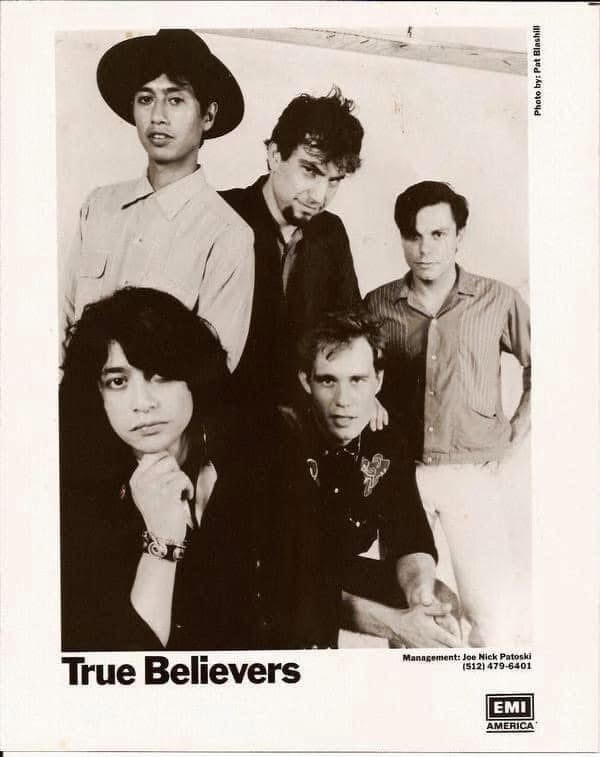
The True Believers signed to EMI after their self-titled first album was released on Rounder in 1986, but their second was caught up in label merger hell. It wasn’t released until 1994, long after the band broke up.
A fixture and legend in the Austin music scene, he is the only person elected to the city’s Music Hall of Fame three times — as a solo act and for his work with the True Believers and The Skunks. But broader success eluded him.
Graham worked as a sideman with a number of other musicians throughout the 1980s and 1990s. At 37 — “Kinda late,” he told me, “and maybe not the most stable career move” — he signed to New West Records as a solo act. He released four records, all critically acclaimed, but was dropped by the label in 2005 after poor sales.
“There used to be artist development,” he said. “Record labels really didn’t expect to make their money back for the first three records because artists were encouraged and allowed to grow? Who on earth would give Tom Waits a record deal today, or for that matter, Neil Young? These were artists who were nurtured and allowed to move forward in ways that are just actually impossible now. Even if someone wanted to do it, they couldn’t.”
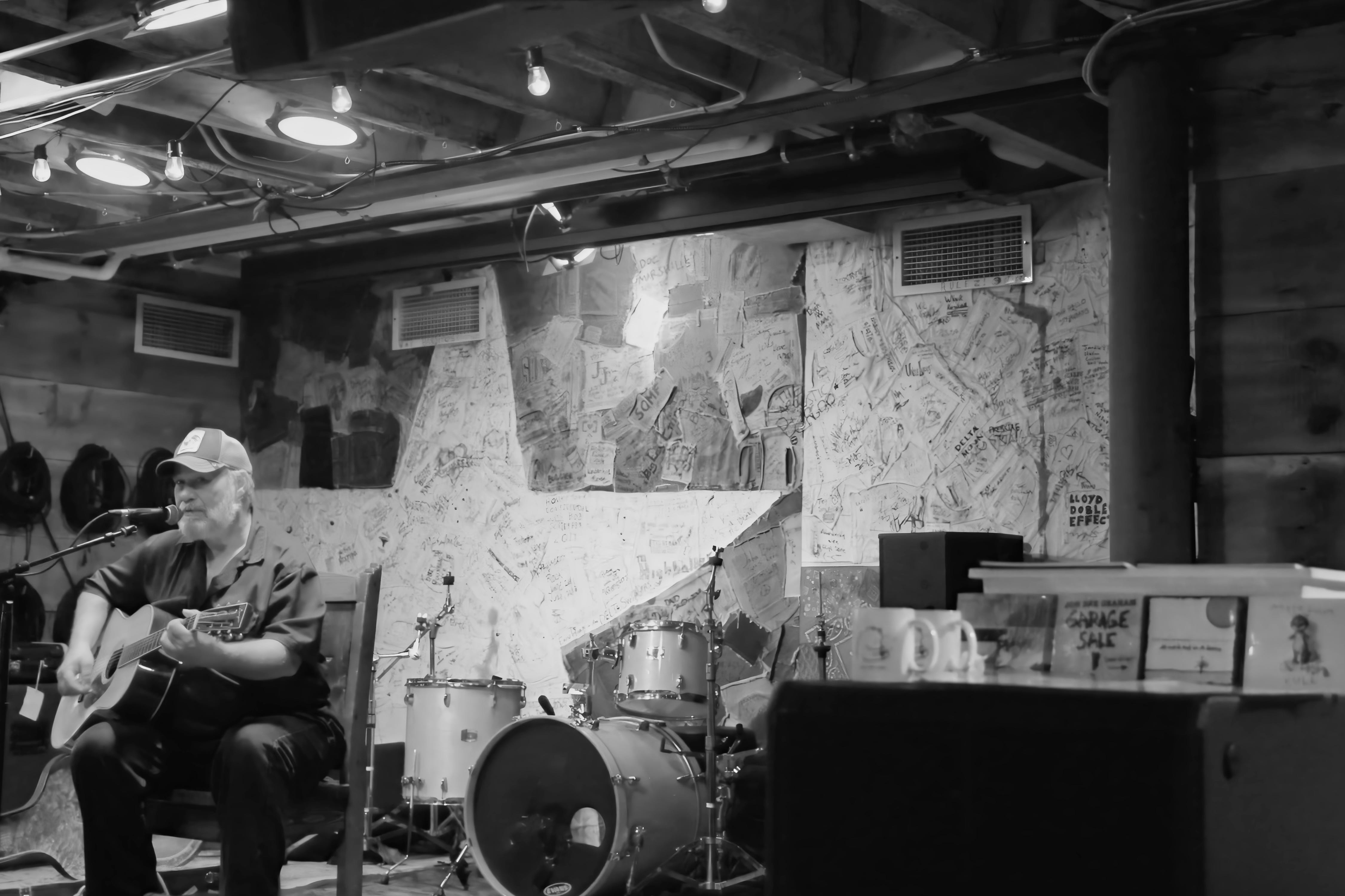
At that point, Graham scrambled, playing more than 120 live gigs a year and sporadically releasing albums, a relentless schedule he maintained as long as his health permitted. For more than a decade, he was constantly on the road; weekends each month in Houston, Dallas, San Antonio, and Austin, along with his Continental Club residency, plus annual tours to clubs in the Midwest, Northwest, and Northeast.
“Acclaim doesn’t put food on the table,” he told me. “It’s adorable and I’m touched, but I cannot possibly be more tired of the phrase ‘Best songwriter you’ve never heard of.’”
Fans and supporters tried. Mark Finkelpearl, who writes the Hard Rain and Pink Cadillacs Substack with music critic Geoffrey Hines, made a documentary on Graham and his music. (“Jon Dee Graham: Swept Away,” released in 2008, is available for streaming on Amazon.)
And from the tributes pouring out on social media since his death, the people who knew Graham and his work mourn his loss and, more important, his presence in their lives.
End of the Road
My mom and I took our time on the Albany drive, arriving on Tuesday evening for the visitation. The graveside service would be held the next morning, after which I would return to Northern Virginia.
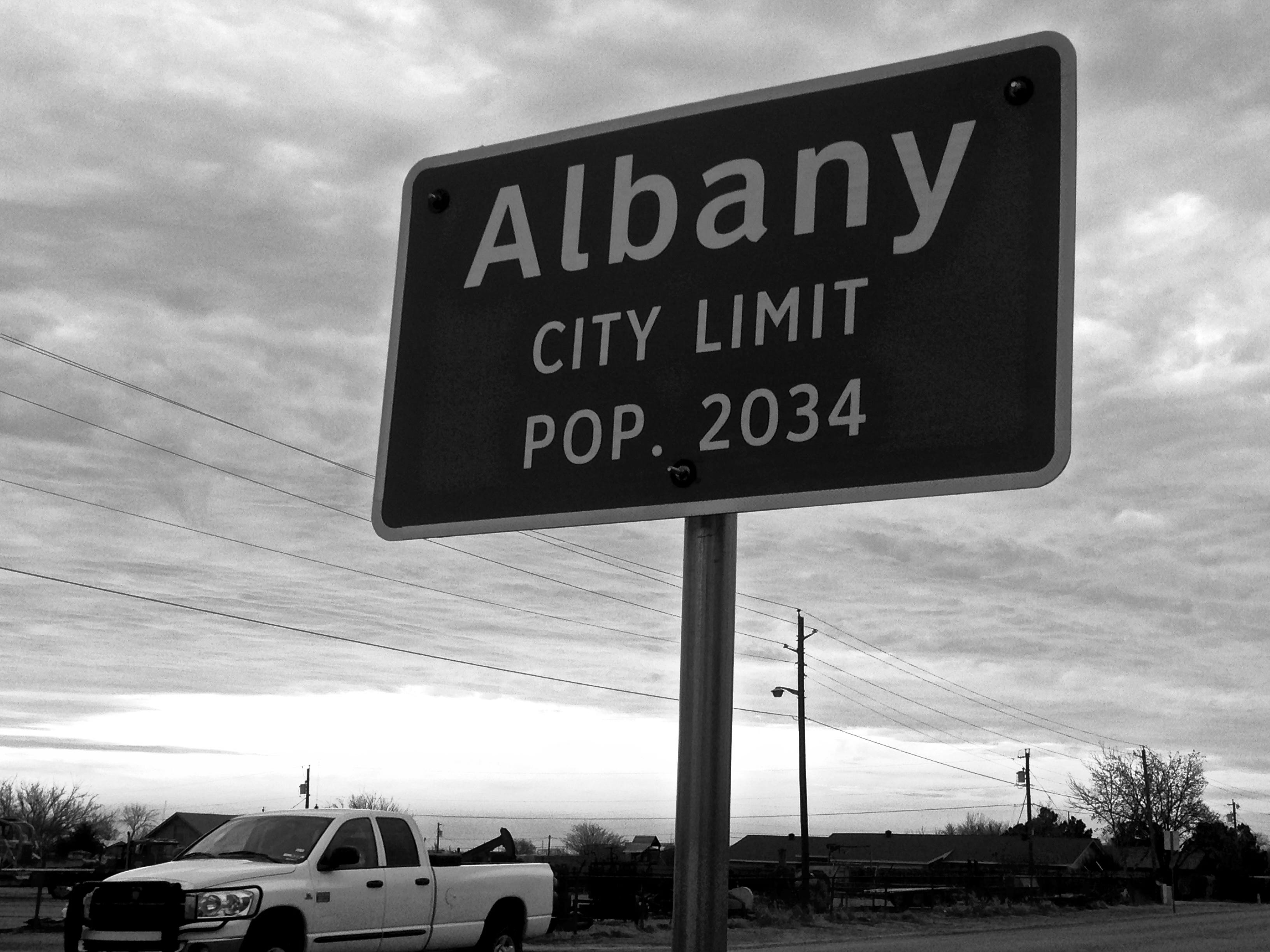
Albany was and is a hard place, and Kerry lived a hard life. In the small town, population 2,034, he was known by almost everyone. His barbecue was legendary and his personality was as broad as his shoulders. A welder, he broke his neck after a fall on a job site. Diabetes ran rampant in his family, and he struggled with that as well.
The pastor who delivered the eulogy noted he did not know Kerry that well. “From what his friends and family members have told me,” the pastor said, “he lived nine lives and borrowed a few others.”
Kerry was 59 when he died, the same age Graham was when I interviewed him several years later. At the time, Graham was working on songs that would be included on his last full-length album, 2023’s Only Dead for a Little While.
“Potentially this will be my last record,” said Graham. “I hope not but what if it is? At my age and the crowd I ran with, let’s just say they were enthusiastic about living and a lot of them are not with me anymore. If this turns out to be the last record, I want it to be right. My approach is, ‘Let’s say this is your last, what do you want it to accomplish?’”
In the same breath, Graham worried that music has become “very disposable.”
“What I do miss is that music used to mean more to people,” he said. “I find it hard to believe that it doesn’t still. How many times do you hear a song on the radio and go back instantly to where you were when you heard the song the first time. There’s so much value in that.”
Our conversation later shifted to my favorite of his songs — “Faithless.” Graham said he had played it in churches and at funerals, but noted the song was not religious.

“People get confused with the terms spirituality and religion. Religion is for people who are afraid to go to hell. Spirituality is for people who’ve been to hell,” he said. “Literally the definition of faith is the belief in things unseen. If you can’t muster that up, you’re going to have a hard time in this world. It does not have to be the belief in the white robe bearded God. It can be whatever, but you can’t live in this world and not realize that something is going on, that something happening that is not you and is not me.
“So much of what happens in our lives and what goes into our lives is necessarily unseen. ... With love, friendship, fidelity, loyalty, you don’t see it, you just see it pass through your life. That’s why we need faith.”
And thoughtful statements like that are a reason we need more people like Jon Dee Graham. He is missed.
Go Fund Me
An account has been set up to help Graham’s family pay for medical and funeral expenses, which have been immense. Graham’s son, William, writes:
Over the past several years, my father faced tremendous health challenges that resulted in significant medical bills, many of which we are still paying off. Now, in addition to those ongoing medical expenses, we are faced with the costs of funeral arrangements, cremation, and settling his affairs. We are asking for help to cover these medical and end-of-life expenses so that our family can focus on grieving, honoring his life, and preserving his musical legacy rather than worrying about the financial burden left behind.
Playlist
An Apple Music playlist of the 20 songs I mentioned can be found here. A Spotify list is embedded (grrr…) below:
Beautifully written, Glenn.
Thank you for this, Glenn. You words are powerful. I've now listened to Faithless a couple times; thank you for introducing me to John Dee Graham in such a powerful way.