The Halloween Room
A look at the strangest — and, for years, the most mysterious — part of the Biltmore Estate

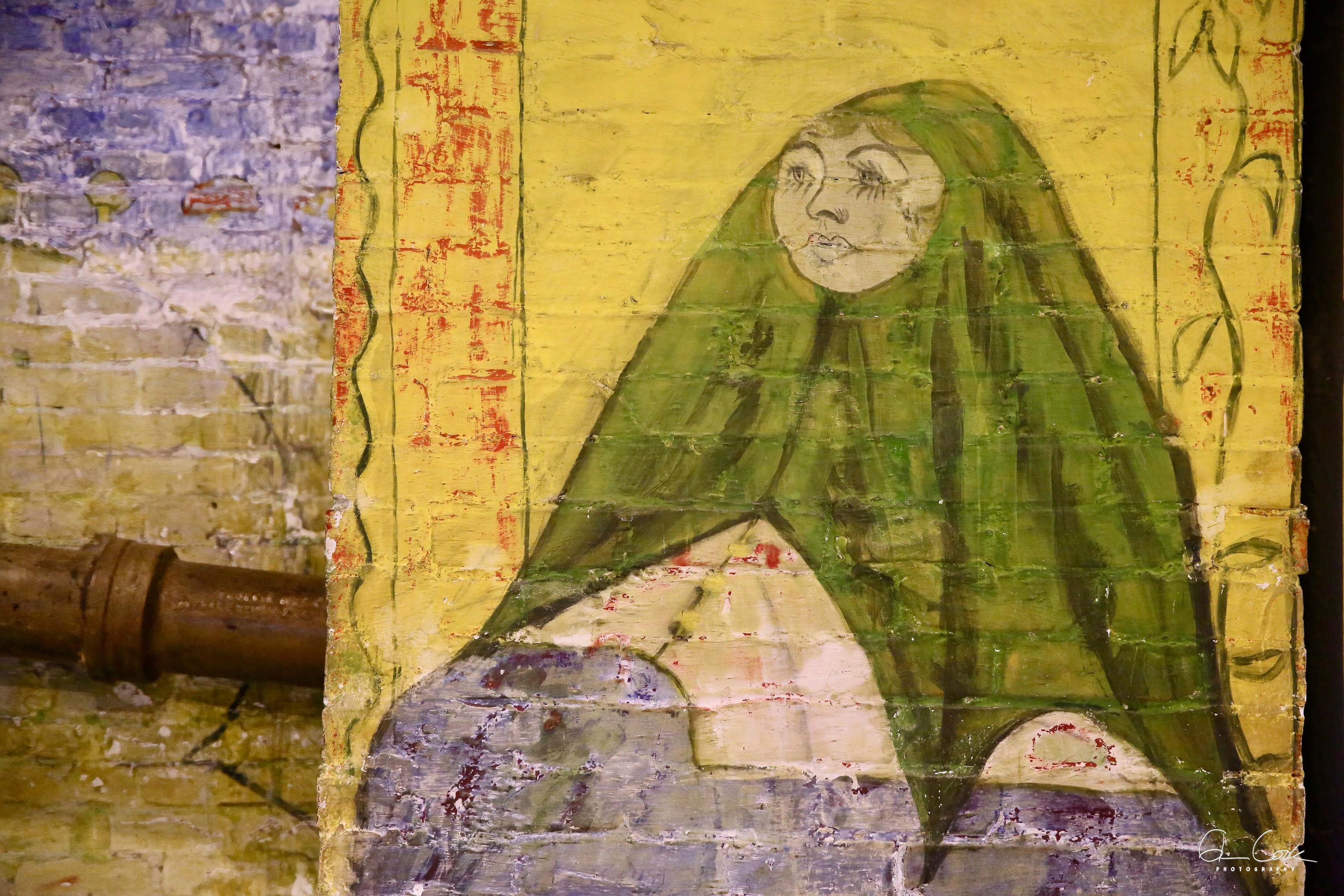
Among all the displays of excess and eccentric whims of the extremely wealthy that you find in the Biltmore Estate, none is more bizarre or unusual than the Halloween Room.
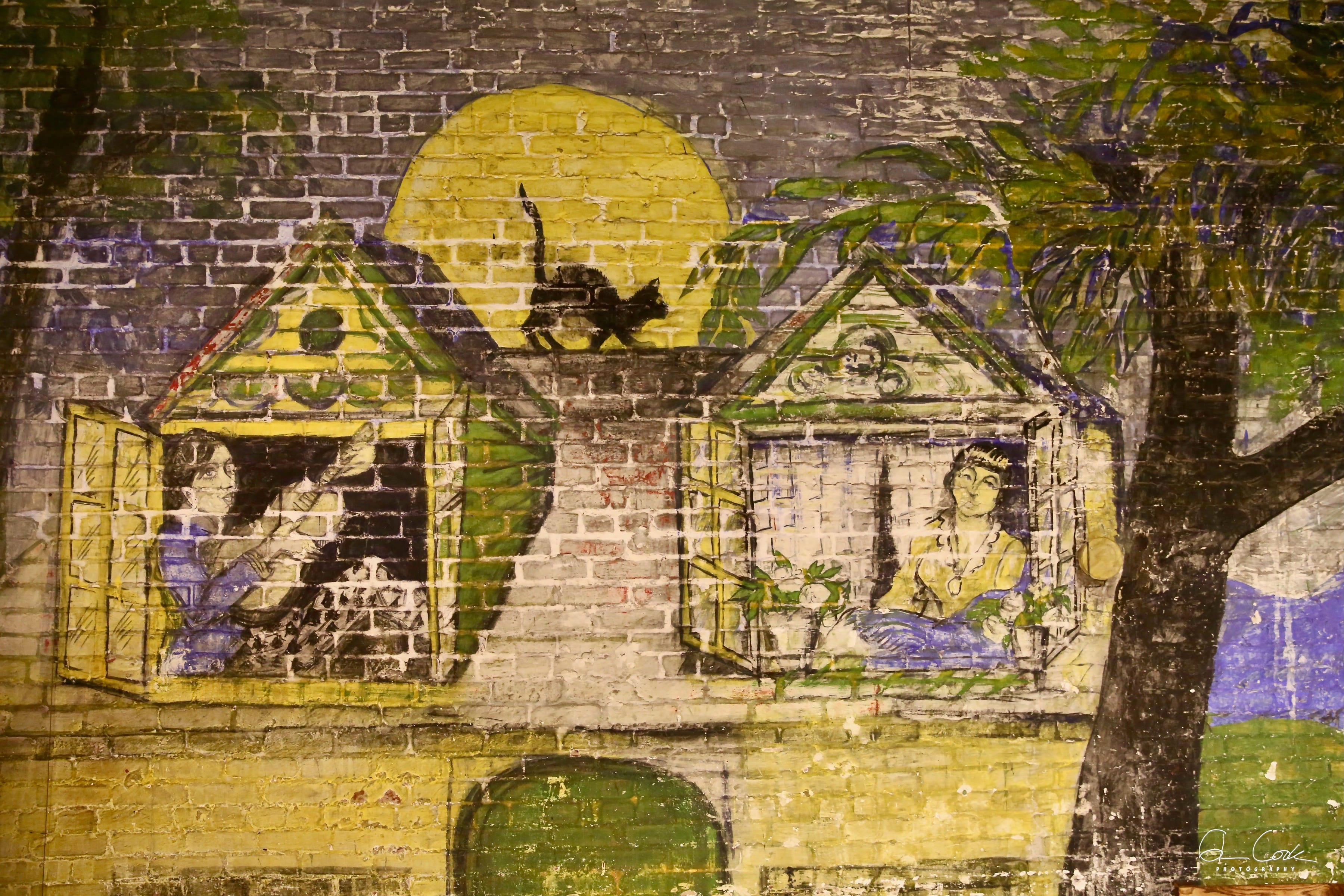
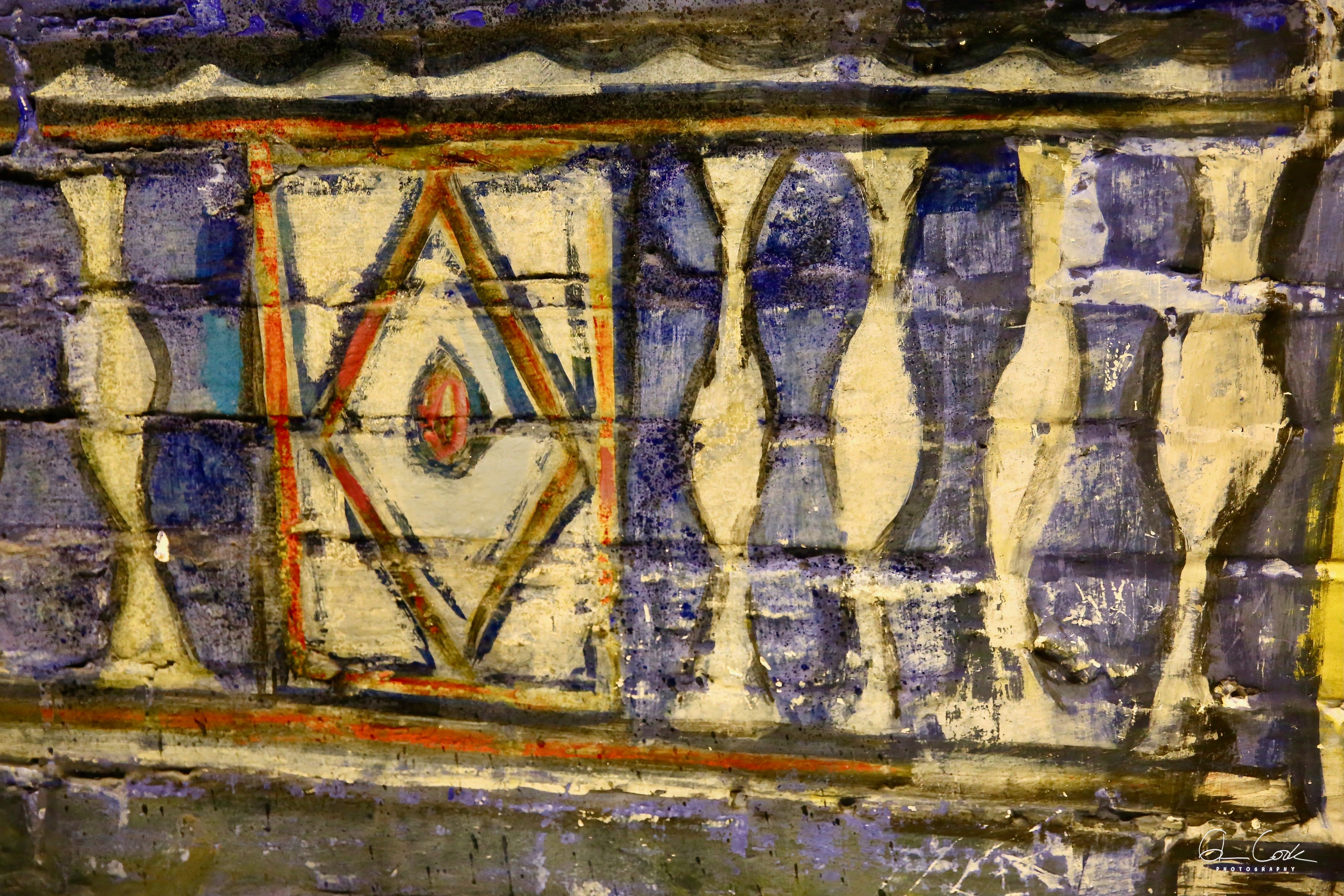
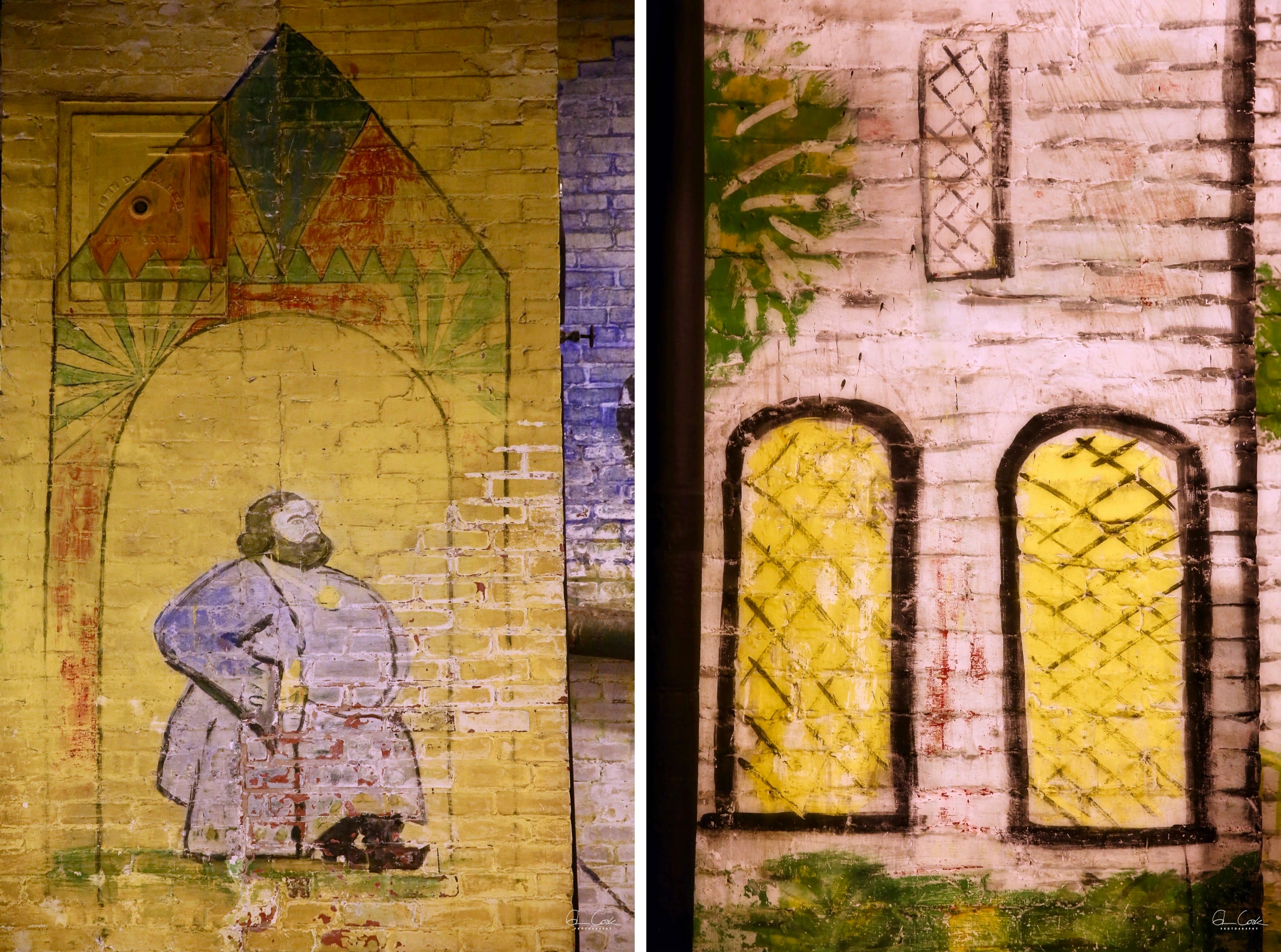
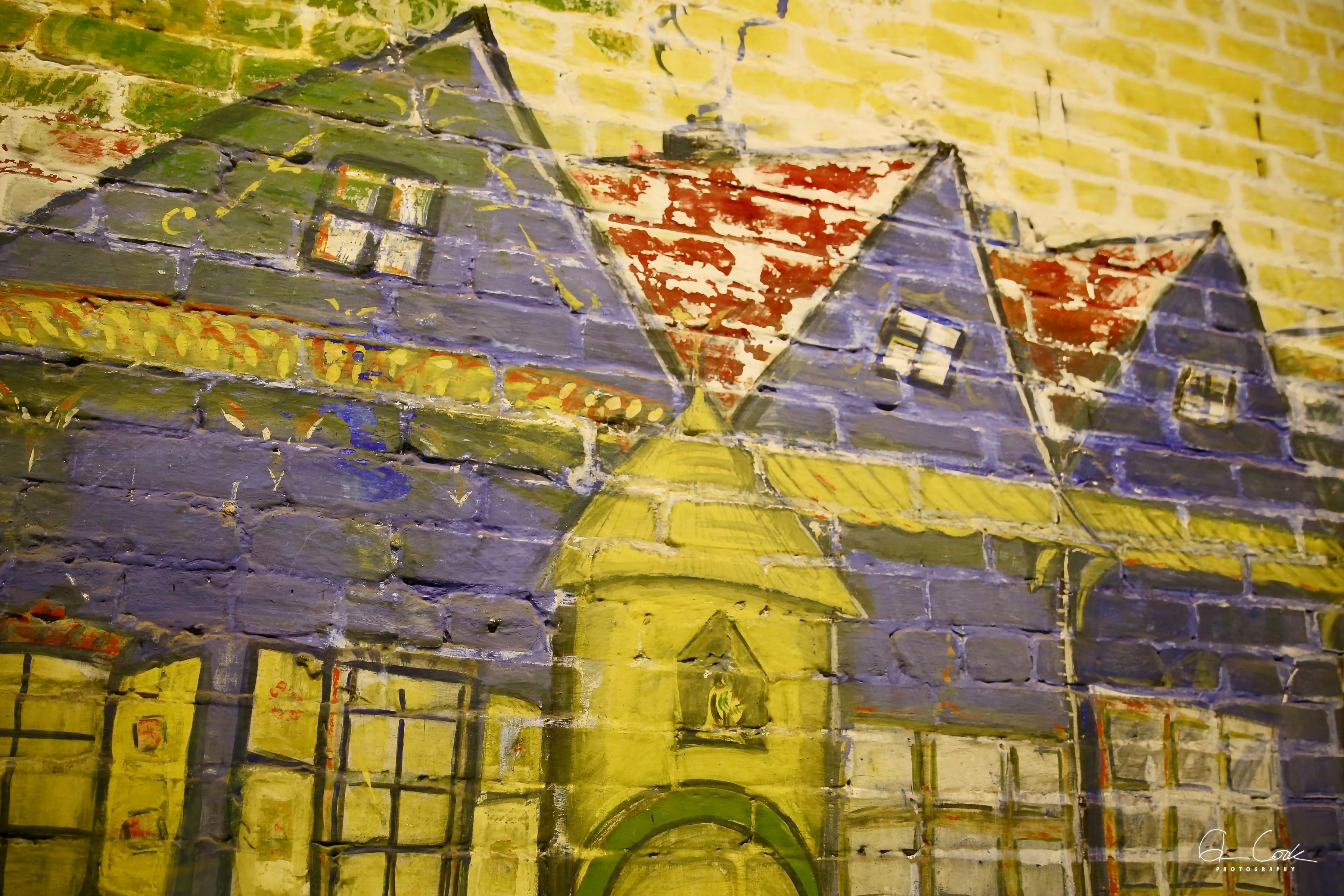
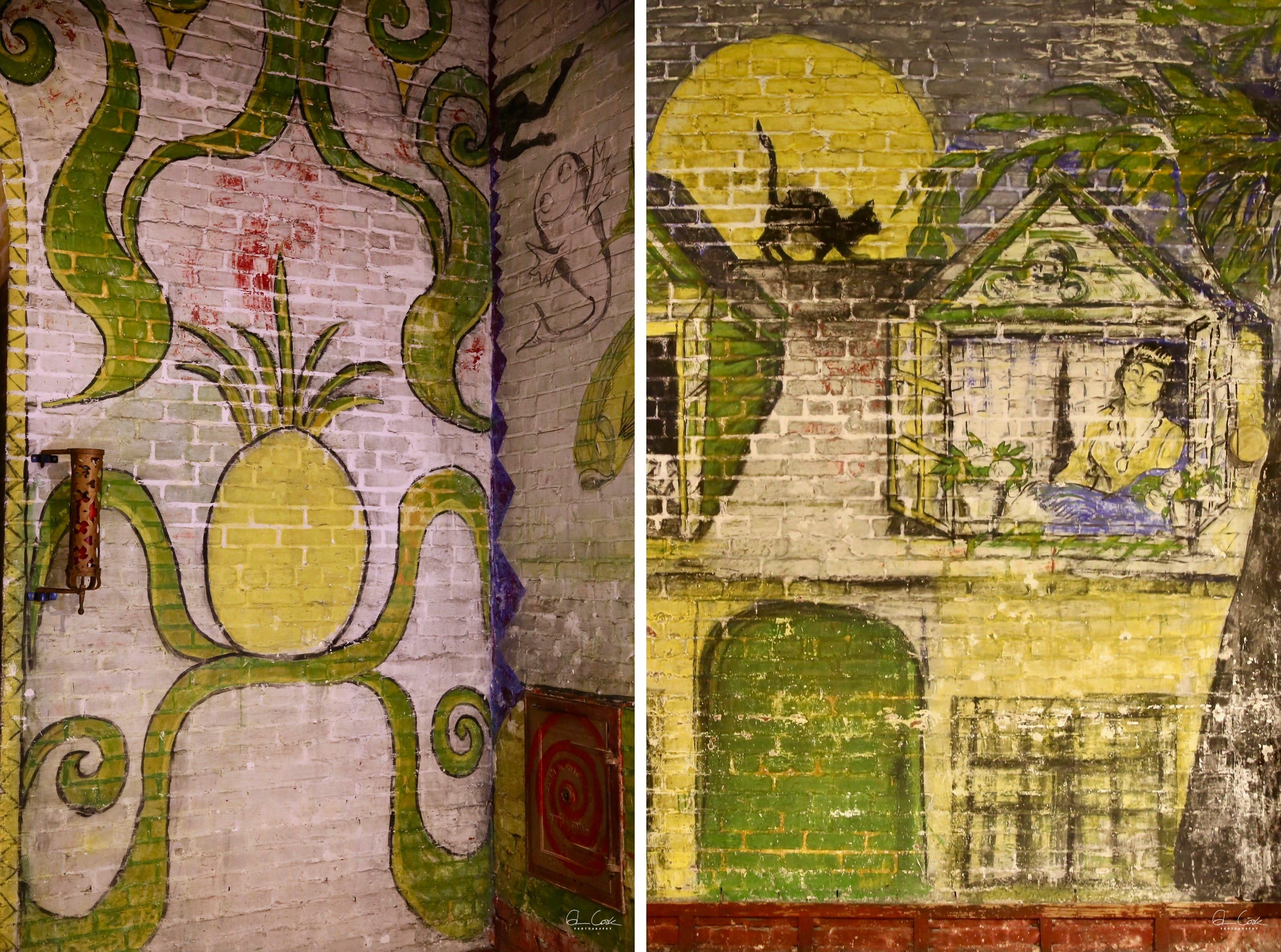
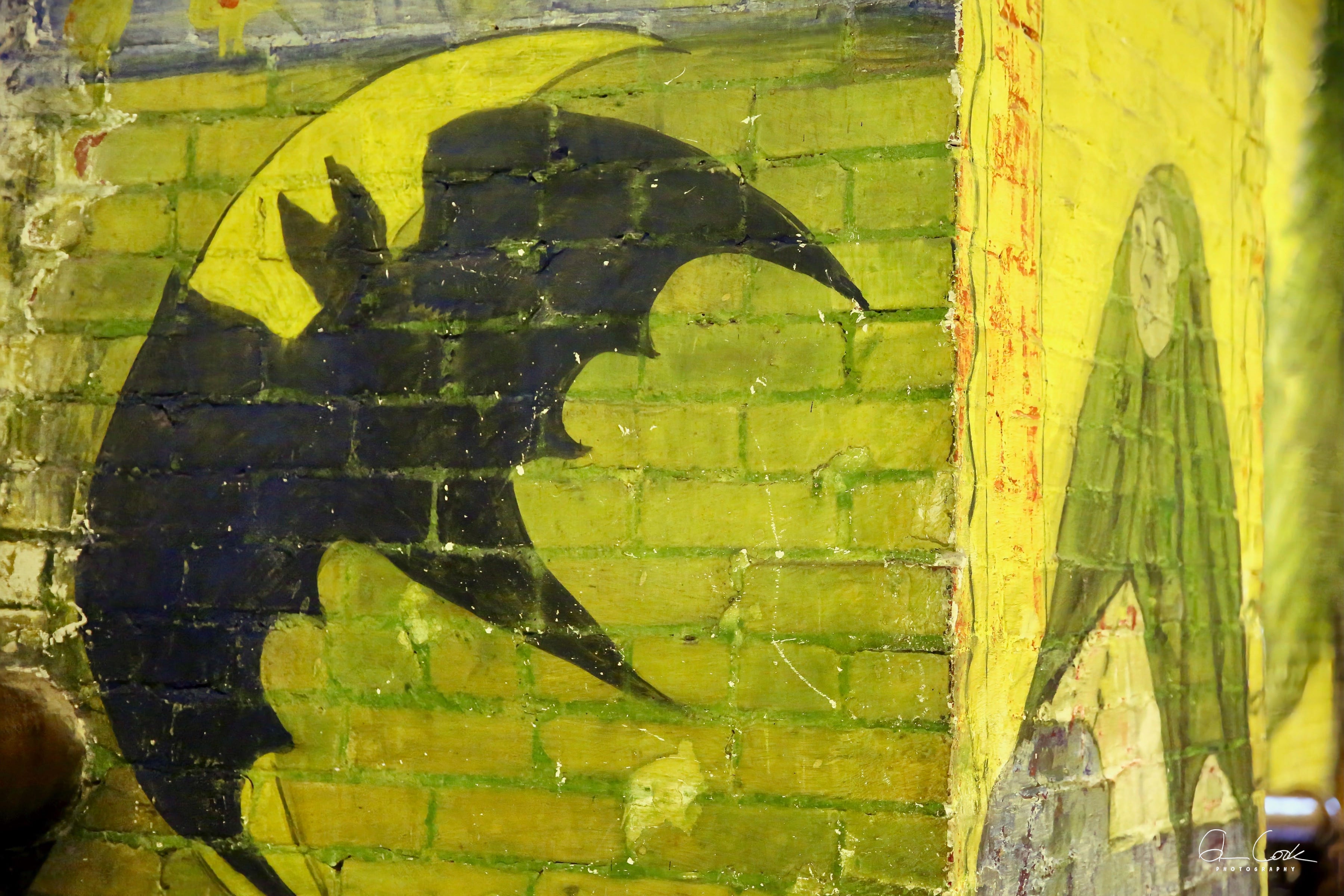
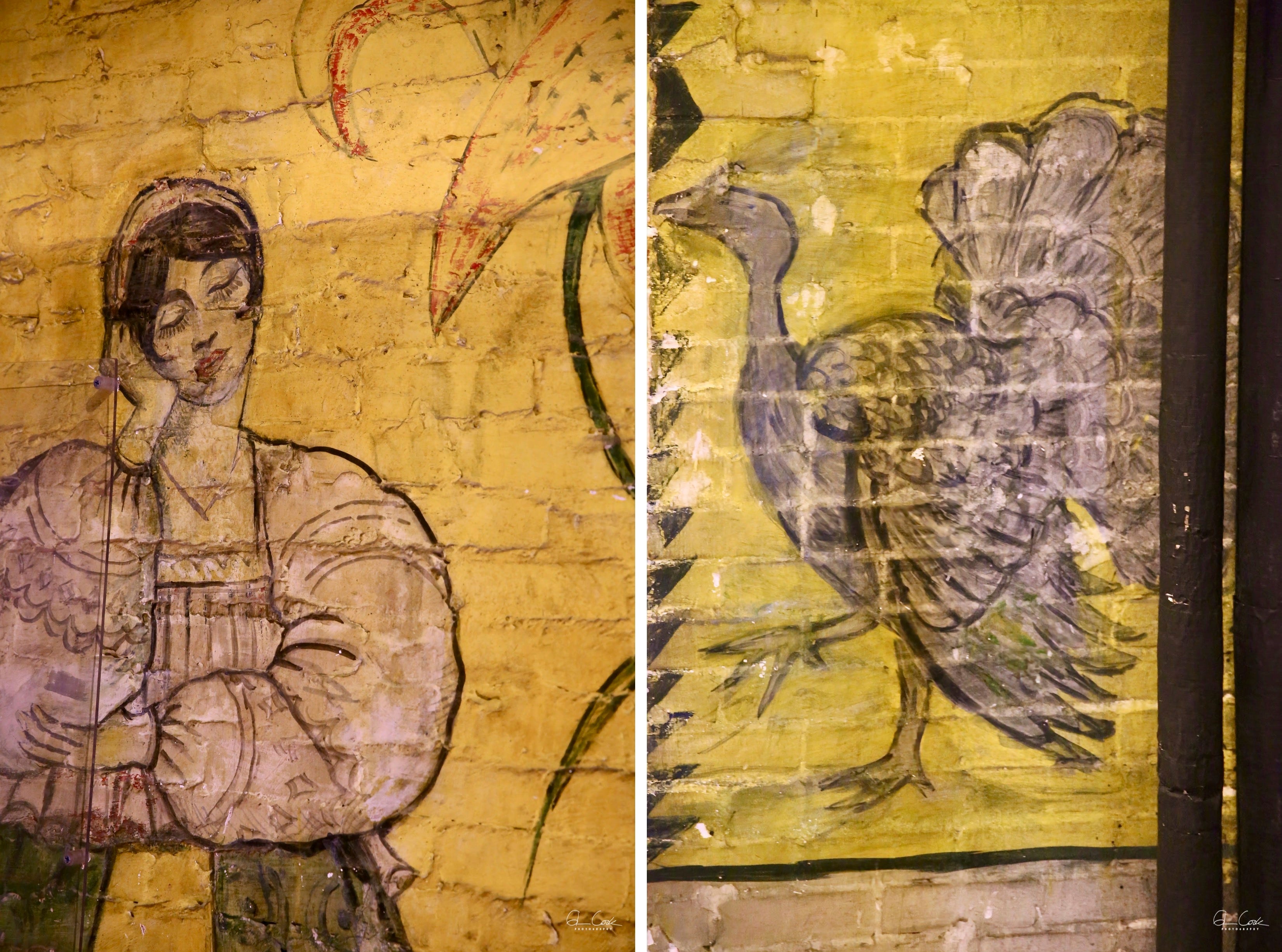
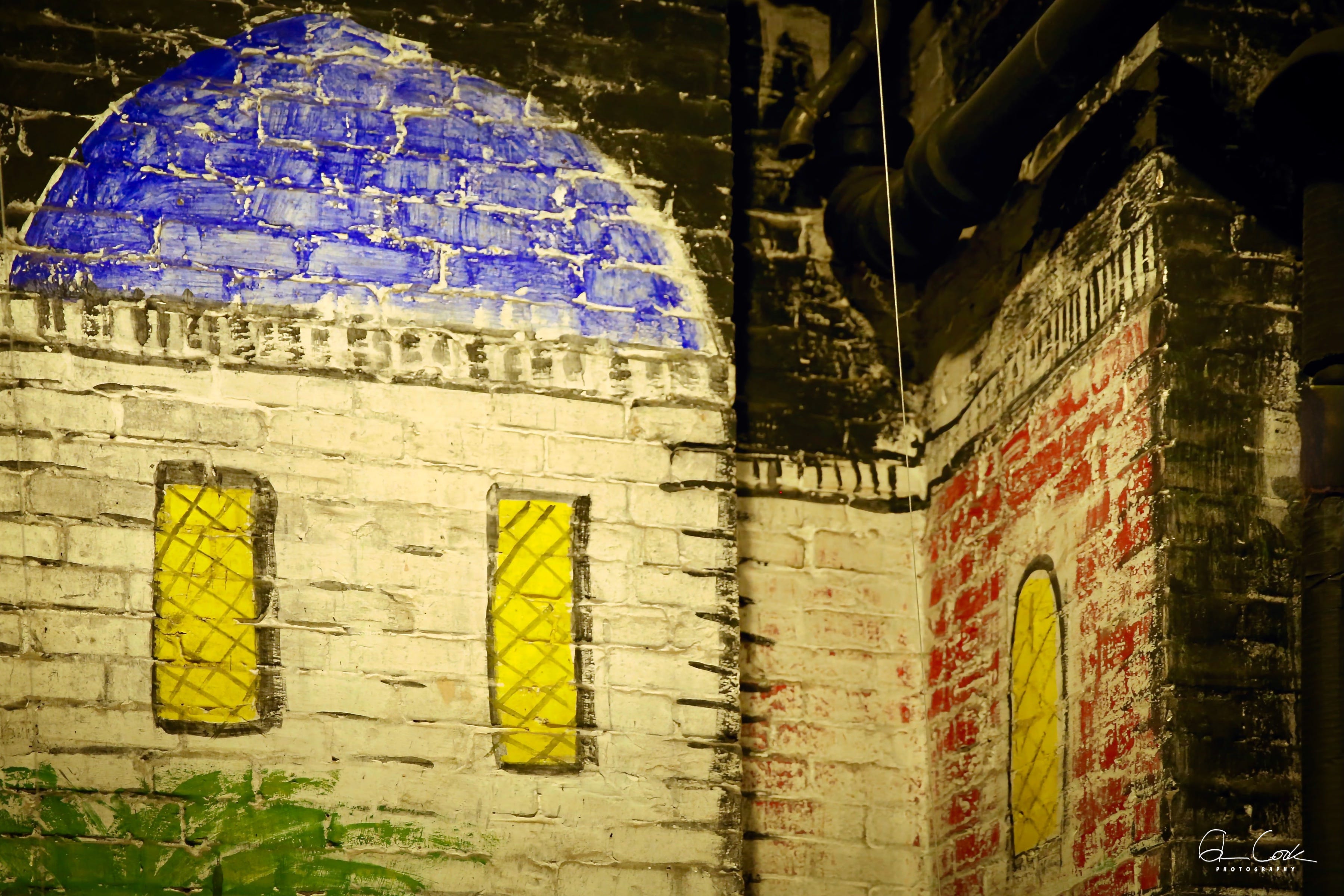
Located deep in the basement of the 135,280 square foot mansion — the largest privately owned house in the U.S. — outside Asheville, N.C., is a huge room with a series of bright murals featuring witches, bats and black cats along with folklore characters, soldiers, and other equally interesting sketches painted on the walls.
The room seems mysterious and out of context from the rest of the Gilded Age mansion, which has 35 bedrooms, 43 bathrooms, 65 fireplaces, three kitchens, a 19th century elevator, an indoor swimming pool, a pipe organ, and a library with more than 23,000 books.
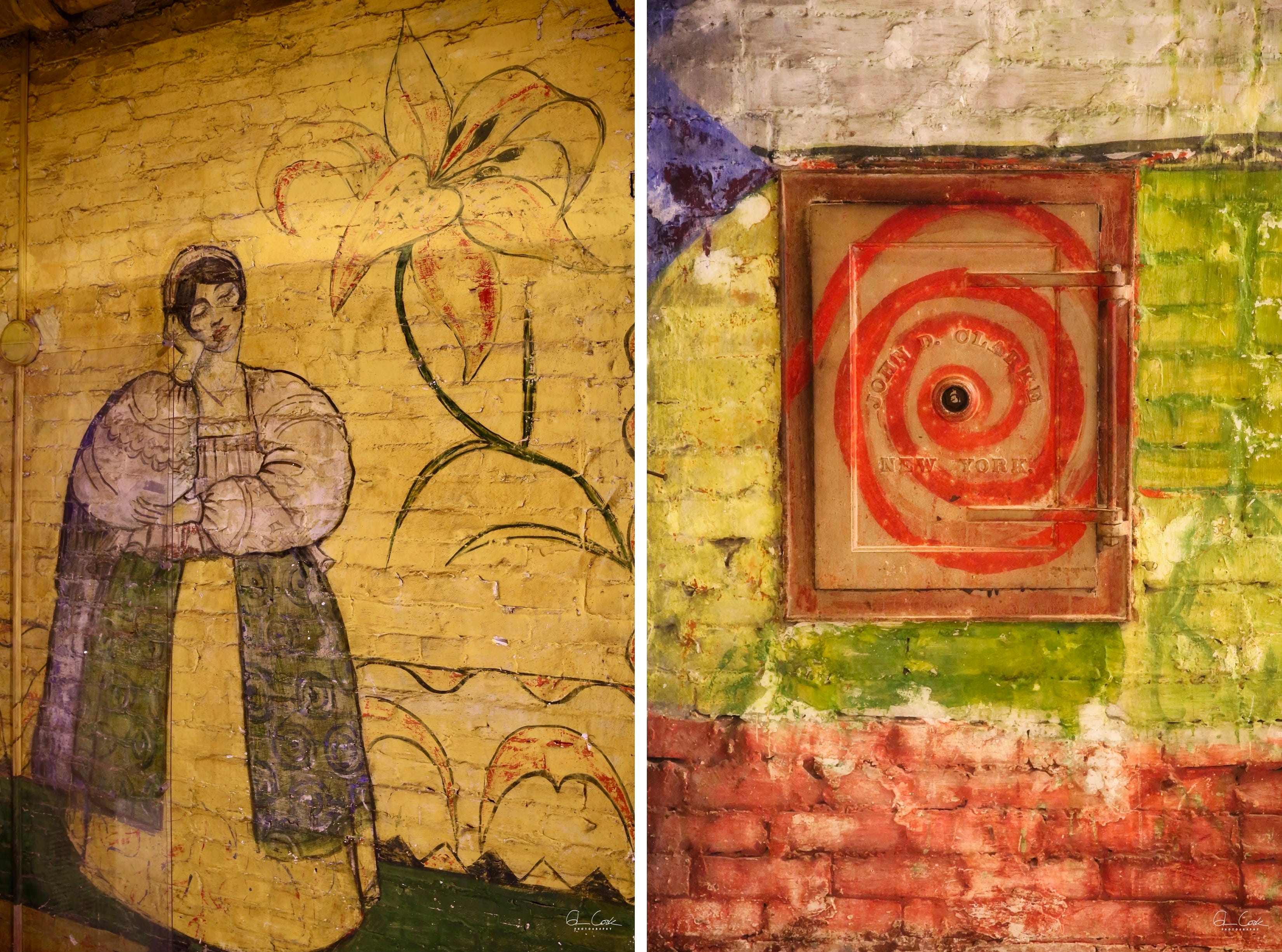
Apparently, Biltmore’s Museum Services staff felt the same way for many years. For decades, the room was thought to have been the scene of a lavish Halloween house party hosted by Cornelia and John Cecil, the daughter and son-in-law of original owners George and Edith Vanderbilt.
However, in 2019, the staff discovered the paintings were created for a New Year’s Eve celebration in December 1925. The scenes on the walls were linked to La Chauve-Souris, an avant-garde Russian cabaret and theatrical troupe that toured the U.S. in the 1920s and appeared on Broadway in 1922 and 1925.
Russian artists Sergi Sudelkin and Nicholai Remisoff designed the abstract sets used by the troupe, whose name translates to The Bat. Over three weeks, the Cecils drew the murals based on the illustrations that appeared in the theatrical program.
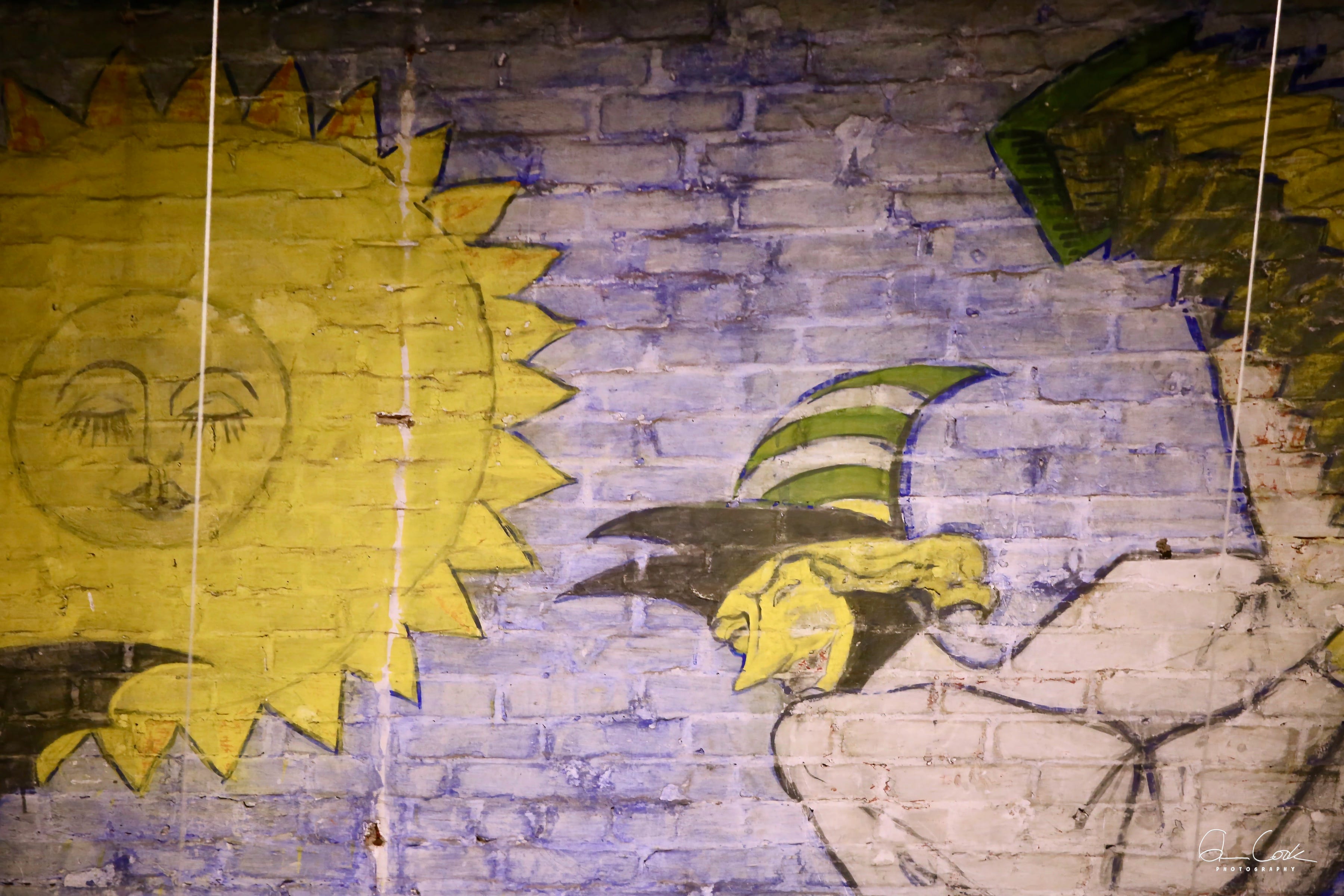
“We know that John and Cornelia Cecil were interested in many aspects of Russian culture, and Biltmore House wasn’t the only place Cornelia painted using these sorts of images,” curator Meghan Forest said in an article that appeared on Biltmore.com in 2024. “Combine that with their flair for entertaining, and you get what must have been the social event of the Asheville season.”
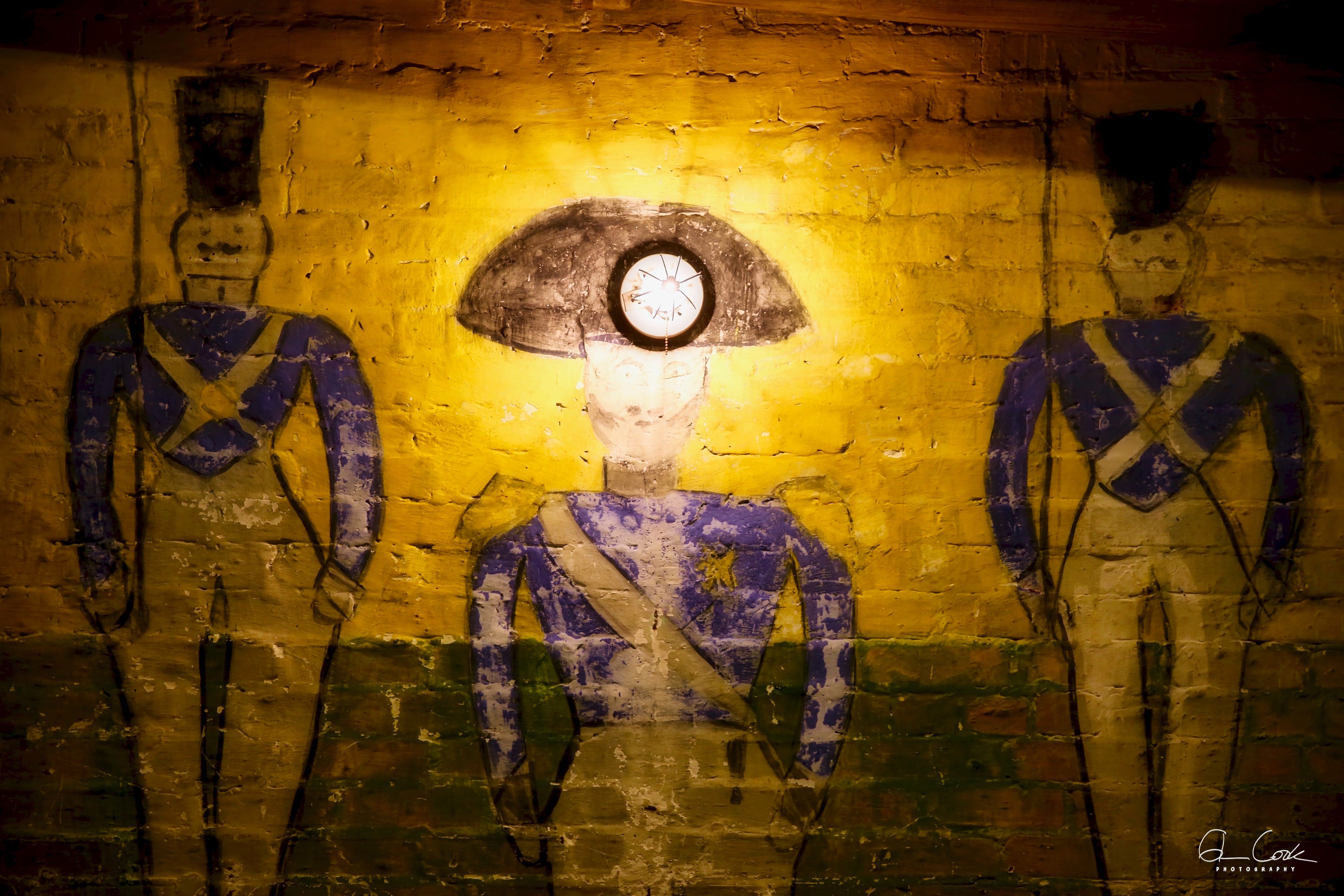
One hundred guests attended the New Year’s Eve celebration, and one — local resident James G.K. McClure — wrote his observations of the evening and room to a friend. Calling it “the best party I’ve ever attended,” McClure described the room as “full of cauldrons and post and glowing fire.”
Curator Leslie Klinger says McClure’s autobiography helped her team solve the mystery of the strange, seemingly out of place room. “This connection was really exciting to us because we didn’t expect it at all,” she told Biltmore.com.
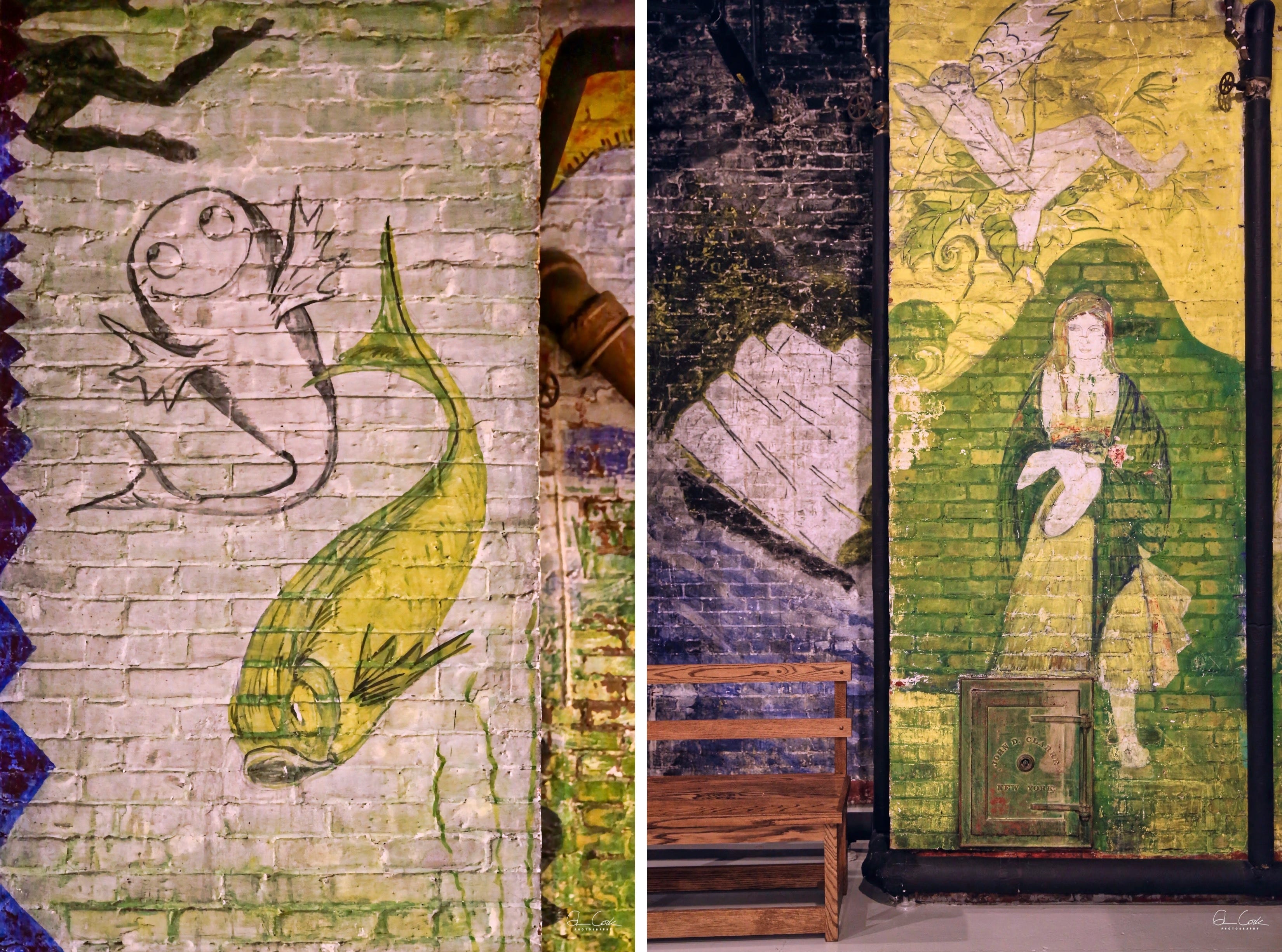
Enjoy the rest of these photos of this strange room, and for more on the Biltmore Estate, visit last week’s Visual Story — “Being There.”

More of The Halloween Room
Such a great post, Glen. I've been to the Biltmore and had no idea. Great photos of great art. i may have missed how you got access to these? Are they now on public display? Thanks again for this.
Weird, and so cool! The research had not uncovered the provenance of the murals when I visited Biltmore, so I was satisfied with the explanation that they were just 'ecentric.' You know, when you're rich you can do whatever you want? Great photos, and a nice button to a mysterious room in the basement.